What it is and what it was built for
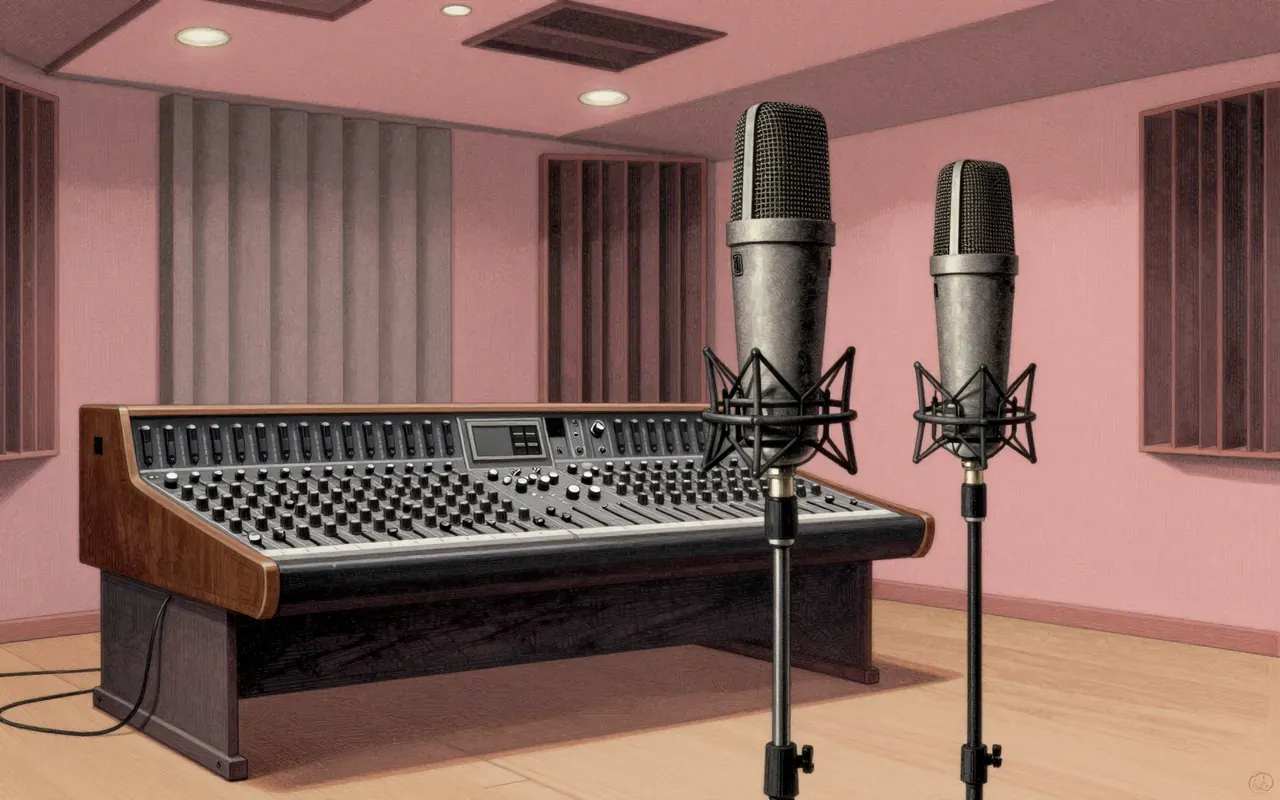
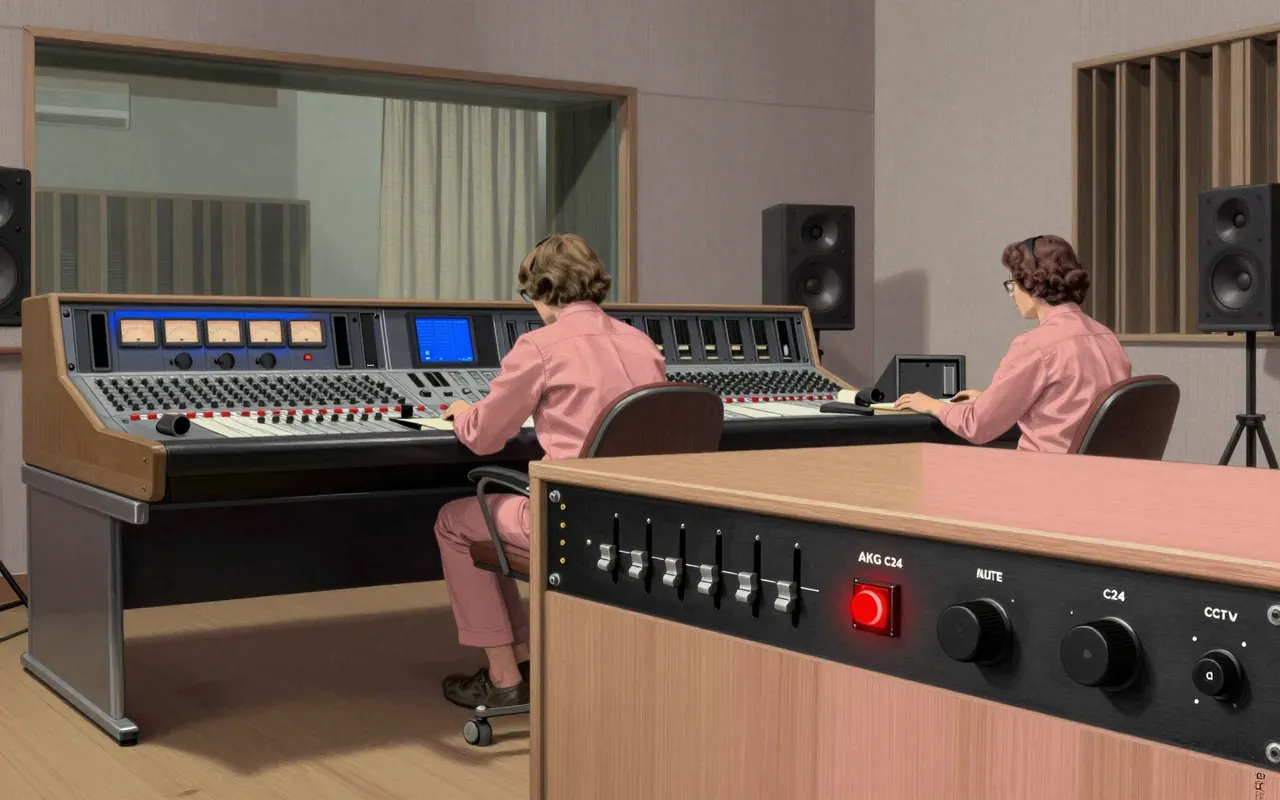
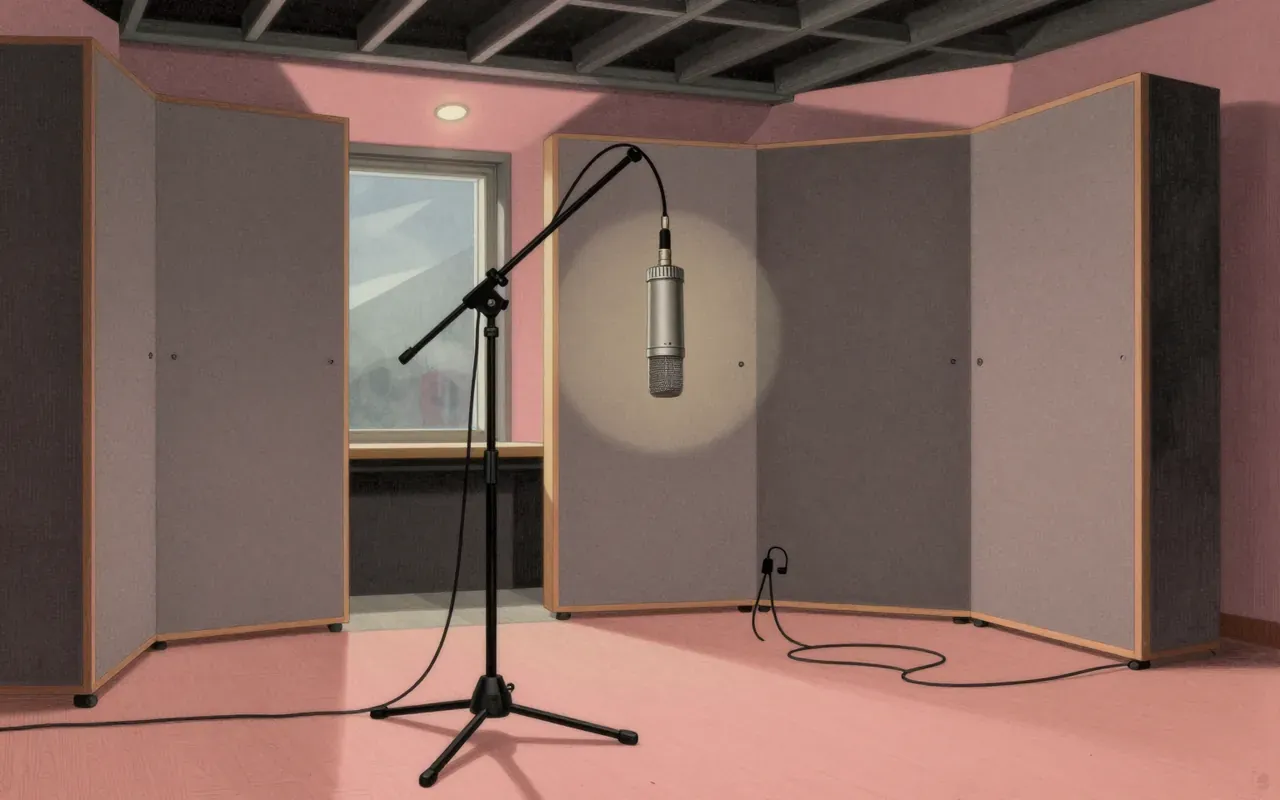
It is a large diaphragm condenser tube microphone. It was built for studio recording.
How it works, in terms a player would use
It requires a dedicated power supply to operate. It captures sound using a large diaphragm and a vacuum tube circuit. It is not plug-and-play: no phantom power, no USB, no direct interface connection.
What it does better than anything else
It captures a wide frequency range more faithfully than many contemporaries. It delivers the tonal balance and harmonic texture associated with top-tier studio tube condensers.
What it does badly
It does badly in live settings. It is very delicate. It cannot withstand stage handling, humidity shifts, or transport without risk.
What people made with it
The sources do not specify recordings, artists, albums, or sessions made with it.
Who should use it, and who should not
Studio engineers with stable environments and vintage mic experience should use it. Live sound engineers, mobile recordists, and beginners should not.
Is it worth your time
It is worth your time only if you record in a controlled studio environment and need the character of a vintage tube condenser. It is not worth your time if you need reliability, portability, or live use.