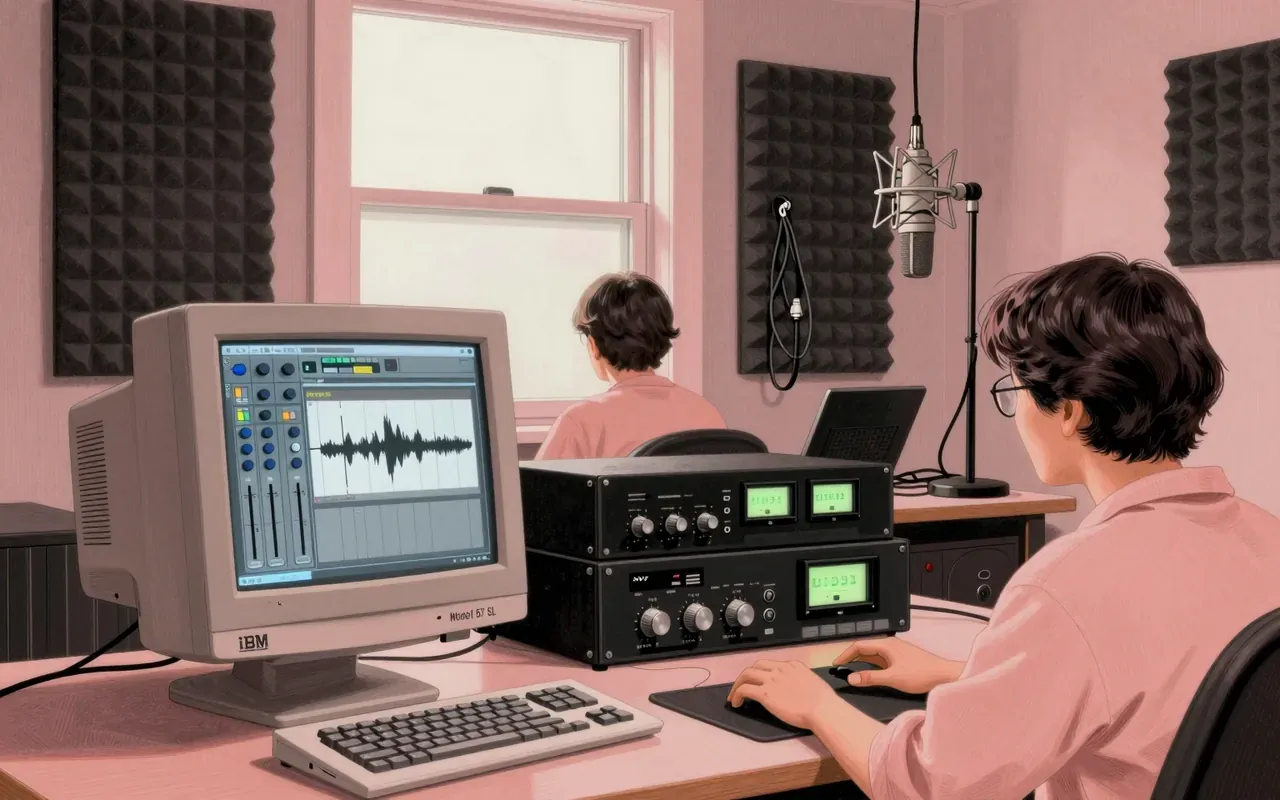
It does not tame transients — it wraps them in iron.
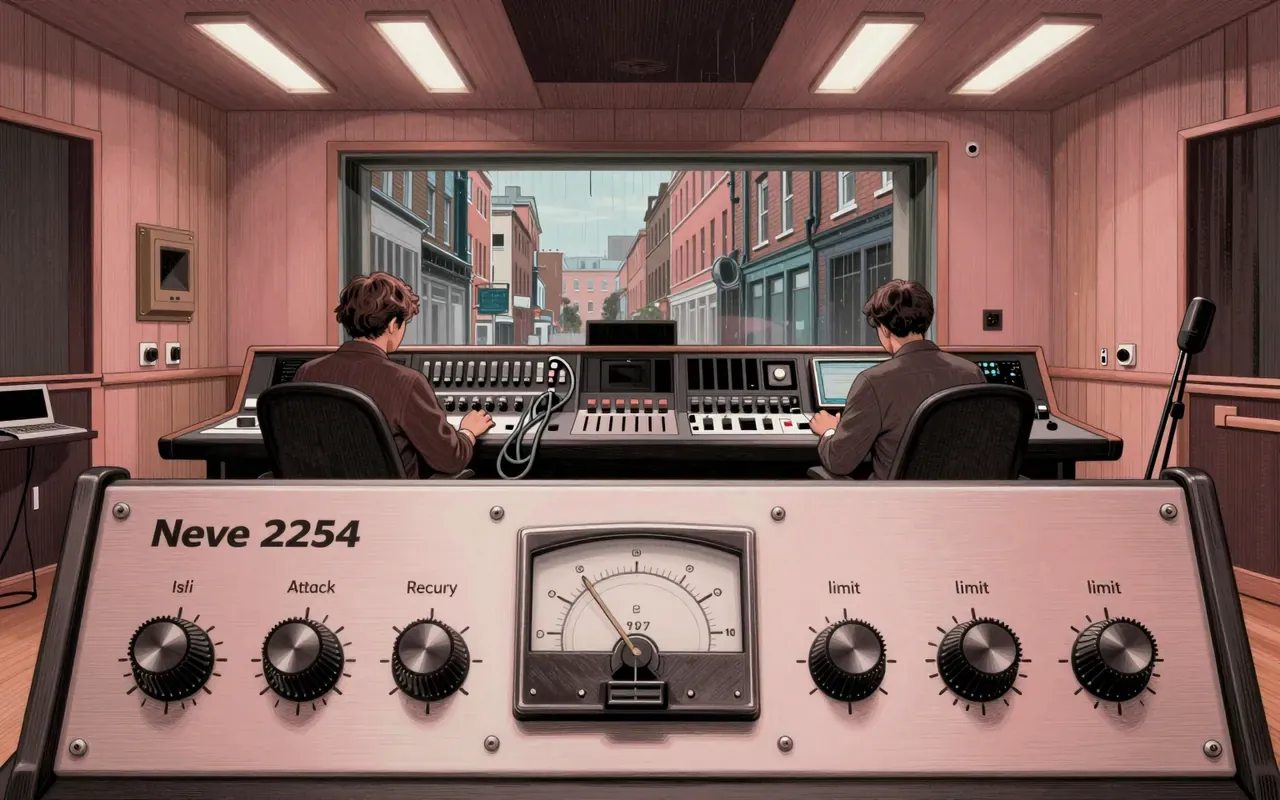
The Neve 2254 is an all-analog compressor/limiter from the late 1960s, revived as the 2254-R with identical circuitry and only a new casing. It delivers thick, heavy compression — especially on vocals — via straightforward controls: ratio, attack, recovery, limit level, gain makeup and mode. Its unique meter and lack of digital elements make it tactile and immediate. It offers no stereo linking, no variable knee, no recall — just weight, simplicity and a singular sonic character.
A late-1960s design, recreated as the 2254-R with only a casing change.
2:12
No chips, no confusion
All-analog, no digital elements — and simple enough to dial in without a manual.
3:23
Vocals first, everything else second
Thick and heavy compression — especially on vocals — is its defining behaviour.
4:42
One meter, one look
It has metering options and a unique-looking meter — no further detail is verified.
Worth your time?
Yes. Use the whole thing.
4.5/ 5
What works
thick compression on vocals
straightforward operation
all-analog signal path
What does not
offer stereo linking
support recall
provide transparent dynamics control
Use it if
vocal-focused engineers
analogue-first producers
mixers valuing weight over speed
Skip it if
electronic music producers needing fast attack
remote collaborators requiring preset sharing
budget-conscious beginners
The written brief1 min read
What it is and what it was built for
The Neve 2254 is an analog compressor/limiter built in the late 1960s for studio dynamics control. It was designed for punch, weight and simplicity in tracking and mixing.
How it works, in terms a player would use
It has ratio, limit level, recovery, gain makeup, mode (compressor or limiter), attack and metering controls. It is not difficult to use. The meter is unique-looking.
What it does better than anything else
It delivers thicker, heavier compression than most analog compressors — especially on vocals — due to its all-analog signal path and transformer-coupled design.
What it does badly
It does badly anything requiring fast, surgical dynamics control or stereo linking precision — it is a mono or loosely coupled stereo device with no dedicated stereo sync or variable knee.
What people made with it
People made vocal tracks with dense, commanding presence using the 2254 — its sound appears on recordings where thick, heavy compression was central to the vocal tone.
Who should use it, and who should not
Studio engineers and producers who want analog weight and straightforward operation should use it. Anyone needing digital-style recall, multi-band control or precise stereo imaging should not.
Is it worth your time
It is worth your time if you need thick, heavy compression on vocals or other sources where analog weight matters more than transparency or flexibility.