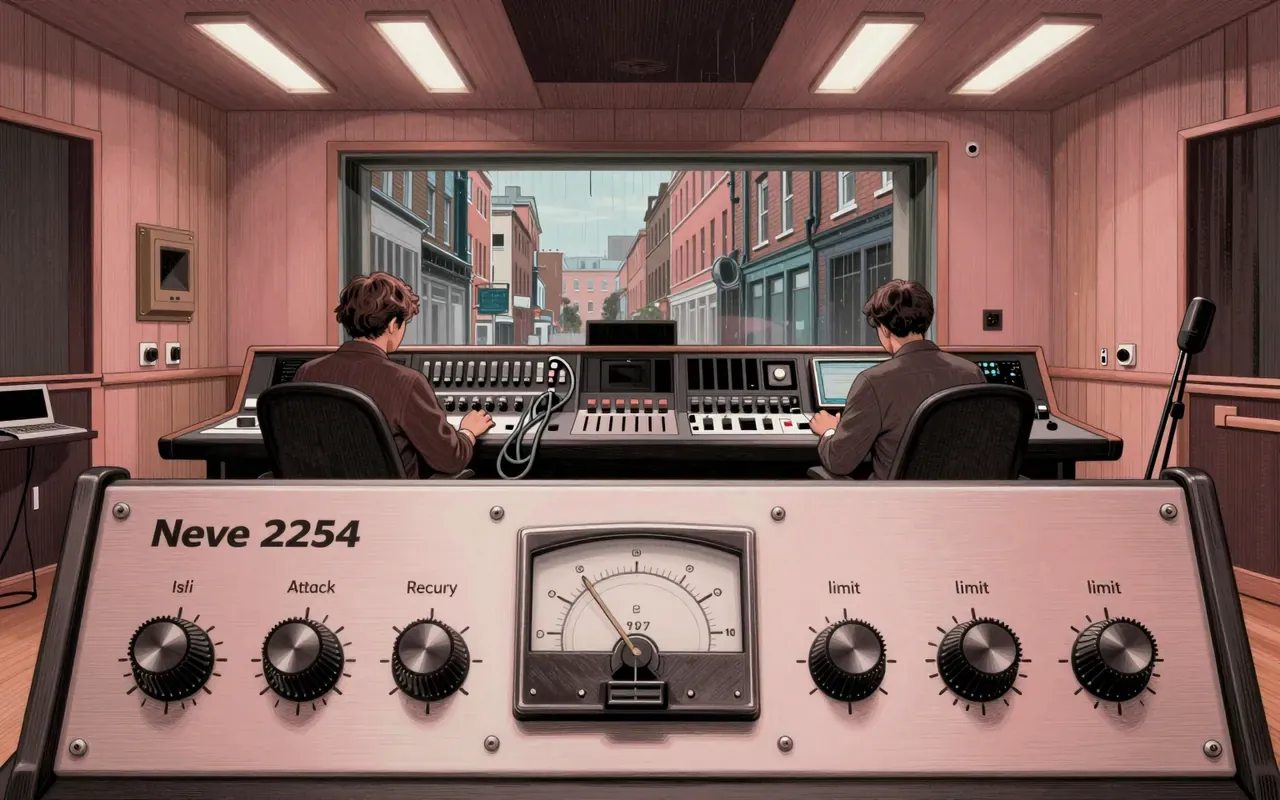
The Neve 8068 doesn’t simplify—it demands fluency in Neve’s language of warmth, low-mids, and routing.
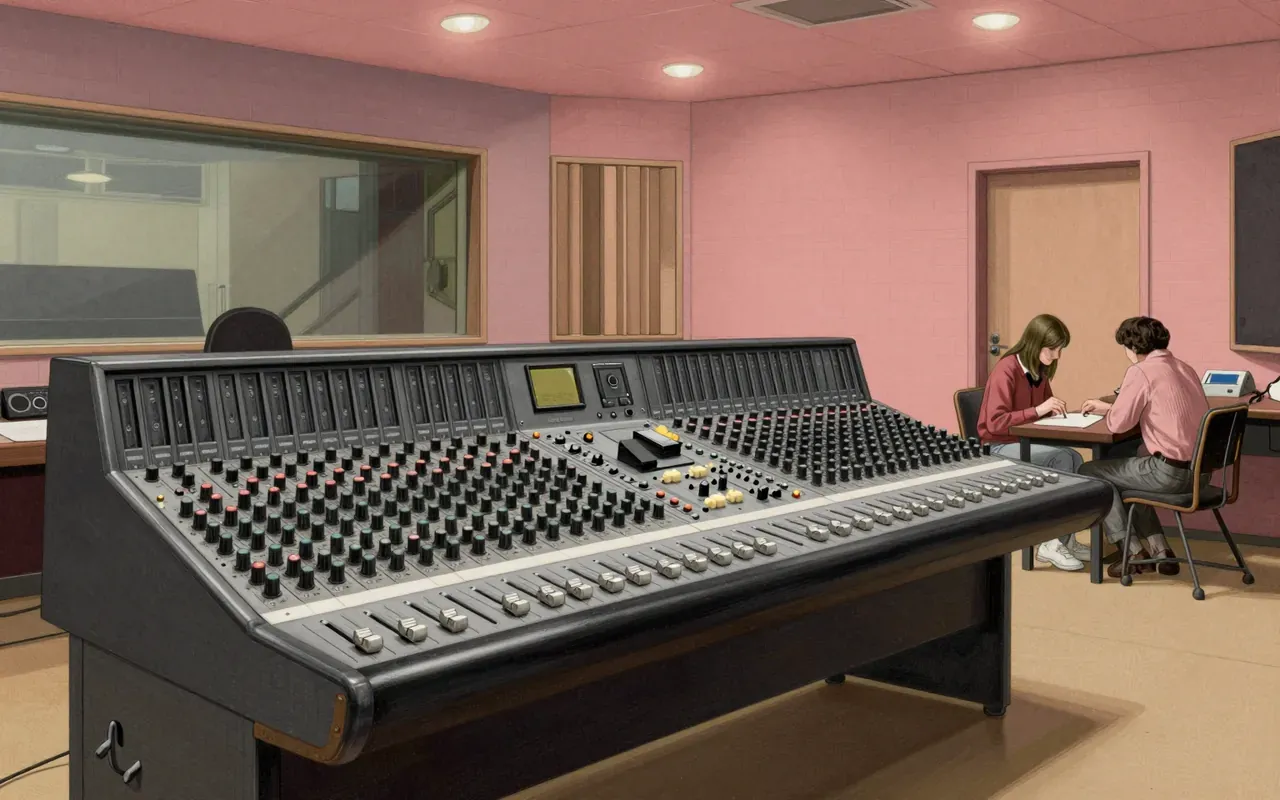
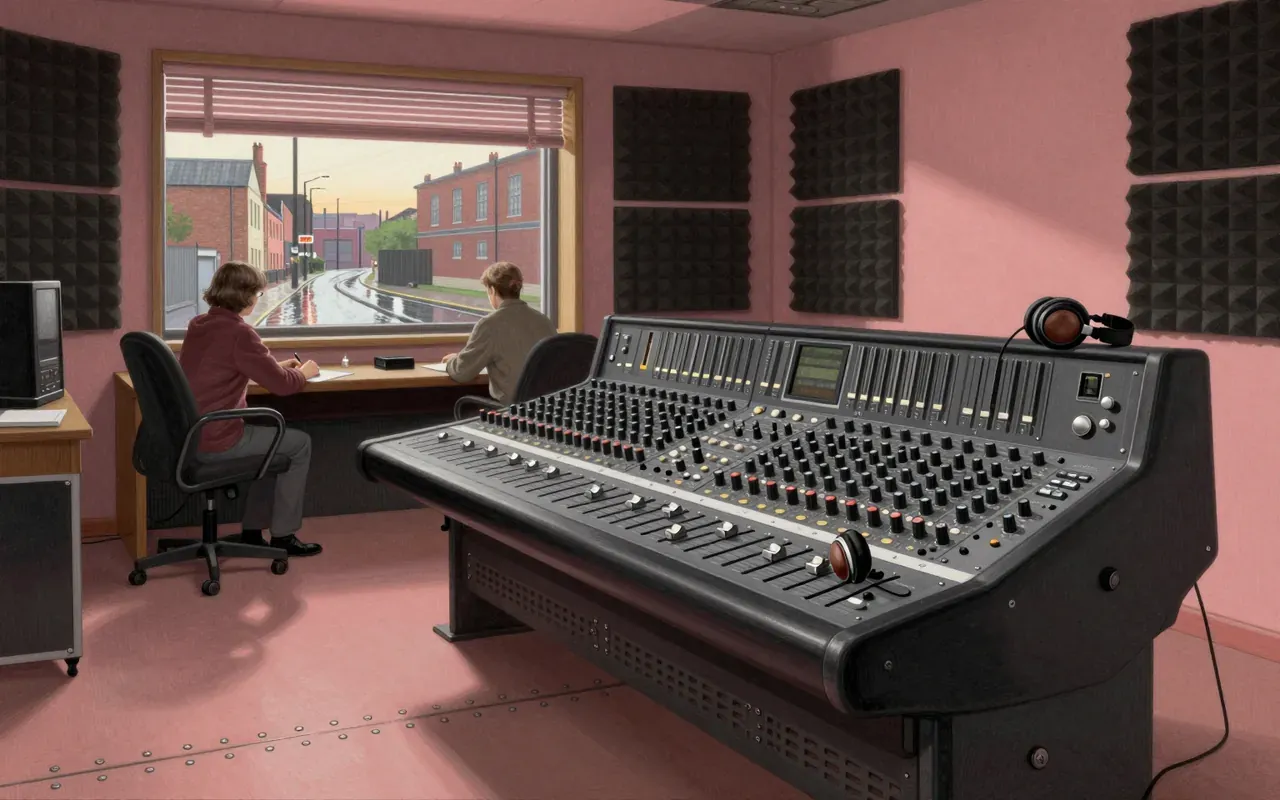
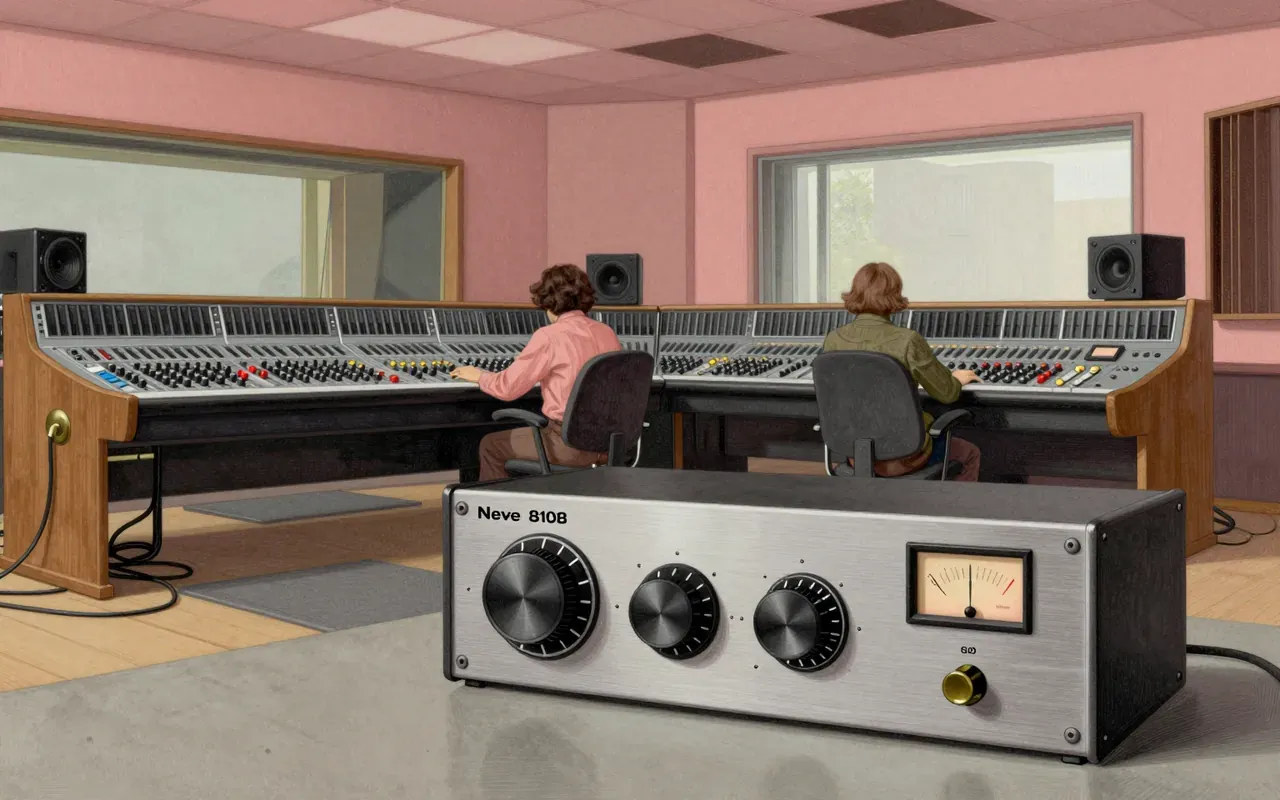
The Neve 8068 is a 1970s large-format analog console with 32 fully equipped channel strips—24 on the left, 8 on the right—each featuring a mic preamp, parametric EQ in the standard Neve style, and routing options. Its sound is defined by strong low-mid response and a balance of clarity and warmth. It is exceptionally difficult for beginners but familiar to experienced Neve users.
It is a 1970s analog console—not digital, not modular, not portable.
1:49
32 channels, fully equipped
32 dedicated channel strips, each with mic pre, parametric EQ, and routing—no shared resources, no compromises.
3:00
Neve EQ, unchanged
Its parametric EQ follows the standard Neve style—no deviation, no modern tweaks.
4:22
Warmth with weight
It sounds like Neve—but with more low-mid presence and a distinct balance of clarity and warmth.
Worth your time?
Yes. Use the whole thing.
3.5/ 5
What works
low-mid-heavy-mixing
analogue-summing
hands-on-eq-tweaking
What does not
digital
portable
beginner-friendly
modular
Use it if
experienced-neve-users
analogue-recording-engineers
large-studio-operators
Skip it if
beginners
home-studio-producers
laptop-based-creators
The written brief1 min read
What it is and what it was built for
The Neve 8068 is a large-format analog mixing console built in the 1970s for professional recording studios requiring 32-channel analogue summing, mic preamplification, and hands-on parametric EQ per channel.
How it works, in terms a player would use
Each of the 32 channel strips has a microphone preamp, a parametric equalizer in the standard Neve style, and routing options. The console is laid out in two sections: 24 channels on the left, 8 on the right.
What it does better than anything else
It delivers the ‘Neve’ sound—strong low-mid response, clarity, and warmth—more consistently than many other Neve consoles, due to its specific implementation of the parametric EQ and preamp design.
What it does badly
It is exceptionally difficult for beginners to operate. It offers no simplification or guidance for users unfamiliar with Neve’s layout and signal flow.
What people made with it
The sources do not state what people made with it.
Who should use it, and who should not
Experienced Neve users should use it. Beginners should not.
Is it worth your time
It is worth your time only if you need a large-format analog console with the Neve low-mid character and have experience operating Neve gear.