audiobriefs
9:15in productionCh. 1 · Not a box. A plug-in./ 9:15 · ceiling 15 min
Mixing & mastering · DAWs & software

dbx 160

It doesn’t breathe — it bites. And that’s exactly why it works.

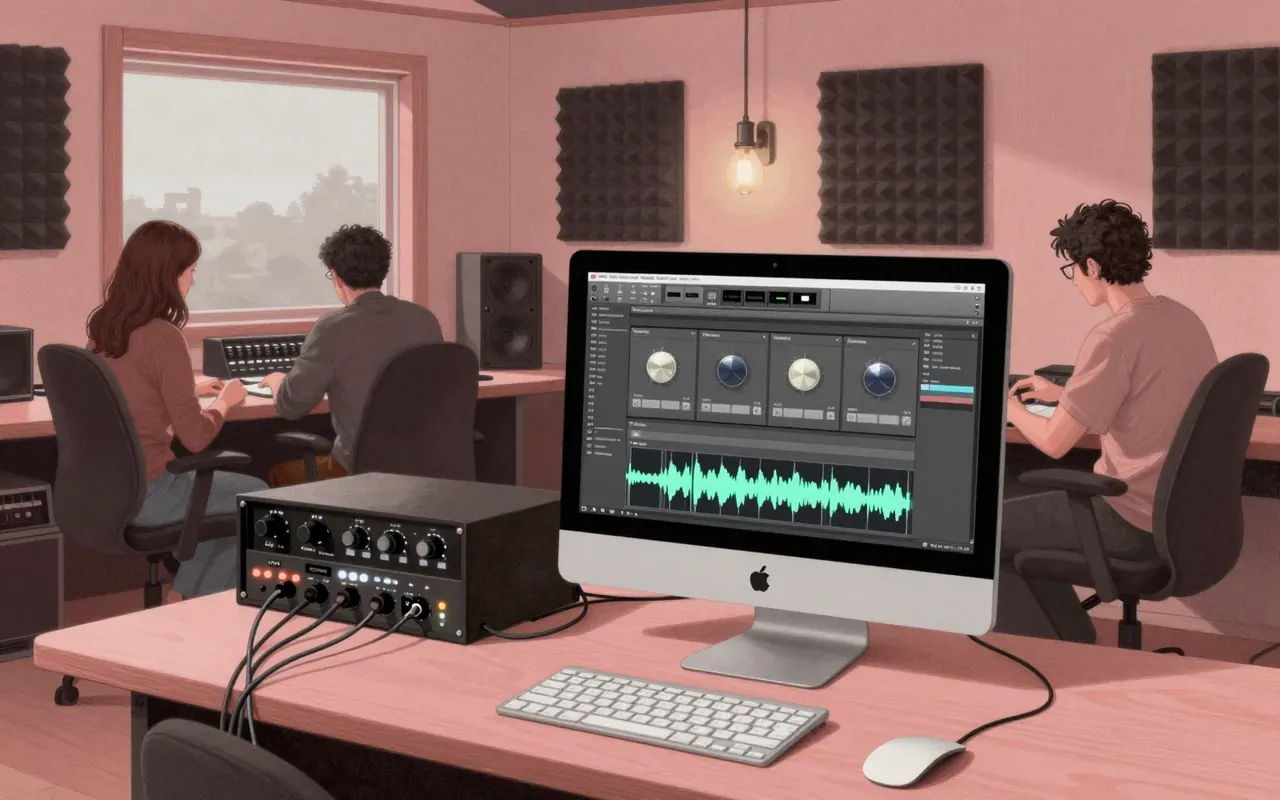
The Waves dbx 160 is a software compressor plug-in released in 2015. It delivers fast, aggressive compression with minimal setup. It lacks flexibility and colour but excels at tightening drums and bass. It costs $49 on sale. It belongs in the mix bus, not the mastering chain.

Chapters & takeaways4
  1. 0:42
    Not a box. A plug-in.

    It is software, not hardware — designed for integration, not interaction.

  2. 1:47
    Plug-in first, emulation second

    It loads into your DAW like any other effect — no routing, no latency surprises.

  3. 3:07
    Cheap muscle

    At $49, it costs less than an hour of studio time — and delivers repeatable results.

  4. 5:36
    No patience required

    It compresses fast, hard, and predictably — no guesswork, no variation.

Worth your time?

Yes. Use the whole thing.

3.5/ 5
What works
  • tightening drum buses
  • controlling bass transients
  • gluing submixes
What does not
  • model hardware non-linearities
  • offer sidechain filtering
  • provide variable knee
Use it if
  • fast-working mix engineers
  • producers prioritising punch over nuance
Skip it if
  • mastering engineers
  • tonal sculptors
The written brief1 min read

What it is and what it was built for

The Waves dbx 160 is a software compressor plug-in. It was built to emulate the behaviour of the dbx 160 hardware compressor in a DAW environment.

How it works, in terms a player would use

It is a plug-in. It runs inside a digital audio workstation. It compresses audio signals in real time. It has controls for threshold, ratio, attack, release and output gain.

What it does better than anything else

It delivers aggressive, punchy gain reduction faster than most software compressors. It locks transients down with minimal overshoot. It sounds consistent across sessions and systems.

What it does badly

It does not model the non-linearities of the original hardware. It does not offer variable knee or sidechain filtering. It offers no visual feedback beyond basic gain reduction metering.

What people made with it

Producers used it on drum buses and bass tracks to tighten rhythm sections. Engineers applied it to vocal stems for aggressive consistency. Mixers deployed it as a ‘glue’ tool on submixes.

Who should use it, and who should not

Mix engineers who work fast and prioritise impact over subtlety should use it. Anyone needing vintage-style compression without hardware maintenance should use it. Those seeking surgical dynamics control or harmonic colouration should not.

Is it worth your time

Yes, if you need fast, consistent compression on drums or bass. No, if you need transparent dynamics control or nuanced tonal shaping.


Same bench · Mixing & mastering4 of 110
Up next in Audio

Korg Delta

Korg · 9:25

It promises unlimited polyphony—but gives you one envelope for all notes.

9:25