audiobriefs
11:02in productionCh. 1 · Studio-Only Design/ 11:02 · ceiling 15 min
Microphones & preamps

Neumann TLM 170

A studio-only mic that gives you five patterns — and zero tolerance for the stage.

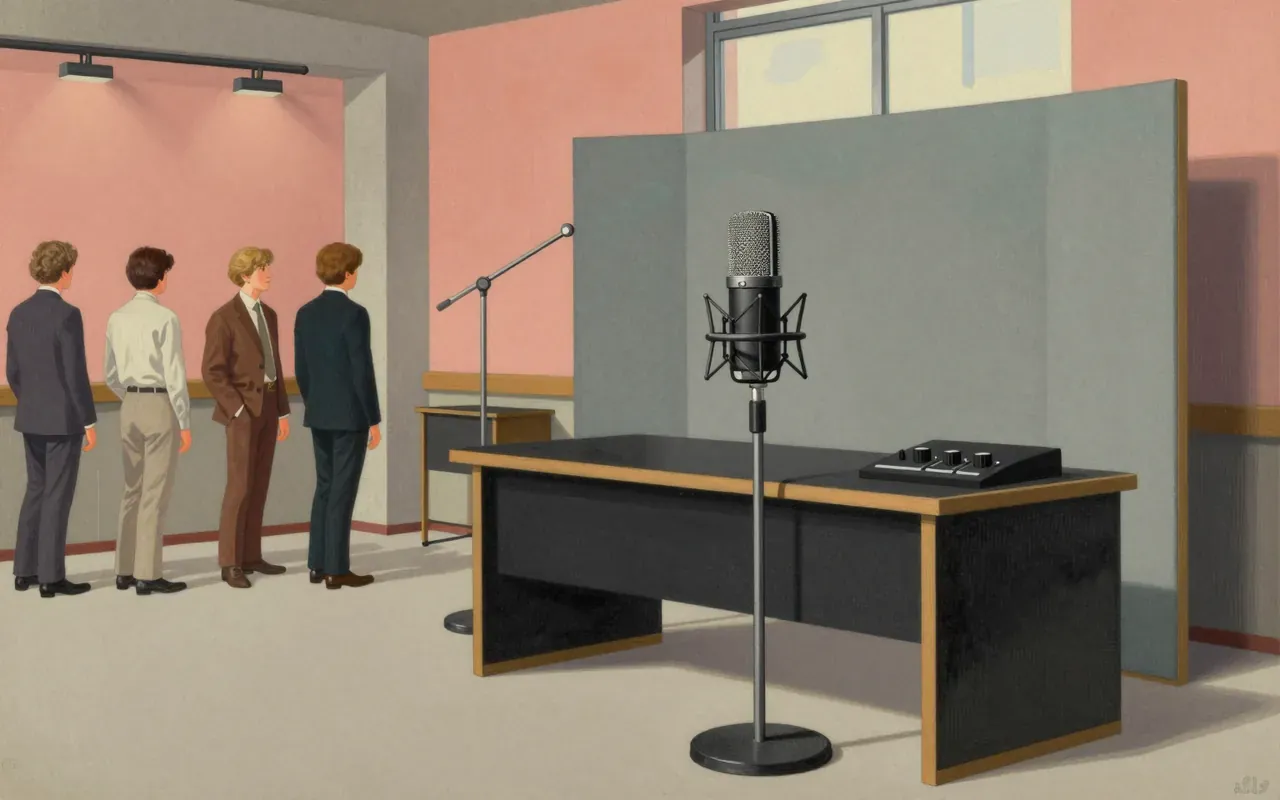
The Neumann TLM 170 is a discontinued large-diaphragm condenser microphone built solely for studio recording. It offers five polar patterns, a -10 dB pad, and a low-cut switch. It ships with a swivel mount and supports U87-style suspension. It fails in live performance. No recordings, artists or sessions are documented in the source material.

Chapters & takeaways4
  1. 0:48
    Studio-Only Design

    Built only for the studio — not the stage, not the field, not the rehearsal room.

  2. 3:07
    Pattern Flexibility

    Five polar patterns in one body: cardioid, omni, hypercardioid, wide-angle cardioid, and figure eight.

  3. 5:14
    On-Body Controls

    A -10 dB pad and low-cut switch let you manage level and rumble without external gear.

  4. 7:09
    Live Performance Failure

    Live use leads to dissatisfaction — it’s not built for SPL, movement or feedback resistance.

Worth your time?

Yes. Use the whole thing.

4/ 5
What works
  • controlled studio environments
  • multi-source tracking with pattern switching
  • high-SPL sources when padded
What does not
  • live performance
  • field recording
  • mobile setups
Use it if
  • studio engineers needing multi-pattern flexibility
Skip it if
  • live performers
  • podcasters outside treated rooms
  • engineers without stable gain staging
The written brief1 min read

What it is and what it was built for

The Neumann TLM 170 is a discontinued large-diaphragm condenser microphone built exclusively for studio recording.

How it works, in terms a player would use

It offers five polar patterns: cardioid, omni, hypercardioid, wide-angle cardioid, and figure eight. A -10 dB pad and low-cut switch are on the rear panel. It mounts via a fixed ring or U87-style suspension. It ships with a swivel mount.

What it does better than anything else

It delivers pattern versatility in one large-diaphragm condenser body — more options than most studio mics of its class.

What it does badly

It fails in live performance. Its design does not tolerate stage volume, proximity, movement or feedback pressure.

What people made with it

No verified recordings, artists, sessions or releases are cited in the source material.

Who should use it, and who should not

Studio engineers who require multiple polar patterns in a single high-SPL-capable condenser should use it. Live performers and mobile recordists should not.

Is it worth your time

It is worth your time only if you record in a controlled studio environment and need pattern flexibility without live-stage demands.
Same bench · Microphones & preamps4 of 55
13:34
Neumann U 87Neumann · 1967The Neumann U 87 is a large-diaphragm condenser microphone introduced in 1967 as the solid-state successor to the U 67. It features a 25.4 mm diaphragm and three selectable polar patterns — cardioid, omnidirectional, and figure-8. It can be powered by 48V phantom power or two internal 22.5V batteries. The original used the K 87 capsule, a modified version of the K 67. The 1986 U 87A reverted to the standard K 67 capsule and eliminated the dual-battery requirement.
9:04
Neumann U 89NeumannThe Neumann U 89 is a 1980 large-diaphragm condenser microphone built for versatility: five polar patterns via rotary switch, two fixed low-cut filters (80 Hz and 160 Hz), an attenuator, 140 dB SPL handling, and a neutral, less vivid tonal character than the U 87. It excels at distance capture and fits where bulkier mics cannot. It does not offer colouration, warmth or extended sub-bass response. No recordings or users are named in the source material.
9:08
Neumann KM 184NeumannThe KM 184 is a fixed-cardioid small-diaphragm condenser microphone built for clarity, durability, and extreme SPL handling — not for shaping or adapting.
9:37
Neumann KM 84NeumannThe Neumann KM 84 is a studio-only small diaphragm condenser microphone. It delivers clean, crisp, accurate recordings of acoustic instruments—no low-end filtering needed. Its presence peak adds clarity; its rapid top-end roll-off removes air. Proximity effect forces tight mic placement. Phantom power is required. It is fragile and unsuited for live or field work.
Up next in Audio

Sequential Circuits TOM

Sequential Circuits · 7:49

It doesn’t imitate drums—it hijacks them, one electronically faithful tone at a time.

7:49