What it is and what it was built for
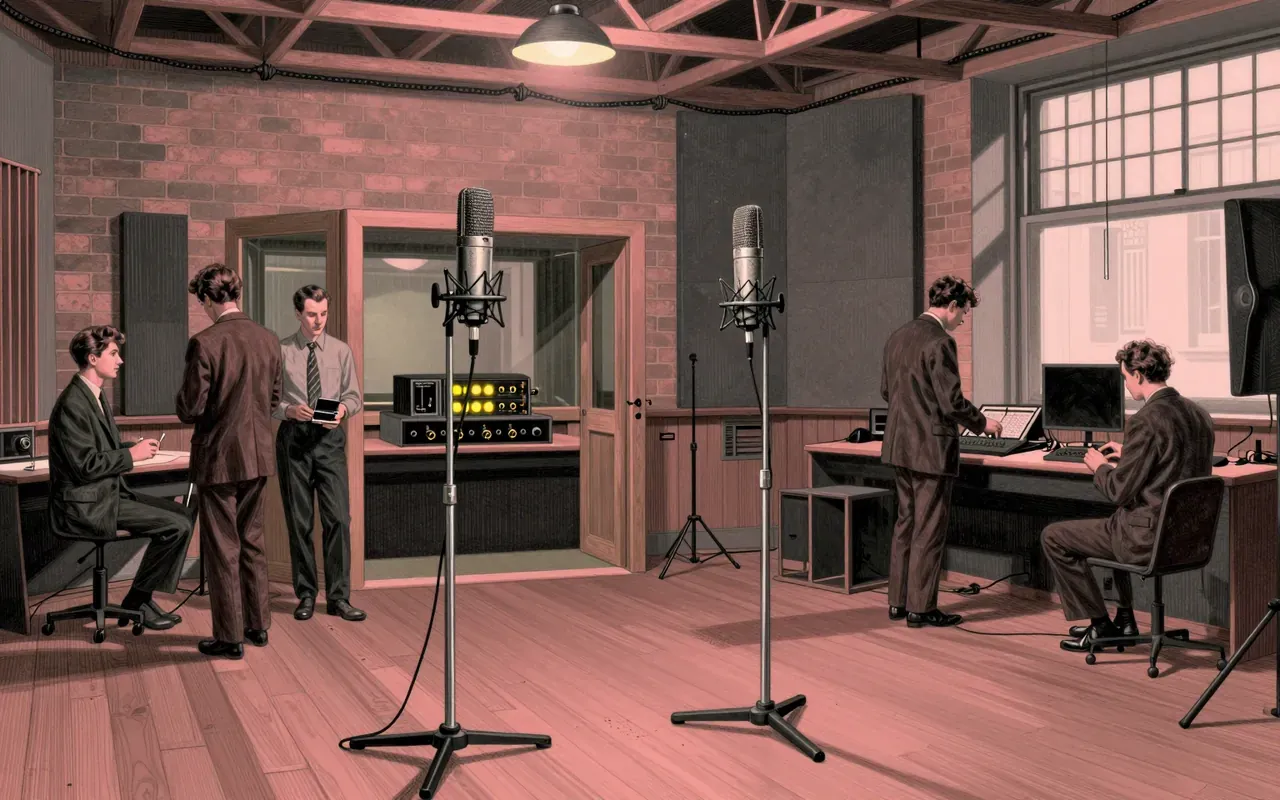
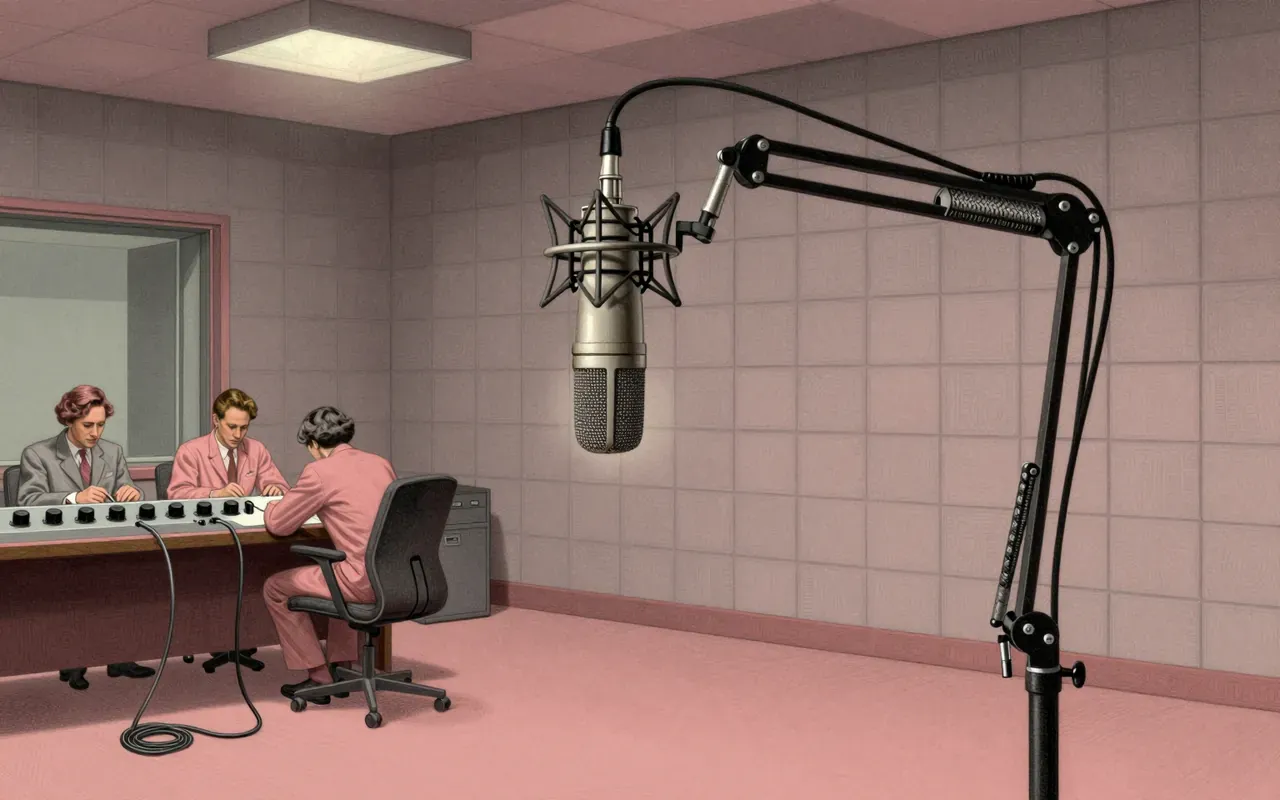
A large-diaphragm condenser microphone introduced in 1967 as Neumann’s solid-state successor to the U 67. Built for broadcast, film dubbing, and studio vocal recording where reliability and pattern flexibility mattered more than portability or battery-free operation.
How it works, in terms a player would use
It switches between cardioid, omnidirectional, and figure-8 polar patterns via a physical selector switch. It runs on 48V phantom power or two internal 22.5V batteries. The original uses the K 87 capsule — a modified K 67 — mounted on a solid-state FET circuit.
What it does better than anything else
It delivers consistent, stable polar pattern switching across all three modes — a rarity in large-diaphragm condensers of its era — and maintains tonal balance when moving between patterns.
What it does badly
It offers no high-pass filter or pad switch. Its battery option is obsolete and unreliable by current standards. It gives no control over transient response, saturation, or frequency contour beyond pattern selection.
What people made with it
Vocal recordings, spoken-word broadcasts, and film ADR — wherever a single mic had to serve multiple acoustic roles in one session.
Who should use it, and who should not
Studio engineers who own or regularly access a U 87A or verified original, and who value predictable pattern behaviour over colour or character. Not for field recordists, podcasters needing plug-and-play simplicity, or anyone without a clean 48V phantom source.
Is it worth your time
Yes — if you need a versatile, durable large-diaphragm condenser for voice or acoustic sources in a professional studio. No — if you rely on battery operation today, or demand modern low-noise specs without verification.