What it is and what it was built for
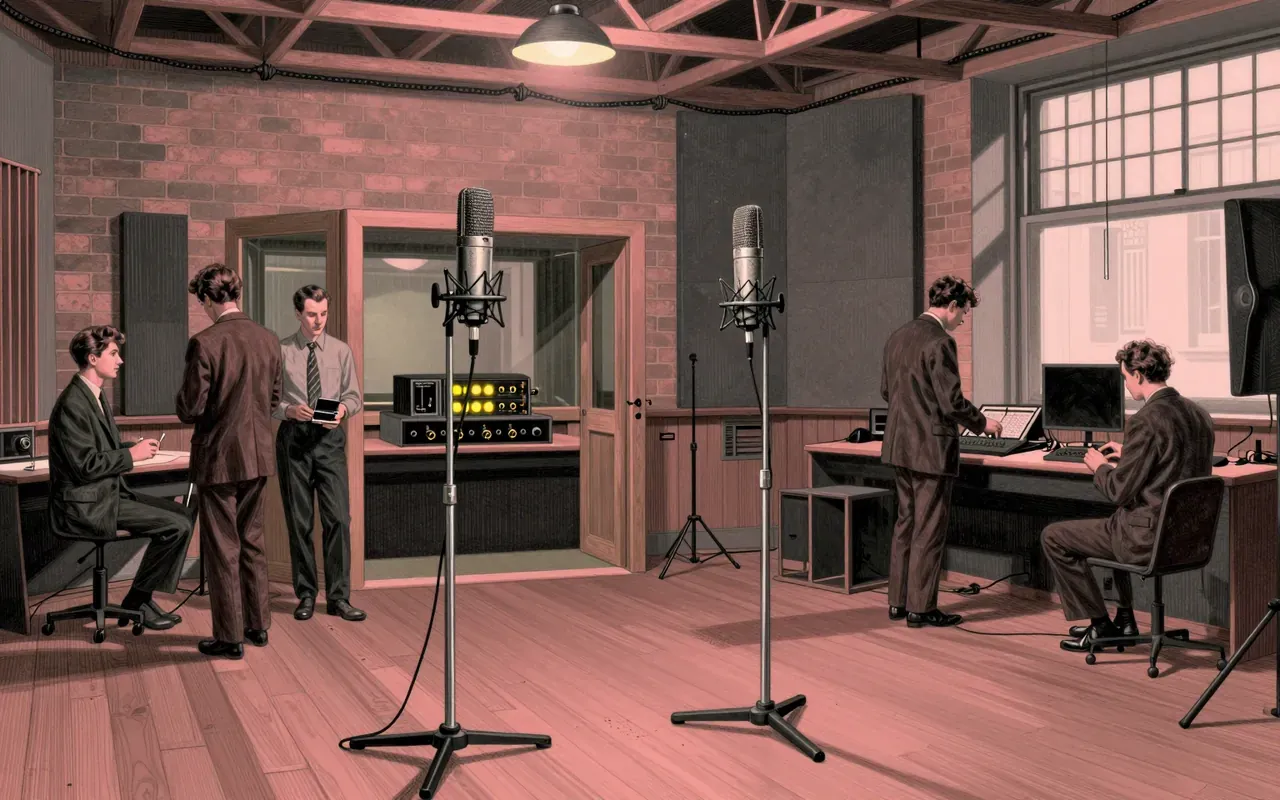
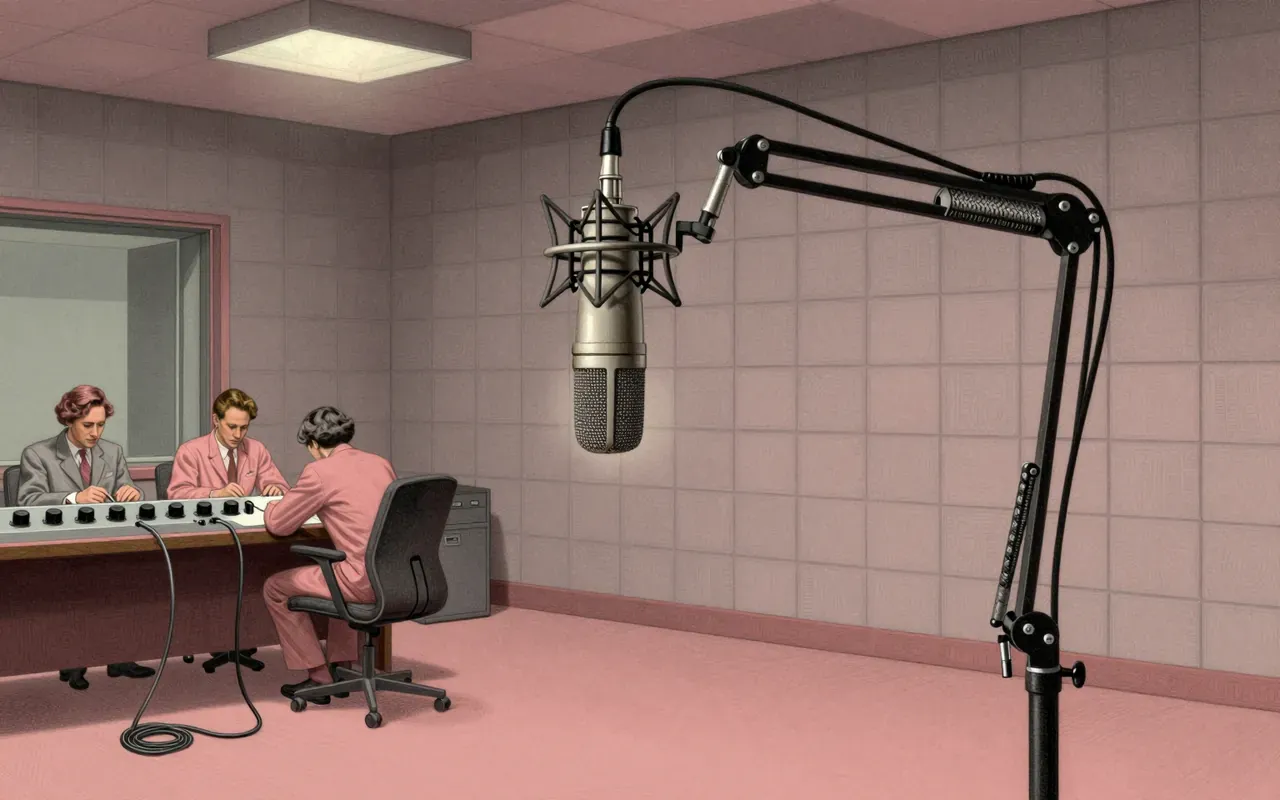
The RCA Type 44 is a bi-directional ribbon microphone built in 1931 for broadcast speech and orchestral pickup in controlled studio environments.
How it works, in terms a player would use
It captures sound from front and back only. The thin corrugated metal ribbon vibrates in a magnetic field. Voltage appears at the ribbon ends when it moves.
What it does better than anything else
It delivers a smooth, natural midrange and gentle high-end roll-off that flatters voice and acoustic instruments. Its bi-directional pattern gives precise off-axis rejection without phase smear.
What it does badly
It fails under strong air movement. It cannot tolerate phantom power. It distorts easily on loud transients. Its output is low and requires clean, high-gain preamps.
What people made with it
Broadcasters, radio networks, and recording engineers used it for voice, strings, and brass in the 1930s and 1940s.
Who should use it, and who should not
Studio engineers who work with vintage signal chains and value tonal character over convenience should use it. Live performers, field recordists, and beginners should not.
Is it worth your time
Yes—if you need a bi-directional ribbon with vintage character and can protect it from wind, handling noise and phantom power. No—if you need durability, high SPL headroom or modern flexibility.