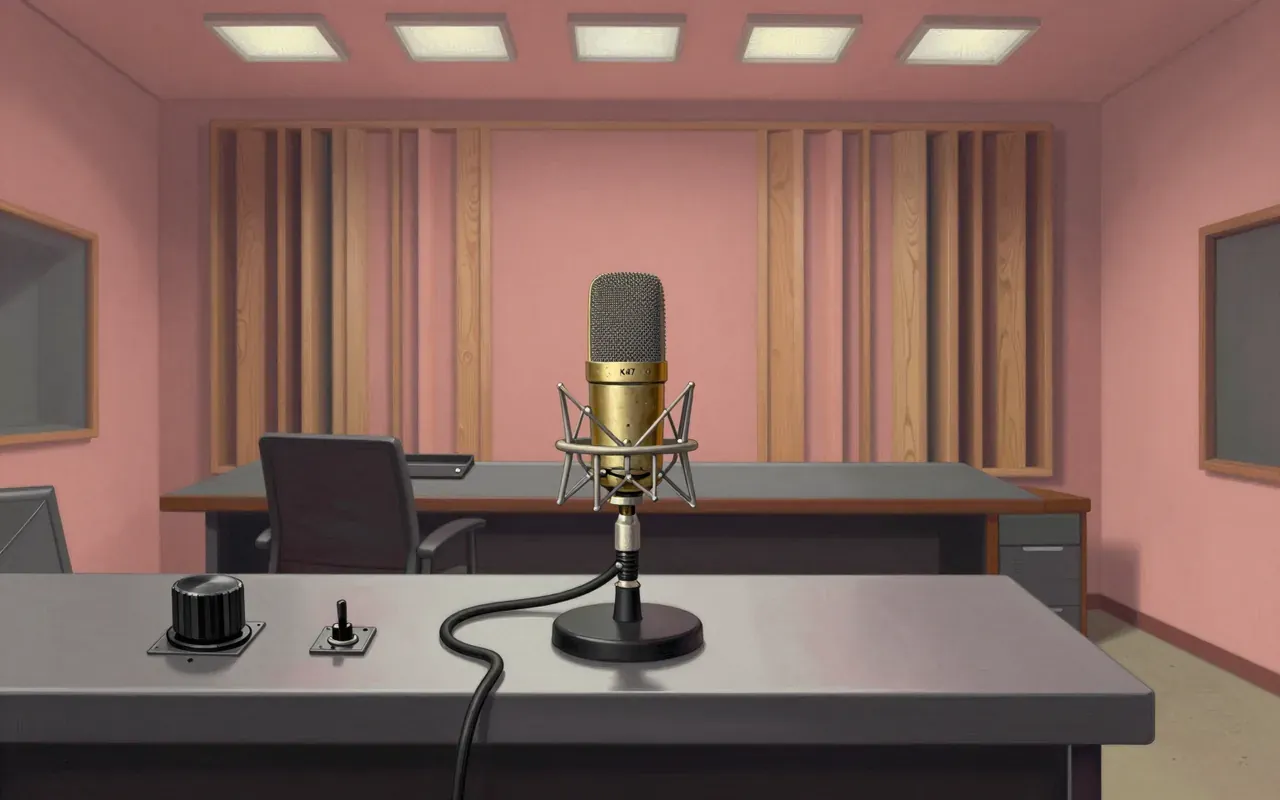
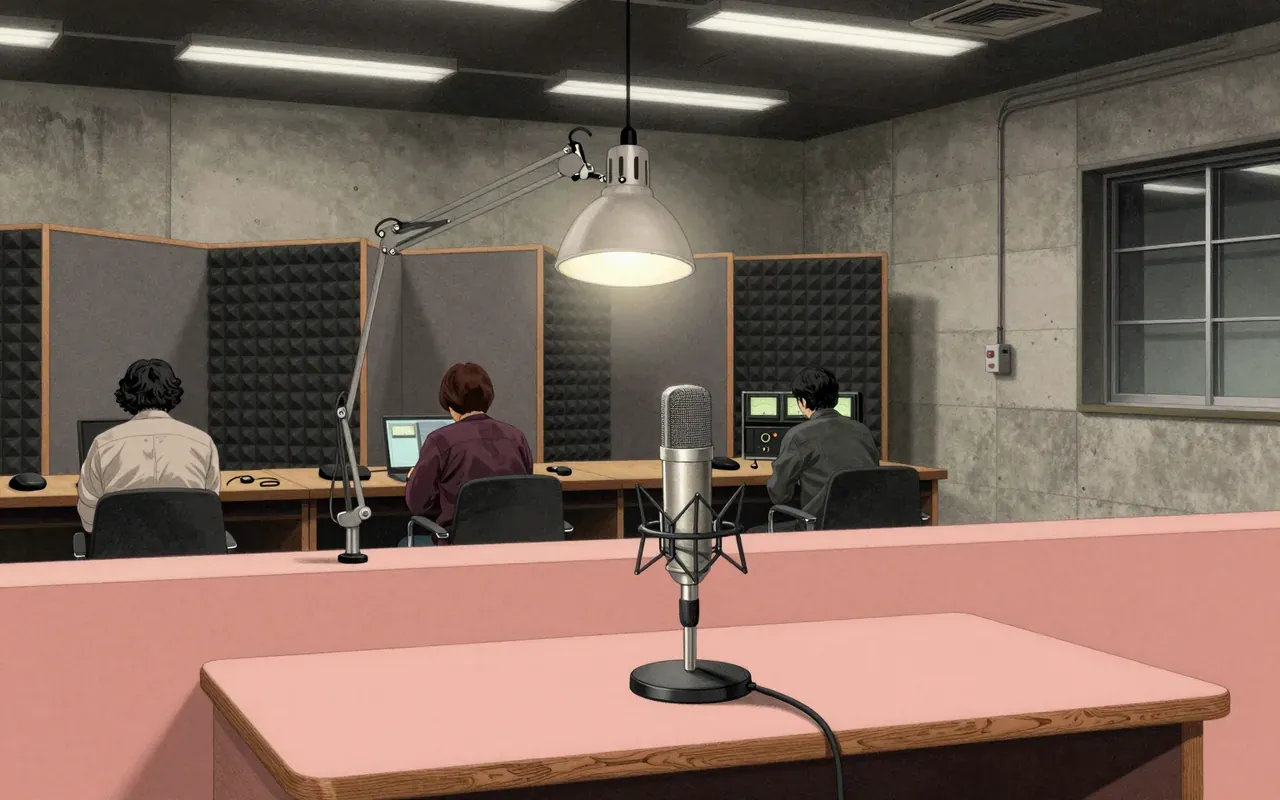
The U 47 didn’t define studio sound — it defined what a studio microphone had to be able to do.
The U 47 is a historically significant but operationally constrained microphone. Its innovation lies solely in being the first switchable-pattern condenser — a functional milestone, not a sonic benchmark. It demands specialist maintenance, offers no modern conveniences, and has no documented sonic signature beyond its era-specific implementation. It belongs in a museum or a dedicated vintage studio — not a general-purpose rig.
It is Neumann’s first post-war large-diaphragm condenser — built to re-establish professional recording capability in Germany.
2:45
How the switch works
Its tube circuit and polarization-voltage pattern switching were novel engineering choices, not refinements of existing designs.
4:56
Two capsules, two transformers
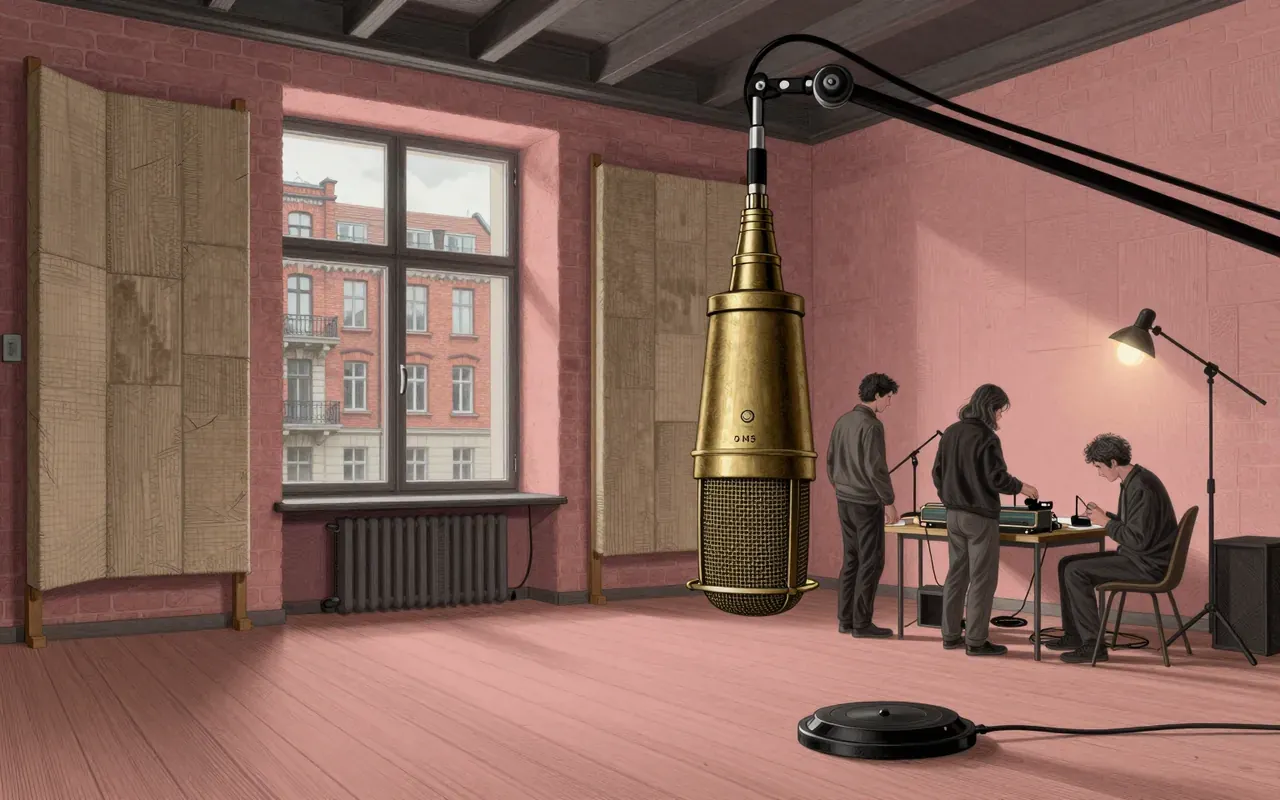
The M 7 to K 47 capsule change in 1958 and GN8 to GN8b transformer swap altered output and tonal response mid-production.
6:32
First of its kind
Pre-1950 units bear the Telefunken logo and were distributed by Telefunken — the U 47 was the first switchable-pattern condenser, full stop.
Worth your time?
No. The brief is enough.
2.5/ 5
What works
established the template for switchable-pattern large-diaphragm condensers
was the first switchable-pattern condenser microphone
What does not
define studio sound
Use it if
engineers restoring original Neumann infrastructure
historians replicating 1950s–60s German studio workflows
Skip it if
anyone needing reliability
anyone needing low noise
anyone needing pattern flexibility
The written brief1 min read
What it is and what it was built for
It is Neumann’s first post-war large-diaphragm condenser microphone. It was built to equip professional recording studios with a versatile, high-output vocal and instrument mic.
How it works, in terms a player would use
It uses a VF 14 M vacuum tube and GN8/BV8 transformer. Polar pattern switches between cardioid and omnidirectional by disabling polarization voltage to the rear of the diaphragm. Early units use the M 7 capsule; from 1958, the K 47 replaces it.
What it does better than anything else
It established the template for switchable-pattern large-diaphragm condensers. No earlier microphone offered selectable cardioid or omnidirectional response via polarization control.
What it does badly
It cannot handle modern signal chains without transformer saturation or tube bias drift. It offers only two polar patterns. Its reliance on the VF 14 M valve makes servicing difficult and costly.
What people made with it
The sources do not specify recordings, artists, genres, or sessions made with it.
Who should use it, and who should not
Only engineers maintaining vintage Neumann infrastructure or replicating 1950s–60s German studio workflows should use it. Anyone needing reliability, low noise, or pattern flexibility should not.
Is it worth your time
It is not worth your time unless you are restoring or operating original hardware in a period-accurate studio context. Its circuitry depends on discontinued components, and its switchable pattern design offers no modern flexibility.