Vintage
The past resold, with a story attached.
- 7
- in audio
- 9:55
- average
- 69 min
- in total
- 8
- across the network
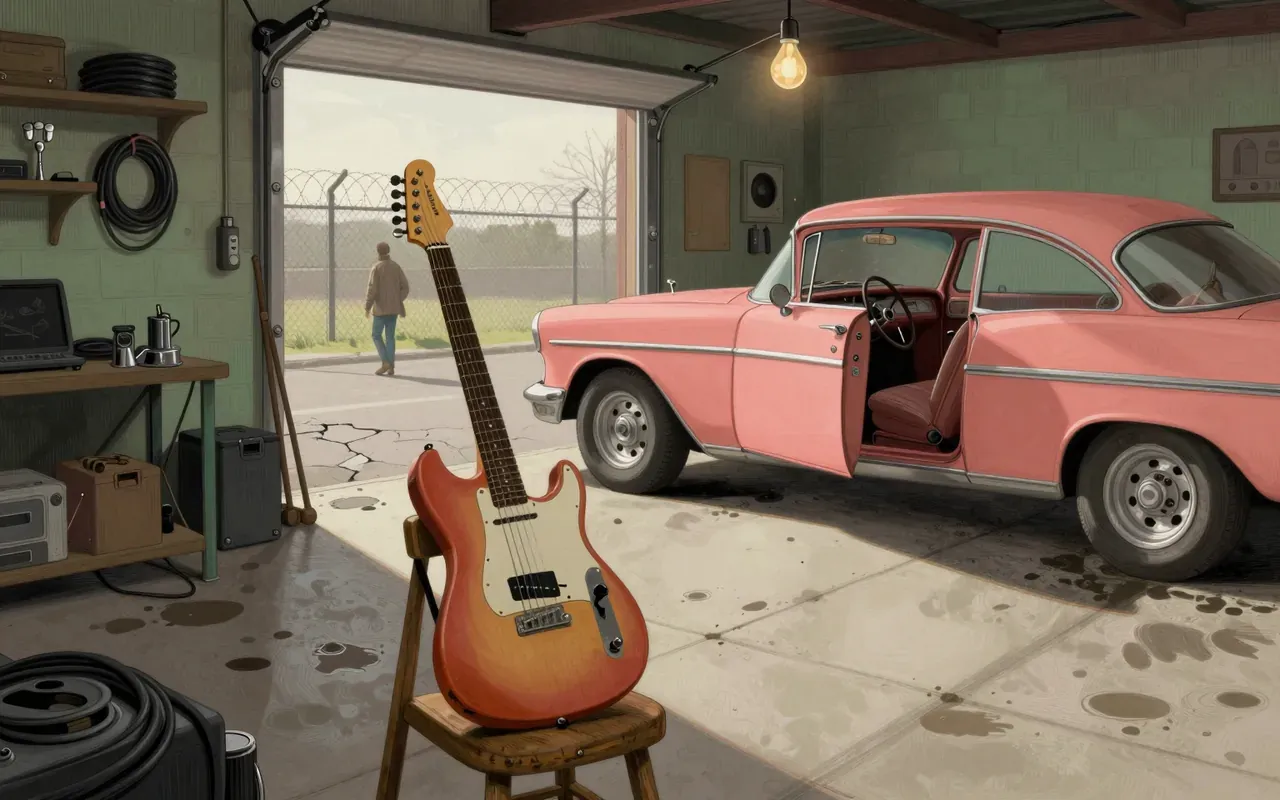
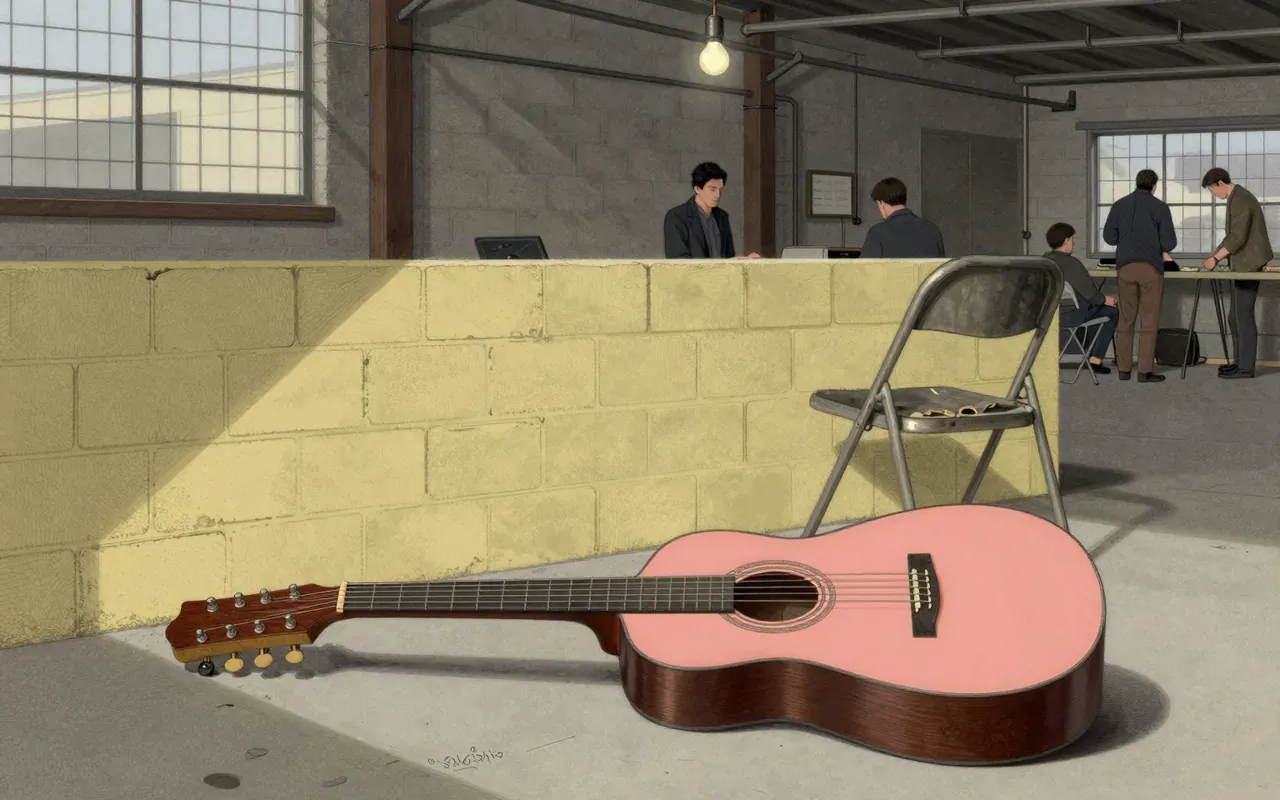
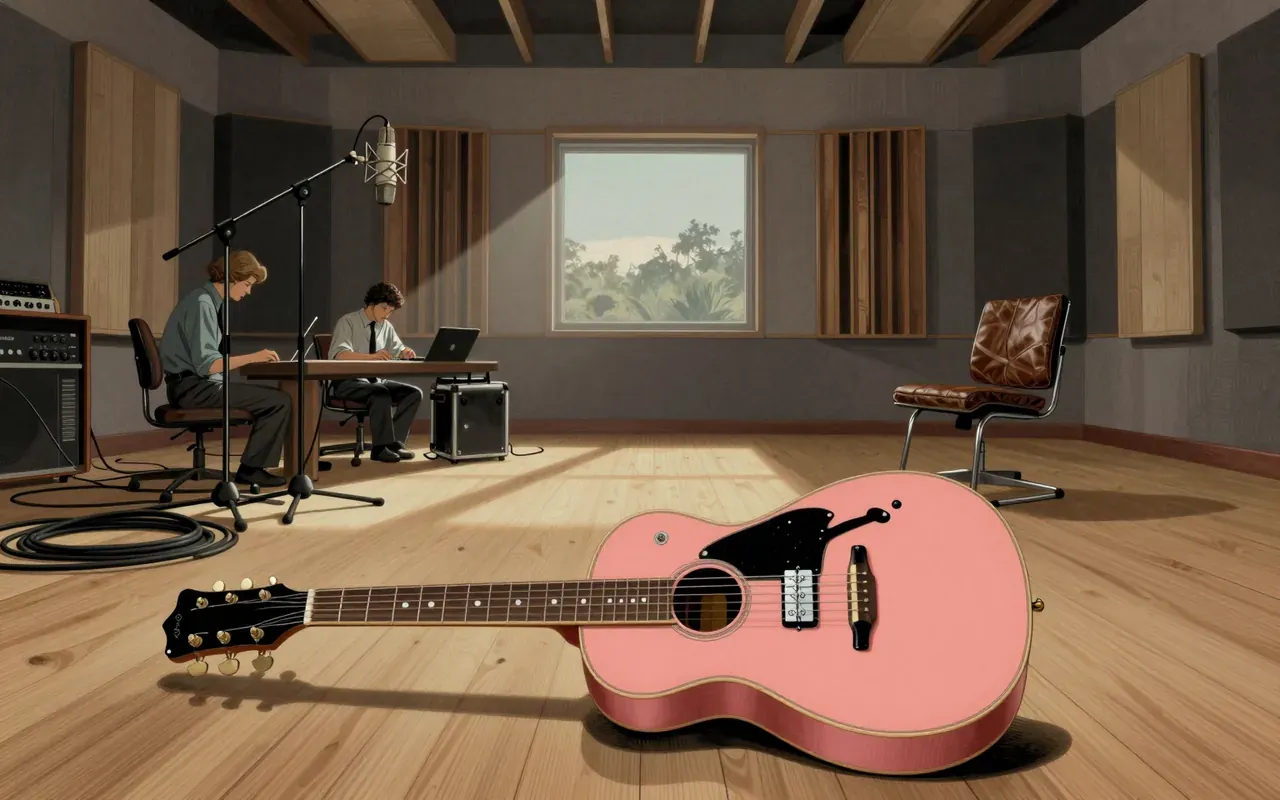
Fender Musicmaster
The Musicmaster is a no-frills, scaled-down electric guitar built for access—not expression. Its design sacrifices tonal depth and dynamic response for ease of use and production efficiency. It belongs in a practice room, not a stage rig.
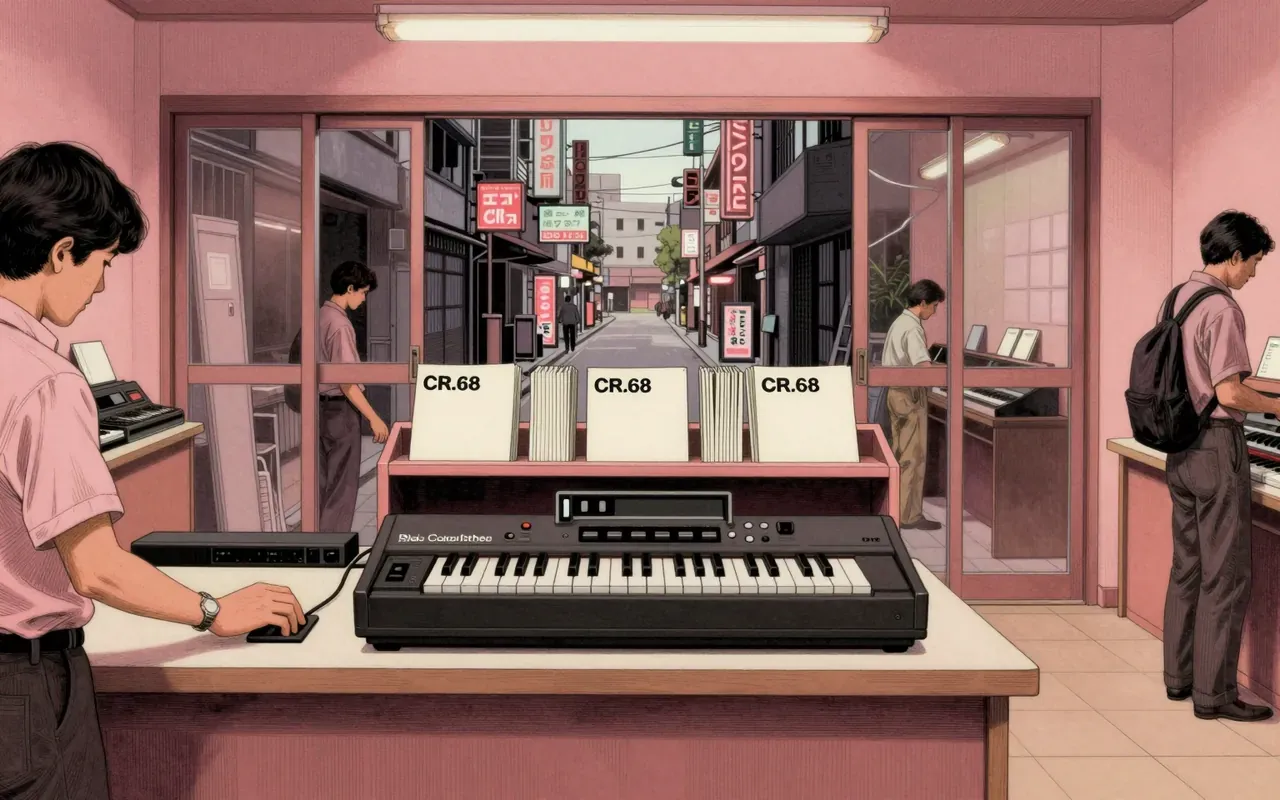
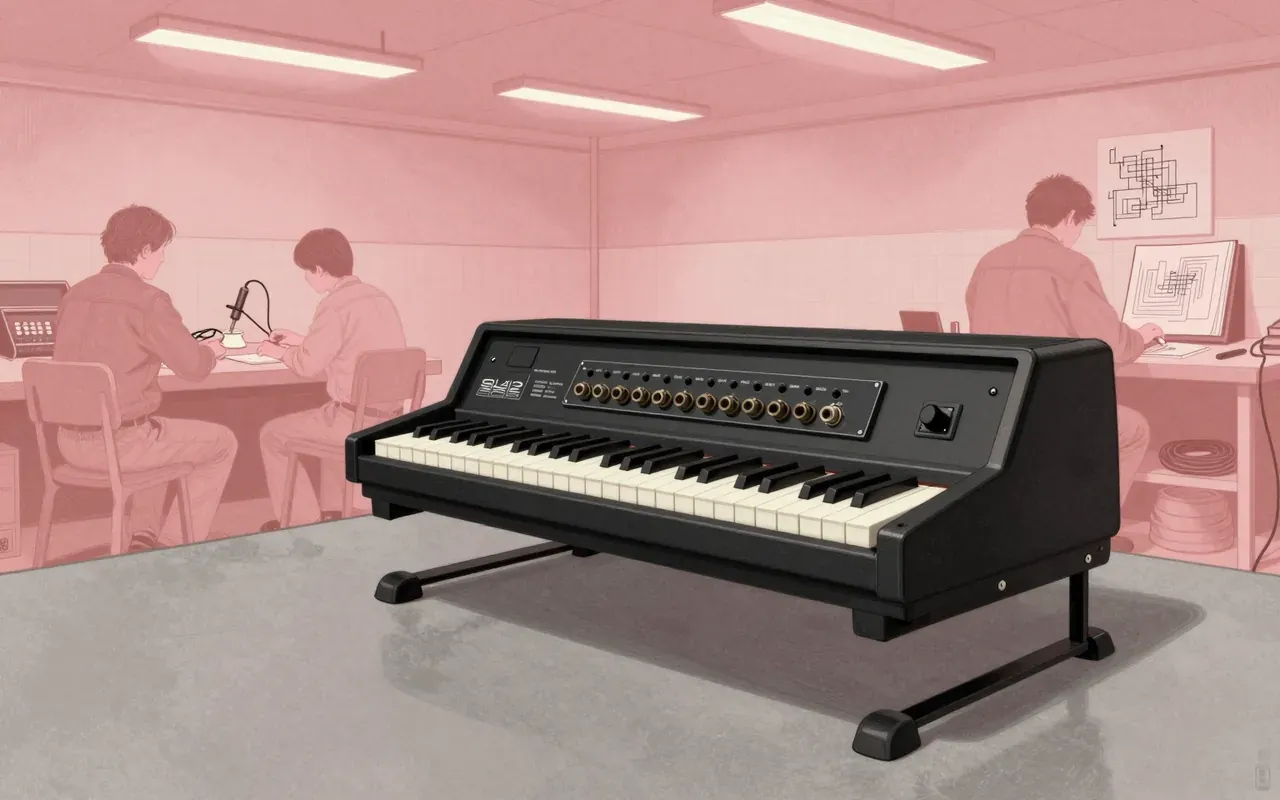
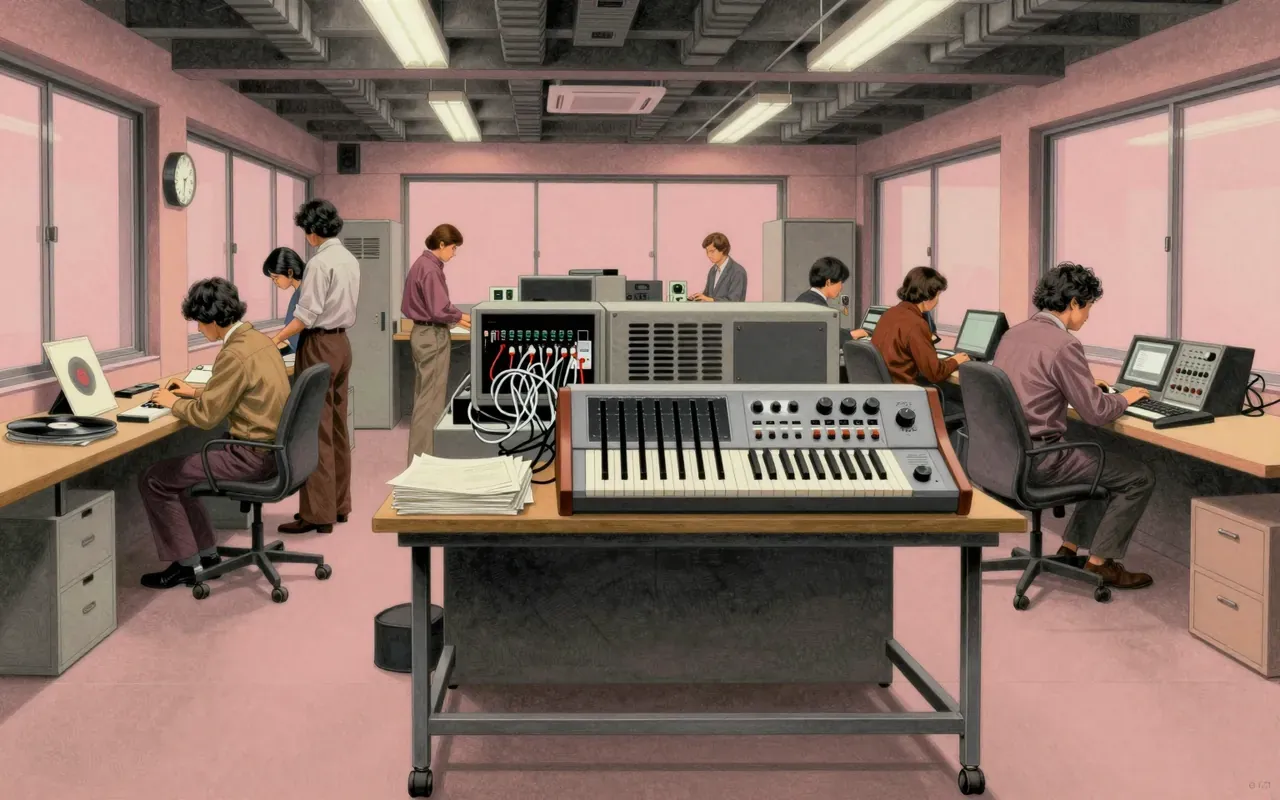
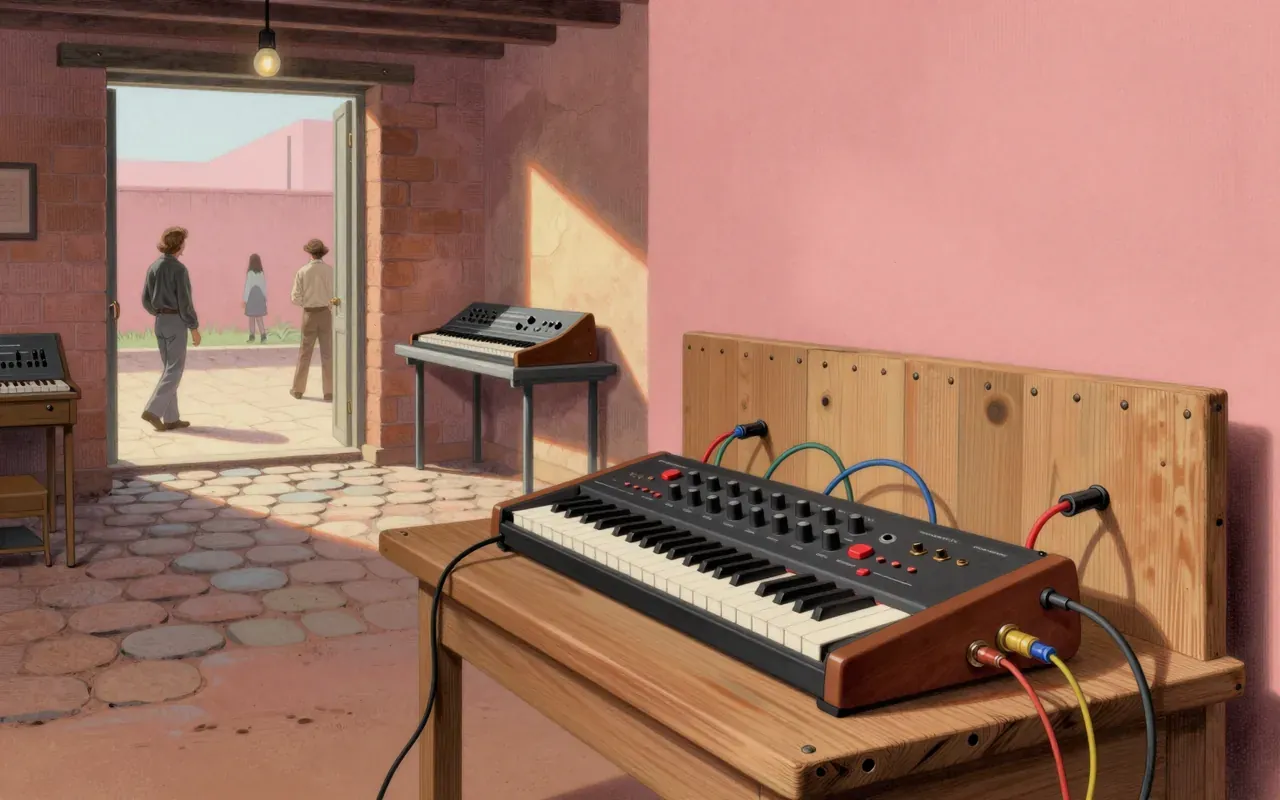
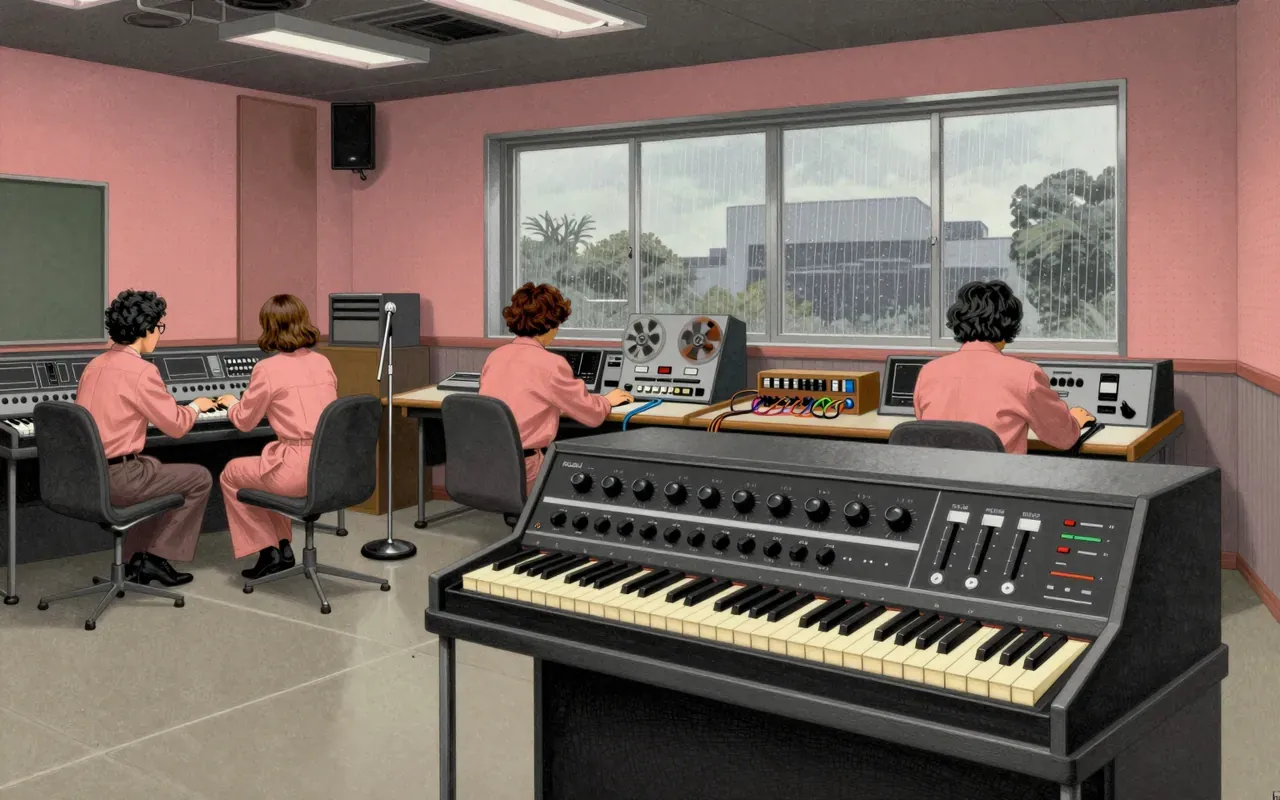
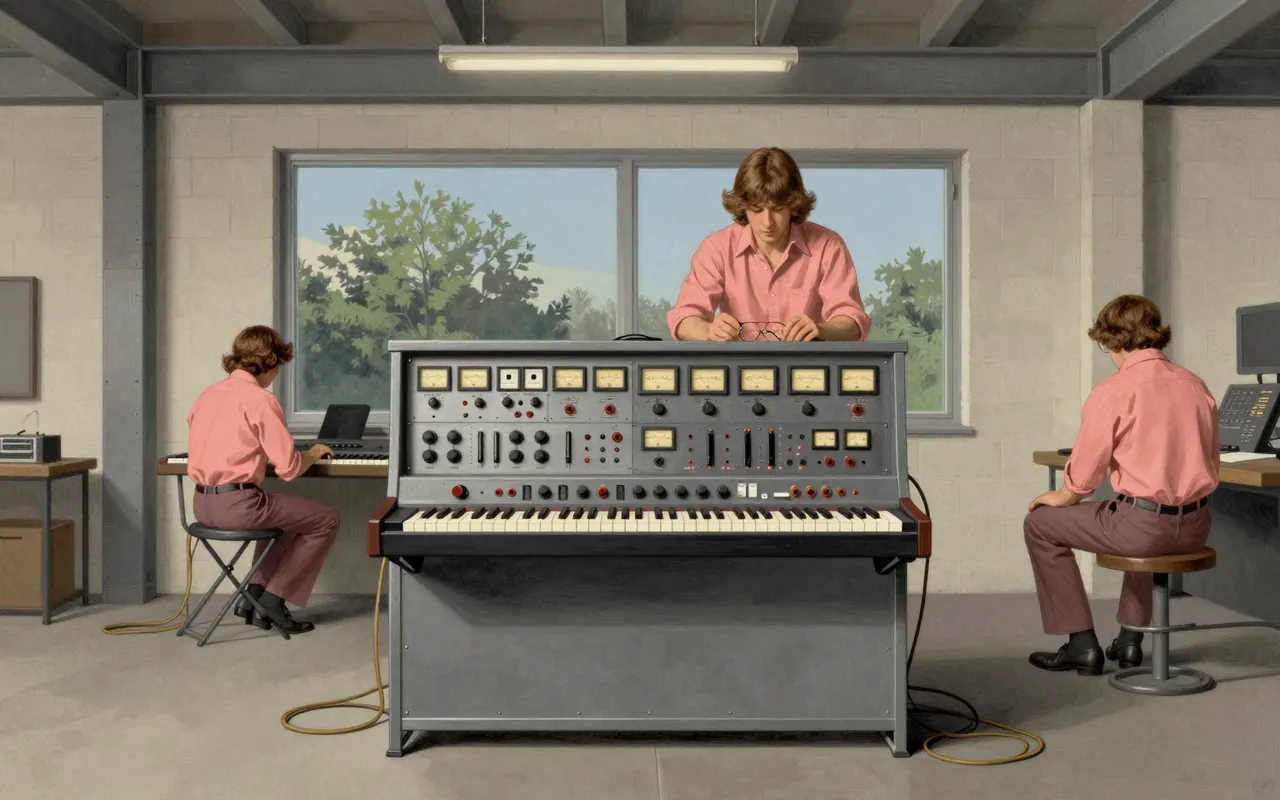
Oberheim OB-X
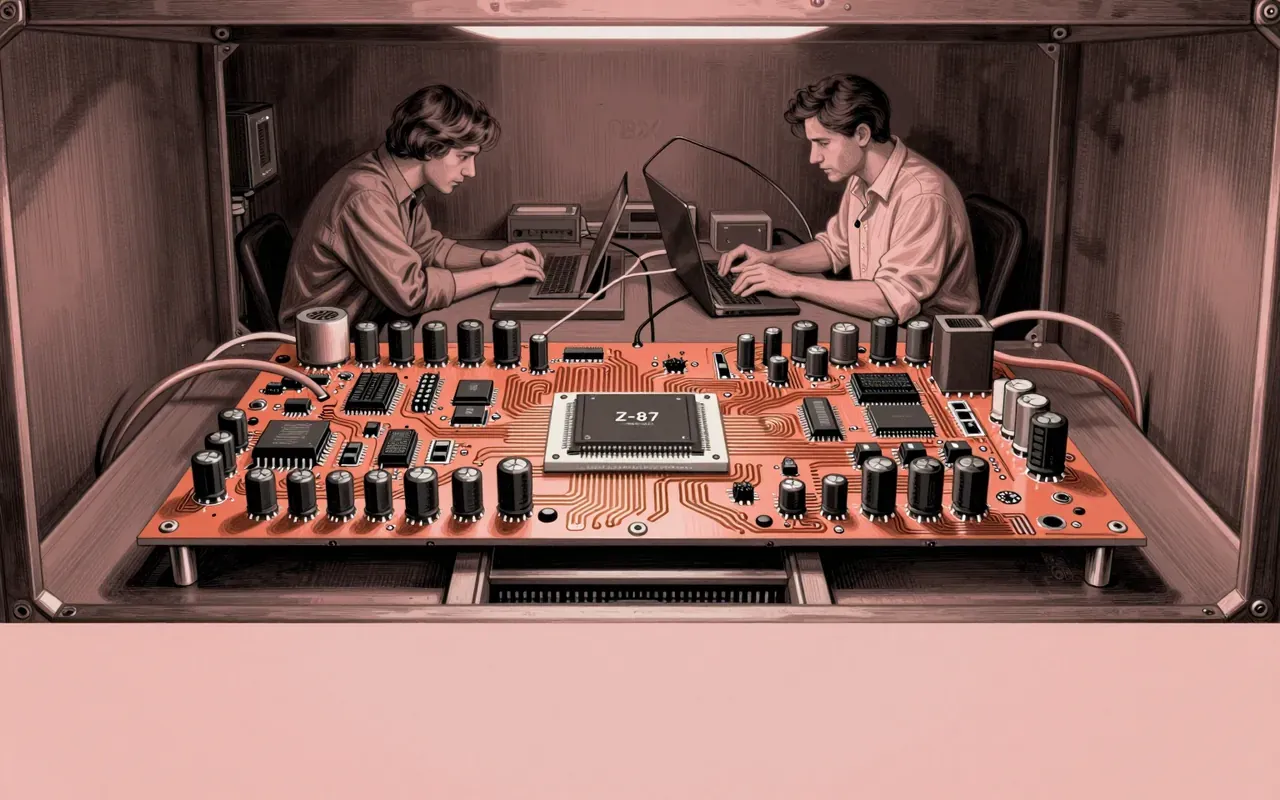
The OB-X was Oberheim’s first OB-series polyphonic analog subtractive synthesizer. Introduced in June 1979 to compete with the Prophet-5, it replaced modular SEM-based systems with a unified design built around interchangeable voice cards. It offered 4-, 6-, or 8-voice configurations, 32 user-programmable presets, and automated tuning via a Z-80 microprocessor. Its architecture prioritised stability and integration over flexibility or expressivity.

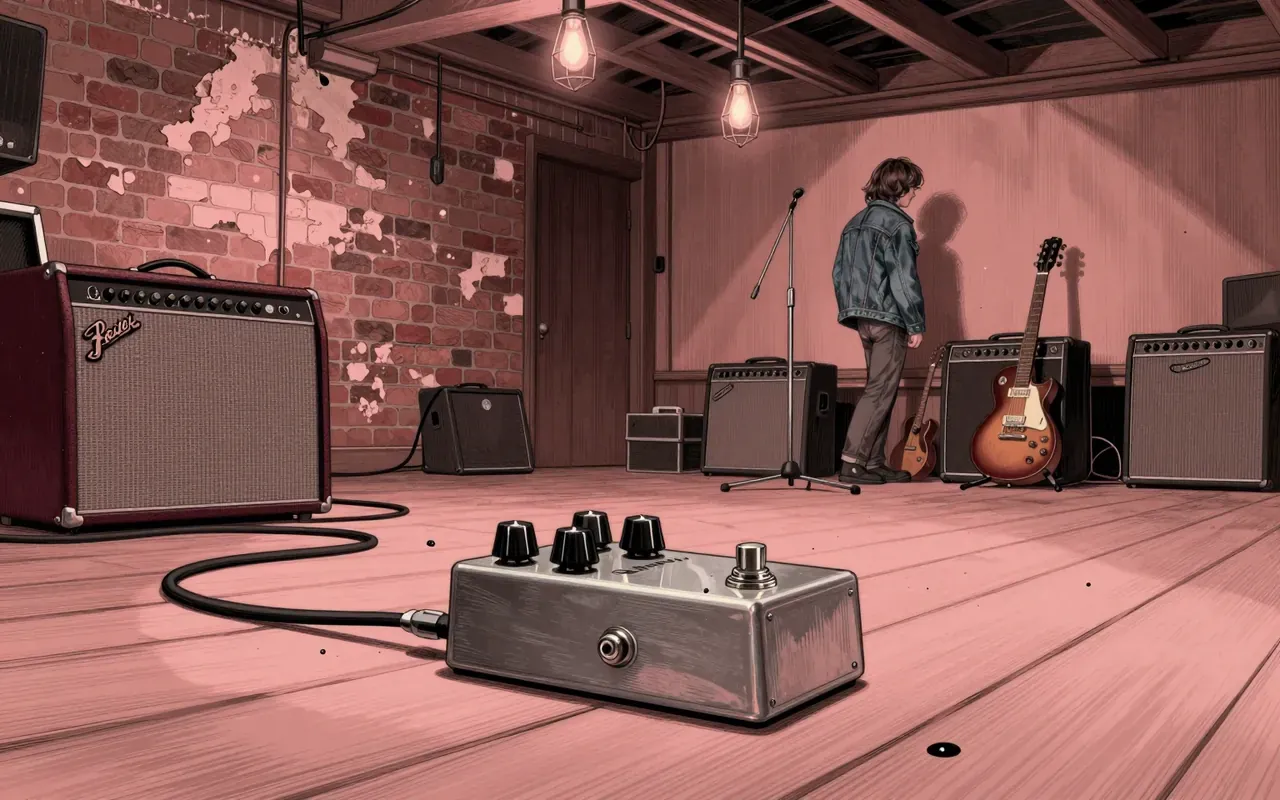
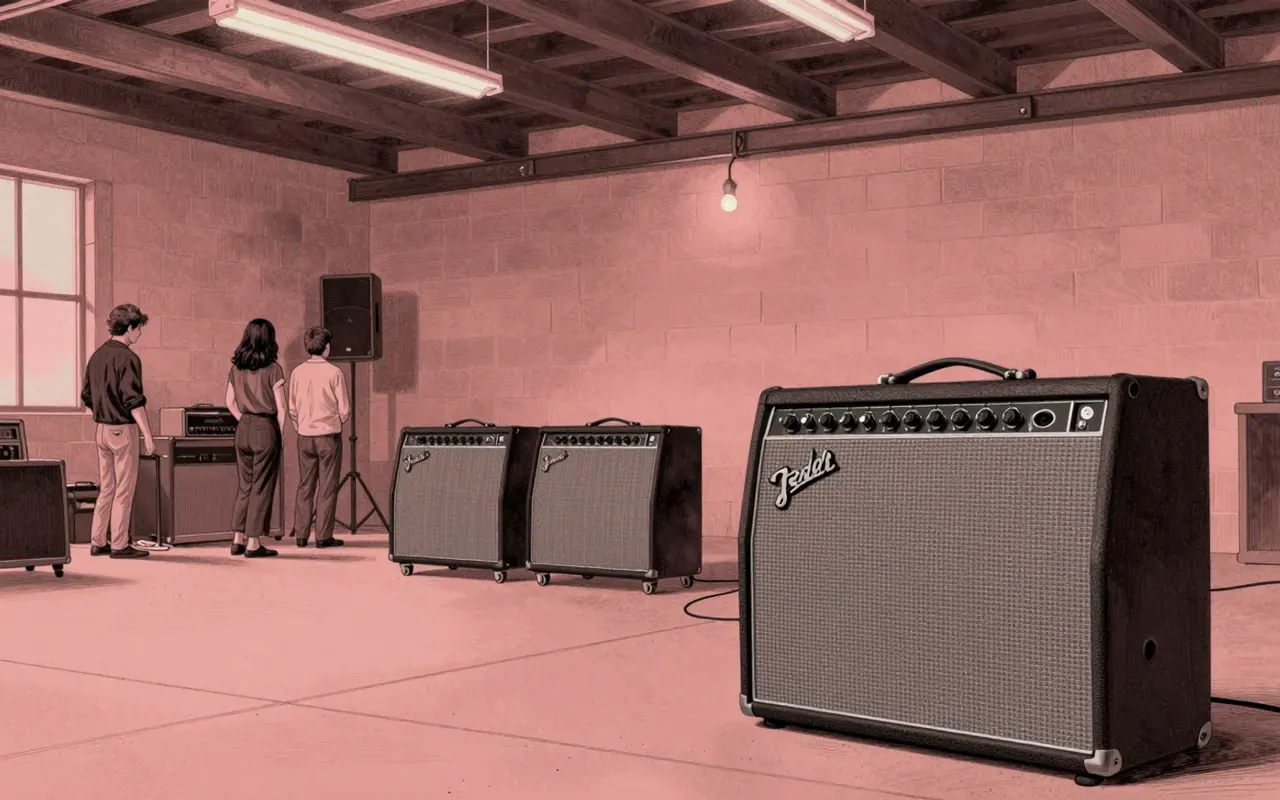
Fender Super Reverb
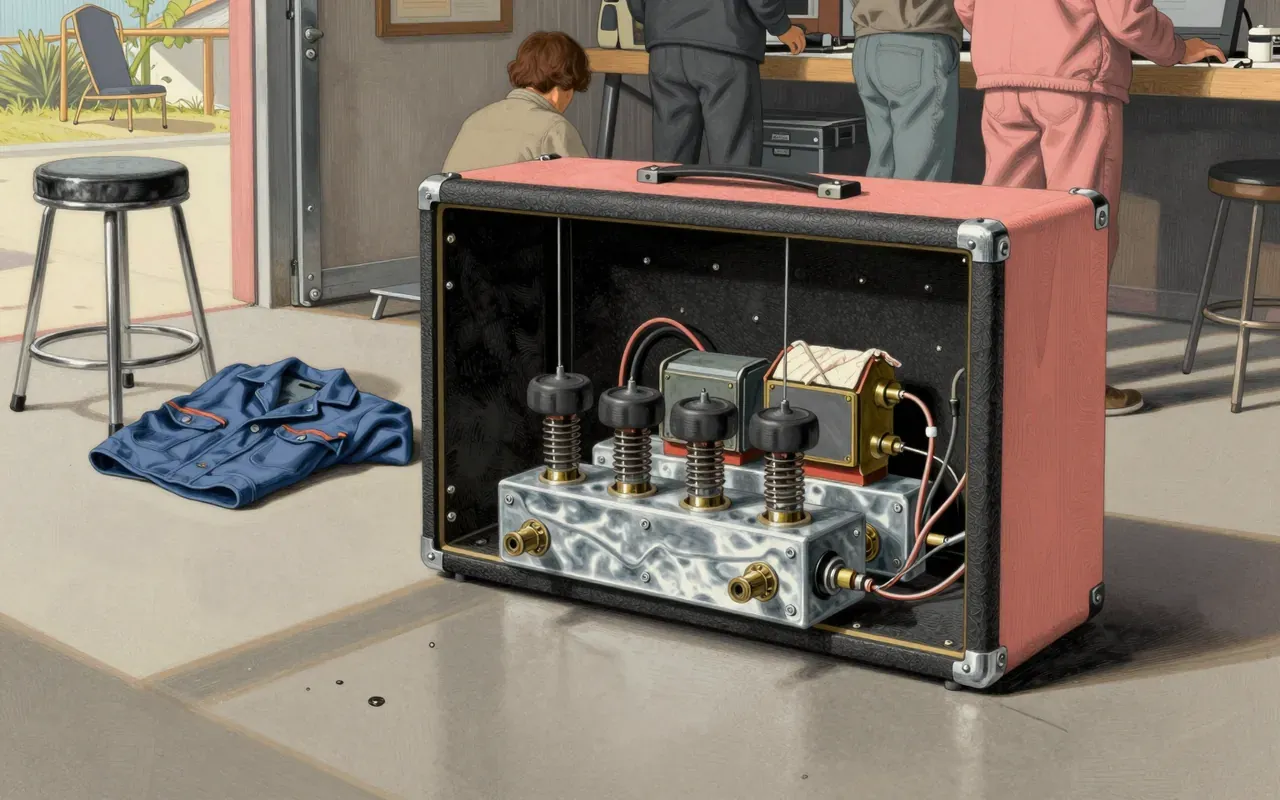
The Fender Super Reverb is a loud, physical, all-tube guitar amplifier with built-in spring reverb and tremolo — made from 1963 to 1982. Its blackface and silverface variants differ in circuit design, not just looks. It demands space and volume. It rewards touch. It does not apologise.
Dallas Rangemaster Treble Booster
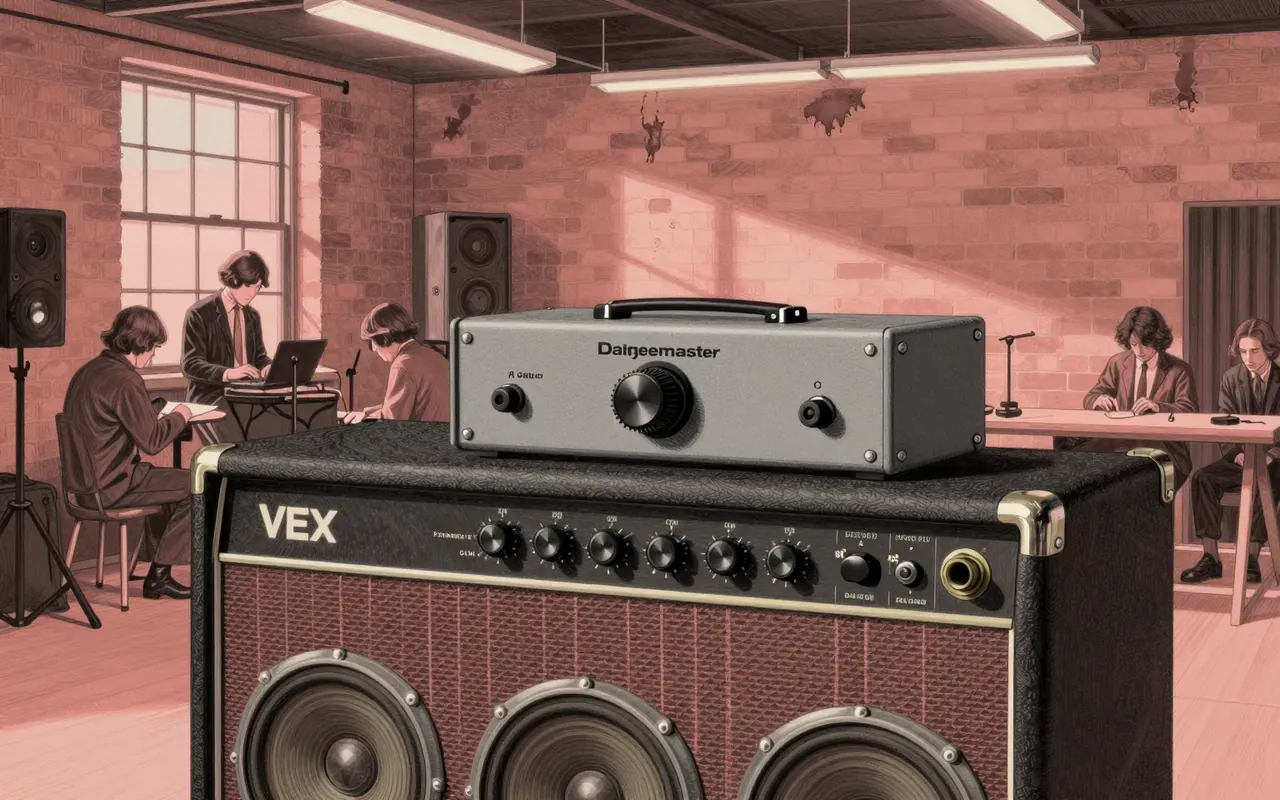
The Dallas Rangemaster Treble Booster is a 1965 desktop effects unit made for guitarists in the 1960s. Its function was two-fold: to increase the signal strength of the guitar going into the amplifier, and to increase tones at the high end of the spectrum (a treble booster). The need for a treble booster arose in the mid-1960s, as British tube amplifiers such as the Vox AC30 or Marshall JTM45 tended to produce a slightly dark, muddy sound when overdriven, particularly when used with humbucking pickups. A pre-amplifier that also boosted treble proved a solution. Additionally, the vintage components in the Rangemaster circuitry could add characteristic distortion and overtones to color the guitar sound, much in the way of the more modern overdrive pedals. The Rangemaster Treble Booster was first made in the 1965 by London company Dallas Musical Ltd., incorporated in 1959. The unit is simple and consists of a grey folded metal casing with an on/off switch, a potentiometer controlling the boost setting, and in- and output jacks. It was designed to sit on top of an amplifier rather than on the floor, where most effects units live.
Neumann U 47
The U 47 is a historically significant but operationally constrained microphone. Its innovation lies solely in being the first switchable-pattern condenser — a functional milestone, not a sonic benchmark. It demands specialist maintenance, offers no modern conveniences, and has no documented sonic signature beyond its era-specific implementation. It belongs in a museum or a dedicated vintage studio — not a general-purpose rig.
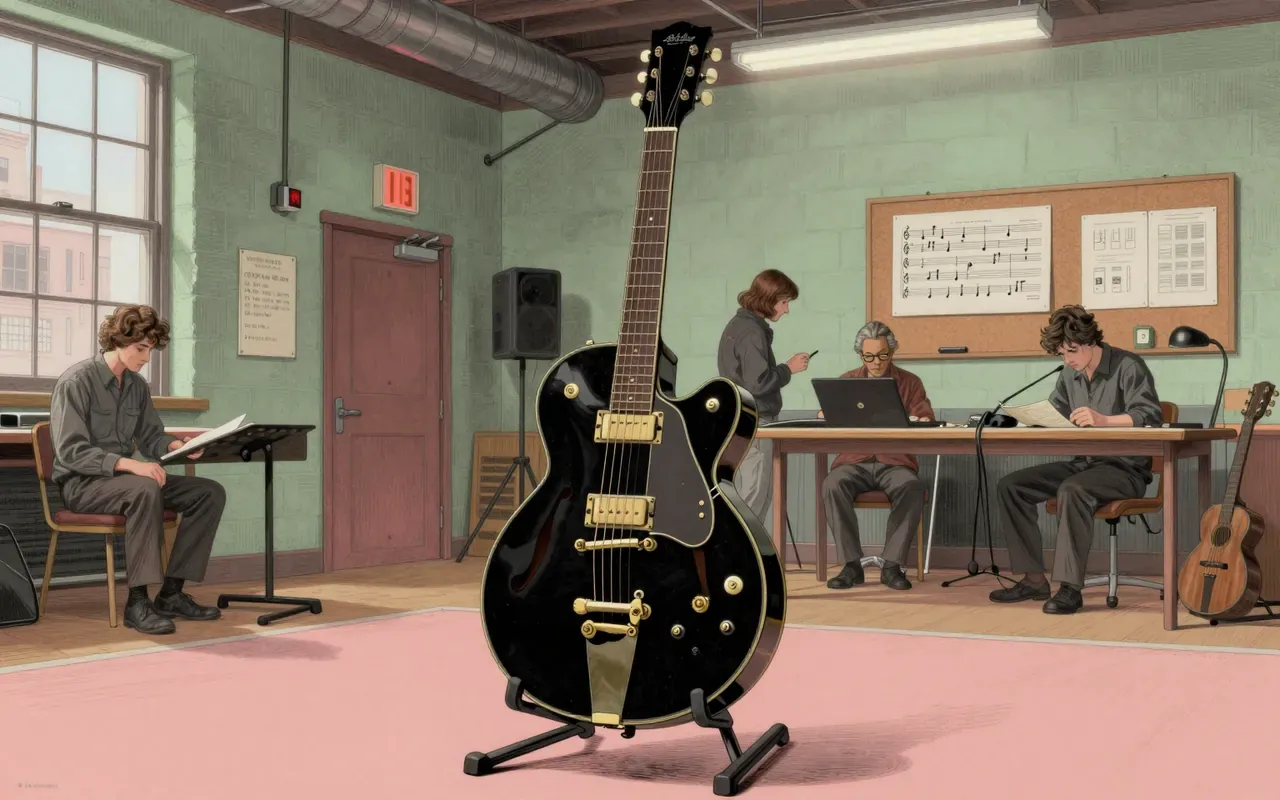
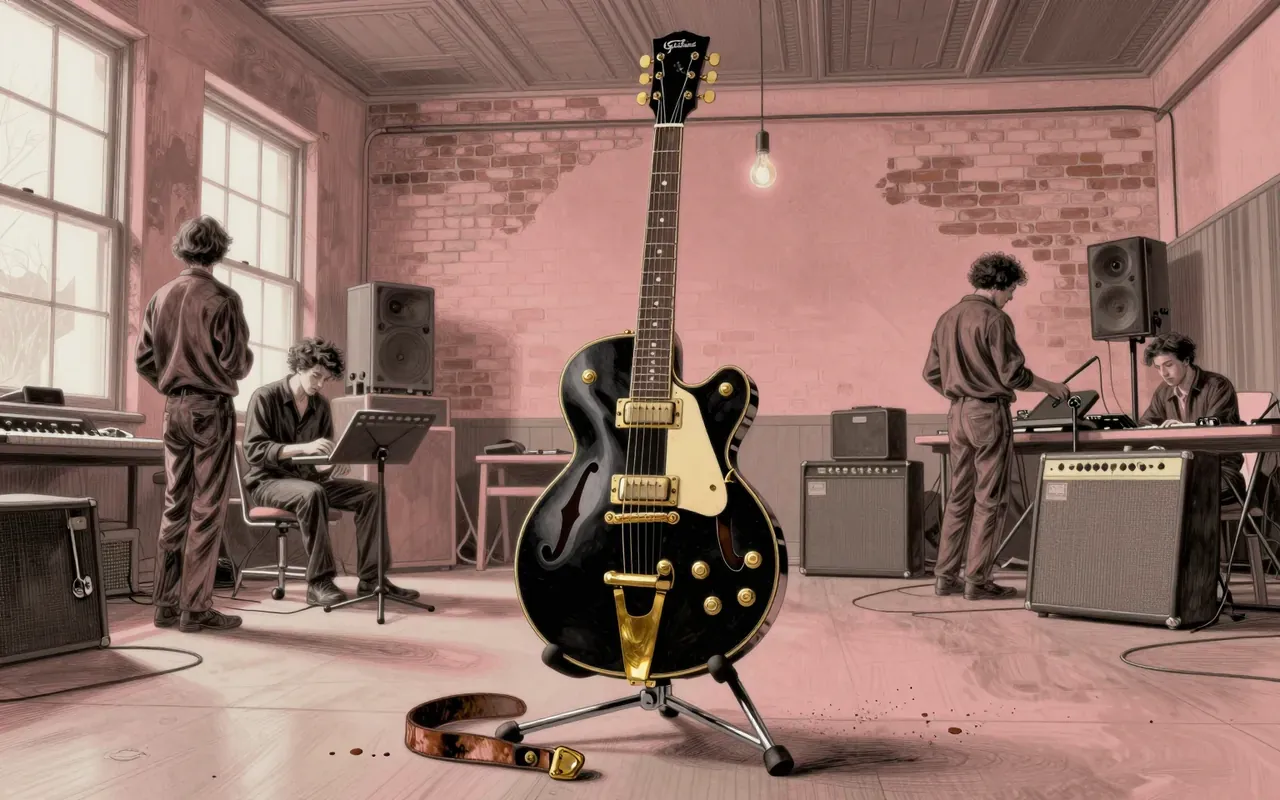
Gretsch White Falcon
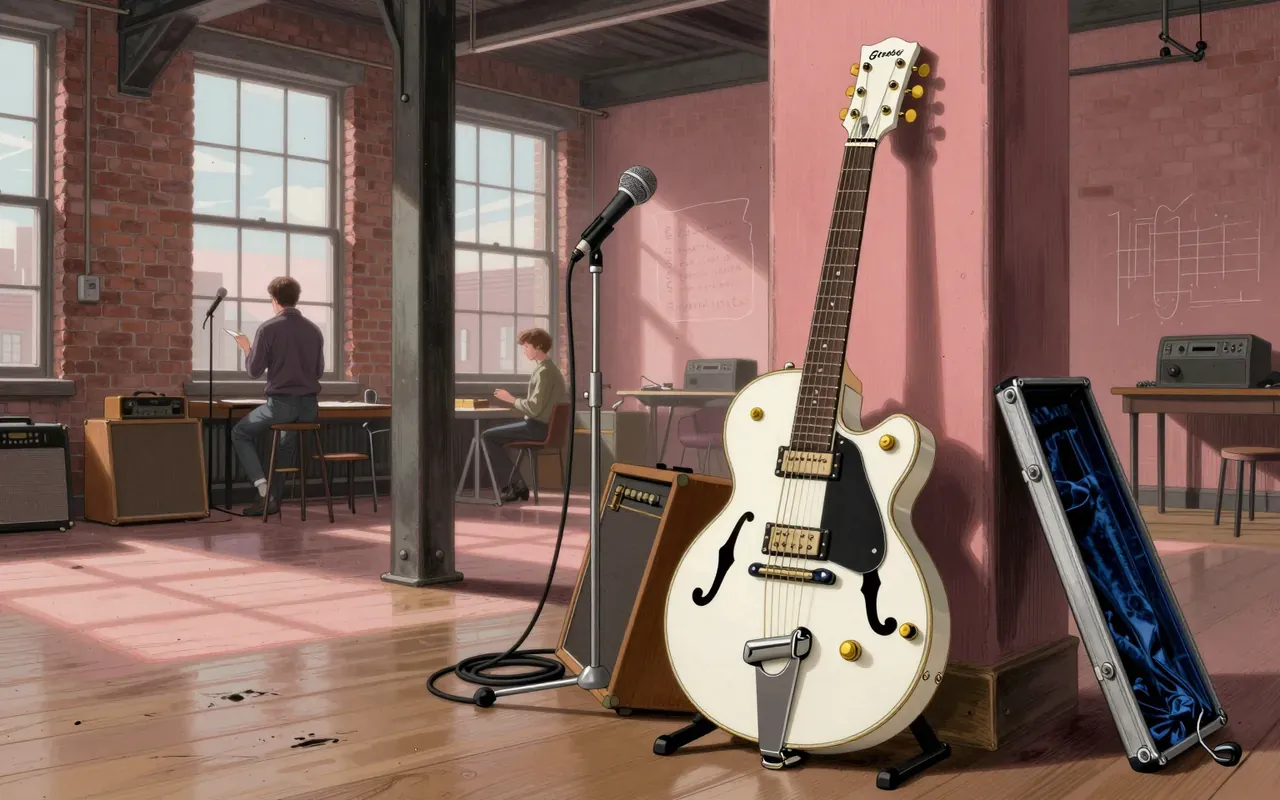
The Gretsch White Falcon is an electric hollow-body guitar introduced in 1954 as a non-commercial showpiece for the NAMM Convention. It was conceived by Jimmie Webster as an improvement over the Gibson Super 400. Strong demand led to rushed production beginning in 1955 under model number 6136. Gretsch marketed it as 'the finest guitar we know how to make – and what a beauty!' and priced it at $600 — second only to Gibson's Super 400CESN. Its finish design drew from Gretsch drum finishes and American car aesthetics of the era.