audiobriefs
9:12in productionCh. 1 · Where it sits/ 9:12 · ceiling 15 min
Effects & pedals · Guitars & amps

List of distortion pedals

Distortion pedals don’t shape tone—they weaponise clipping, and nothing else.

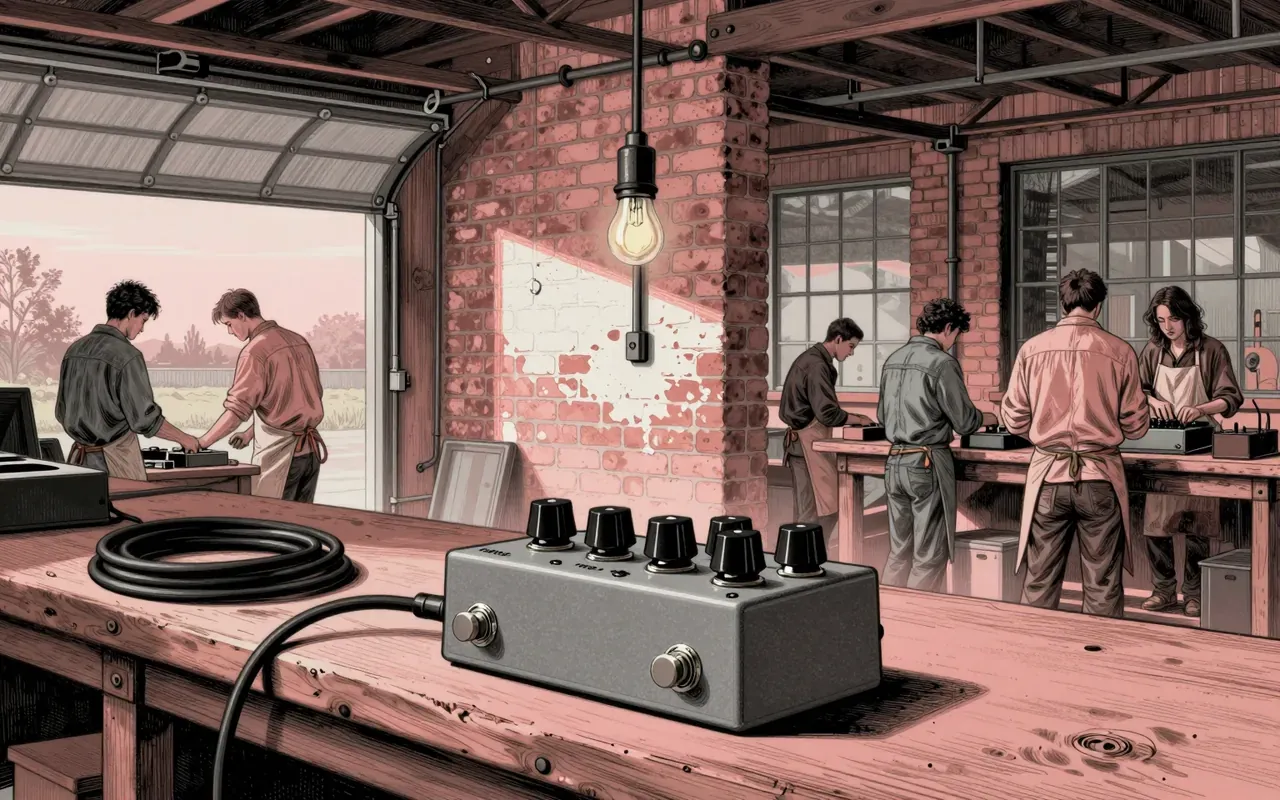
Distortion pedals are foot-operated clipping devices for guitar and bass. They are not amplifiers, not processors, not tone-shapers—just signal clippers. Their value lies in repeatability, placement, and type: fuzz, distortion, or overdrive. Nothing more.

Chapters & takeaways4
  1. 0:47
    Where it sits

    They live between guitar and amp—and nowhere else.

  2. 1:58
    How it clips

    Fuzz, distortion, and overdrive are defined by how they clip—not how loud or bright they sound.

  3. 3:36
    How it spread

    One song, one pedal, one riff—and distortion went from studio trick to stage essential.

  4. 5:26
    Why it stuck

    The Rat and Tube Screamer aren’t vintage curios—they’re still in daily use because they clip reliably, not beautifully.

Worth your time?

Yes. Use the whole thing.

4.5/ 5
What works
  • consistent clipping on demand
  • immediate signal-chain integration
  • genre-flexible grit when placed pre-amp
What does not
  • replace amp distortion
  • offer EQ beyond basic tone controls
  • interface with non-string instruments out of the box
Use it if
  • electric guitarists
  • bass players
  • live performers needing foot-switchable grit
Skip it if
  • synth-only players
  • vocalists using direct DI
  • studio engineers working exclusively in-the-box
The written brief1 min read

What it is and what it was built for

A foot-operated effects unit for electric guitar and bass. Built to add distortion by manipulating audio signal clipping.

How it works, in terms a player would use

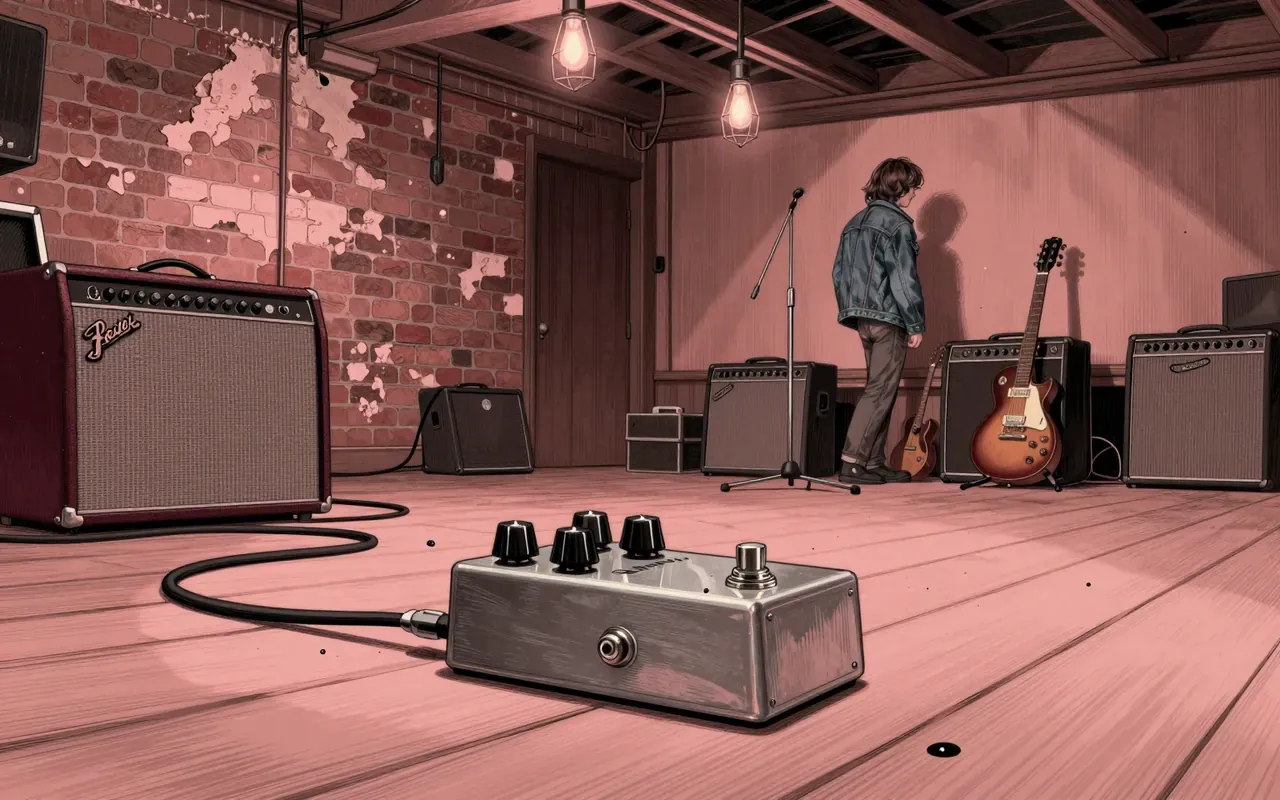
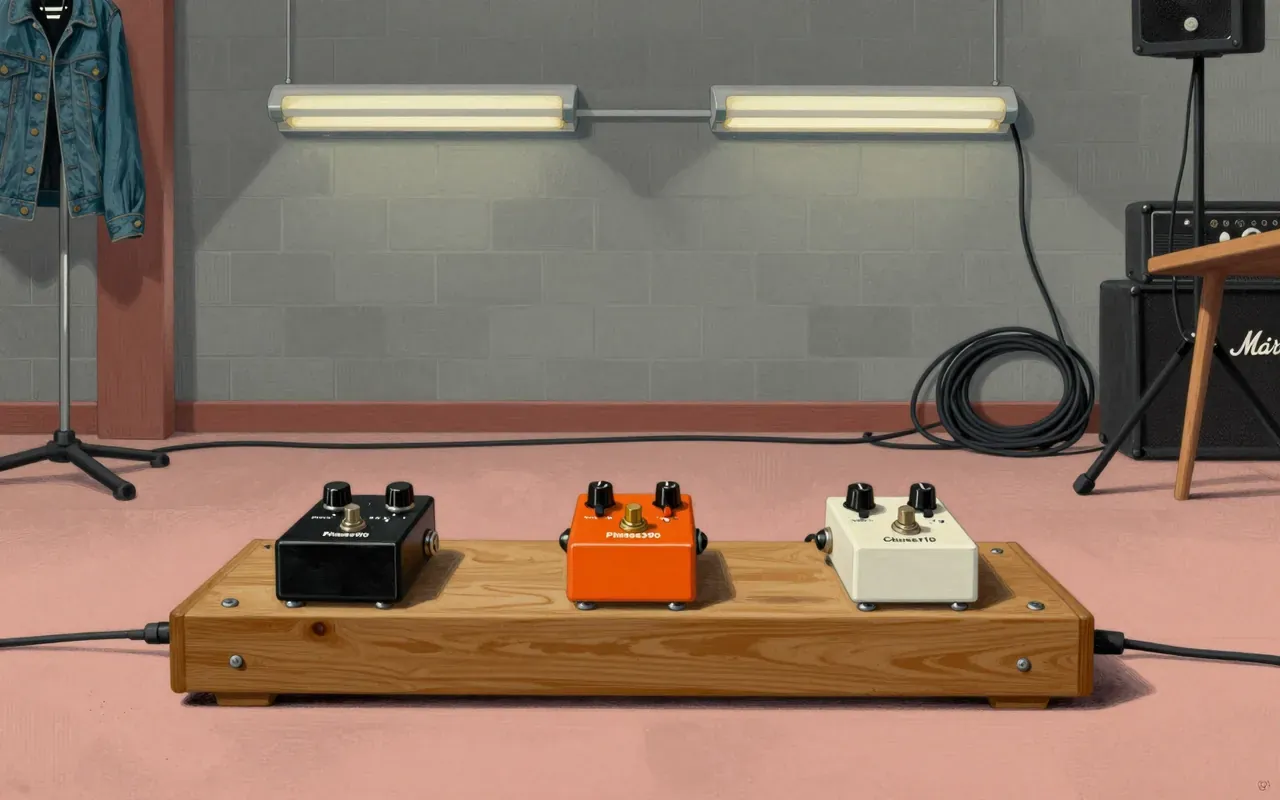
Distortion pedals sit between guitar and amplifier. They clip the audio signal to create warm, gritty, or fuzzy tones. Their circuit design determines whether they fall into fuzz, distortion, or overdrive categories.

What it does better than anything else

They deliver consistent, foot-switchable clipping at instrument level. They let players dial in warm, gritty, or fuzzy character on demand—without cranking an amp.

What it does badly

They do not replace amp distortion. They cannot replicate dynamic response of tube power sections. They offer no built-in EQ shaping beyond basic tone controls—none are mentioned in the source material.

What people made with it

Keith Richards used the Maestro FZ-1 Fuzz-Tone on ‘(I Can’t Get No) Satisfaction’ in 1965. The Pro Co Rat and Ibanez Tube Screamer became foundational to many guitarists’ tonal palettes.

Who should use it, and who should not

Electric guitarists and bassists who want immediate, repeatable clipping before the amp. Not for players who rely solely on amp modelling, DI recording without pedals, or non-string instruments.

Is it worth your time

Yes—if you play electric guitar or bass and need controlled clipping in your signal chain. No—if you work exclusively with synths, vocals, or digital instruments that don’t interface with pedal-level analog gain staging.
Same bench · Effects & pedals4 of 121
Up next in Audio

Marshall Silver Jubilee 2555

Marshall · 8:56

It is not an amp. It is a plugin that says 'Marshall Silver Jubilee 2555' — and nothing else.

8:56