audiobriefs
Topic

Drum machines

The rhythm boxes that were commercial failures and then genres.

9
in audio
8:53
average
80 min
in total
17
across the network
Drum machines across the network →
All briefs9
video still
8:47

Roland CR-78

Roland

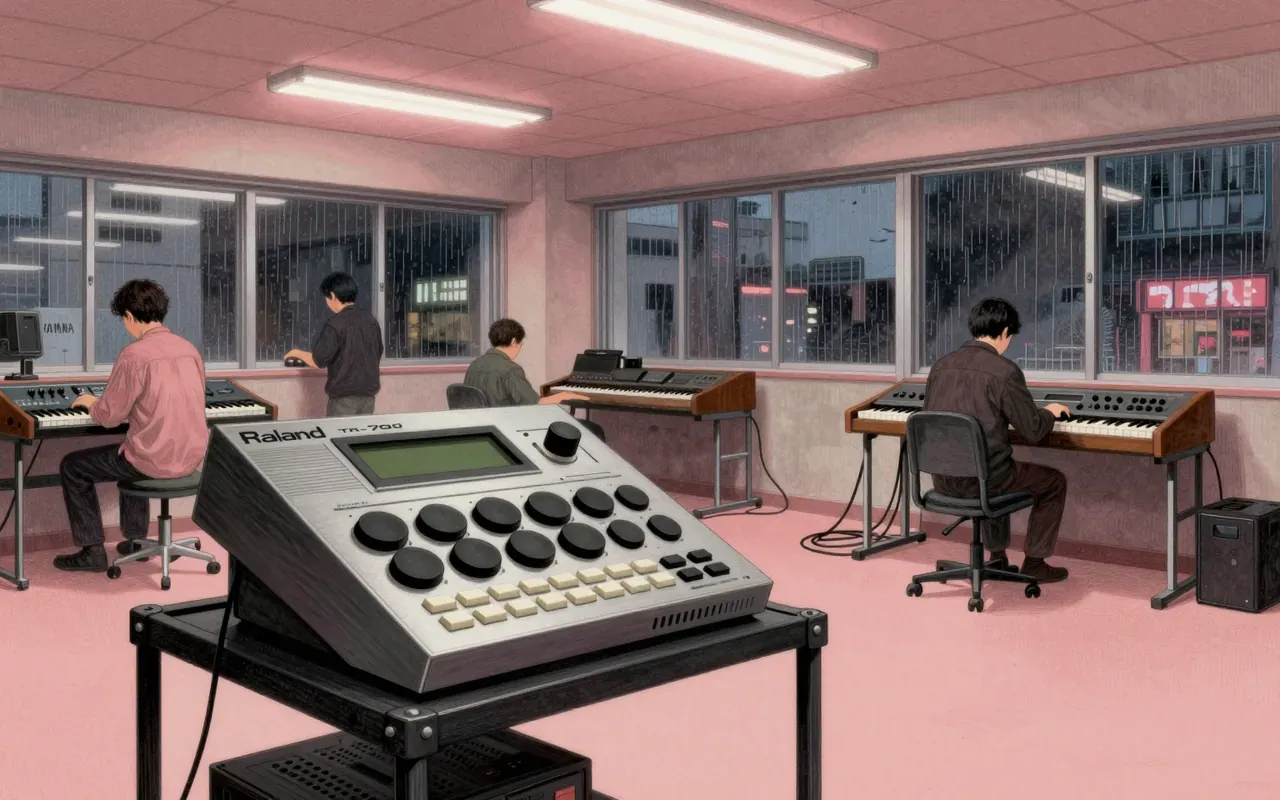
The CR-78 is historically singular: the first microprocessor-based drum machine and the first to allow user-programmable pattern creation. Its analog synthesis yields 14 fixed drum sounds. Its four-note polyphony defines its rhythmic ceiling. It does not offer sound editing, velocity layers, or sample playback. It belongs in rooms where constraint is compositional strategy—not a flaw to be patched.

video still
9:08

Oberheim DMX

Oberheim

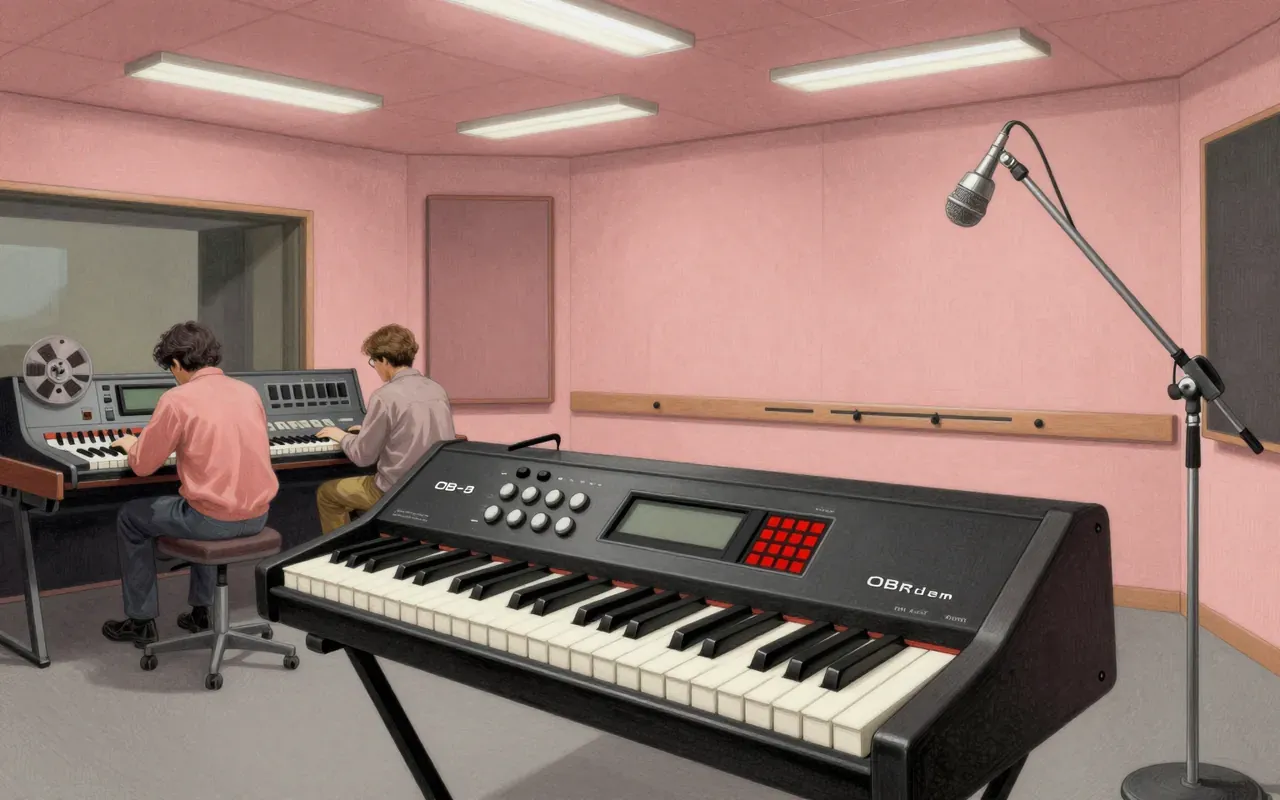
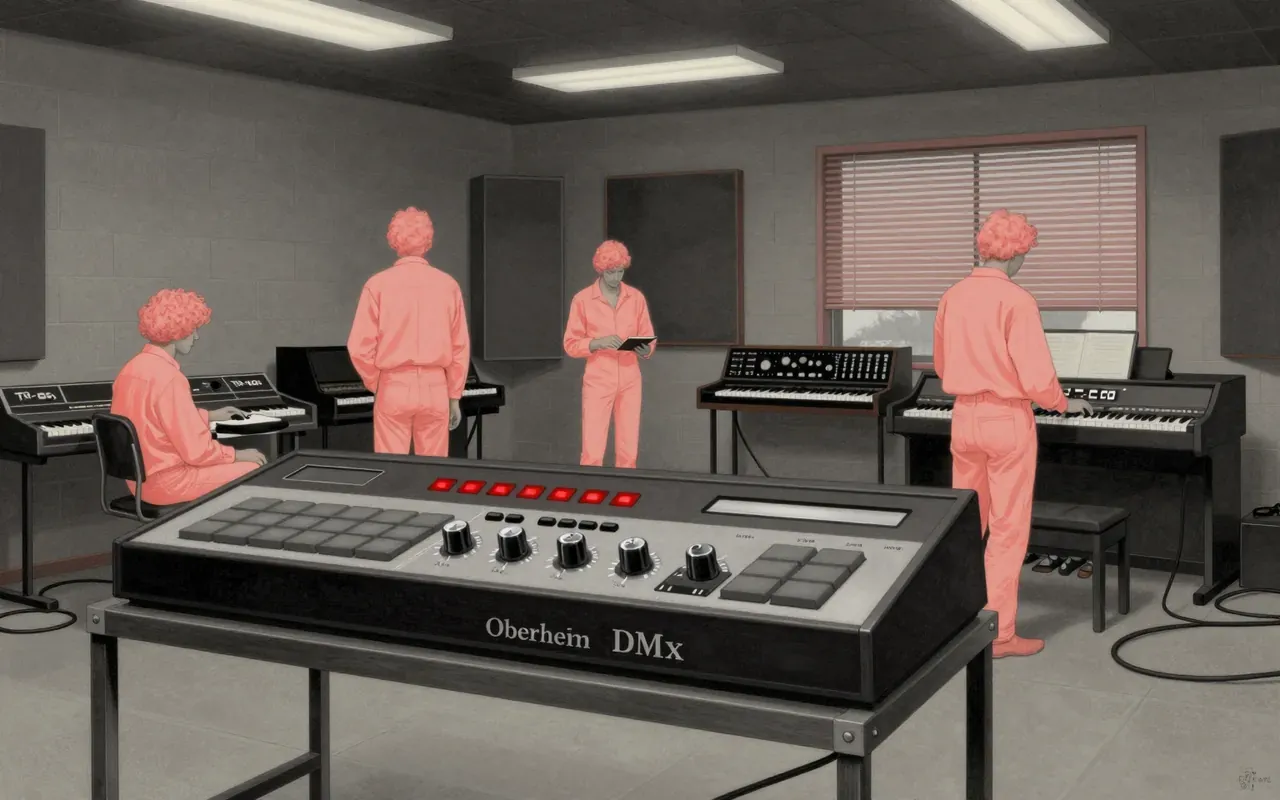
The Oberheim DMX is a programmable digital drum machine introduced in 1980. It was the second commercially sold digital drum machine after the Linn LM-1. It used sampled sounds of real drums stored in EPROM chips on removable voice cards. It offered 24 drum sounds derived from 11 original samples and supported up to 8-voice polyphony. It included humanizing features like rolls, flams, and timing variations. It was designed to interface with the OB-Xa synthesizer via the Oberheim Serial Buss and marketed as part of 'The System' alongside the DSX sequencer and OB-Xa or OB-8. It was widely used in 1980s new wave, synth-pop, and hip hop recordings.

video still
8:50

Linn LM-1

Linn Electronics

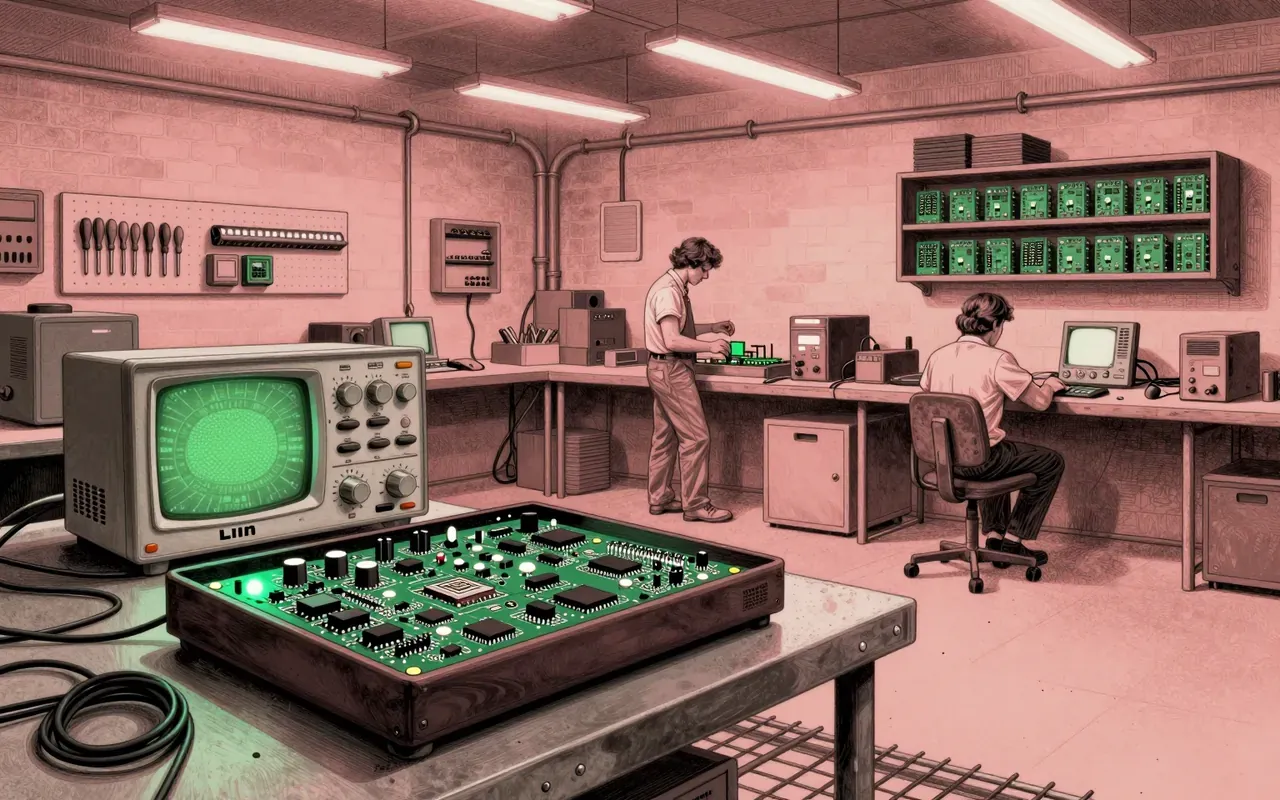
The Linn LM-1 is the first programmable drum machine to use digital samples of acoustic drums. Released in 1980, it replaced preset patterns with human-performed, non-degrading sounds. Its quantization enforced perfect sixteenth-note timing. It offered twelve fixed samples—mostly played by Art Wood—with handclaps by Tom Petty and the Heartbreakers. It had no synthesis, no editing, no velocity response, and no visual feedback beyond LEDs. It helped establish drum machines as credible tools in popular music.

video still
9:14

Akai MPC

Akai · 1988

The MPC60 redefined beat-making by collapsing sampling, sequencing, and performance into one hardware instrument. Its strength is immediacy. Its weakness is inflexibility.
video still
8:50

Roland Corporation

Roland · 1972

Roland Corporation is not an instrument — it is the company behind foundational electronic instruments launched from 1973 onward, beginning with the SH-1000 synthesizer and culminating in genre-defining tools like the TR-808, TB-303, and D-50. Its innovations were enabled by microprocessors and standardised communication (MIDI), prioritising programmability, tactile control, and distinctive analogue character over flexibility or fidelity.

video still
7:37

Roland TB-303

Roland

The Roland TB-303 is a 1981 subtractive bass synthesizer with a 24 dB/octave low-pass filter controlled by an envelope generator and an internal sequencer for note programming. Designed to simulate bass guitars, it was commercially unsuccessful and discontinued in 1984 due to its unrealistic sound.

video still
9:49

Roland TR-808

Roland

The TR-808 is a programmable analog drum machine introduced in 1980. It generated all sounds via analog synthesis—not sampling—and allowed full percussion track programming including breaks and rolls. It supported up to 32 patterns, chaining up to 768 measures, and beat accents. Roland discontinued it in 1983 after approximately 12,000 units due to semiconductor shortages. It was a commercial failure because the market preferred realistic drum sounds.

video still
9:00

Roland TR-909

Roland

The TR-909 is a rigid, unyielding rhythmic engine. Its strength is timing, not texture. Its legacy is built on what it withheld—not what it offered.