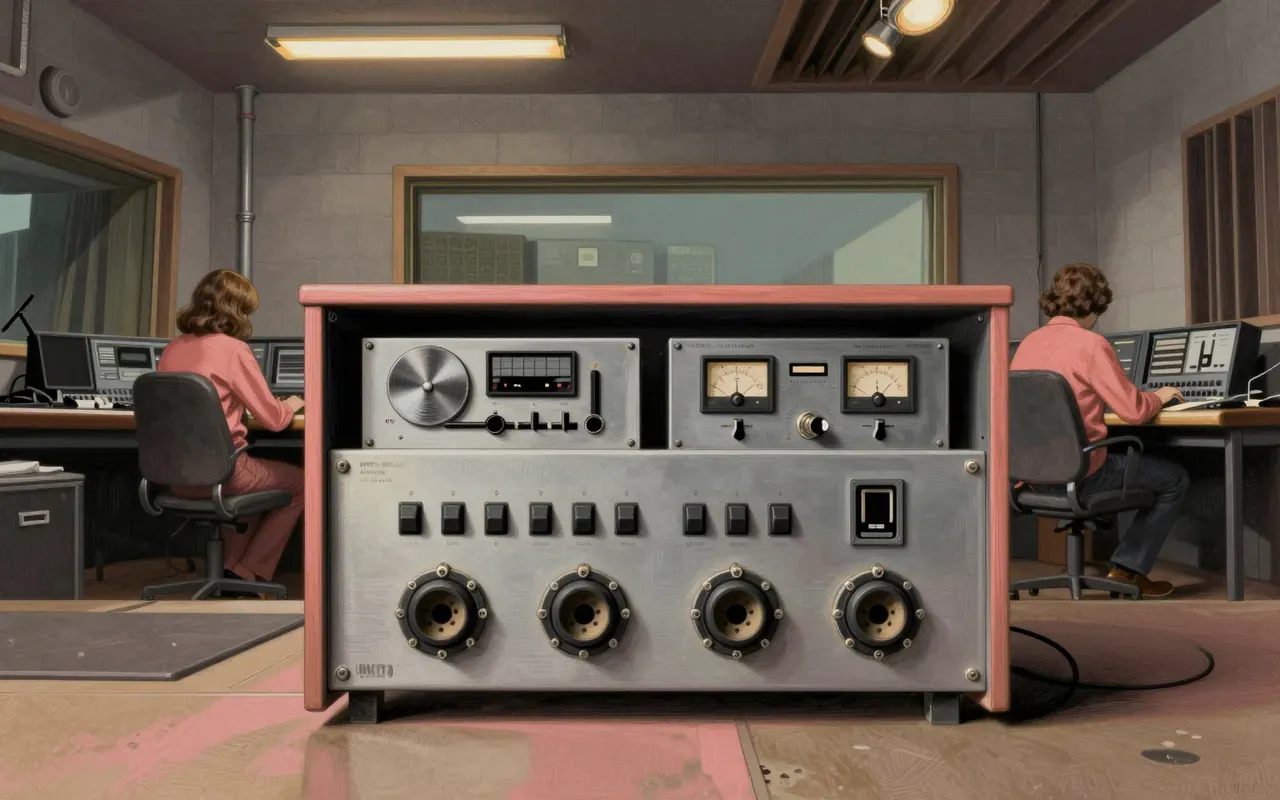
It trades fidelity for immediacy: a lo-fi acid machine that cracks, distorts, and compels.
The Roland MC-09 PhraseLab is a compact sampling sequencer built as a simplified, budget counterpart to the MC-909. It integrates monophonic synthesis, a TB-303–style 2×16-step sequencer, and a 4-track looper/sampler. Its sampler sounds like an 8bit unit and introduces audible crackle when tempo changes. It supports only four independent audio loops. Its monophonic synth produces FAT acid bass and lead tones. It is suited for live phrase capture but limited by low screen clarity, slow sample loading, and constrained user memory.
It’s the MC-909’s stripped-down sibling—synth, sequencer, and sampler in one box.
2:14
Acid by design
Its FAT monophonic synth and TB-style step recording make acid bass and drum patterns effortless.
3:50
Lo-fi by default
The sampler sounds like an 8bit unit—and loops get crackly when you change tempo.
5:20
Five loops, five limits
Four loops max. Two 16-step patterns. No polyphony. No escape.
Worth your time?
Yes. Use the whole thing.
3.5/ 5
What works
audio/studio-and-recording
audio/studio
What does not
audio/daws-and-software
audio/dj-gear
audio/effects-and-pedals
audio/guitars-and-amps
Use it if
audio/instruments
audio/synths-and-drum-machines
audio/sound-design-and-sampling
Skip it if
audio/headphones-and-hi-fi
audio/microphones-and-preamps
audio/mixing-and-mastering
The written brief1 min read
What it is and what it was built for
The Roland MC-09 PhraseLab is a compact sampling sequencer built to be a simplified, budget alternative to the MC-909. It combines monophonic synthesis, a TB-303–style sequencer, and a 4-track looper/sampler.
How it works, in terms a player would use
It captures audio loops into four slots. It plays them back with audible crackle when tempo shifts. It sequences with two 16-step TB-303–style patterns. It layers loops and synth lines in real time using a monophonic FAT synth engine.
What it does better than anything else
It delivers immediate, FAT monophonic acid bass and lead tones. It integrates sampling, sequencing, and synthesis in one compact workflow built for live phrase capture and manipulation.
What it does badly
The sampler sounds like an 8bit unit. Loops distort audibly on playback. It holds only four independent audio loops. The screen is unclear. Sample loading is slow. User memory is limited.
What people made with it
Users made acid-style basslines, live loop-based performances, and raw drum patterns—relying on its immediacy and characterful degradation rather than precision.
Who should use it, and who should not
Producers who prioritise tactile, lo-fi phrase sketching and acid tones should use it. Anyone needing clean sampling, polyphony, or stable pitch-shifted playback should not.
Is it worth your time
Yes—if you want lo-fi phrase sketching, acid bass, and live sequencing without deep editing or fidelity. No—if you need clean sampling, polyphony, or precise tempo-synced playback.