What it is and what it was built for
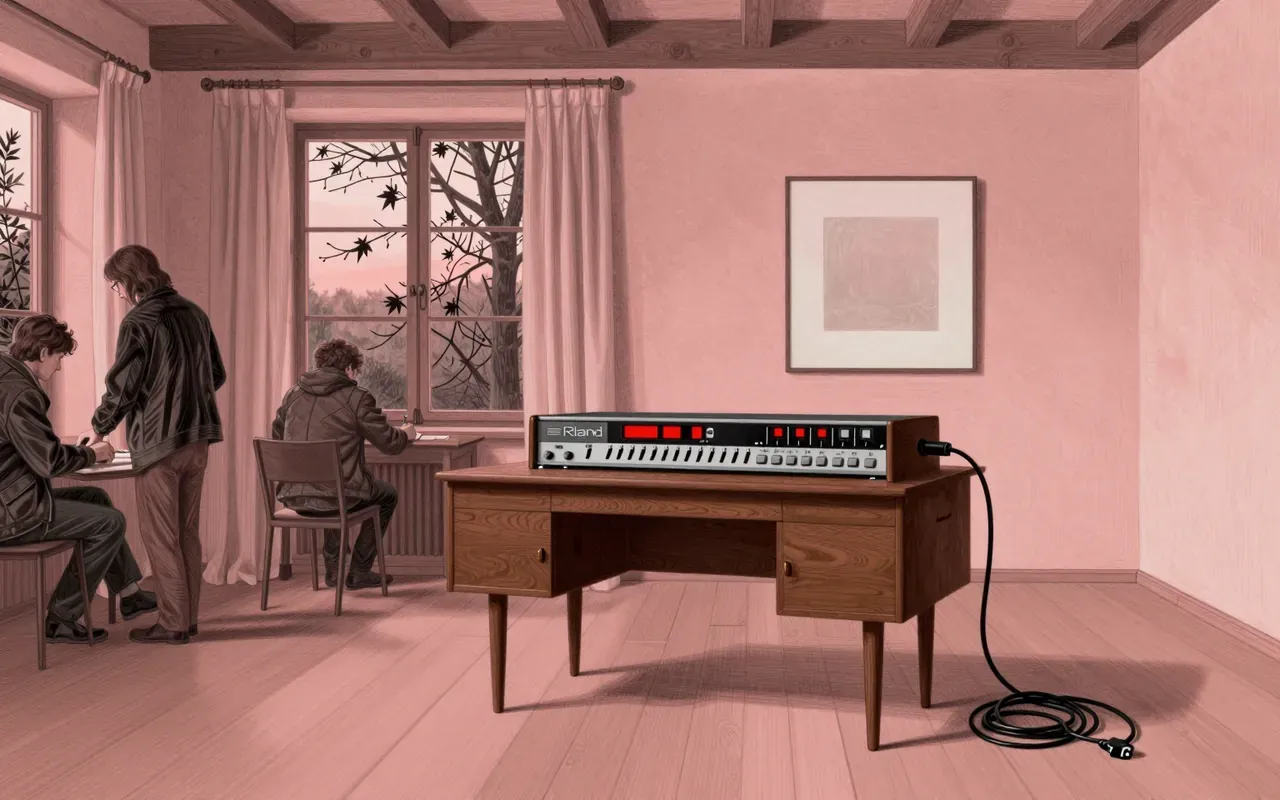
A monophonic analog synthesizer and music sequencer released in 1983. It was built to be a portable, all-in-one instrument for composing and performing electronic music without external gear.
How it works, in terms a player would use
It has one VCO with simultaneous saw, square/pulse-width and sub-octave square waveforms. It uses a 24dB low-pass filter, a single ADSR envelope, and an LFO with delay. The sequencer plays two sequences at once, with accent and slide. It lacks noise generation, variable LFO shapes, and modulation or pitch bend controls.
What it does better than anything else
It integrates sequencing and synthesis in one portable unit more cohesively than any predecessor. Its dual-sequence engine locks bass and lead lines into rigid, interlocking grooves—ideal for early acid, minimal wave, and DIY electronic composition.
What it does badly
It cannot play chords or layered lines. It offers no noise source for percussion or texture. There is no way to modulate pitch or timbre in real time during playback. Its sequencer cannot record in real time with velocity or swing.
What people made with it
Early acid house, synth-pop, and industrial artists used it for basslines, arpeggiated leads, and hypnotic two-track patterns—often exploiting its limited palette to generate repetition with subtle variation.
Who should use it, and who should not
Producers who value constraint as a creative tool. Hardware-focused musicians who want tactile, immediate sequencing paired with raw analog tone. Anyone building a minimal, battery-powered setup. Not for players needing expressive control, polyphony, or integration with modern DAWs.
Is it worth your time
Yes—if you want a compact, self-contained monophonic groovebox that forces tight, rhythmic composition. No—if you need polyphony, real-time performance control, or sound design flexibility beyond its fixed architecture.