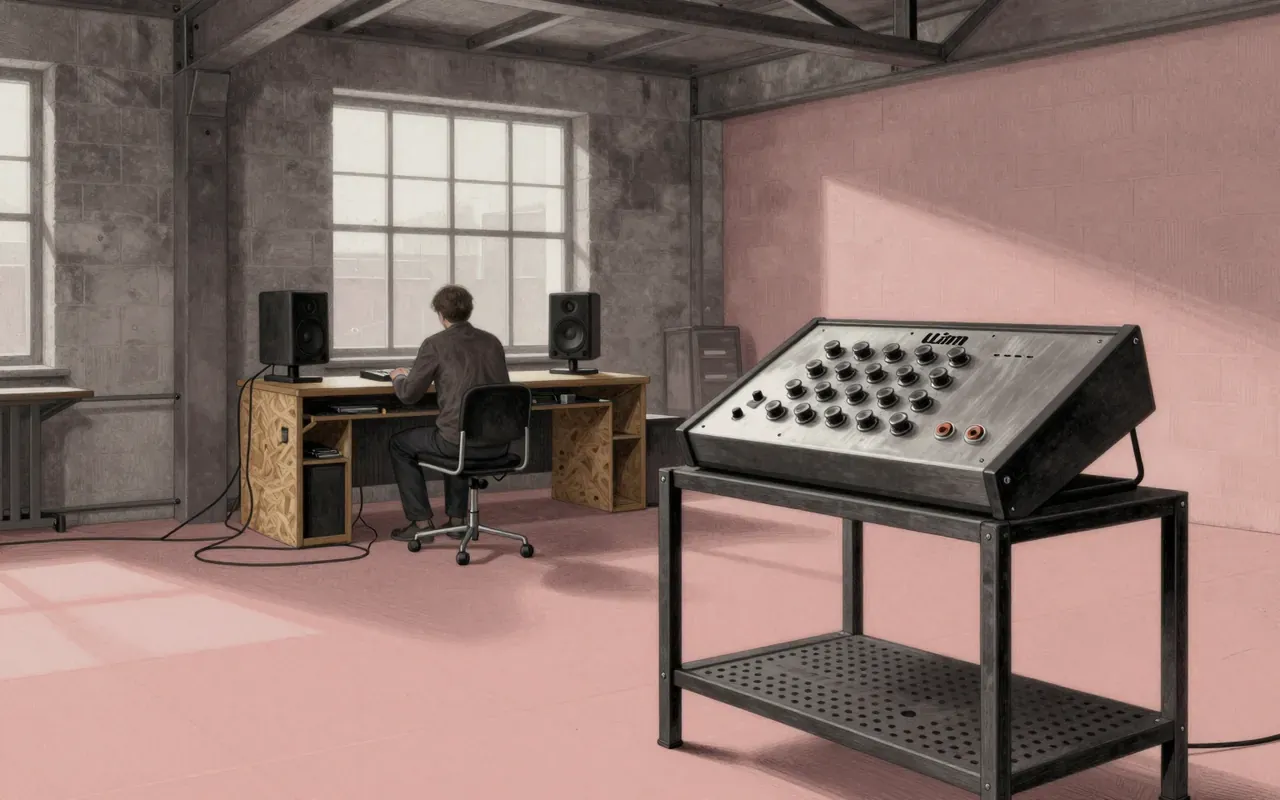
The DMX doesn’t simulate a drummer—it simulates how a drummer *fails* on purpose, and that’s why it still hits.
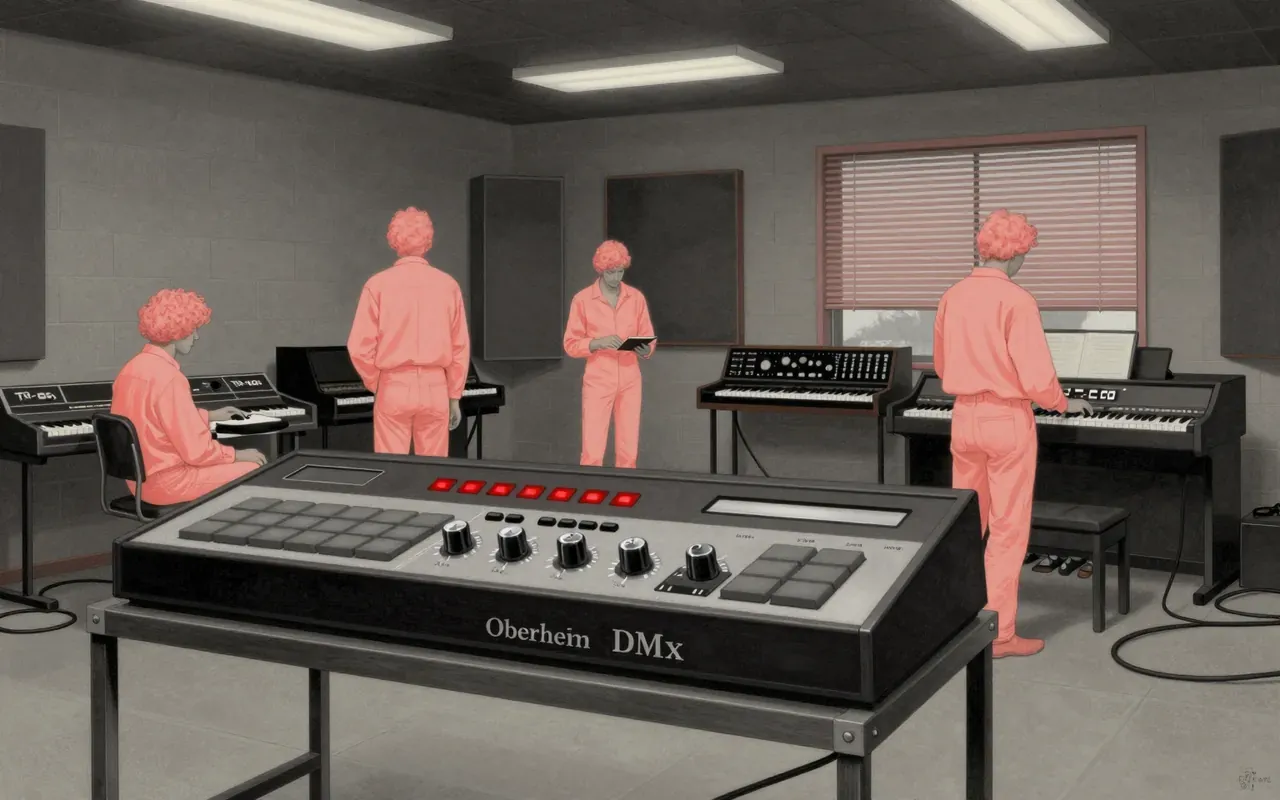
The Oberheim DMX is a programmable digital drum machine introduced in 1980. It was the second commercially sold digital drum machine after the Linn LM-1. It used sampled sounds of real drums stored in EPROM chips on removable voice cards. It offered 24 drum sounds derived from 11 original samples and supported up to 8-voice polyphony. It included humanizing features like rolls, flams, and timing variations. It was designed to interface with the OB-Xa synthesizer via the Oberheim Serial Buss and marketed as part of 'The System' alongside the DSX sequencer and OB-Xa or OB-8. It was widely used in 1980s new wave, synth-pop, and hip hop recordings.
It was the second commercial digital drum machine—and it arrived in 1980 with no compromises on sampling fidelity or programmability.
2:20
Plug-in drums
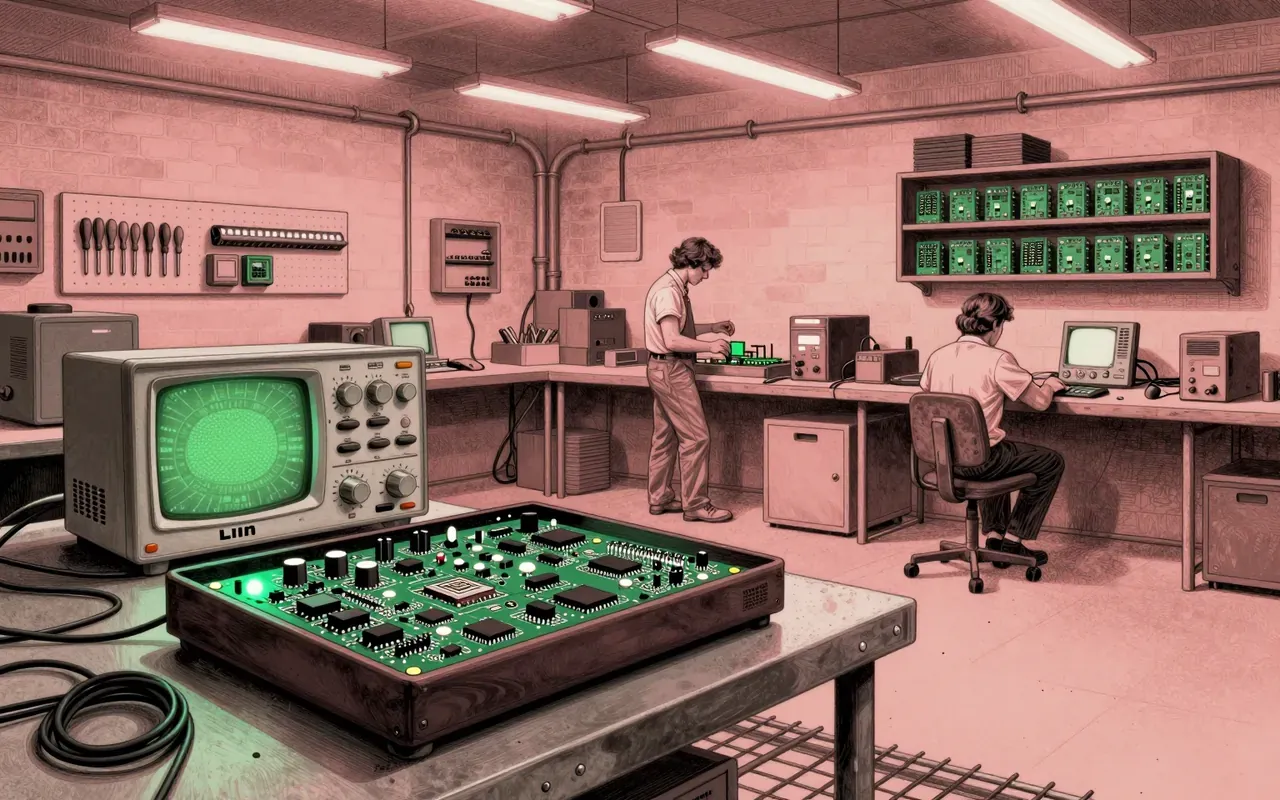
Real drum samples live on EPROM voice cards—swap them to change the kit, tune each voice individually, and trigger rolls or flams without programming.
3:02
Eight voices, no more
24 sounds from 11 samples, maxed at 8 voices—one per card—so every hit is discrete, defined, and uncluttered by aliasing or compression.
4:18
Built for the System
It only breathes fully inside 'The System': wired directly to an OB-Xa or OB-8 via Serial Buss for zero-latency sync and unified control.
5:42
On the charts, not in the lab
It shaped the backbone of new wave, synth-pop, and early hip hop—not as a novelty, but as the first reliable source of sampled groove with attitude.
Worth your time?
Yes. Use the whole thing.
4/ 5
What works
delivers punchy, gritty sampled drums with immediate humanising
rolls, flams, timing shifts that lock into groove faster than any contemporary machine
OB-Xa Serial Buss integration gives deterministic timing and system-wide control unmatched in 1980
What does not
simulate a drummer
allow sample editing
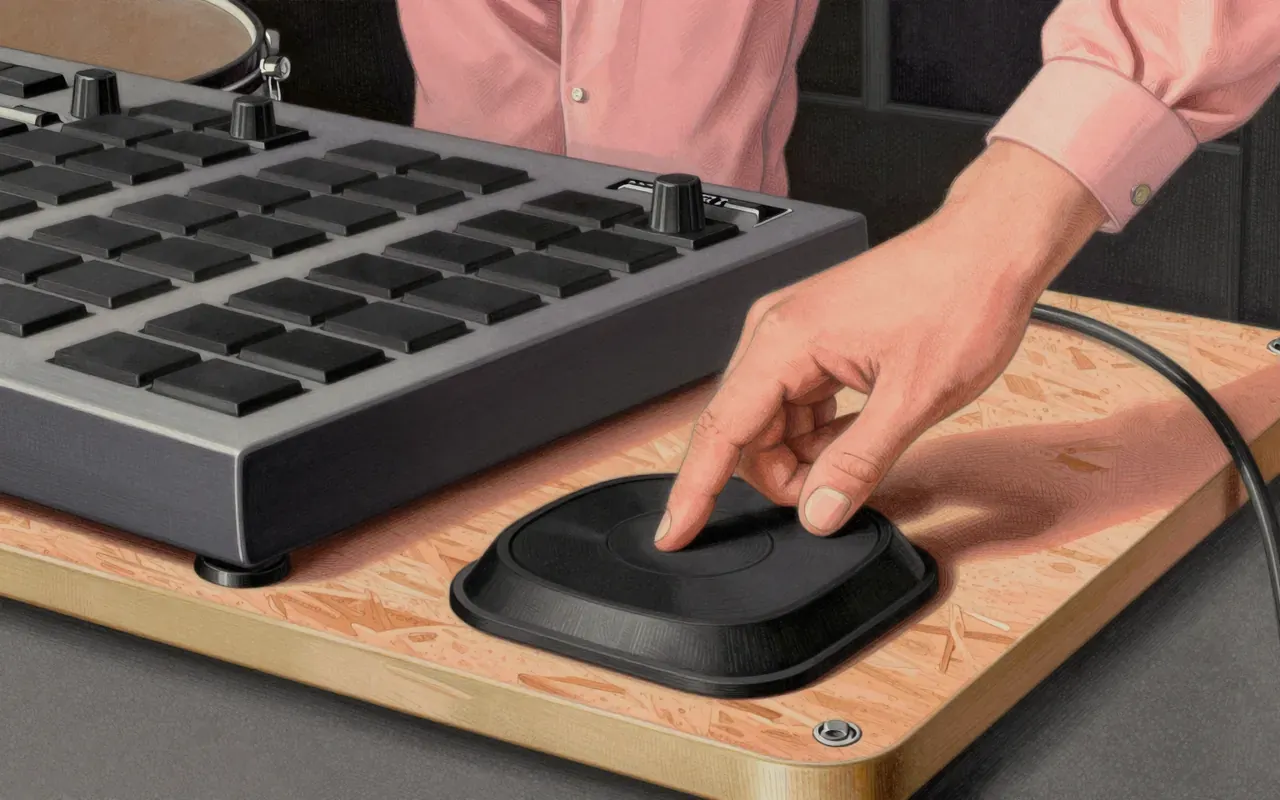
support velocity sensitivity
offer more than eight simultaneous voices
Use it if
producer working within a vintage Oberheim setup
crate-digger seeking original DMX textures
Skip it if
modern beatmaker needing flexibility
modern beatmaker needing editing
modern beatmaker needing DAW integration
The written brief1 min read
What it is and what it was built for
A programmable digital drum machine introduced in 1980. Built to be the rhythmic core of Oberheim’s ‘The System’—paired with the OB-Xa or OB-8 synth and DSX sequencer via the proprietary Serial Buss.
How it works, in terms a player would use
It loads drum sounds from removable EPROM voice cards. Each card holds one drum voice. It offers individual tuning per voice and a swing function. Rolls, flams, and timing variations are built-in humanising tools.
What it does better than anything else
It delivers punchy, gritty sampled drums with immediate humanising—rolls, flams, timing shifts—that lock into groove faster than any contemporary machine. Its OB-Xa Serial Buss integration gives deterministic timing and system-wide control unmatched in 1980.
What it does badly
It cannot layer or edit samples. Voice cards are fixed. There is no velocity sensitivity. The 8-voice polyphony limits dense patterns. No external sample import or real-time parameter automation.
What people made with it
Van Halen’s ‘Jump’, New Order’s ‘Blue Monday’, Herbie Hancock’s ‘Rockit’, Madonna’s ‘Into the Groove’, Prince’s ‘Let’s Go Crazy’, Phil Collins’ ‘Sussudio’, Stevie Nicks’ ‘Stand Back’.
Who should use it, and who should not
A producer working within a vintage Oberheim setup. A crate-digger seeking original DMX textures. Not a modern beatmaker needing flexibility, editing, or DAW integration.
Is it worth your time
Yes—if you need authentic 1980s digital drum textures with tactile programming and tight Oberheim-system integration. No—if you require sample editing, MIDI sync, or more than eight simultaneous voices.