What it is and what it was built for
The LinnDrum is a studio-focused drum machine released by Linn Electronics from 1982 to 1985. It is the second instrument from the company and an upgraded version of the LM-1, built to deliver professional, programmable drum tracks with expanded sound sets and hands-on control.
How it works, in terms a player would use
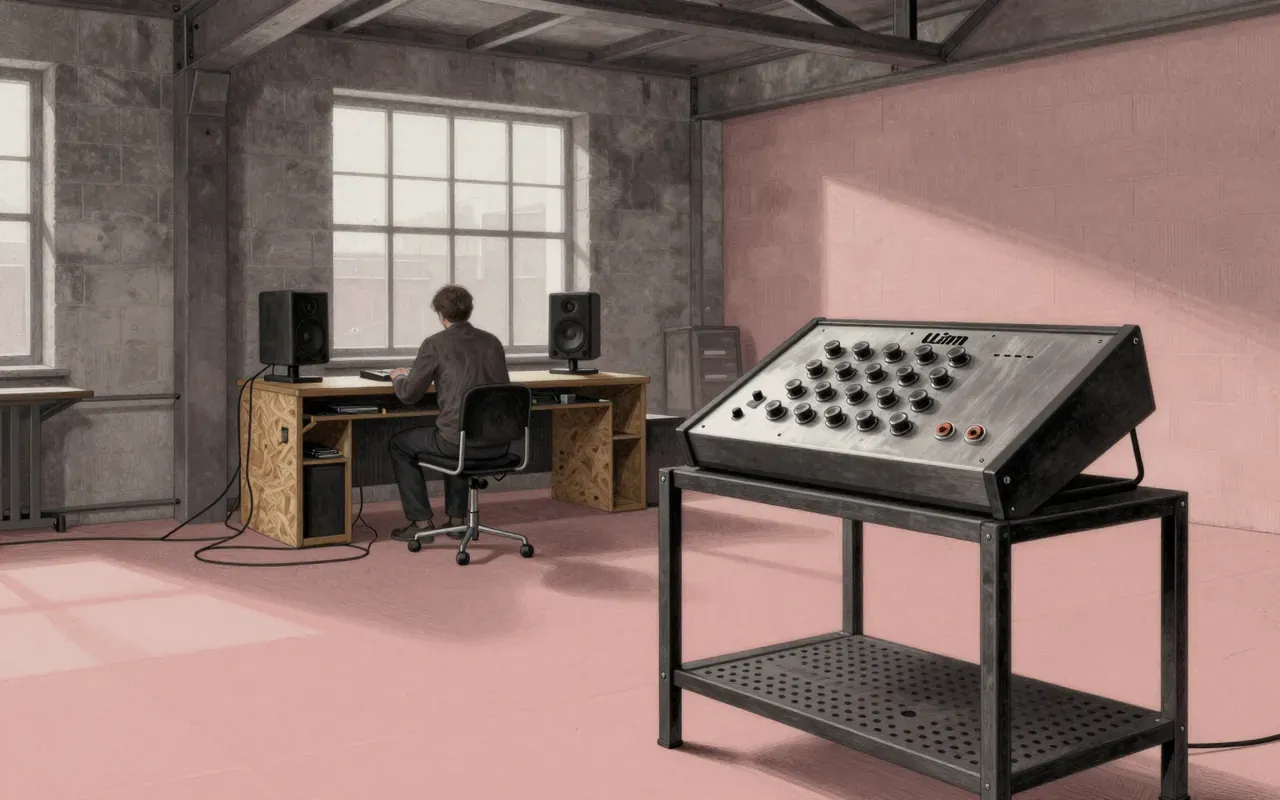
It plays 15 sampled acoustic drum sounds — including crash and ride cymbals — at 35kHz. You trigger up to 12 at once. Each has dedicated knobs for tuning, panning, and volume. Accent works on kick, snare, and hi-hat. A knob opens the hi-hat. Sounds are not velocity sensitive. The sequencer offers swing, quantisation (96 ppqn), real-time and step programming, with 56 user patterns and 49 song locations.
What it does better than anything else
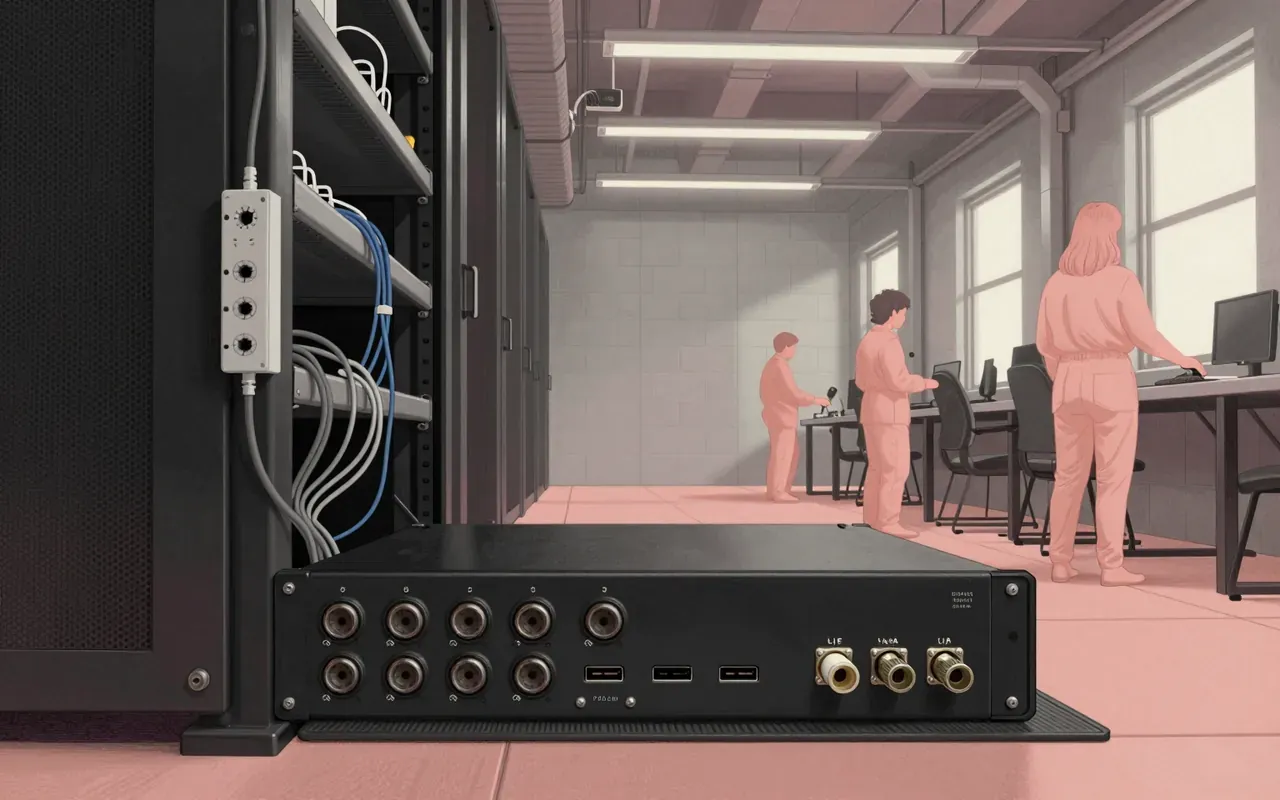
It gives immediate, tactile editing of snare, toms, and congas via knobs — a rarity among drum machines of its era. Its 15 individual outputs let you route each sound to a separate channel. Its sequencer was revolutionary for swing and quantisation in 1982.
What it does badly
It cannot sync reliably to MIDI without an aftermarket kit. It offers no velocity sensitivity. Its 35kHz sampling gives clarity but no warmth or low-end bloom. It has no built-in effects or sound-shaping beyond tuning, panning, and accent.
What people made with it
Producers used it widely in professional music production during the 1980s — particularly for pop, R&B, and early electronic records requiring tight, clean, and punchy drum tracks.
Who should use it, and who should not
Studio engineers and producers who want discrete outputs, physical tuning control, and authentic 1980s sampled drum tones should use it. Anyone needing MIDI sync, velocity response, or modern workflow integration should not.
Is it worth your time
Yes — if you need hands-on control over dry, punchy 1980s drum tones in a studio setting and can work around its lack of built-in MIDI.