What it is and what it was built for
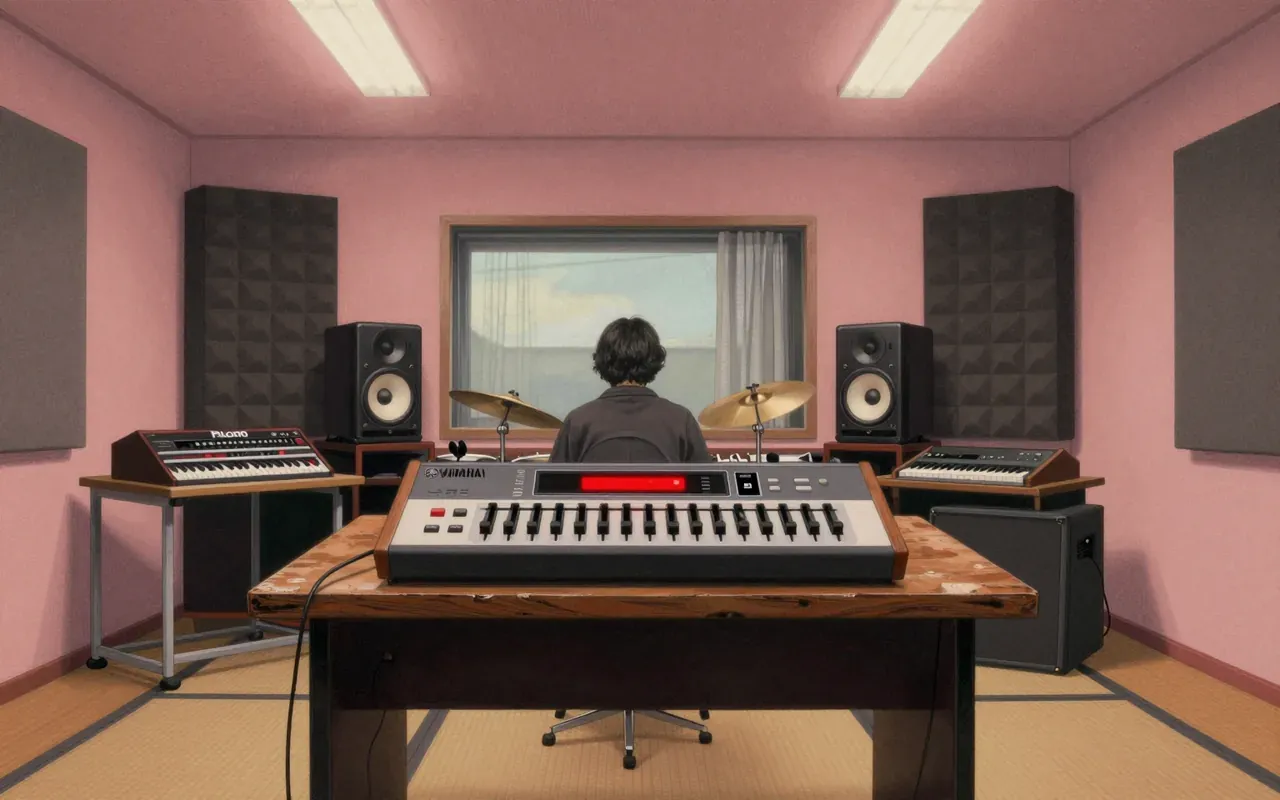
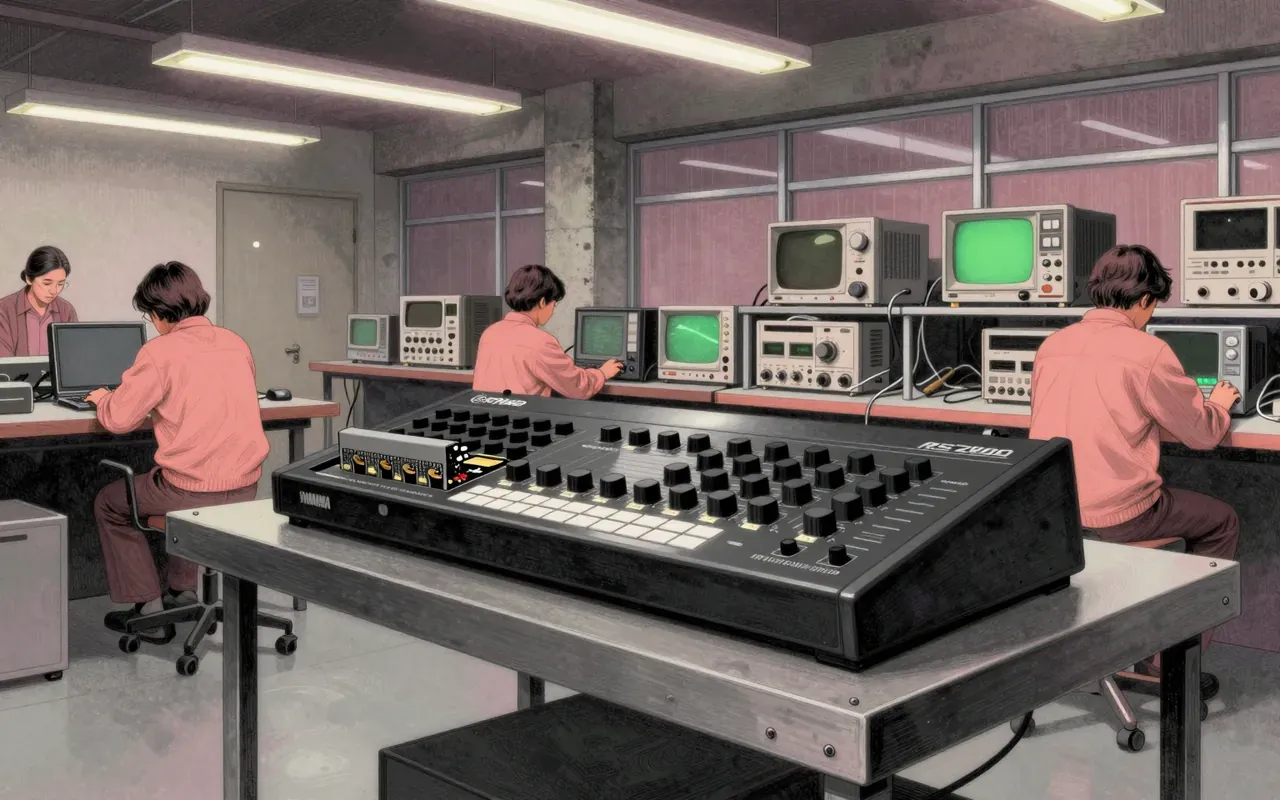
The Yamaha RX7 is a sample-based drum machine built for live trigger-based rhythm programming and studio sketching in the mid-1980s.
How it works, in terms a player would use
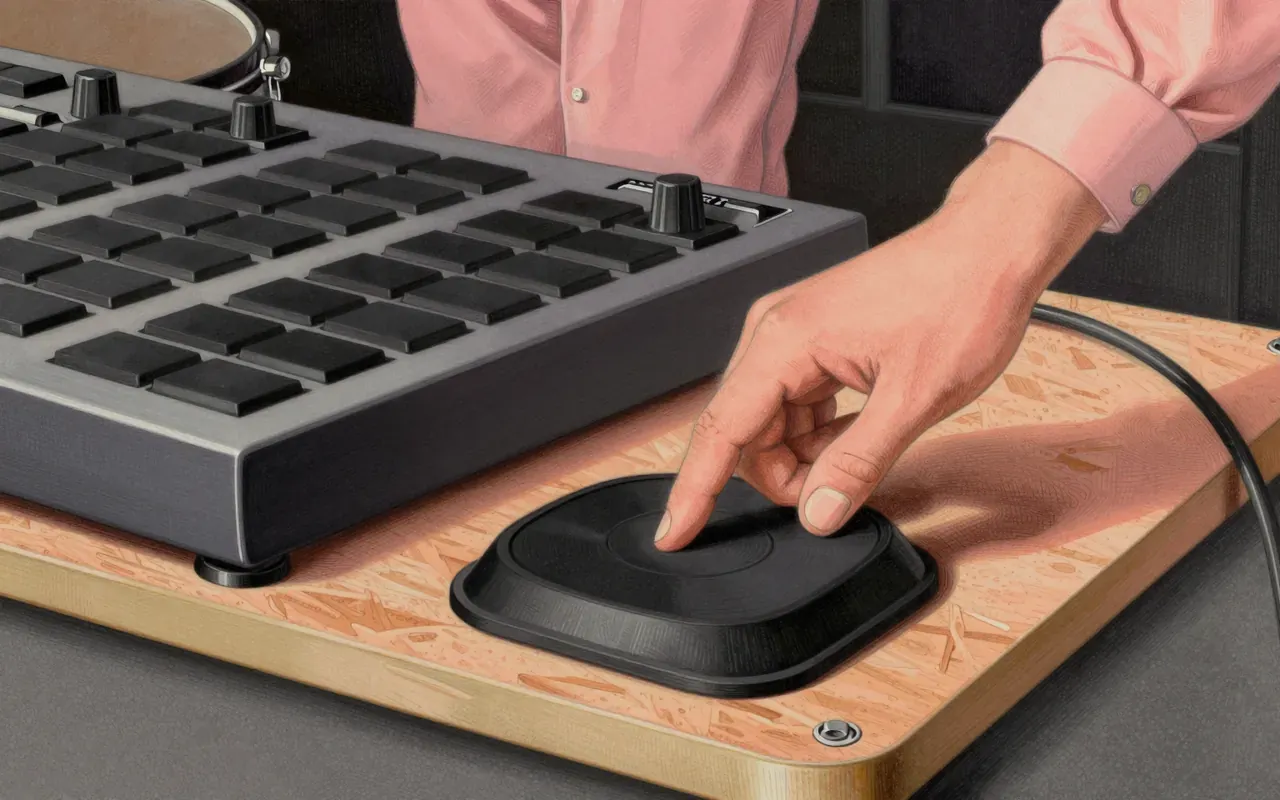
It loads 99 built-in drum samples. Each sound is editable via pitch, decay, bend, level, pan and LFO. You assign sounds to any of 24 pads per bank, across four banks. Sync comes via MIDI or cassette. Some units offer 12 separate outputs. A short delay effect with pitch control sits in the effects section.
What it does better than anything else
It delivers a specific, saturated 80s drum character—unfiltered, immediate, and unmistakably potato—more consistently than later Yamaha machines or contemporaries with higher bit depths.
What it does badly
It does not deliver precise timing or low-latency response. The 12-bit resolution limits dynamic range and introduces grit even at moderate levels. Editing is shallow: no sample slicing, no velocity layers, no transient shaping. The delay effect is short and minimally adjustable.
What people made with it
People made early house, synth-pop, and industrial tracks with its clipped snares, crunchy kicks, and lo-fi cymbals—sounds that cut through dense mixes precisely because they refused fidelity.
Who should use it, and who should not
Producers seeking authentic 12-bit texture, hardware sequencers who value assignable pads over DAW integration, and performers who want tactile, bank-switched variation on stage. Not for producers reliant on swing quantisation, multi-layered kits, or sample import.
Is it worth your time
Yes—if you want raw, unvarnished 12-bit 80s drum textures and hands-on pad-based sequencing without modern polish. No—if you need deep sample manipulation, tight timing, or clean stereo imaging.