audiobriefs
Maker

Oberheim

Website →
4
briefs
9:28
average
38 min
in total
On audio.briefs4
video still
9:08

Oberheim DMX

Oberheim

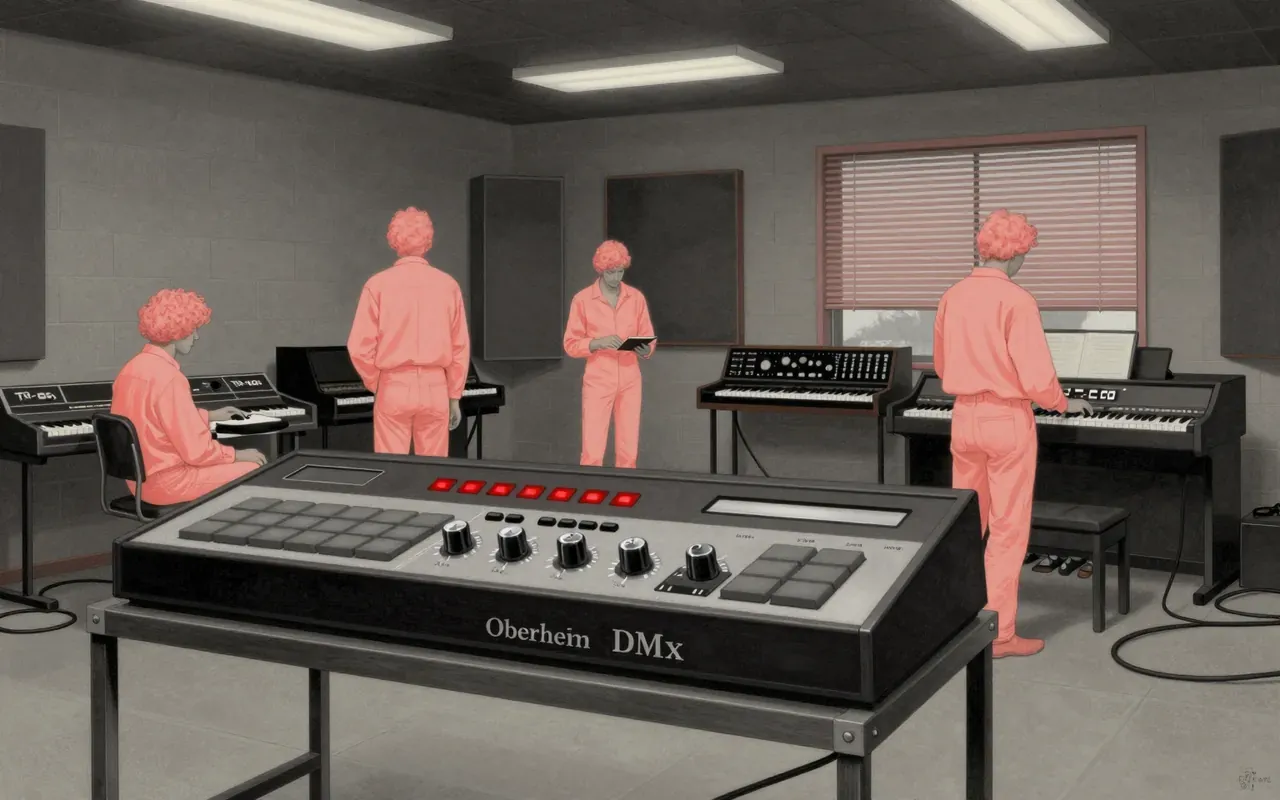
The Oberheim DMX is a programmable digital drum machine introduced in 1980. It was the second commercially sold digital drum machine after the Linn LM-1. It used sampled sounds of real drums stored in EPROM chips on removable voice cards. It offered 24 drum sounds derived from 11 original samples and supported up to 8-voice polyphony. It included humanizing features like rolls, flams, and timing variations. It was designed to interface with the OB-Xa synthesizer via the Oberheim Serial Buss and marketed as part of 'The System' alongside the DSX sequencer and OB-Xa or OB-8. It was widely used in 1980s new wave, synth-pop, and hip hop recordings.

video still
8:08

Oberheim OB-X

Oberheim

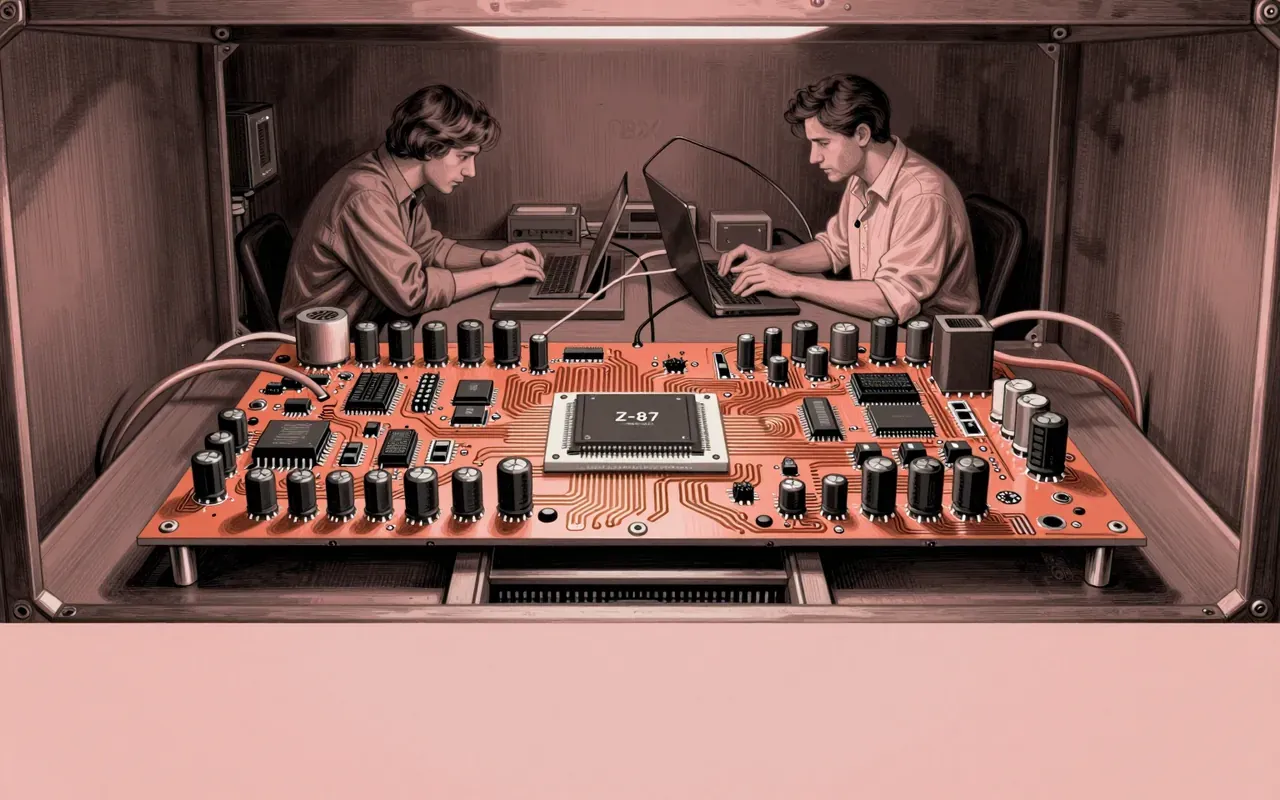
The OB-X was Oberheim’s first OB-series polyphonic analog subtractive synthesizer. Introduced in June 1979 to compete with the Prophet-5, it replaced modular SEM-based systems with a unified design built around interchangeable voice cards. It offered 4-, 6-, or 8-voice configurations, 32 user-programmable presets, and automated tuning via a Z-80 microprocessor. Its architecture prioritised stability and integration over flexibility or expressivity.

video still
11:30

Oberheim OB-Xa

Oberheim

The OB-Xa is a pragmatic evolution: layering and splitting built in, filter envelope replacing cross modulation, Curtis ICs for stability, and Serial Buss for closed-system integration. It delivers thick, reliable polyphony — but sacrifices the OB-X’s discrete-circuit idiosyncrasy and FM flexibility.

video still
9:06

Oberheim Polyphonic Synthesizer

Oberheim

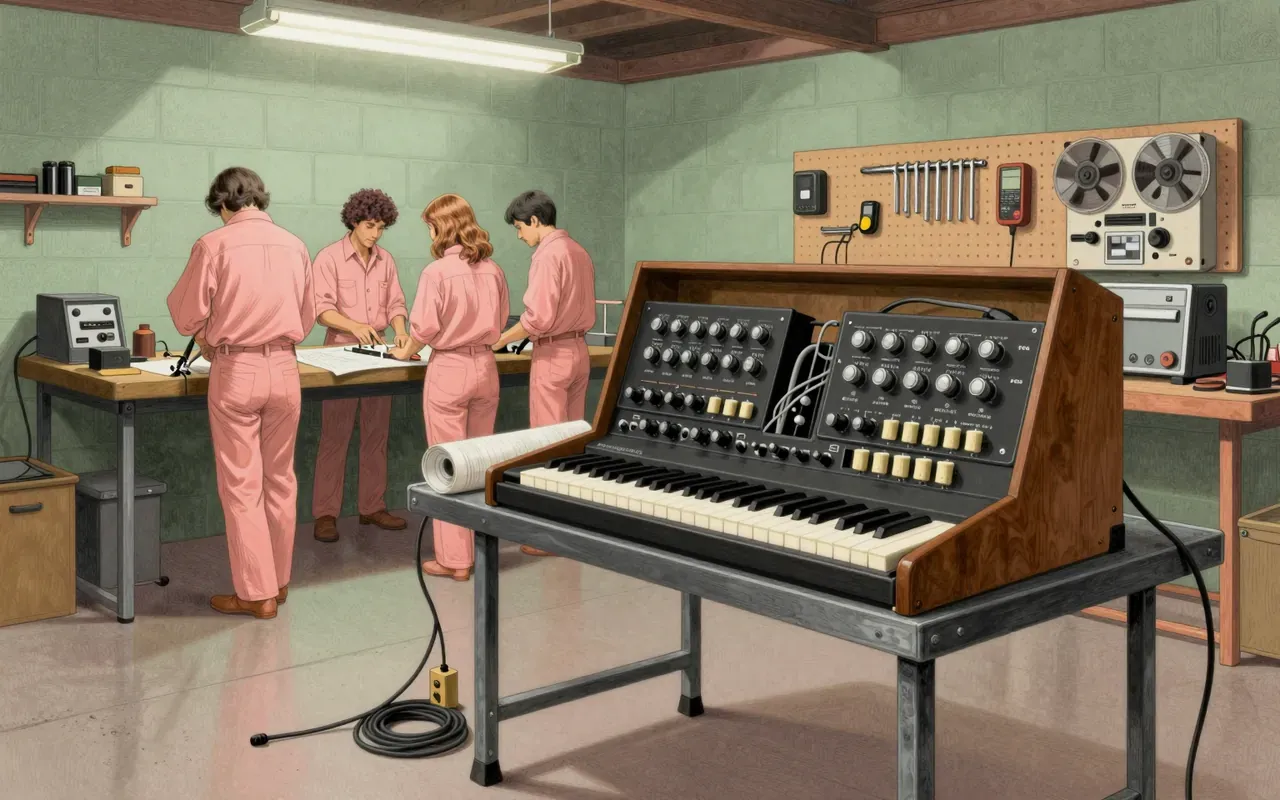
The Oberheim Polyphonic Synthesizer is a series of analog music synthesizers produced from 1975 to 1979. It was the first production synthesizer capable of playing chords. It works by combining multiple SEM modules — each generating one voice — under shared keyboard control and a two-channel sequencer. Its sonic thickness and depth arise partly from random variance between SEM modules. It has no patch memory, suffers tuning drift, and demands high maintenance. Musicians used it for unstable, breathing chordal textures. It suits players who prioritise tactile, variable analog polyphony over stability or recall.