What it is and what it was built for
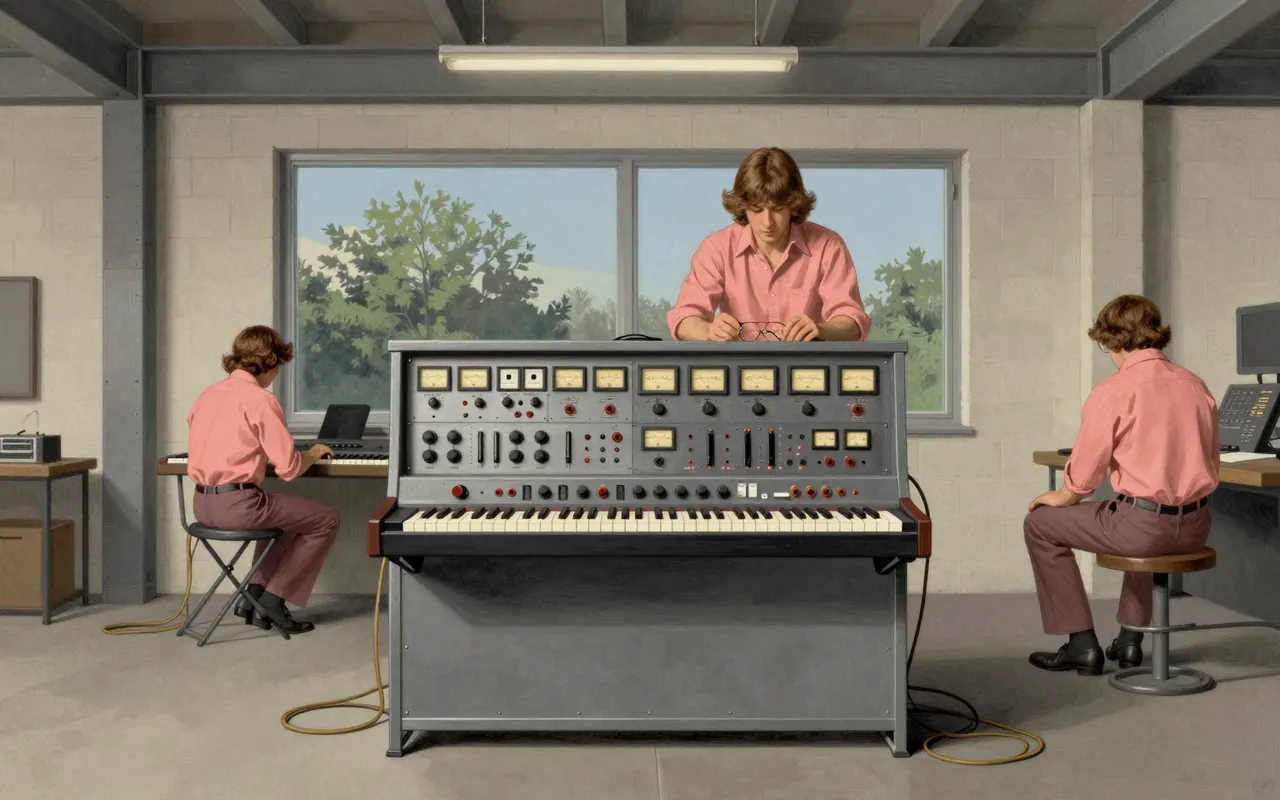
The OB-X is Oberheim’s first OB-series polyphonic analog subtractive synthesizer. It was built to compete with the Prophet-5 and replace modular SEM-based systems with a unified, programmable instrument.
How it works, in terms a player would use
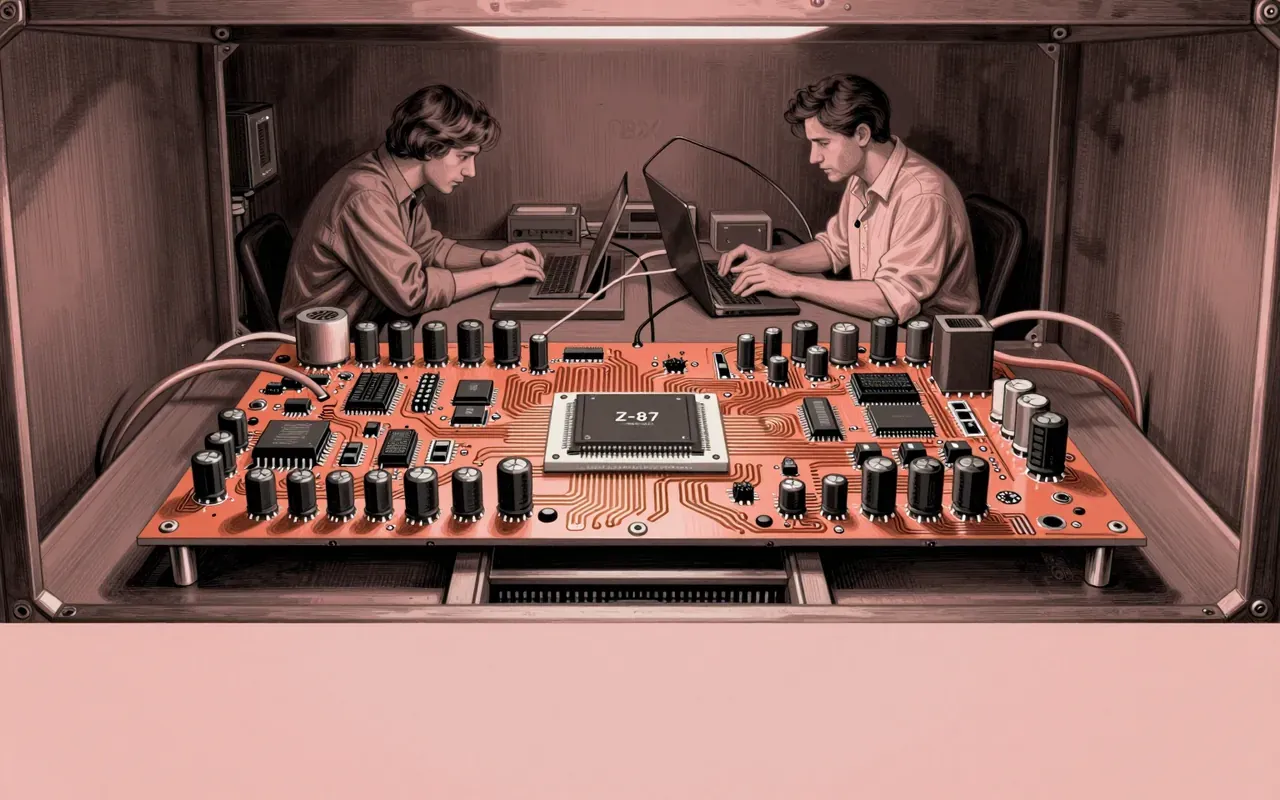
It uses discrete-component voice cards, one per voice, slotted into a shared chassis. Each card handles one note of polyphony. A Z-80 microprocessor manages memory and tuning. You store and recall 32 presets. Polyphony is fixed at 4, 6, or 8 voices — no voice stealing, no reassignment.
What it does better than anything else
It delivers stable, simultaneous analog voices in one box — a first for Oberheim. Its voice-card architecture replaced the cumbersome SEM rack system, giving players integrated polyphony without patch cables or external mixers.
What it does badly
It cannot change polyphony on the fly. It has no velocity or aftertouch response. It offers no built-in effects or modulation routing beyond what each voice card provides. Its digital control is limited to memory and tuning — not real-time parameter sweeps.
What people made with it
The sources do not state what people made with it.
Who should use it, and who should not
Use it if you want fixed-voice analog polyphony with preset recall and hands-on control. Avoid it if you rely on expressive controllers, dynamic voice allocation, or deep modulation matrices.
Is it worth your time
Yes — if you need hands-on analog polyphony with stable tuning and preset recall in a single unit. No — if you require real-time parameter automation, multitimbrality, or patch morphing.