What it is and what it was built for
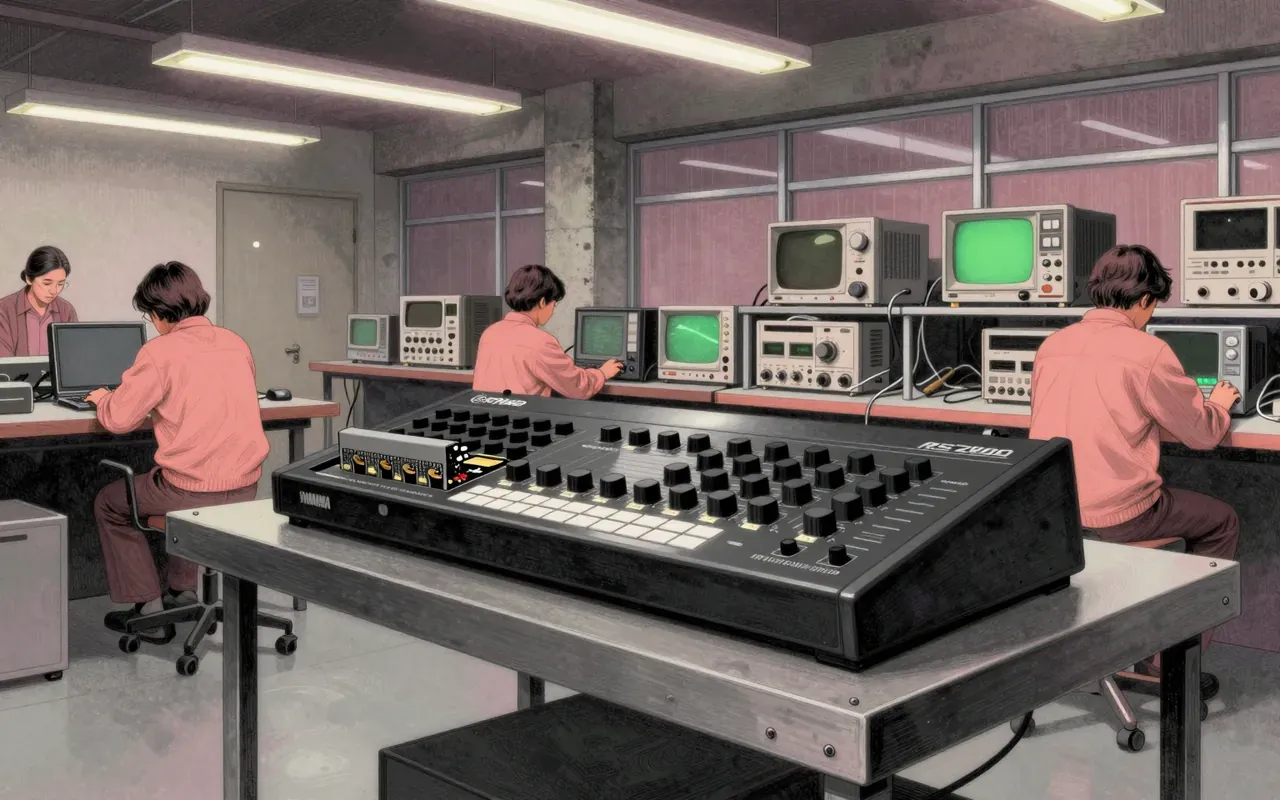
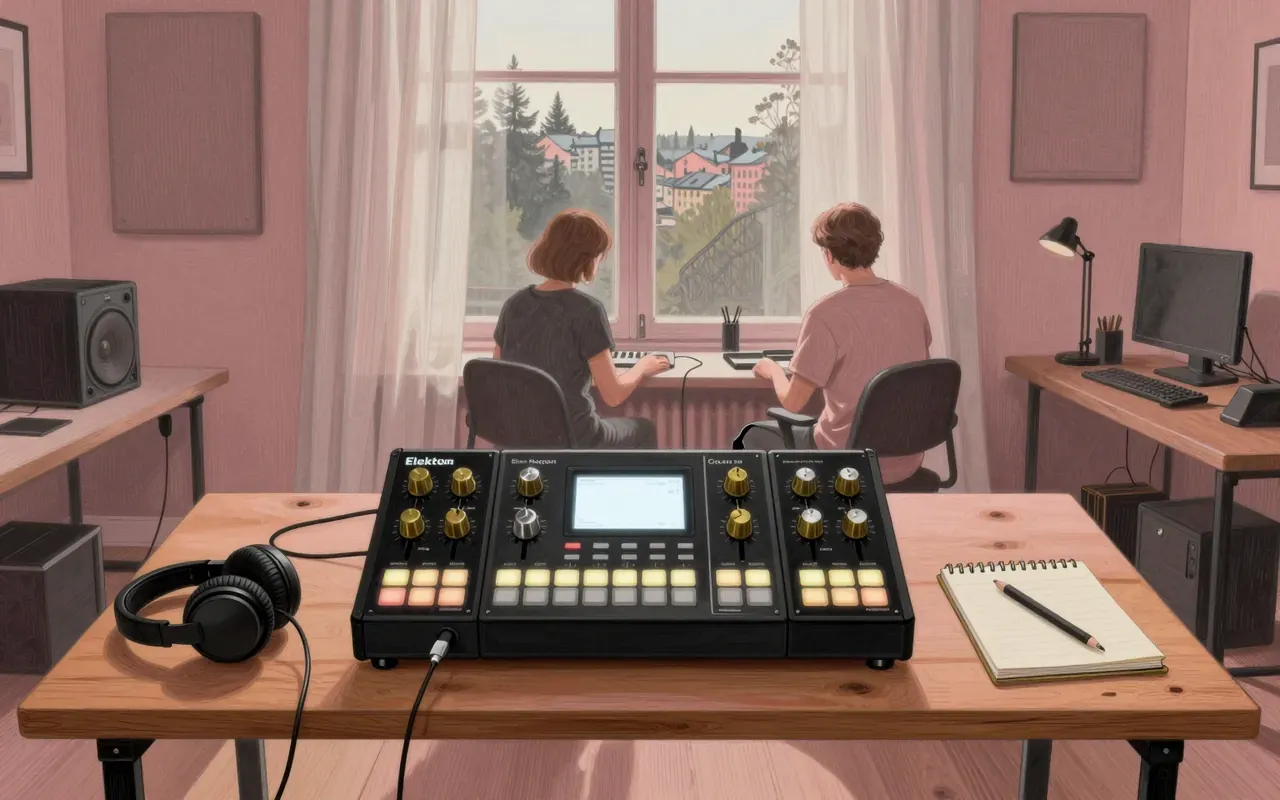
The Yamaha AN200 is a 2001 compact table-top physical modelling analog synthesizer and sequencer built for live pattern-based dance production and quick sound sketching.
How it works, in terms a player would use
It models two VCOs with sawtooth, variable pulse, mix, multi-saw, OSC Sync and FM. It uses resonant multimode filters. It runs five synth voices and a 32-voice AWM2 rhythm section with ~120 drum sounds. Its 16-step sequencer has one track for synth and three for drums. Each step adjusts pitch, gate time or velocity via knobs. Scene Memory stores two snapshots and morphs between them in real time. The Free EG records knob tweaks into patterns.
What it does better than anything else
It integrates analog-style knob-per-step sequencing across synth and drum tracks better than any other physical modelling synth of its era. Scene Memory morphing gives immediate, tactile timbral shifts without menu diving.
What it does badly
It falls short on polyphony: only five synth voices limit chords and layering. It offers no keyboard or aftertouch, so expression is knob- or sequencer-dependent. The AWM2 rhythm section is fixed—no sample import or editing.
What people made with it
People made complete dance grooves, patterns and songs using its bundled AWM2 rhythms and FM synth engine—no external gear required.
Who should use it, and who should not
Producers who value immediacy over depth. Live performers needing portable, knob-driven sequencing. Anyone wanting AN1x-style sounds without the keyboard. Not for composers needing >5-voice polyphony, sample manipulation, or DAW integration beyond basic MIDI.
Is it worth your time
Yes—if you want hands-on physical modelling with integrated rhythm sequencing in a compact unit. No—if you need more than five synth voices, deep sound design tools, or external sync beyond MIDI.