What it is and what it was built for
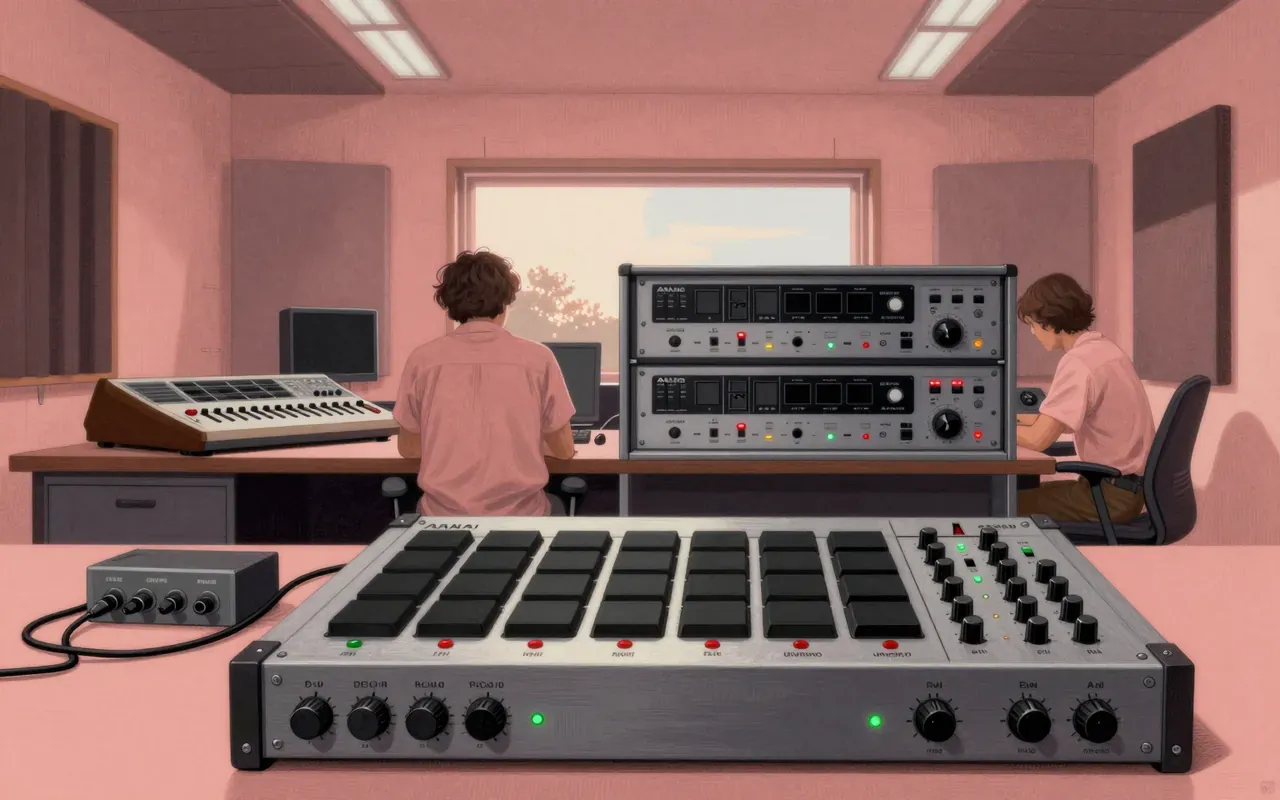
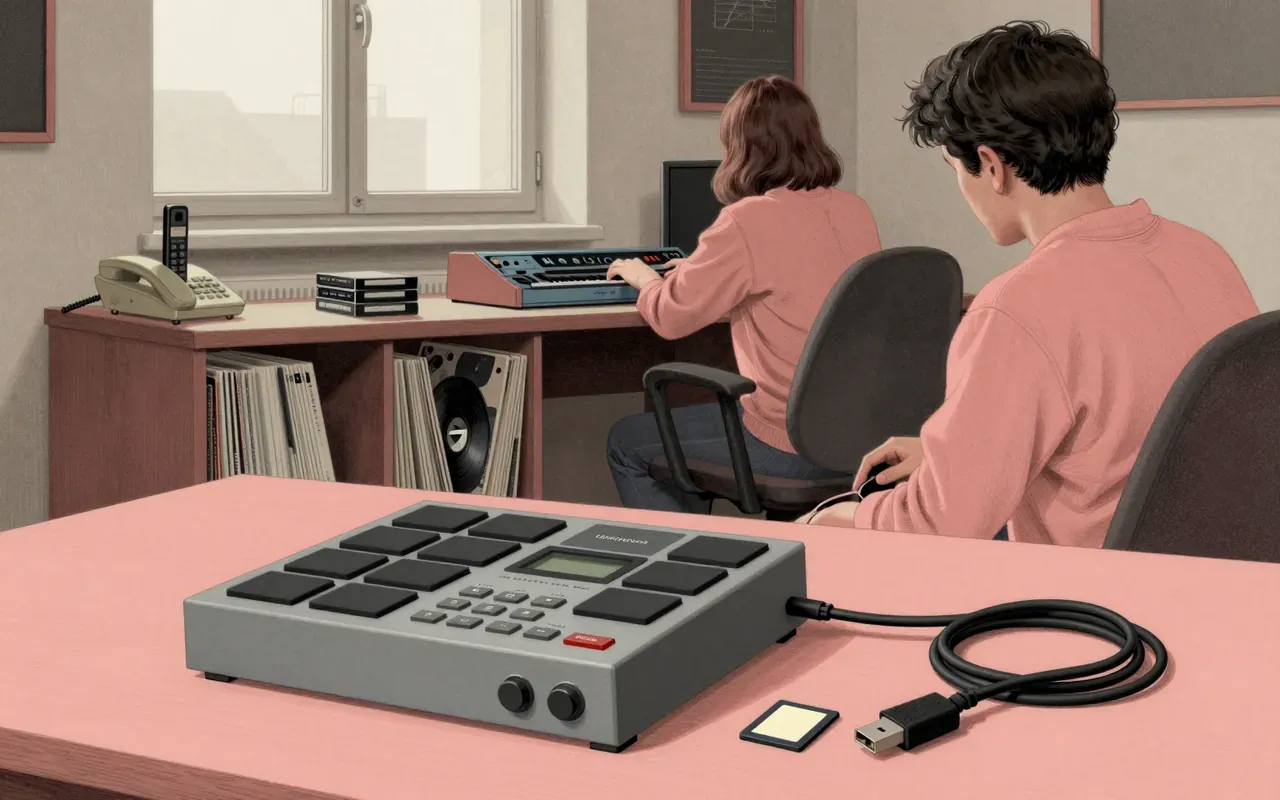
The Akai XR10 is a budget drum machine released in the early nineties. It was built for players who needed reliable, portable rhythm tracks without synthesis, sampling, or complex programming.
How it works, in terms a player would use
It runs four modes: pattern, song, sound, and utility. You select them with the Mode button. You adjust tempo and volume with dials on the left. The LCD shows 16 characters across two lines but gives no backlight. You trigger patterns or fill-ins with an optional foot switch. MIDI In/Out lets you sync externally — but there is no MIDI Thru.
What it does better than anything else
It delivers immediate, stable rhythm playback from ROM-based PCM samples — no loading, no glitches, no memory management. Its 1.7 kg case holds all controls, modes, and outputs in one compact unit. Its four-mode workflow is simpler and faster than menu-diving competitors of the same era.
What it does badly
It fails in low-light environments due to its non-backlit LCD. It cannot pass MIDI signals through to other gear. It offers no internal amplification or speakers — so it must be patched into a mixer or interface to be heard. It gives no sound design tools beyond preset selection.
What people made with it
The sources do not state what people made with it.
Who should use it, and who should not
A bedroom producer building beats on a tight budget should use it. A live performer needing tap-tempo start/stop via foot switch should use it. A sound designer needing editable waveforms or filter control should not use it. A studio engineer needing MIDI Thru to daisy-chain gear should not use it.
Is it worth your time
It is worth your time only if you need a portable, low-cost drum machine that boots fast, fits in a backpack, and delivers consistent PCM hits without editing overhead. It is not worth your time if you need real-time sound shaping, visual feedback in dim light, or integration into a larger MIDI chain.