audiobriefs
9:14in productionCh. 1 · The New Standard/ 9:14 · ceiling 15 min
Sound design & sampling · Instruments

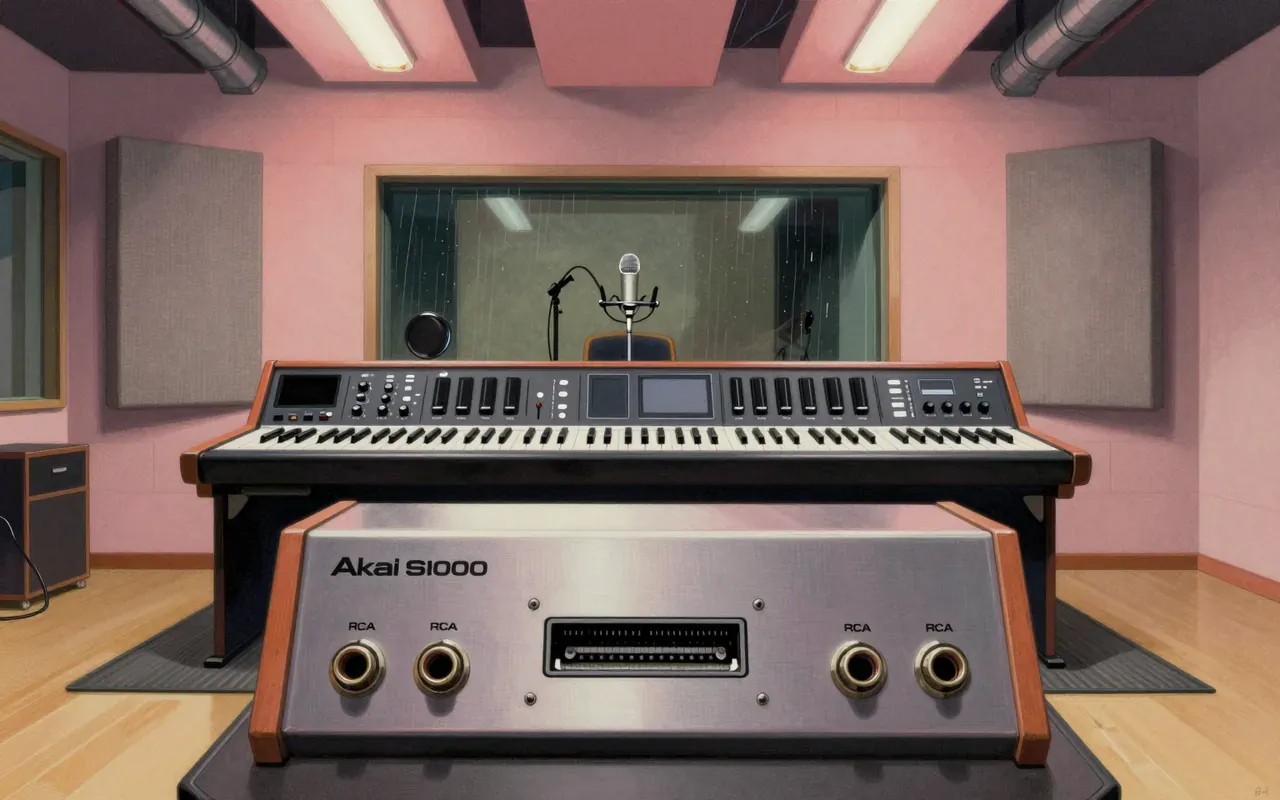
Akai S1000

The S1000 didn’t just sample sound—it stretched time with grit, and made that flaw a feature.

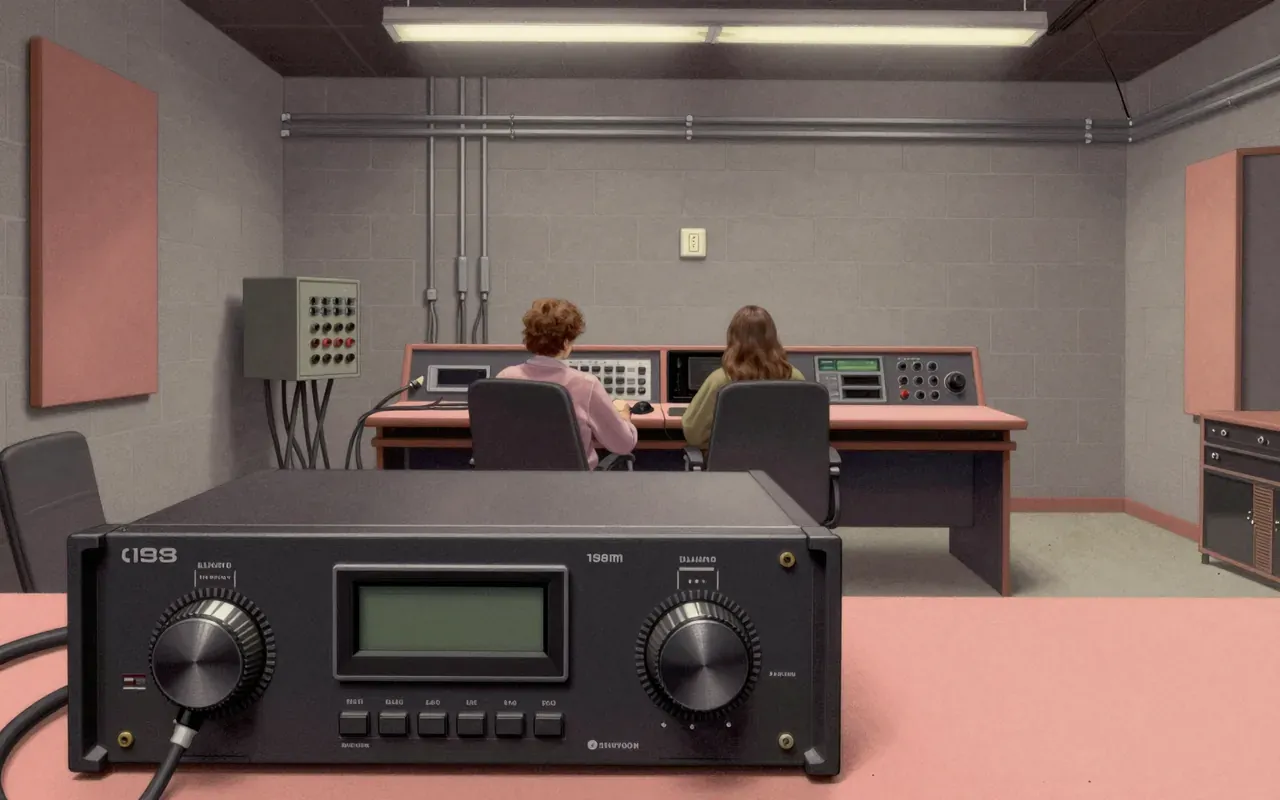
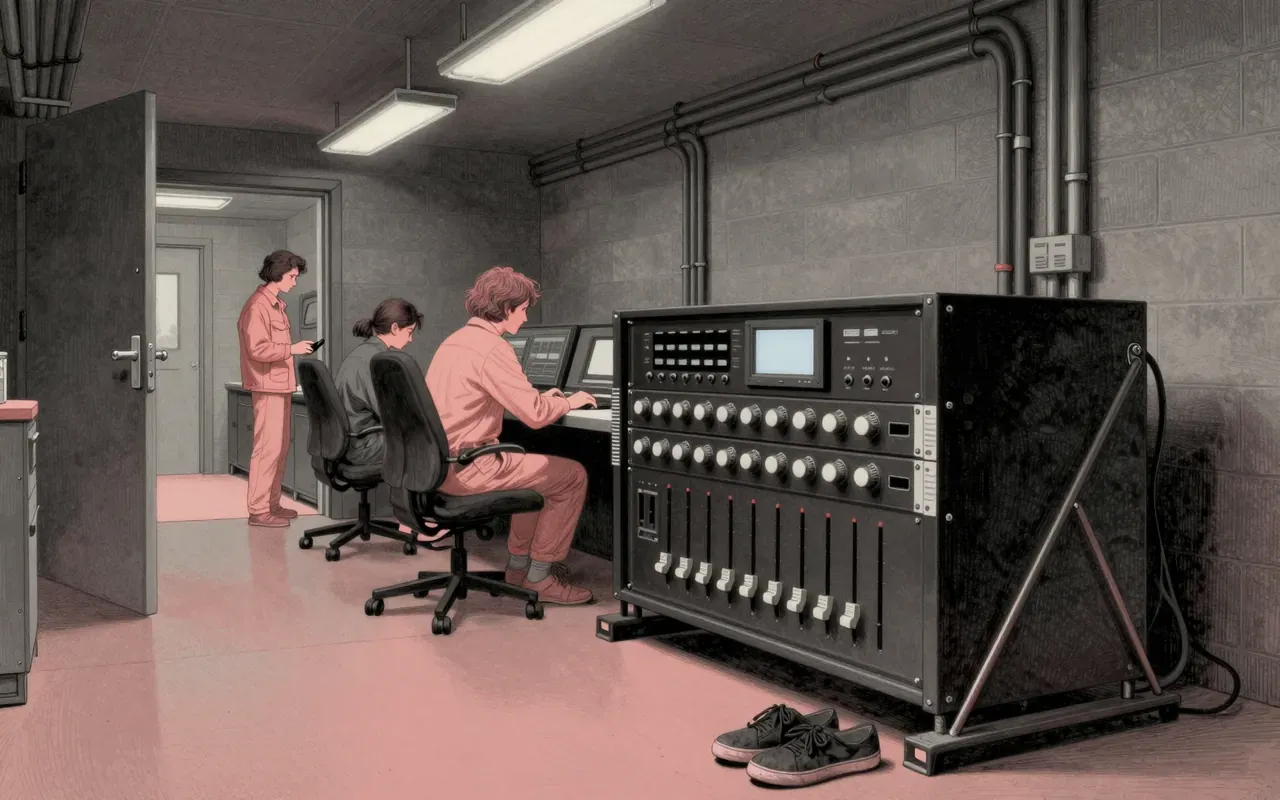
The Akai S1000 was a 16-bit stereo digital sampler released in 1988. It offered CD-quality sampling, 24-bit internal processing, digital filters, effects routing, and early timestretching. It read CD-ROMs and wrote to SCSI hard disks. Its timestretching was crude but sonically distinctive—used on 'Higher State of Consciousness' and 'RipGroove'. It displaced the S900 as the studio standard.

Chapters & takeaways4
  1. 0:48
    The New Standard

    It was among the first professional 16-bit stereo samplers—and immediately became the studio standard.

  2. 2:18
    CD-Quality Manipulation

    It let producers splice, loop and crossfade in CD quality—with 24-bit internal processing and digital filters.

  3. 3:57
    The Artefact as Instrument

    Its OS 2.0 timestretching was crude—but so distinctive it became a signature sound.

  4. 5:14
    From Floppy to Hard Disk

    It displaced the S900 and introduced CD-ROM reading and SCSI hard disk writing.

Worth your time?

Yes. Use the whole thing.

4/ 5
What works
  • CD-quality splicing and looping
  • 24-bit internal processing with digital filters
  • distinctive timestretching as a creative tool
What does not
  • offer modern workflow
  • support non-destructive editing
  • include built-in sequencing
Use it if
  • producers seeking authentic 1990s timestretch artefacts
  • hardware collectors
  • studio historians
Skip it if
  • live performers
  • beginners
  • DAW-dependent users
The written brief1 min read

What it is and what it was built for

A 16-bit stereo digital sampler released in 1988. Built for studio-based sample manipulation—splicing, looping, crossfading—at CD quality, with early digital signal processing.

How it works, in terms a player would use

It loads samples from CD-ROMs or writes them to SCSI hard disks. It splices, crossfades, trims and loops in 16-bit CD quality. Its OS version 2.0 adds timestretching that alters pitch and length independently.

What it does better than anything else

It was among the first professional-quality 16-bit stereo samplers. Its 24-bit internal processing, digital filters and effects send/return gave it sonic headroom and routing flexibility unmatched in earlier Akai units.

What it does badly

Its timestretching is primitive and audible. It has no built-in sequencer or MIDI sync beyond basic clock. RAM tops out at 8MB (32MB only after S1100 EXM008 boards, not native to the S1000).

What people made with it

Producers used its timestretching on tracks like ‘Higher State of Consciousness’ and ‘RipGroove’. Its sound defined early rave and jungle production before DAWs took over.

Who should use it, and who should not

Hardware collectors, crate-digging producers seeking that specific 1990s timestretch artefact, and educators demonstrating the transition from analogue to digital sampling. Not for beginners, live performers, or anyone reliant on recallable presets or non-destructive editing.

Is it worth your time

Yes—if you want the raw, artefact-laden sound of early digital sampling and are prepared to work within its fixed architecture. No—if you need seamless editing, modern workflow, or real-time parameter control.
Same bench · Sound design & sampling4 of 5
Up next in Audio

Oberheim Polyphonic Synthesizer

Oberheim · 9:06

Chords sound thick because the synth can’t stay in tune — and that’s why it still matters.

9:06