What it is and what it was built for
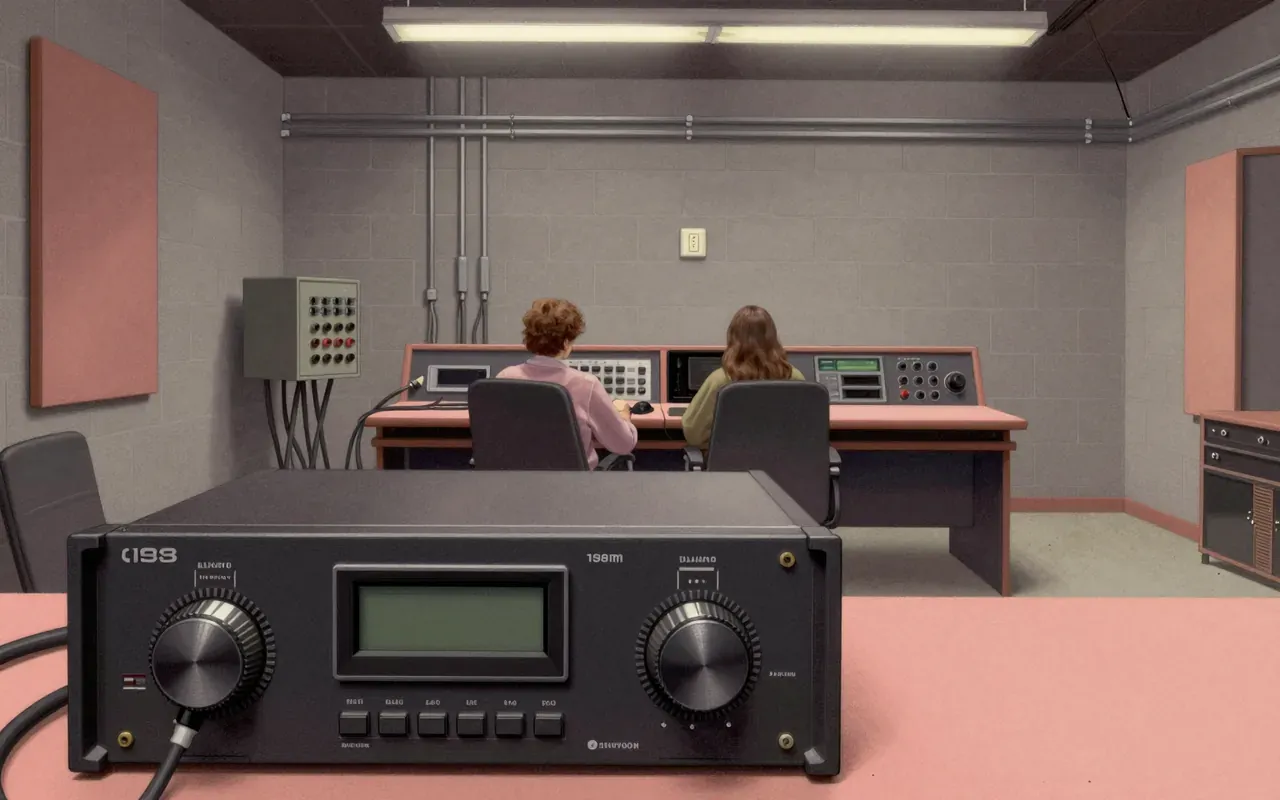
The Akai S900 is a 1986 12-bit digital sampler built for studio-based sampling and real-time playback in a 19-inch rack format. It was designed as Akai’s first professional sampler, bridging the gap between the single-sample S612 and the higher-end S1000.
How it works, in terms a player would use
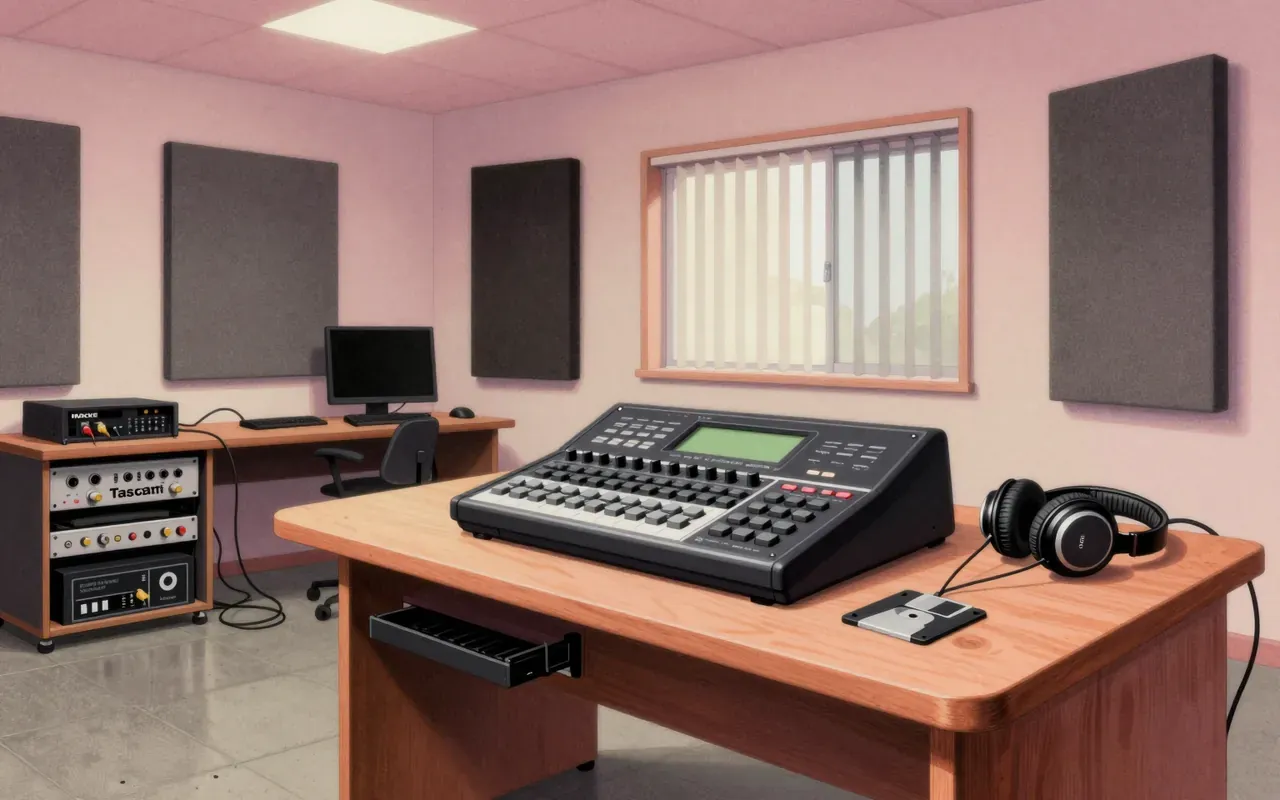
It loads samples from floppy disk at variable rates between 7.5 kHz and 40 kHz. It holds up to six active samples at once. Looping is set per sample, with a unique forward-backward alternating mode. Firmware upgrades arrive via floppy disk from version 1.2 onward.
What it does better than anything else
It is the only Akai sampler with alternating forward-backward looping — a feature dropped in the S1000 series. It was the first professional Akai sampler, establishing the template for later models including the S950.
What it does badly
It offers no more than six simultaneous samples. Its 12-bit resolution limits dynamic range and introduces audible grain at lower sample rates. It lacks the S1000’s expanded memory, filter options, and stereo output architecture.
What people made with it
Producers used it for gritty, lo-fi drum hits, stuttered vocal phrases, and tape-like texture loops — especially where forward-backward cycling created organic, non-repetitive rhythmic decay.
Who should use it, and who should not
Studio builders seeking hands-on, hardware-only sampling with intentional 12-bit colour and loop-driven composition should use it. Anyone needing polyphony beyond six voices, stereo sample editing, or USB/firmware update convenience should not.
Is it worth your time
Yes — if you need raw, tactile looping control and low-bit character in a hardware sampler that fits into a 19-inch rack. No — if you require more than six voices, higher fidelity, or modern workflow integration.