What it is and what it was built for
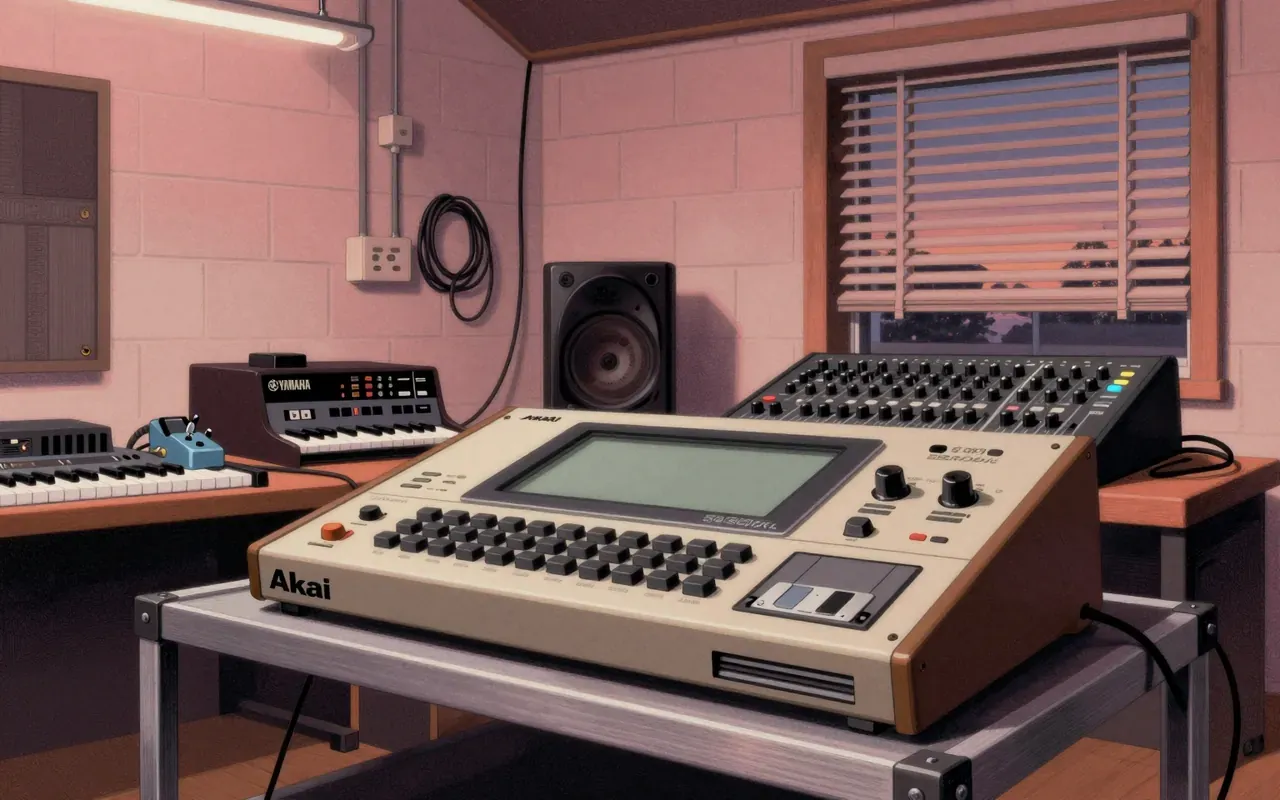
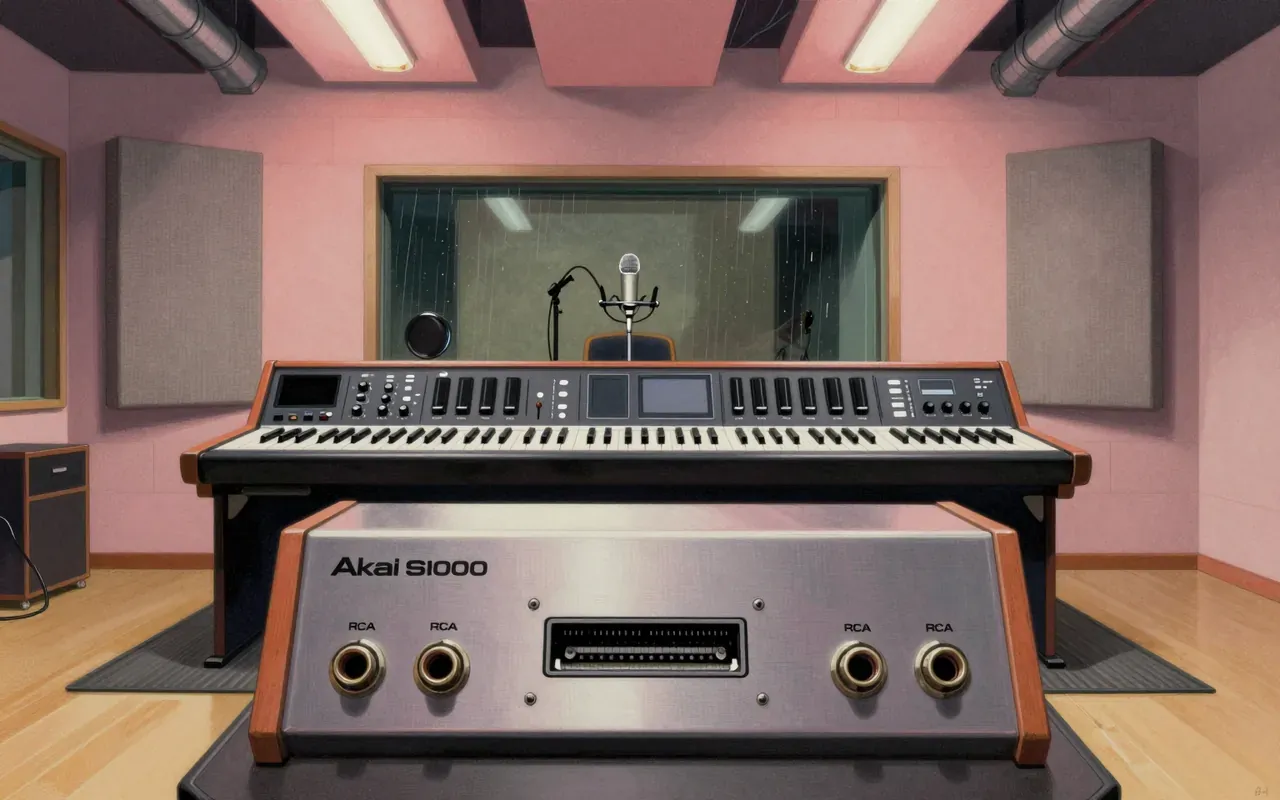
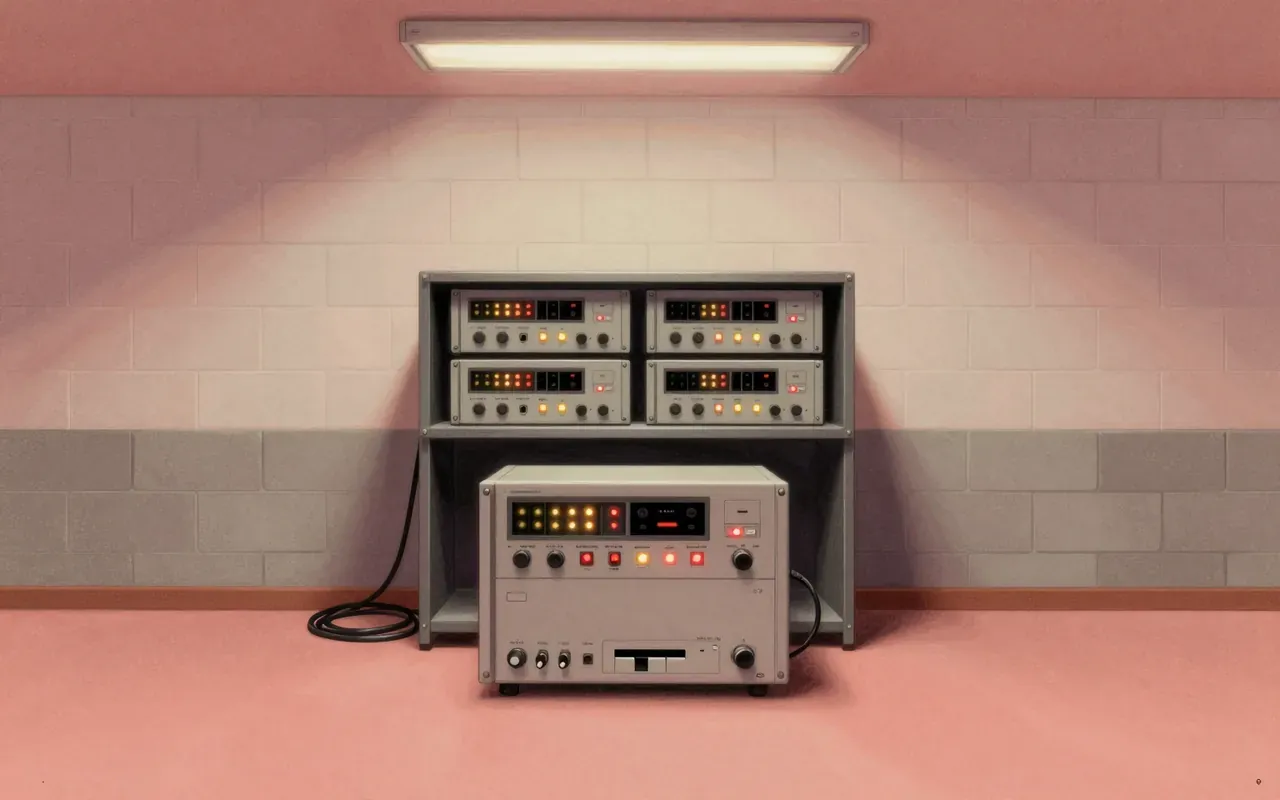
The Akai S3000XL is a 16-bit digital sampler built for recording, editing, and playing back audio samples in professional studios. It was designed as a successor to the S1000 series and released in 1995.
How it works, in terms a player would use
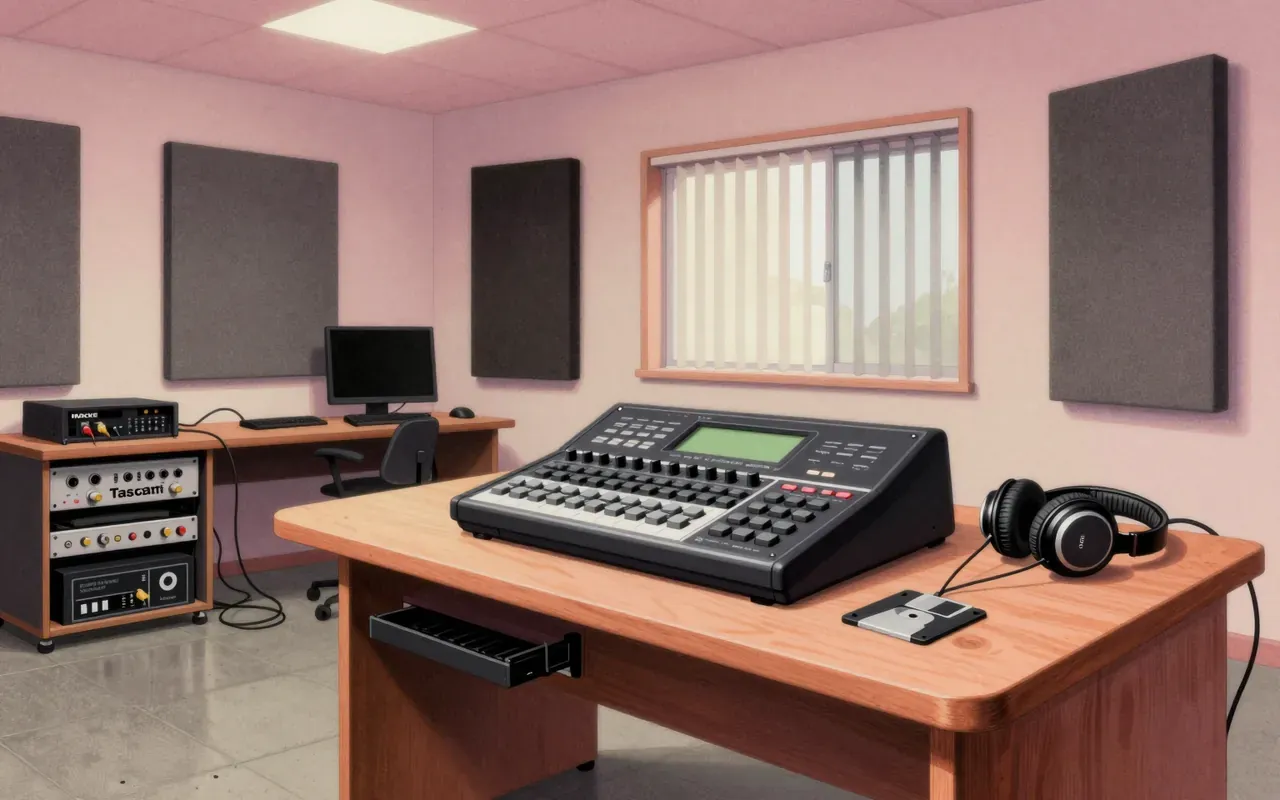
It loads samples via a 3.5” floppy drive that reads Akai-formatted floppies or via SCSI-connected devices like zip drives, external hard disks, CD readers, or computers running the MESA editor. It has 2 MB of built-in RAM and 32-voice polyphony. Editing happens on a large screen with an easy-to-navigate interface.
What it does better than anything else
Its large screen and intuitive interface make deep sample editing faster and more direct than on earlier samplers. That combination—screen size plus navigation logic—gives it unmatched immediacy for trimming, looping, and layering in a hardware-only workflow.
What it does badly
It offers no built-in storage beyond the floppy drive and 2 MB RAM. It lacks modern file compatibility, real-time network transfer, or internal hard disk options. Its discontinued status means no official support or replacement parts.
What people made with it
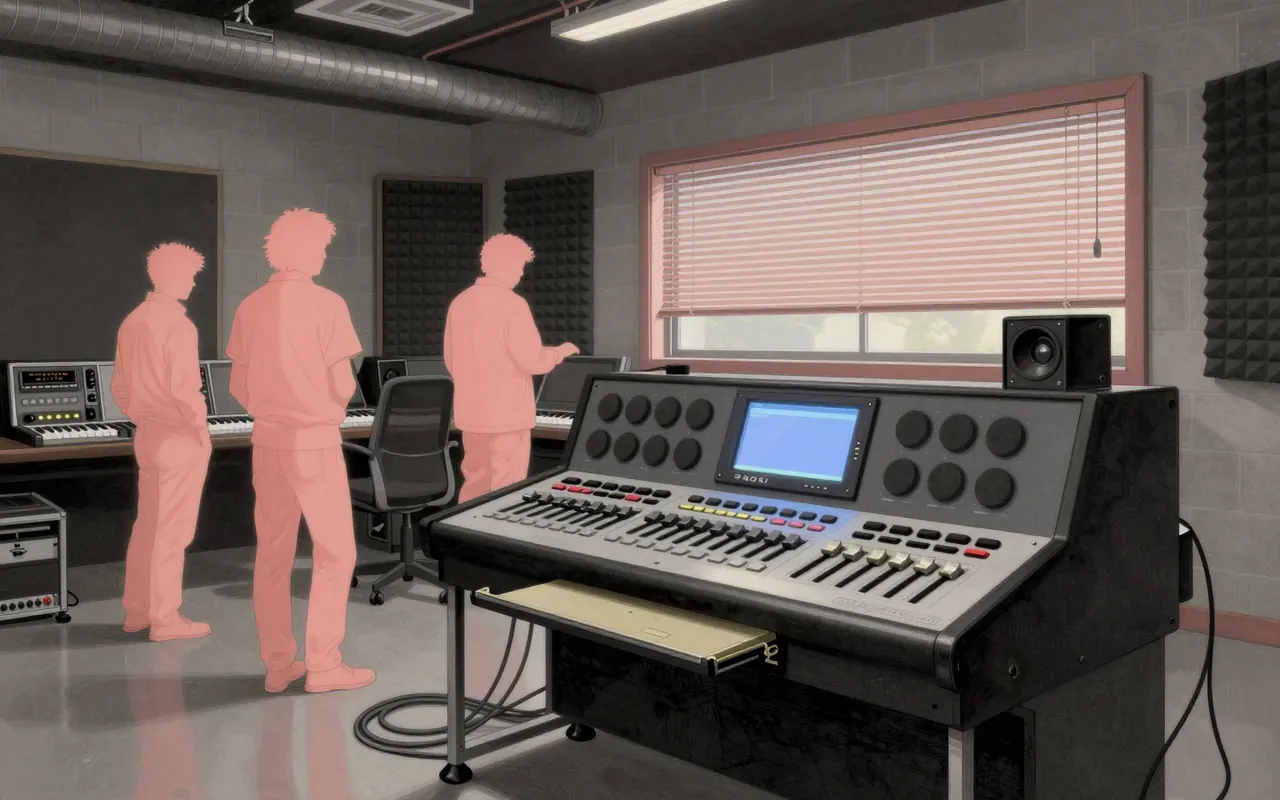
People made full productions in recording studios around the world. Many working units remain in active use—not as nostalgia pieces, but as functional tools for sampling tasks requiring physical control and screen-based precision.
Who should use it, and who should not
Studio engineers and producers who value hardware-based sample editing, have access to SCSI peripherals and Akai-formatted media, and can maintain legacy gear. Not for beginners, laptop-dependent users, or those needing plug-and-play integration.
Is it worth your time
Yes—if you need a tactile, studio-rugged sampler for hands-on sample manipulation and can source working units or service support. No—if you rely on modern connectivity, expandable memory, or ongoing firmware updates.