audiobriefs
10:28in productionCh. 1 · Sampling is a negotiation/ 10:28 · ceiling 15 min
Sound design & sampling

Akai S700

It trades fidelity for speed — and never apologises.

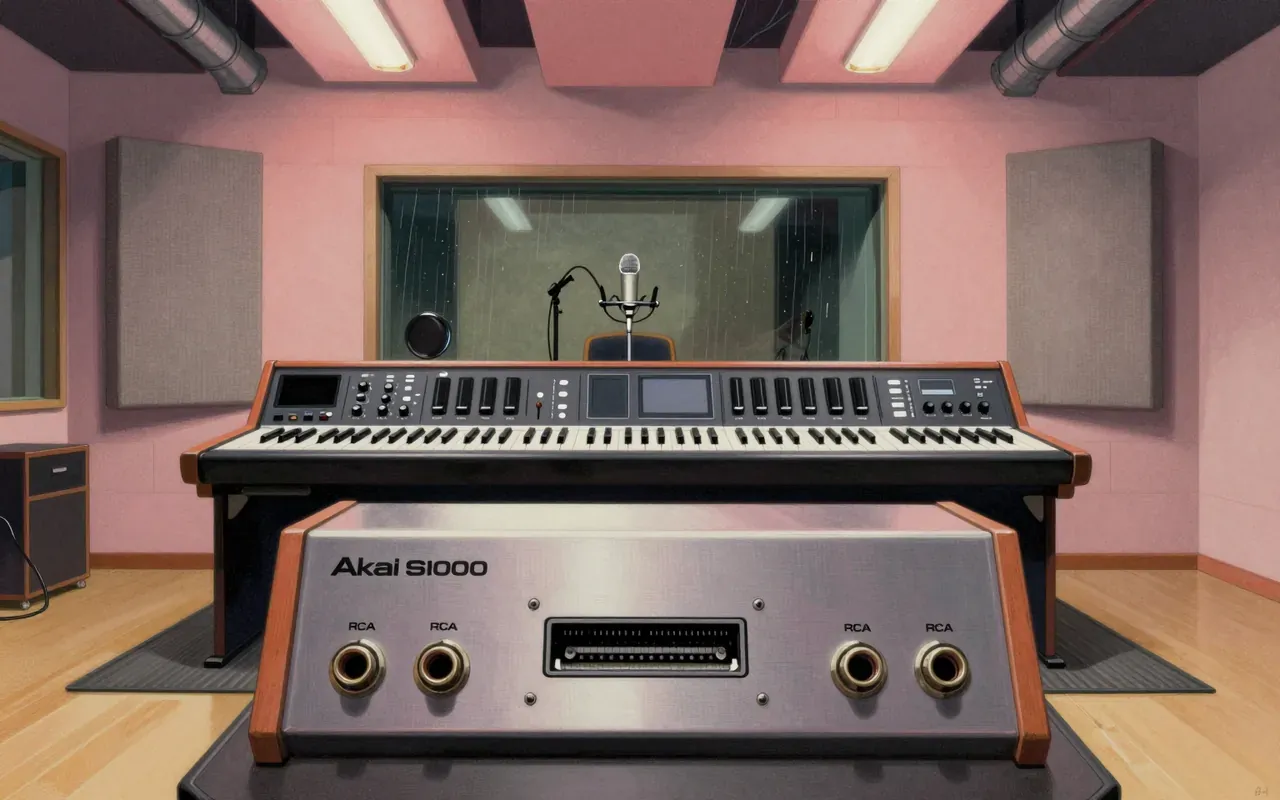
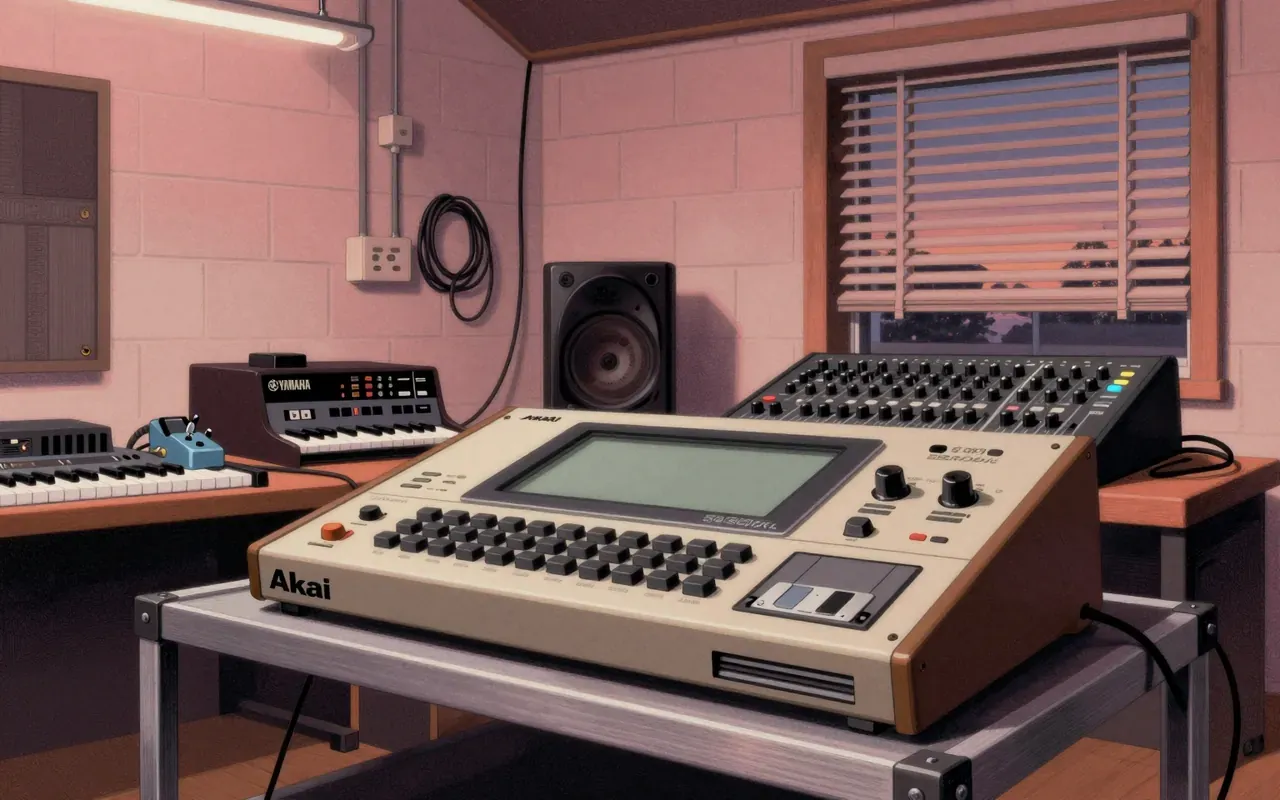
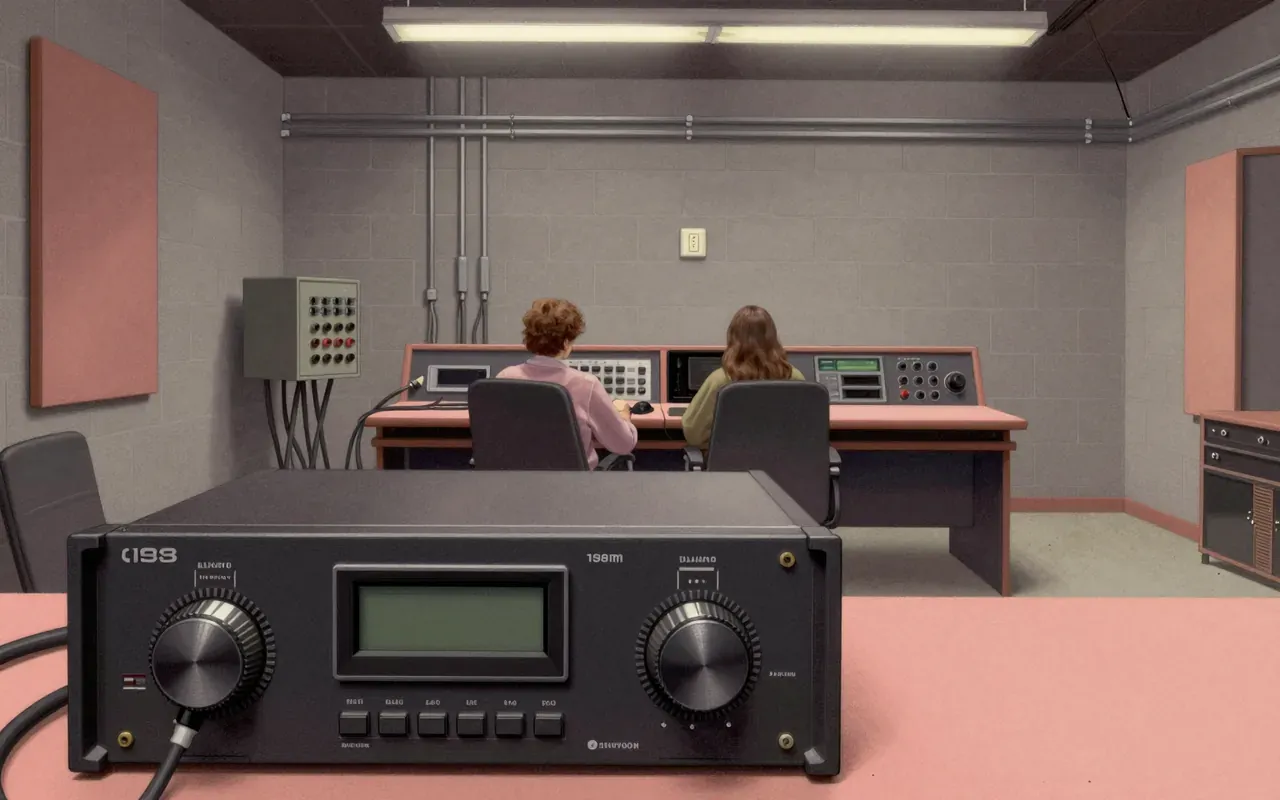
The Akai S700 is a 1987 rack-mount 12-bit sampler derived from the X7000 keyboard model. It samples mono at 4–32 kHz, holds up to 8 seconds, but at 16 kHz allows only six 0.8-second samples. It offers 6-voice polyphony, non-resonant low-pass filtering, and QuickDisk storage. It is user-friendly but rigid: no stereo, no resonance, no modern file support, no workarounds.

Chapters & takeaways4
  1. 1:03
    Sampling is a negotiation

    It samples mono at 4–32 kHz, but max bandwidth forces brutal trade-offs: just six 0.8-second clips at 16 kHz.

  2. 2:25
    No expansion, no compromise

    Six voices, 12-bit mono, and QuickDisk-only storage lock it into a specific, unyielding workflow.

  3. 5:06
    Simple to play, narrow to shape

    Its user-friendly design delivers fast triggering—but the non-resonant filter gives zero tonal control.

  4. 6:50
    Same sound as the S612

    It shares filters and effects with the S612—so its sonic palette is known, fixed, and unvaried.

Worth your time?

Yes. Use the whole thing.

3.5/ 5
What works
  • fast mono sampling
  • real-time triggering
  • tactile, minimal interface
What does not
  • support stereo sampling
  • offer resonant filtering
  • use modern storage media
  • allow sample editing beyond basic truncation
Use it if
  • producers who want immediate mono phrase capture
  • artists committed to 12-bit texture
Skip it if
  • anyone needing fidelity, flexibility, or reliability beyond QuickDisks
The written brief1 min read

What it is and what it was built for

The Akai S700 is a 1987 rack-mount 12-bit sampler derived from the X7000 keyboard model. It was built for quick, hands-on sampling in studio or live contexts where speed and simplicity outweigh fidelity or memory.

How it works, in terms a player would use

It samples mono audio at 4–32 kHz with 12-bit resolution. It holds up to 8 seconds of sample time, but at 16 kHz it records only six 0.8-second samples. It plays back with 6-voice polyphony, expandable to 16. It uses non-resonant low-pass filtering. It stores samples on 2.8-inch QuickDisks.

What it does better than anything else

It delivers faster, more intuitive sampling than the X7000 keyboard. Its rack-mount form and dedicated controls make it quicker to trigger and layer short phrases in real time. Its user-friendly layout prioritises immediacy over flexibility.

What it does badly

It fails at long or high-fidelity samples. Its 12-bit mono sampling yields a lo-fi sound that cannot be cleaned up. Its QuickDisk storage is obsolete and fragile. Its 6-voice polyphony chokes on dense arrangements. Its non-resonant filter gives no timbral shaping beyond basic roll-off.

What people made with it

The sources do not state what people made with it.

Who should use it, and who should not

A producer who values raw, immediate mono sampling and has access to working QuickDisks should use it. Anyone needing stereo, longer samples, resonant filters, or modern file storage should not.

Is it worth your time

It is worth your time only if you need lo-fi mono sampling with tactile, immediate workflow and can source working QuickDisks. Its constraints are hard limits—not quirks—and its interface offers no workarounds.
Same bench · Sound design & sampling4 of 107
Up next in Audio

TC Electronic SCF Stereo Chorus Flanger

TC Electronic · 10:53

It does chorus better than any flanger — and that’s the point.

10:53