Akai XR10
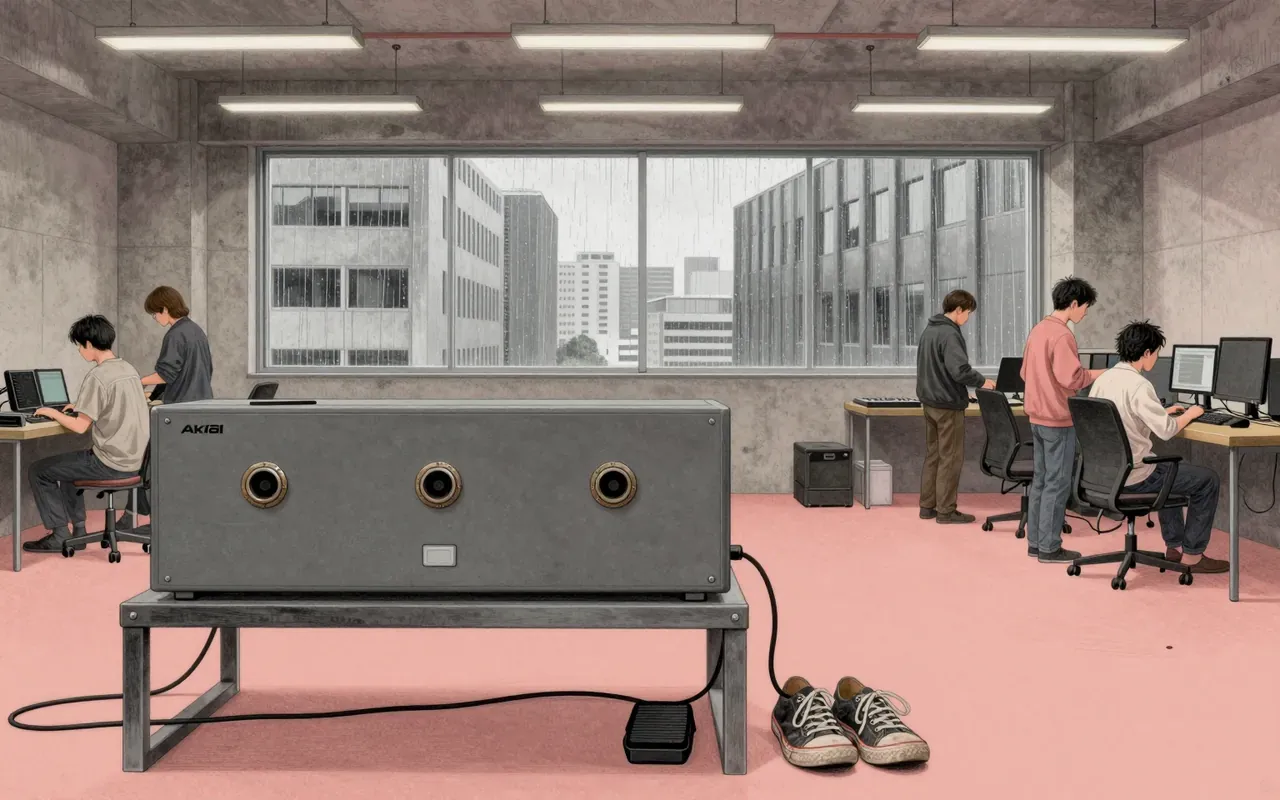
The Akai XR10 is a budget drum machine released in the early nineties. It plays fixed PCM drum sounds from ROM. It has four modes, no backlight, no MIDI Thru, no internal amp or speakers. It is simple, stable, and silent until patched out.
The end of history, briefly believed.

The Akai XR10 is a budget drum machine released in the early nineties. It plays fixed PCM drum sounds from ROM. It has four modes, no backlight, no MIDI Thru, no internal amp or speakers. It is simple, stable, and silent until patched out.

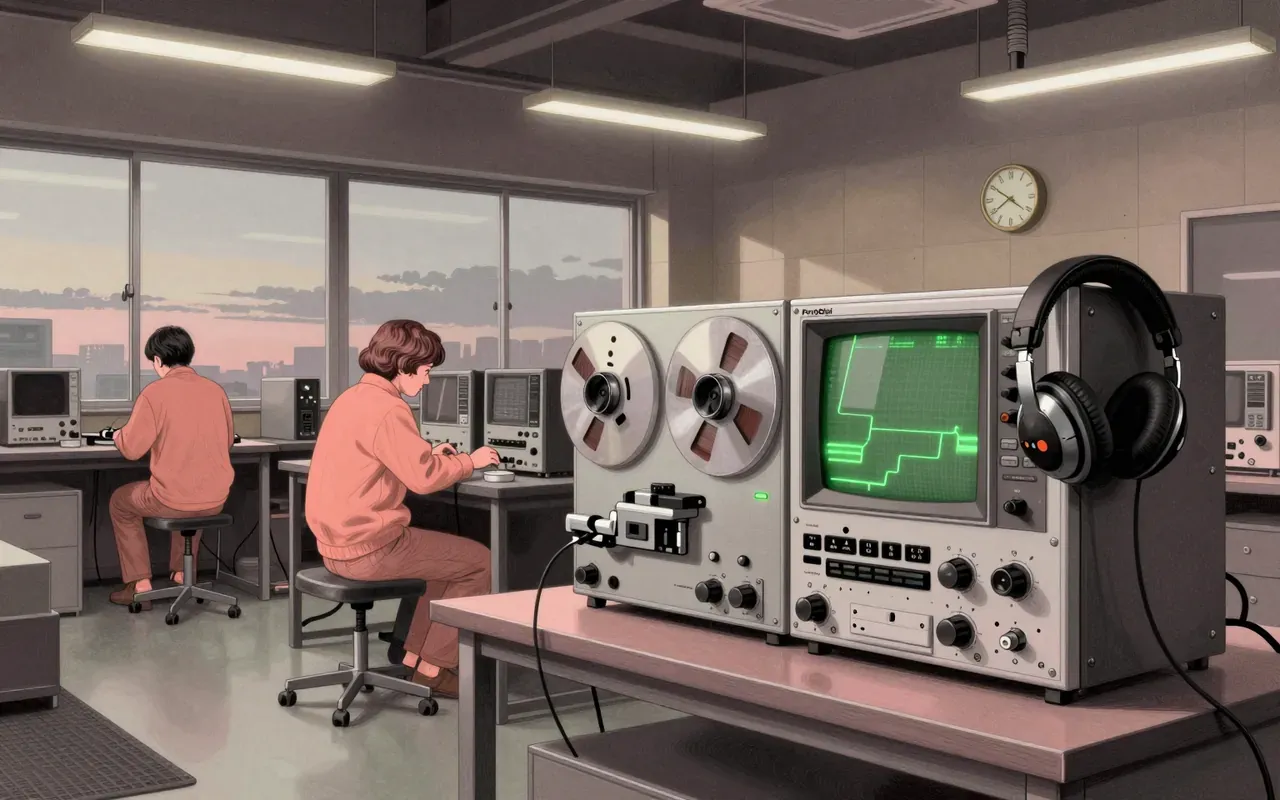
ProDigi was a professional reel-to-reel digital audio tape format with stationary heads, introduced in the mid-1980s, using linear digital recording with cyclic redundancy check error correction on metal particle tape in 2-, 16-, and 32-track configurations; it was widely adopted in Nashville country music studios but declined by the mid-1990s with the rise of Pro Tools.

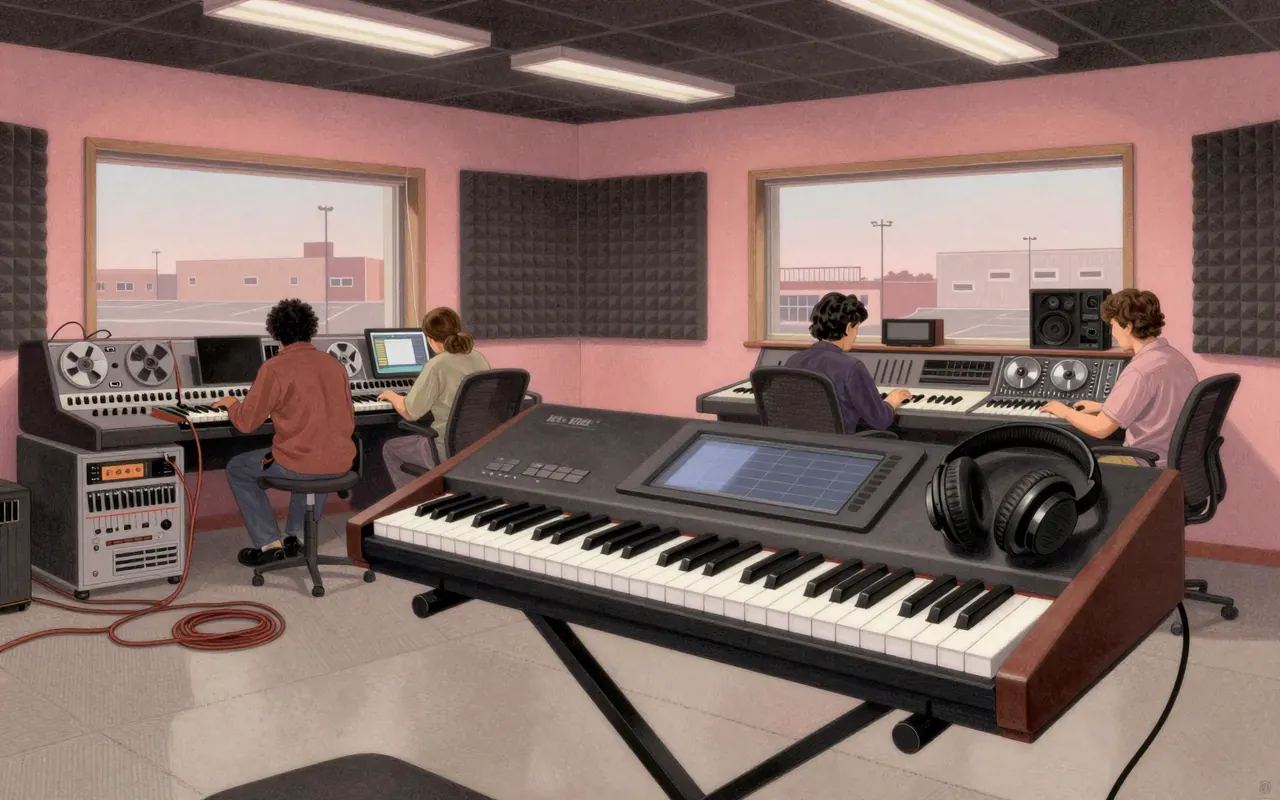
The Korg Trinity is a 1995 music workstation. It was Korg's first modern workstation. It introduced a large touchscreen for advanced control and editing functions. It became the flagship successor to the M1. It introduced resonant filters to Korg's workstation line. It offered built-in digital audio recording, 32-note polyphony, an extensive internal sound library, and assignable effects.

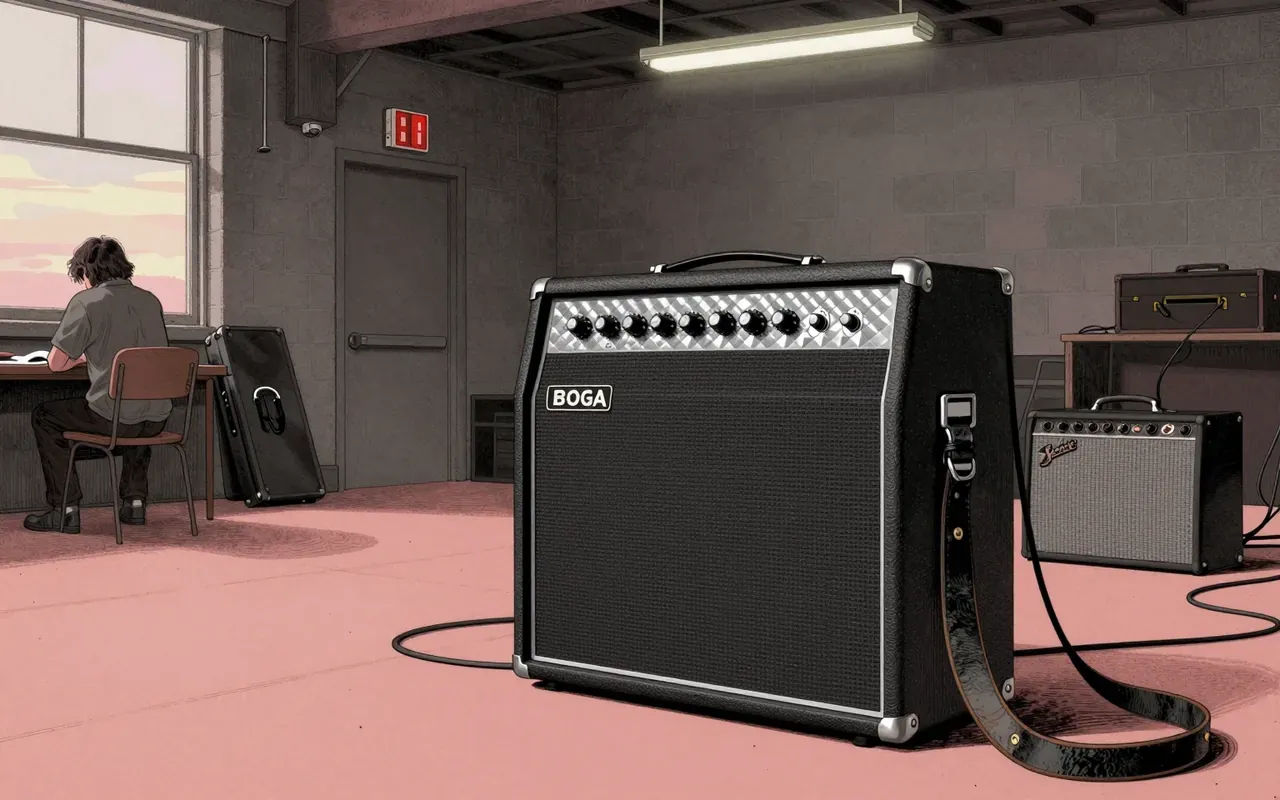
The Mesa/Boogie Rectifier is a 100-watt tube guitar amplifier introduced in 1991 or 1992, built for aggressive, bass-heavy distortion and refined across seven circuit revisions. It defined 1990s rock tone—but offered little clean headroom, resisted nuance, and cemented Mesa’s association with metal over its broader legacy.

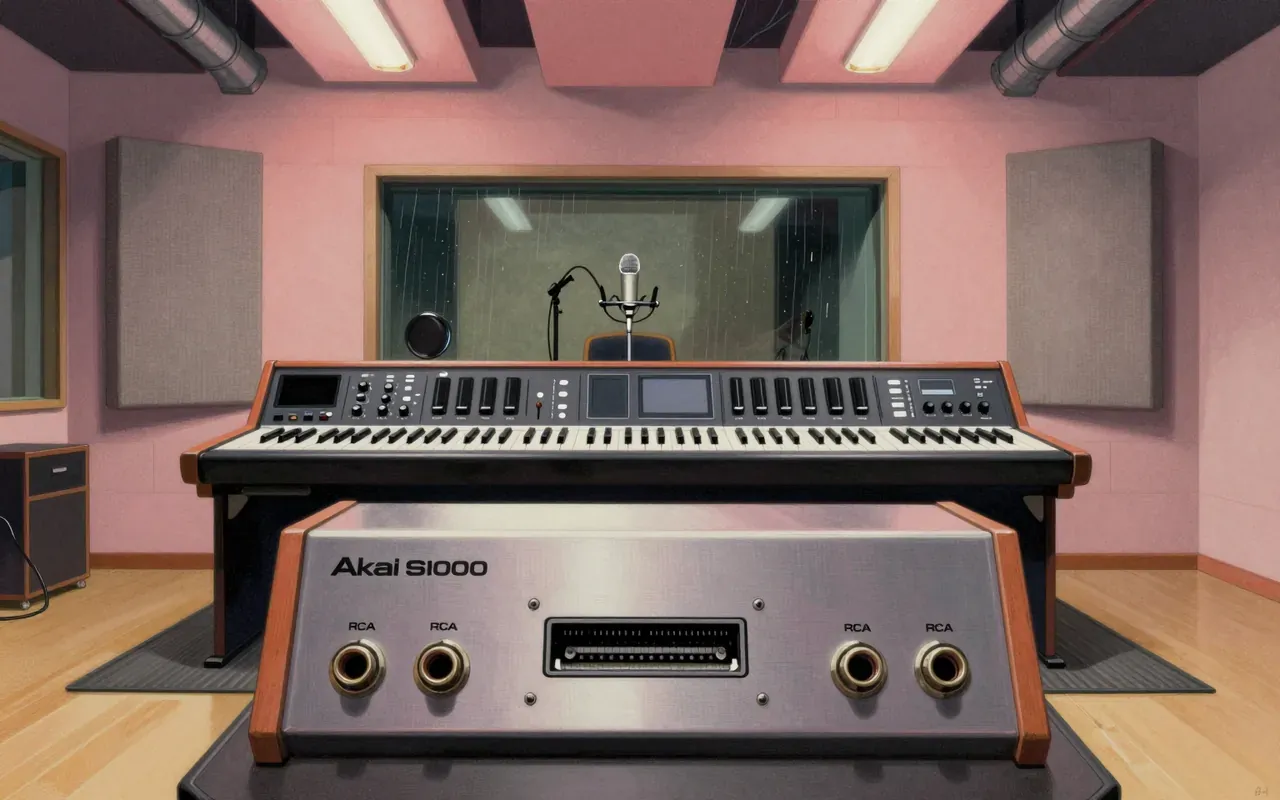
The Akai S1000 was a 16-bit stereo digital sampler released in 1988. It offered CD-quality sampling, 24-bit internal processing, digital filters, effects routing, and early timestretching. It read CD-ROMs and wrote to SCSI hard disks. Its timestretching was crude but sonically distinctive—used on 'Higher State of Consciousness' and 'RipGroove'. It displaced the S900 as the studio standard.