What it is and what it was built for
The MPC500 is Akai’s entry-level sampling sequencer—a portable, self-contained beat-making station built for quick capture, arrangement, and performance.
How it works, in terms a player would use
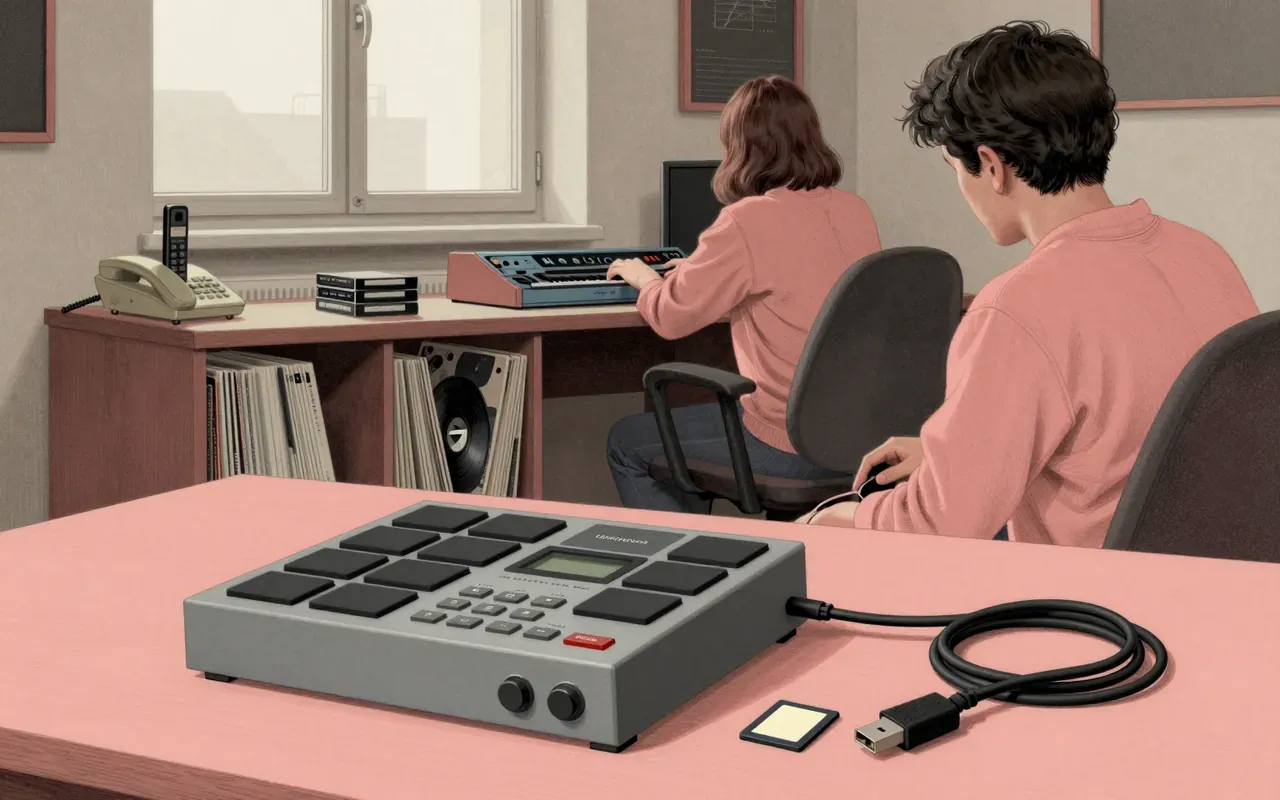
It runs on batteries or AC power. You trigger sounds with 12 velocity-sensitive pads. You sequence across 48 tracks. You load WAV and MIDI files from CompactFlash. You connect via USB for file transfer only. You monitor through a single analog output or headphones. You shape tone with an onboard low-pass filter and basic effects.
What it does better than anything else
It delivers immediate MPC workflow in the smallest, lightest, most battery-friendly package of its era. Its interface is intuitive by design: no manual needed for basic sequencing, sampling, or playback.
What it does badly
It cannot chop samples onboard. It has no screen real estate to visualise waveforms or edit slices. It offers only one audio output—no separate mix bus, no assignable outs, no monitoring options beyond mono line or headphones.
What people made with it
No specific releases, artists, or recordings are cited in the source material.
Who should use it, and who should not
Beginners who want tactile MPC sequencing without computer dependency for playback or triggering. Not for producers who need sample manipulation, multitrack monitoring, or deep editing on-device.
Is it worth your time
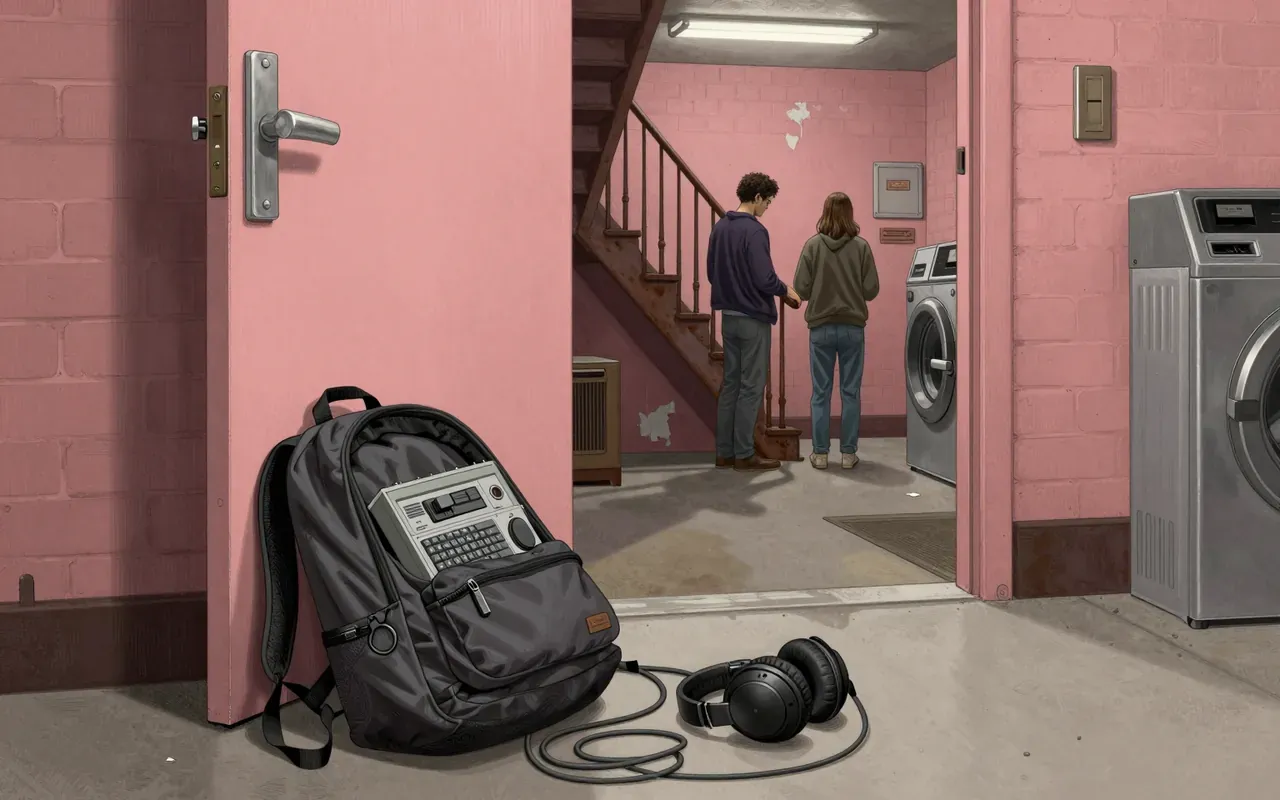
Yes—if you want a portable, self-contained sampling sequencer that boots fast, needs no manual, and fits in a backpack. No—if you need to chop samples on the device, route audio internally, or view more than one parameter at a time.