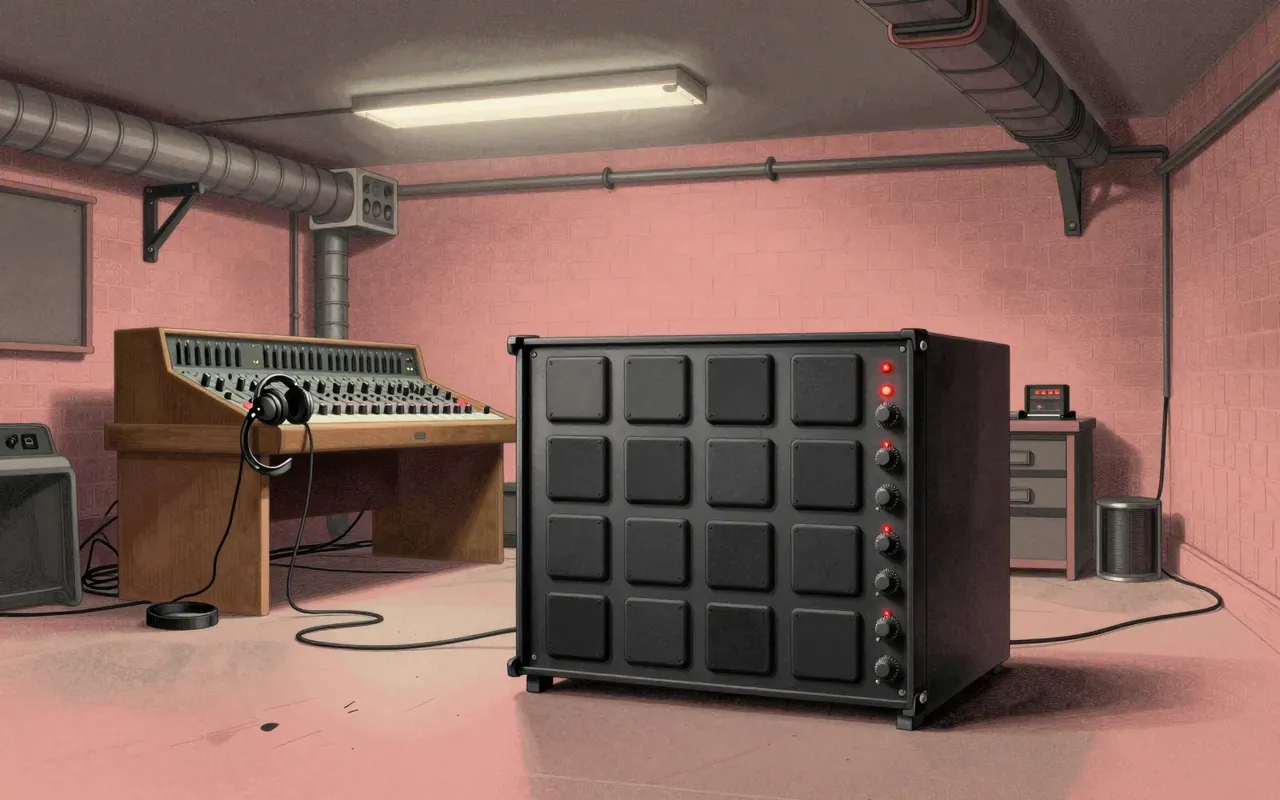
The MPC1000 isn’t a compromise — it’s the first MPC designed to leave the studio and keep working.
The MPC1000 delivers the MPC workflow in a smaller, cheaper, more portable form. It adds six outputs, built-in effects, and memory expansion over the MPC2000 — while storing samples as WAV and sequences as MIDI on CompactFlash. Build quality is reduced, but sound quality is preserved. It is a sampling and sequencing instrument — not a synth, not a DAW, not a controller.
It’s the direct evolution of the MPC2000 — with more outputs, effects, and memory, but no loss of core sequencing logic.
2:47
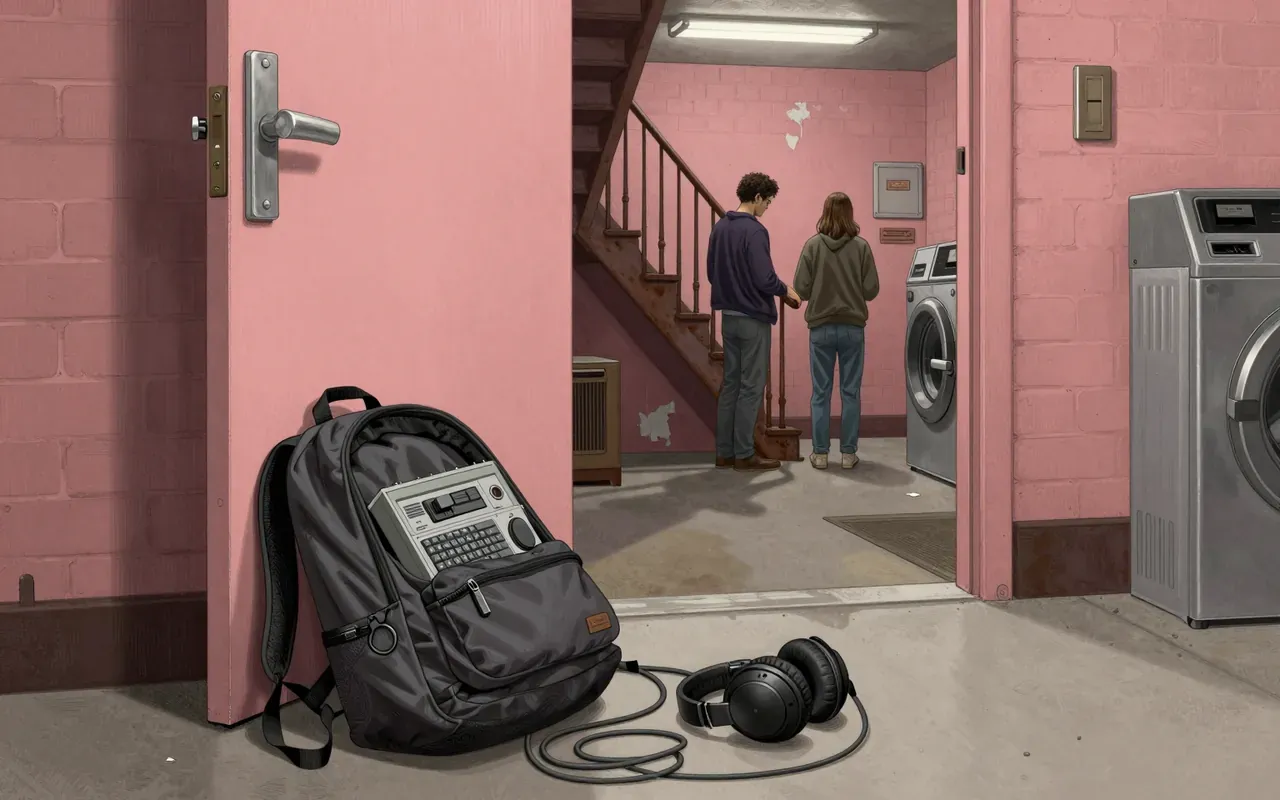
Built for the bag, not the rack
CompactFlash storage and physical portability made it the first MPC you could reliably take to a gig and start playing in under a minute.
4:05
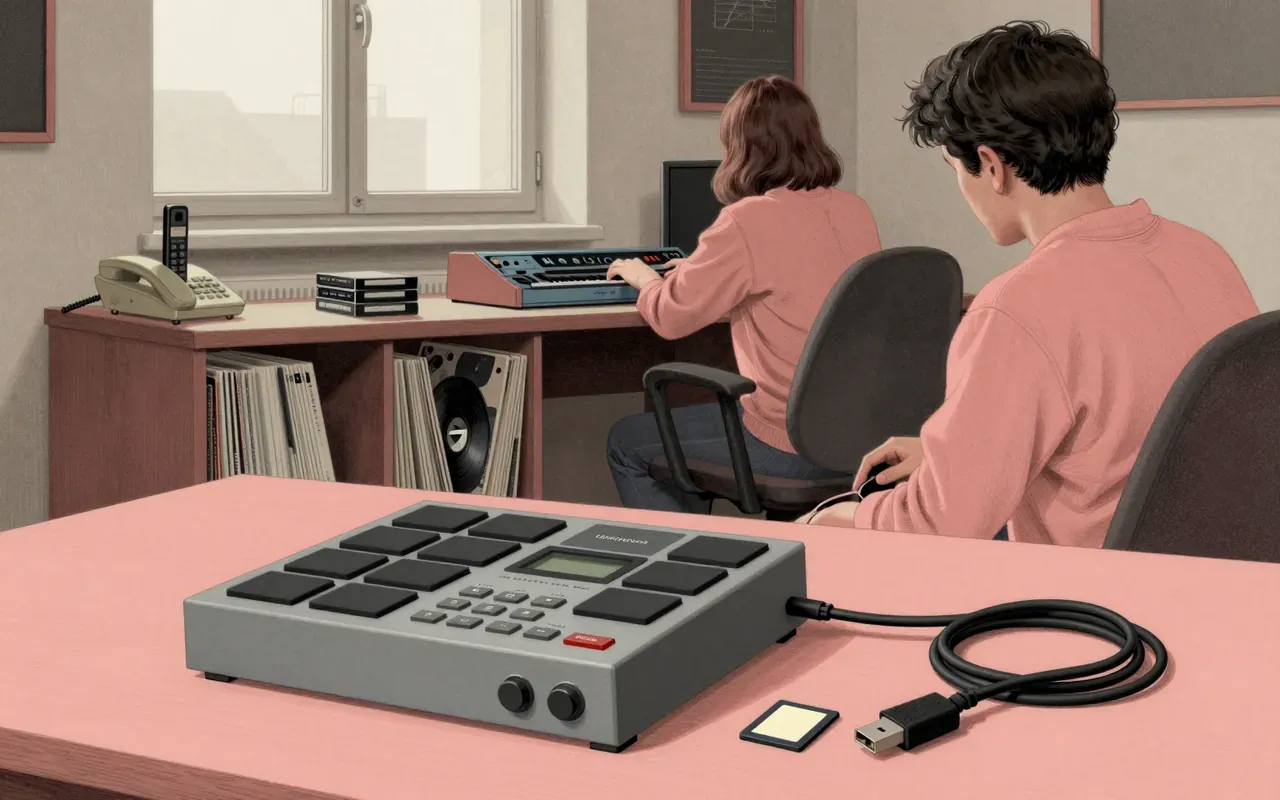
Tactile, not tank-like
Rubber pads and Q-Link sliders deliver immediate performance control — but cheaper construction means less durability over years of touring.
6:20
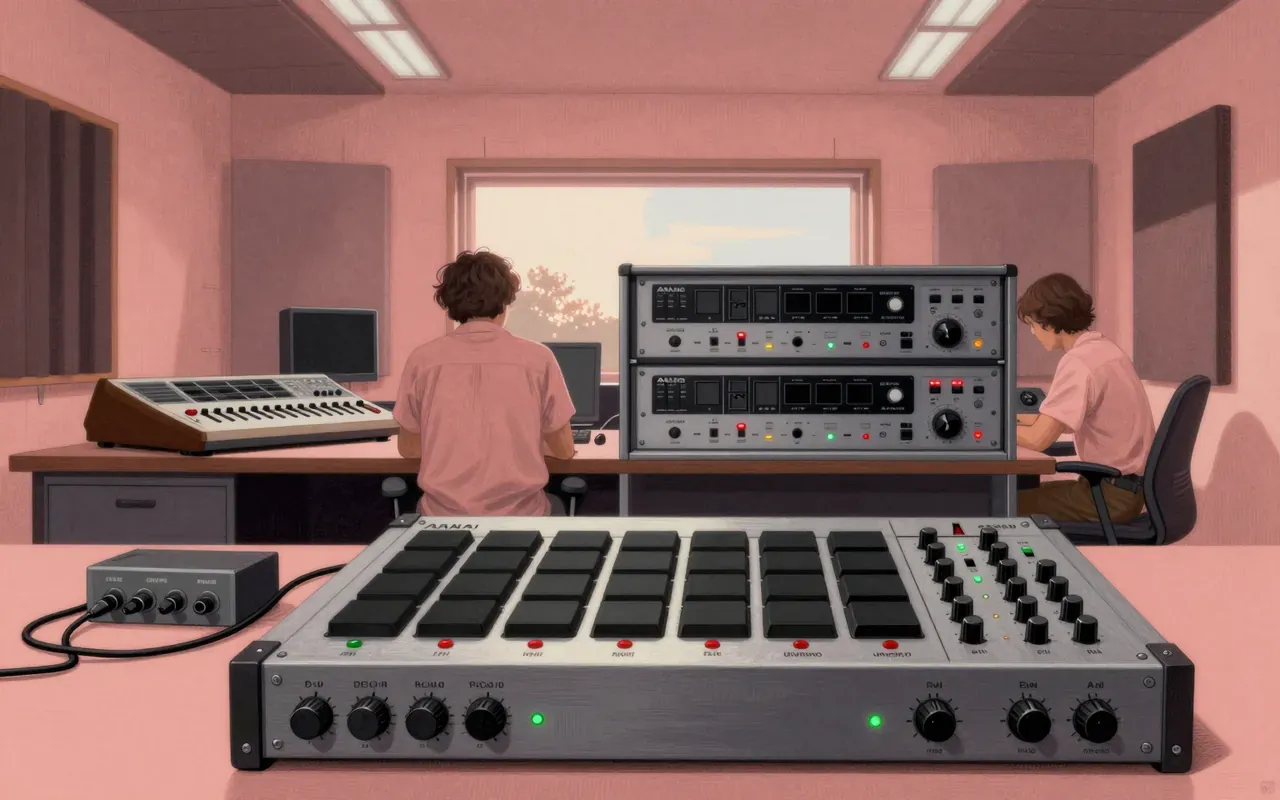
More tracks, not more roles
Six outputs, 99 sequences, and built-in effects give it studio-scale flexibility — yet it remains strictly a sampler and sequencer, not a synth or DAW controller.
Worth your time?
Yes. Use the whole thing.
4/ 5
What works
portable sequencing
CF-based project swapping
real-time pad and slider control
six-output routing
What does not
not a synthesizer
not a DAW
not a MIDI controller for software
Use it if
beat-makers
live performers
sample-based producers
Skip it if
sound designers needing deep synthesis
mix engineers requiring high channel count
modern USB audio users
The written brief1 min read
What it is and what it was built for
A compact stereo digital sampler and 64-track MIDI sequencer built for portable beat-making and live performance. It extends the MPC lineage with affordability, expandability, and real-time control — not studio integration or deep synthesis.
How it works, in terms a player would use
It loads WAV samples and MIDI sequences from CompactFlash cards. You trigger sounds with 16 velocity- and pressure-sensitive rubber pads. Two Q-Link sliders adjust parameters in real time. It runs a 64-track MIDI sequencer alongside a 32-voice stereo sampler. Built-in multi-effects and filters process audio on board. You store up to 99 sequences and 20 songs internally.
What it does better than anything else
It balances portability, expandability, and MPC workflow better than any predecessor: six outputs, upgradable memory (16MB to 128MB), and CF-based project management make it the first truly gig-ready MPC for laptop-free production.
What it does badly
Build quality is reduced versus earlier MPCs. It has no internal hard drive, limiting sample library size without constant card swapping. Only two Q-Link sliders restrict real-time parameter control compared to later models with more assignable controls.
What people made with it
Producers used it for full-track composition, live looping, and sample-based hip-hop and electronic music — relying on its pad responsiveness, CF-based workflow, and built-in effects to move between studio and stage without a computer.
Who should use it, and who should not
Beat-makers who value tactile sequencing, sample manipulation, and hardware independence. Not for users needing deep synthesis, high-channel-count mixing, or modern USB audio class compliance.
Is it worth your time
Yes — if you need a portable, self-contained sampling and sequencing workstation that boots fast, swaps projects via CF card, and delivers the MPC workflow without the MPC2000’s bulk or cost.