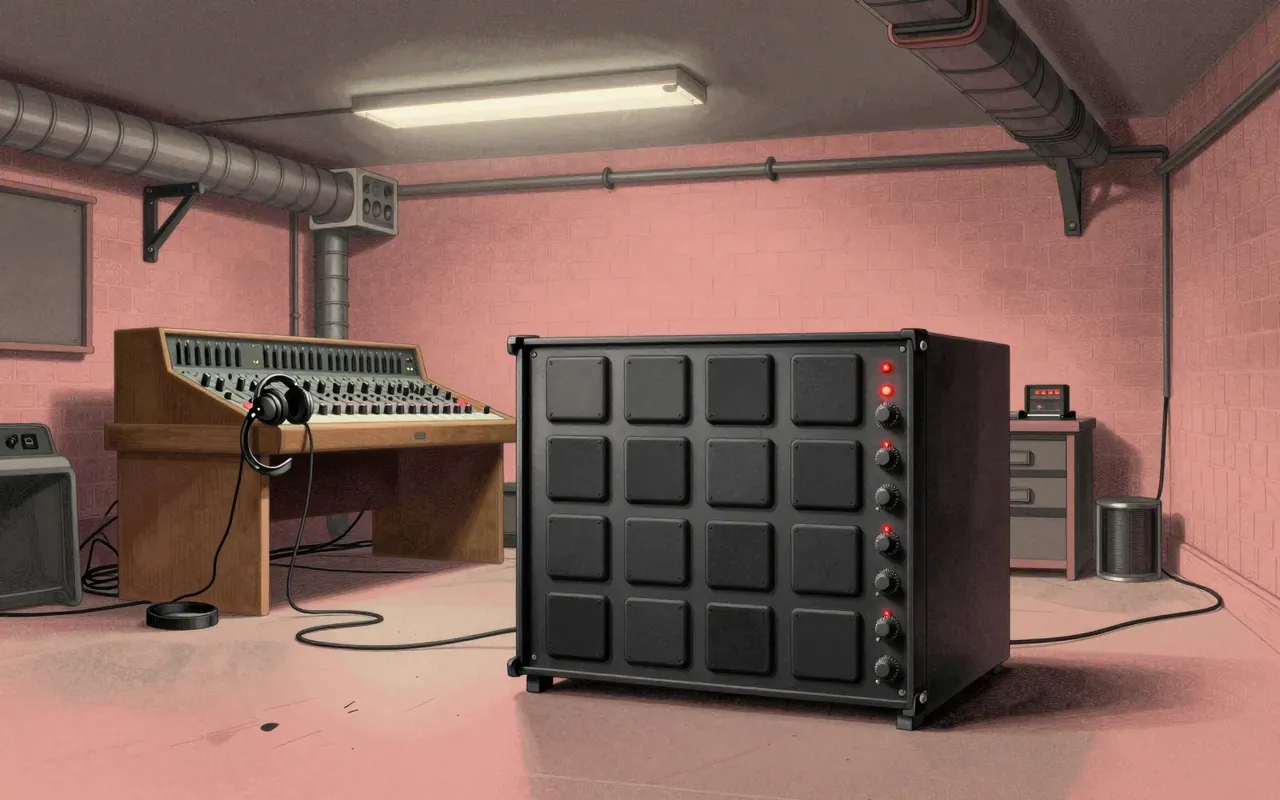
The ASQ-10 is the MPC’s skeleton — all rhythm, no flesh.
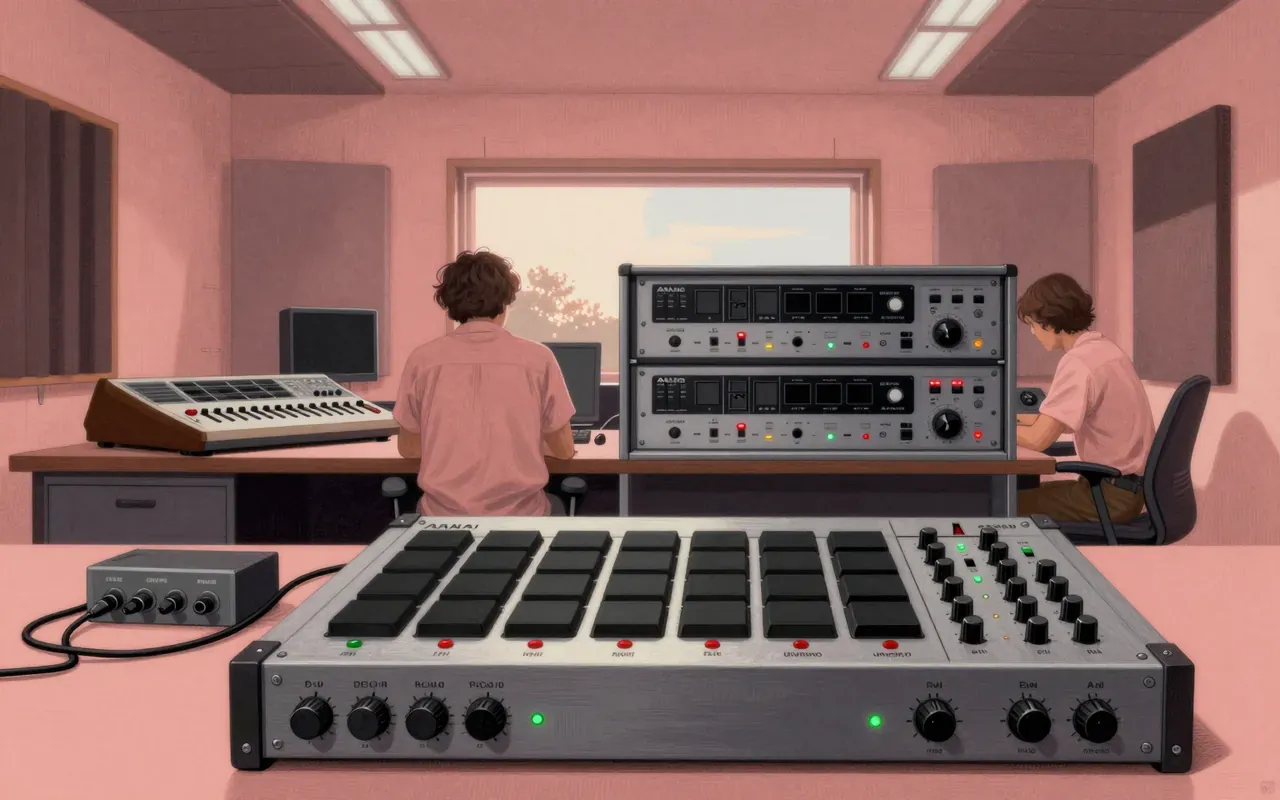
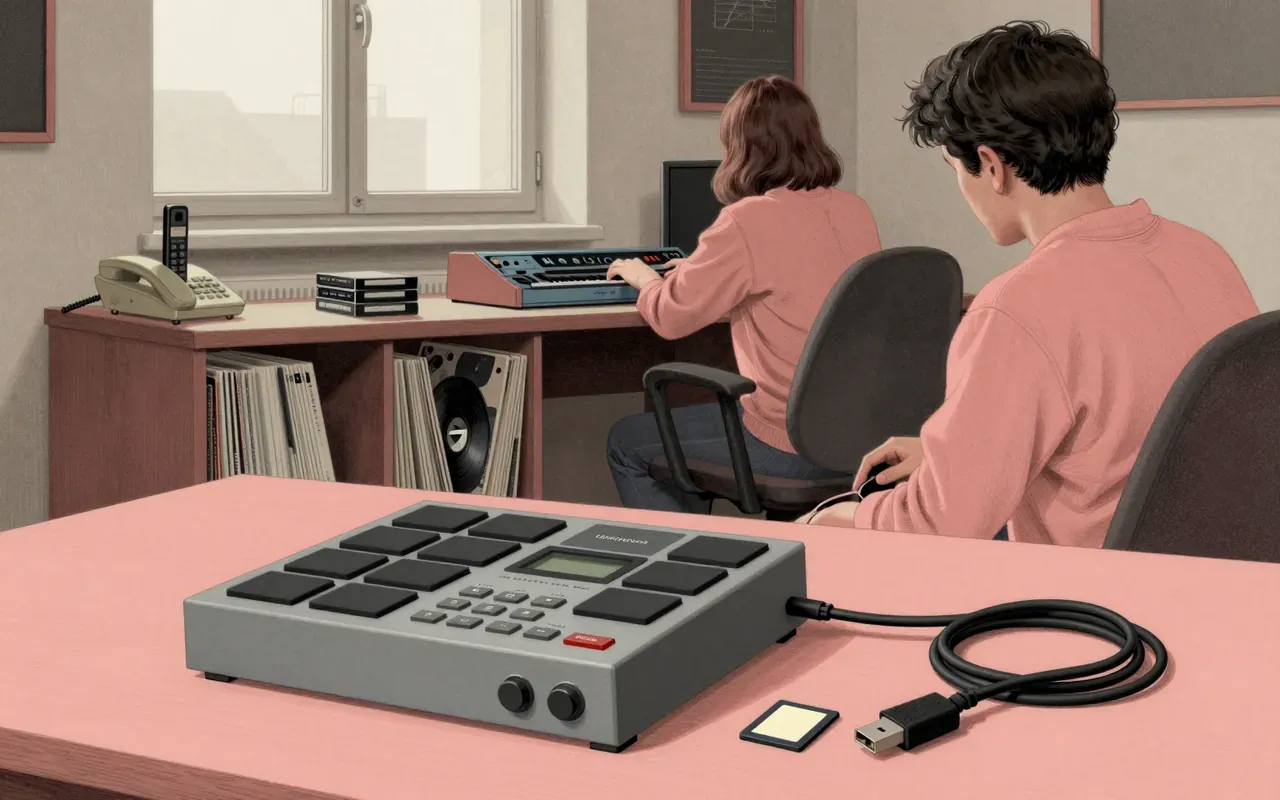
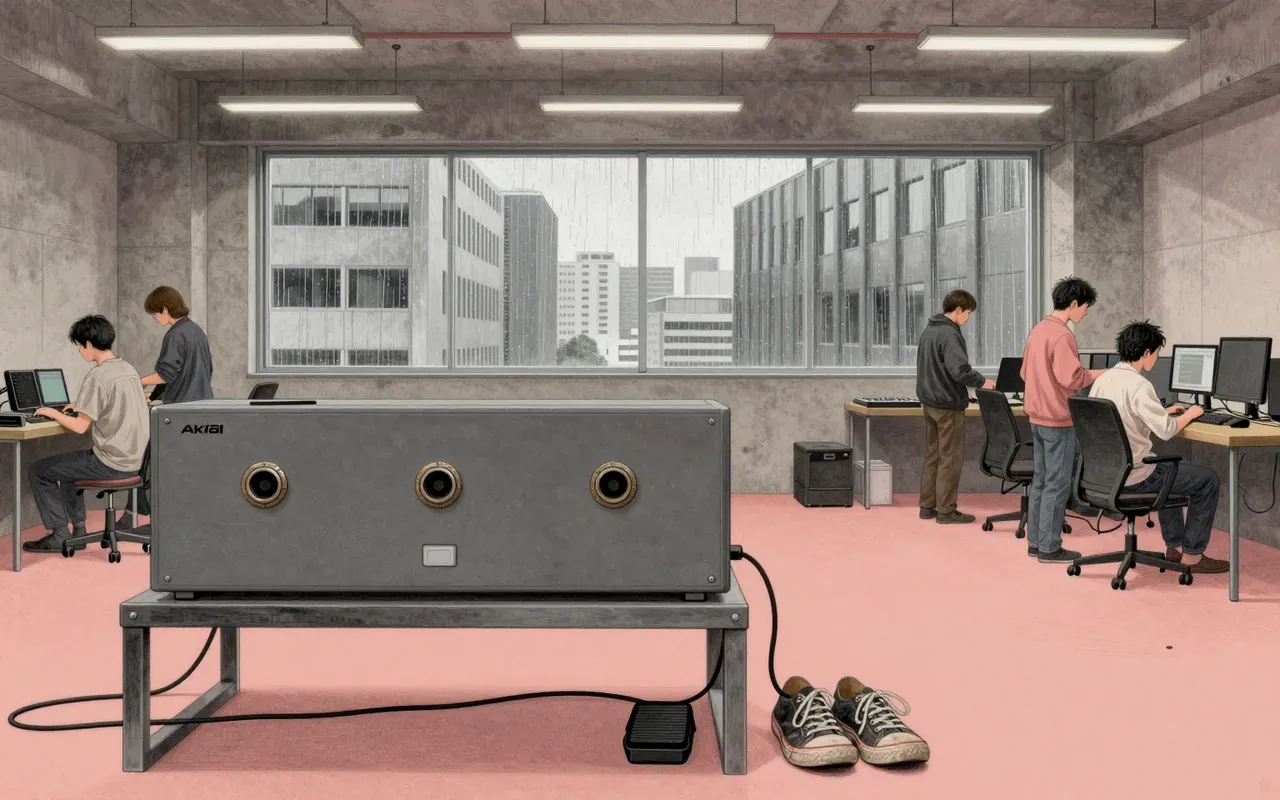
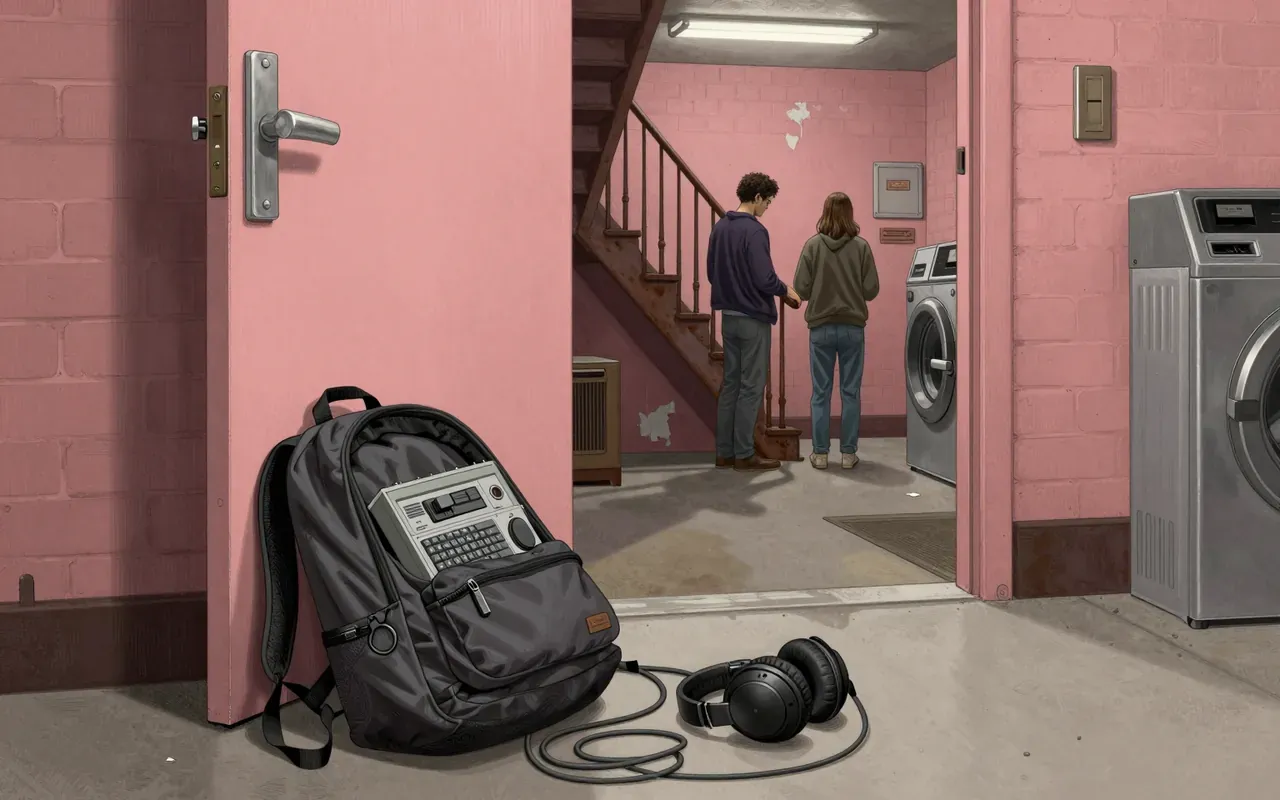
The ASQ-10 is a sequencer-only instrument. It has no sound generation. It does not sample. It exists solely to trigger, time, and lock external gear. Its design enables rhythmic complexity unplayable by hand — then corrects timing drift across the chain. It is the first MPC-shaped workflow, before the MPC existed.
It is the MPC stripped bare — sequencer only, no sampler, no synth.
2:04
Rhythms Impossible to Perform
Step-mode unlocks rhythms no human can play — then locks them in time.
3:04
Master Clock With Teeth
Swing is adjustable. Timing deviations are corrected — it runs the show.
4:10
The Best Sequencer in the World
One user calls it the best sequencer in the world — and means it literally.
Worth your time?
Yes. Use the whole thing.
4.5/ 5
What works
step-mode sequencing
swing adjustment
master clock timing correction
MPC-style pad layout
What does not
make sound
record audio
store samples
connect via USB
Use it if
vintage-MIDI studios
rhythm-first producers
MPC workflow purists
Skip it if
laptop-based producers
sound designers needing synthesis
anyone without external synths or drum machines
The written brief1 min read
What it is and what it was built for
The Akai ASQ-10 is a standalone hardware sequencer designed by Roger Linn. It was built to control external synths and drum machines with precision, not to make sound itself.
How it works, in terms a player would use
It works like an MPC without sampling: pads for triggering, step-mode and real-time sequencing, master clock with swing and timing correction.
What it does better than anything else
It sequences rhythm with adjustable swing and timing correction better than any other standalone hardware sequencer of its era — enabling patterns impossible to play in real time.
What it does badly
It does nothing badly as a sequencer — but it does not sequence audio, generate sound, or store samples. It is silent without external gear.
What people made with it
Producers used it to build R&B rhythms Timbaland-style — layering complex, non-human-performable patterns via step-mode after initial real-time capture.
Who should use it, and who should not
Use it if you work with vintage gear and want tactile, clock-stable sequencing. Do not use it if you rely on audio recording, sampling, or USB/MIDI 2.0 integration.
Is it worth your time
Yes — if you need a dedicated hardware sequencer with MPC-like workflow and precise timing control. No — if you need synthesis, sampling, or modern connectivity.