What it is and what it was built for
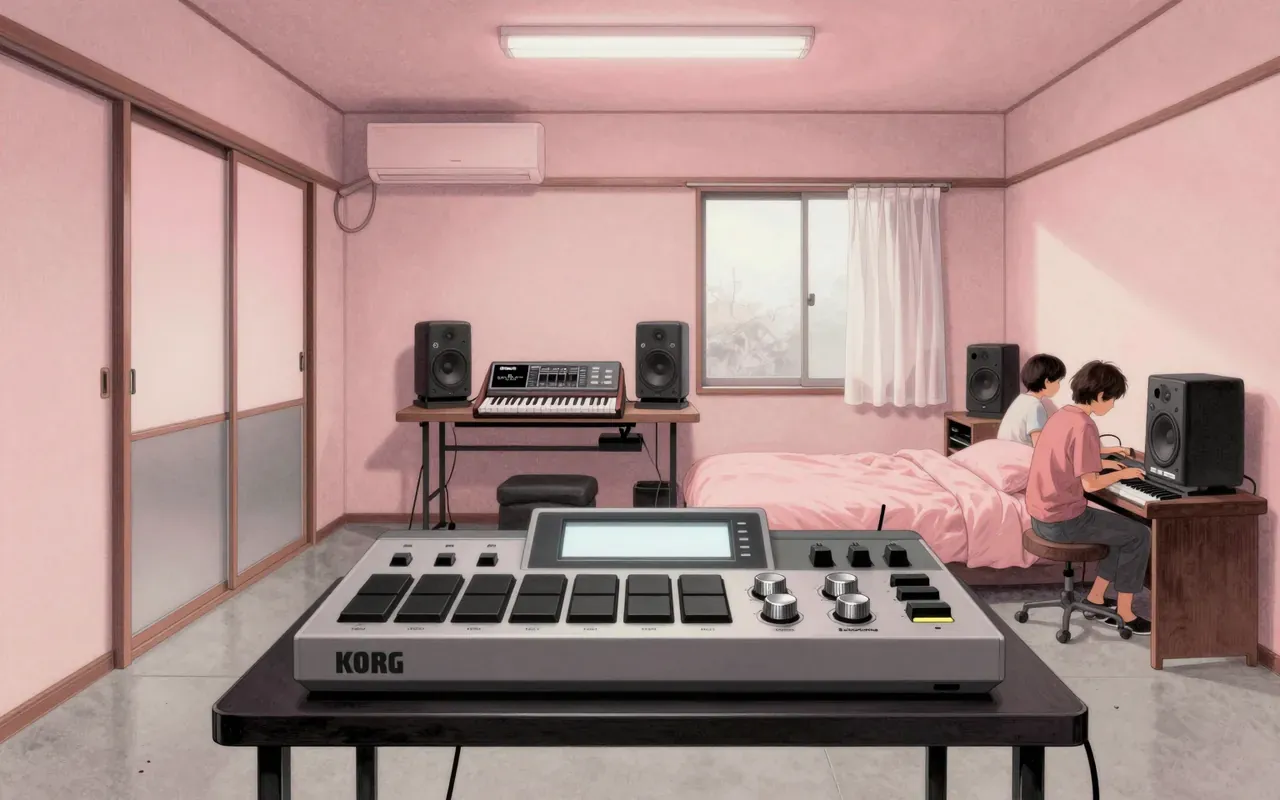
The Akai MPC2500 is a hardware sampling sequencer built for beat-making, loop construction, and live sampling in studio or performance settings. It was designed as a technical upgrade over the MPC2000.
How it works, in terms a player would use
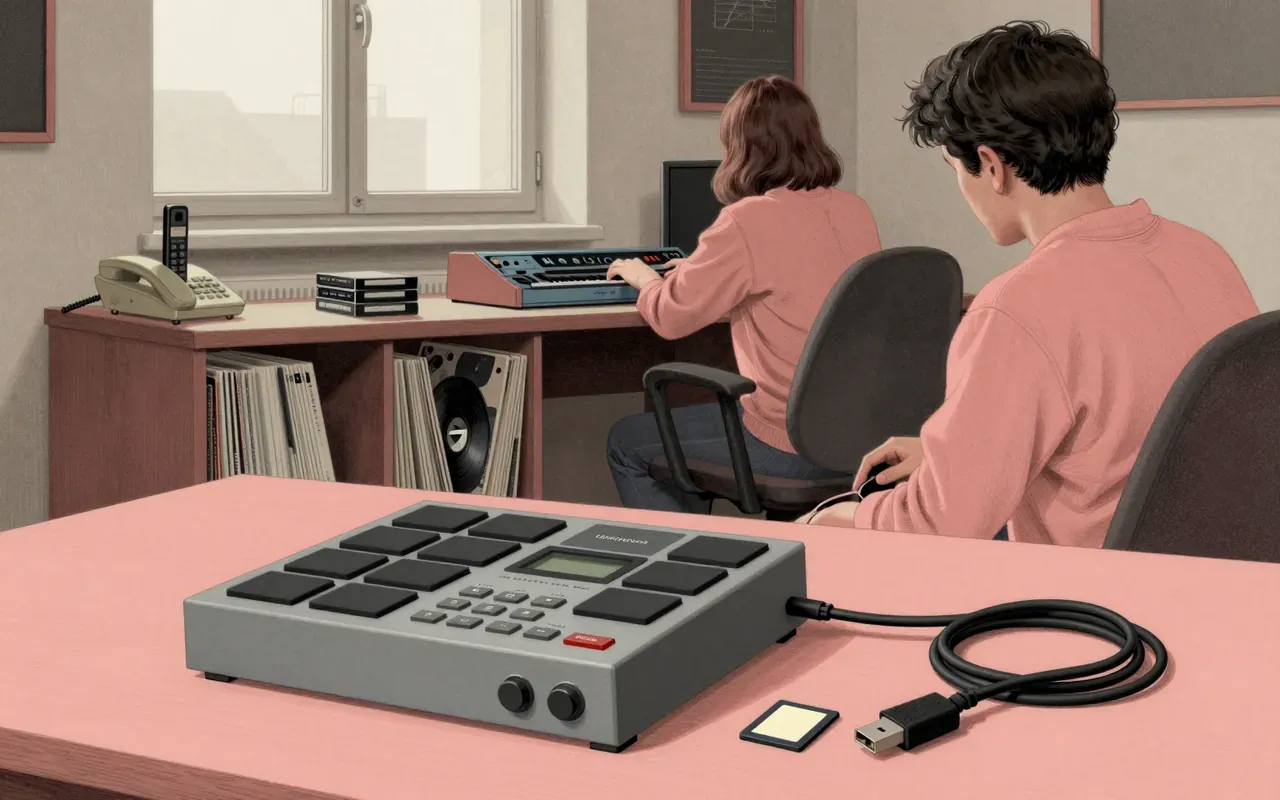
It records samples at 16-bit/44.1 kHz into 16MB RAM — about 136 seconds of mono audio. You trigger sounds from 16 velocity-sensitive pads, each with individual sensitivity adjustment. Sequencing runs across 64 tracks. Effects — EQ, compression, delay, reverb, modulation, bit grunger — route to FX1 or FX2. The Grid editor replaces the step editor with new adjustments. Mixer automation is present, but automated effects sends are not.
What it does better than anything else
It improves on the MPC2000 with 16-bit/44.1 kHz sampling (up from 12-bit), individually adjustable pad sensitivity, and the Grid editor — an evolution of the step editor with new adjustments.
What it does badly
It offers no increase in track count or polyphony over the MPC2000: still 64 tracks per sequence and 32-voice polyphony. It lacks automated effects sends. Its interface retains constraints from earlier models. Memory remains fixed at 16MB — no expansion.
What people made with it
The sources do not specify what people made with it.
Who should use it, and who should not
A producer who values tactile pad response and wants a dedicated hardware workflow with improved sampling fidelity over the MPC2000. Not for someone needing expandable memory, higher polyphony, or automated effects routing.
Is it worth your time
Yes — if you need a hardware sampler with deeper editing and tighter pad control than the MPC2000, and can work within its fixed memory ceiling and unchanged track/polyphony limits. No — if you require modern sample management, real-time effects routing, or more than 136 seconds of mono sampling.