What it is and what it was built for
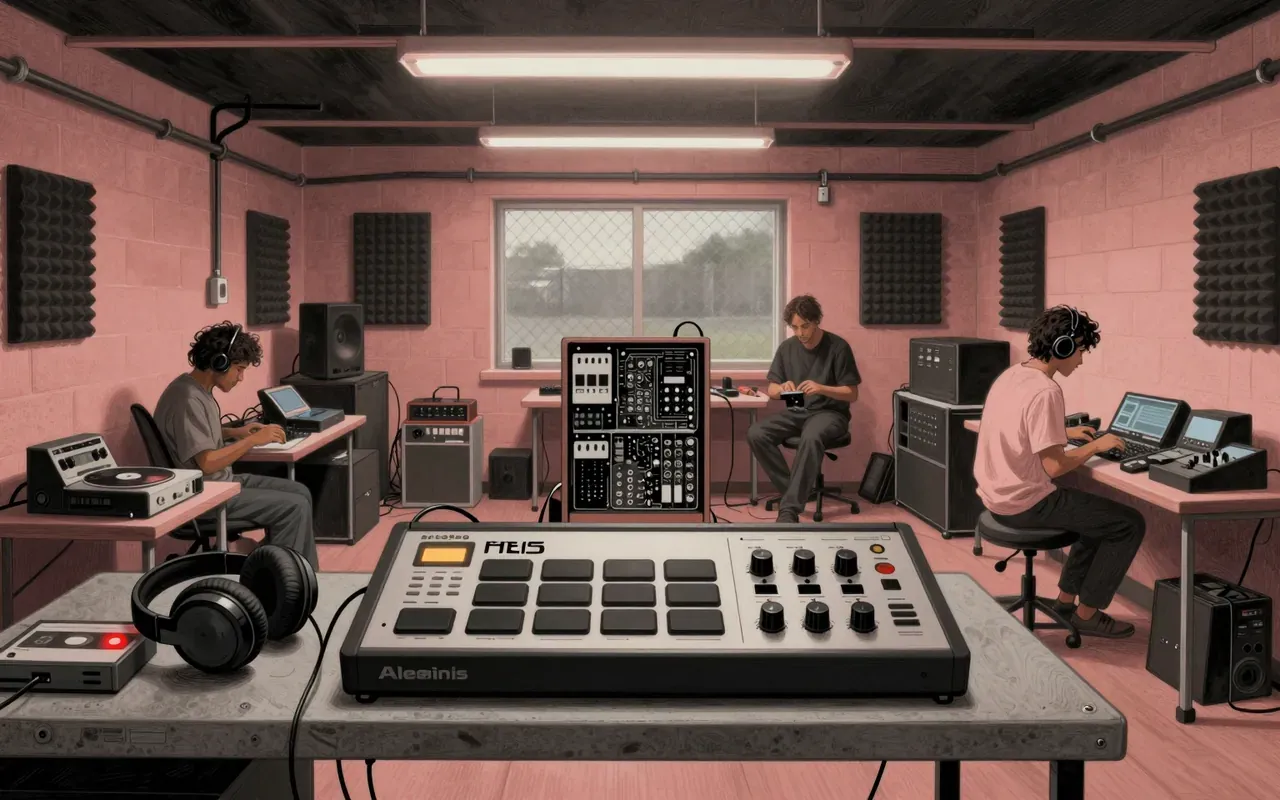
The Alesis SR-16 is a 1990 desktop drum machine built for studio and live use as a self-contained rhythm section and MIDI sound module.
How it works, in terms a player would use
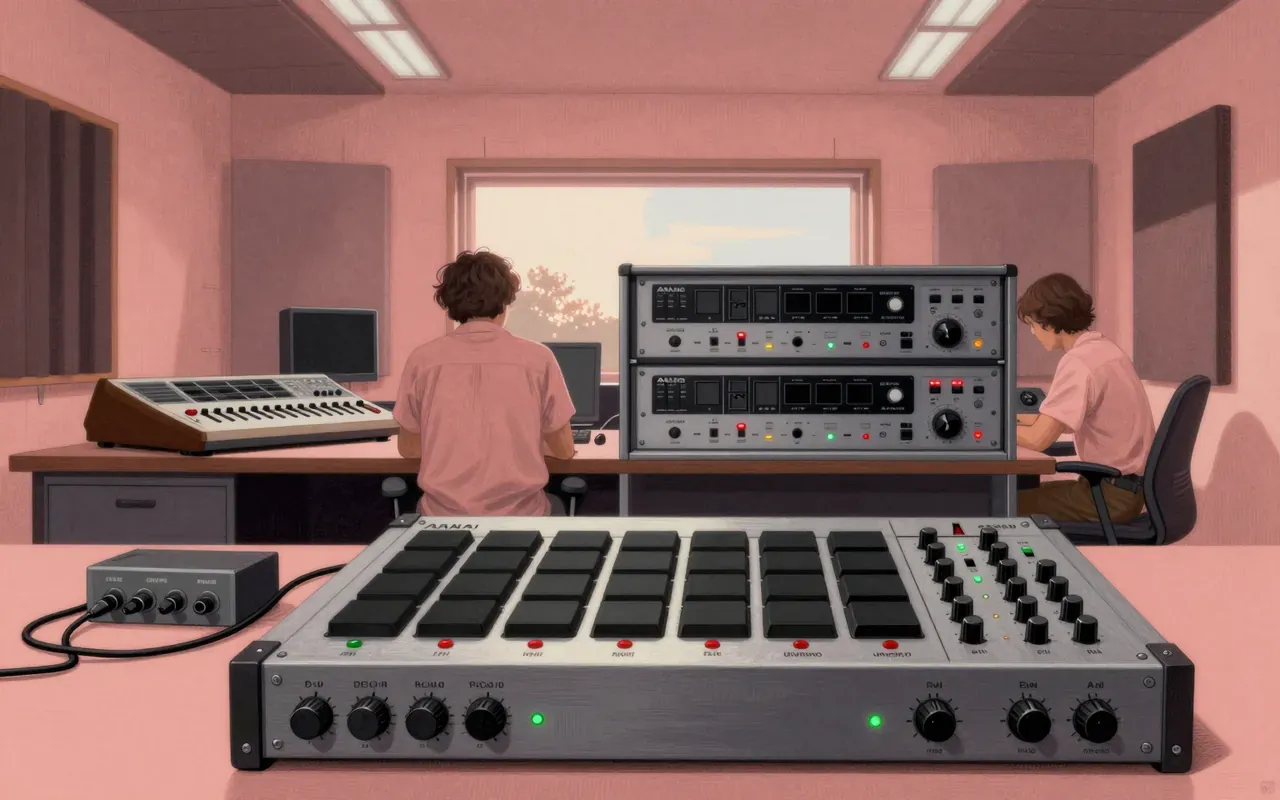
Twelve velocity-sensitive pads trigger 233 drum samples. Dynamic Articulation changes tone with hit strength. Step editing builds patterns one beat at a time. Four outputs let you route kick, snare, hats and percussion separately. Sound stacking layers two samples per pad. You program via front-panel buttons and a single data wheel.
What it does better than anything else
It delivers faster, more tactile pattern creation than most sequencers of its era. Its combination of velocity sensitivity, four outputs, and 200 user patterns gives immediate, routable, repeatable drum tracks without a computer.
What it does badly
It does not sound like acoustic drums or modern sampled kits. It offers no built-in effects beyond reverb on some samples. There is no swing quantisation, no real-time pattern variation, and no audio input for processing external sounds.
What people made with it
Autechre and Vangelis used it. Its presets were played in by top studio drummers. Its rhythms appear in electronic, synth-pop, and film-score contexts where mechanical precision and mid-90s digital character are assets.
Who should use it, and who should not
Producers who value physical pads, discrete outputs, and instant pattern recall should use it. Anyone needing groove feel, analog warmth, or integration with modern DAWs should not.
Is it worth your time
Yes—if you want punchy, immediate, no-frills drum programming with hands-on control and four discrete outputs. No—if you need acoustic realism, deep sample manipulation, or modern workflow integrations like DAW sync or drag-and-drop.