
audiobriefs
9:03in productionCh. 1 · What kind of machine is it?/ 9:03 · ceiling 15 min
Synths & drum machines

Electribe

The Electribe isn’t a synth or a drum machine—it’s a rhythm-first command centre that refuses to separate beat from bassline from lead.

The Electribe is a groovebox. It forces drum, bass and synth into one pattern grid. It launched in 1999. It runs on analogue modelling and sampling. It shares sequencing logic across all sound sources. It has no audio recording. It has no expandable storage on early models. It was Korg’s post-Yamaha statement.

Chapters & takeaways4
  1. 0:48
    What kind of machine is it?

    It merges analogue modelling and sampling into one instrument type: the groovebox.

  2. 2:45
    How do you actually play it?

    Drum and synth patterns share the same grid—no switching modes, no context loss.

  3. 4:11
    Why did people notice it?

    Its 1999 launch was treated like a cultural event—not just a product drop.

  4. 5:08
    Where did it come from?

    Korg built the Electribe after reasserting independence—free to innovate without Yamaha’s oversight.

Worth your time?

Yes. Use the whole thing.

3.5/ 5
What works
  • integrating drum, bass and synth sequencing in one grid
  • enabling rapid idea sketching without computer
  • delivering cohesive rhythm-first workflows
What does not
  • support audio recording
  • offer expandable storage on early models
  • allow deep oscillator or sample editing
Use it if
  • producers who need immediate pattern-based composition
  • bedroom producers without DAWs
  • live performers needing portable sequencing
Skip it if
  • engineers requiring multitrack capture
  • sound designers needing granular control
  • users dependent on USB or SD expansion
The written brief1 min read

What it is and what it was built for

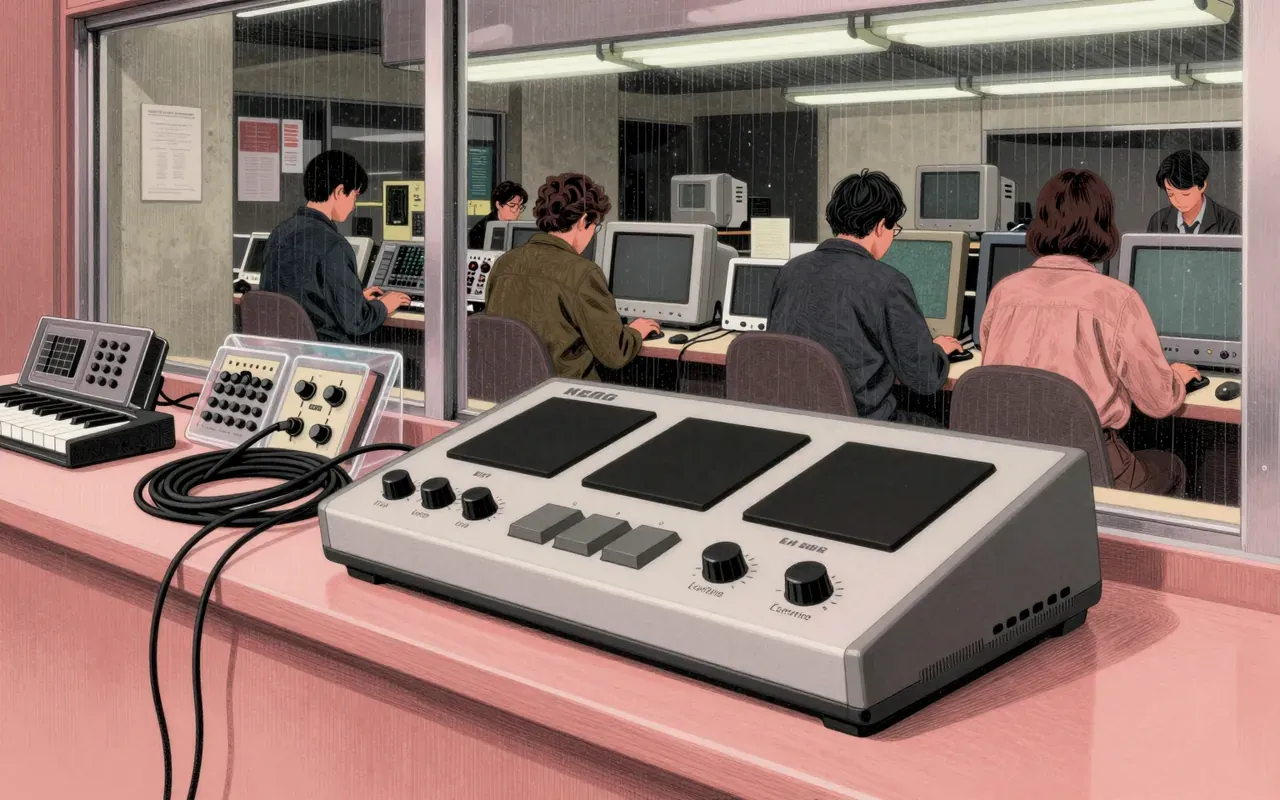
The Electribe is a series of hybrid electronic musical instruments by Korg, launched in 1999. It was built to be a self-contained groovebox: a drum machine, synth, and sequencer in one unit for live sketching and bedroom production.

How it works, in terms a player would use

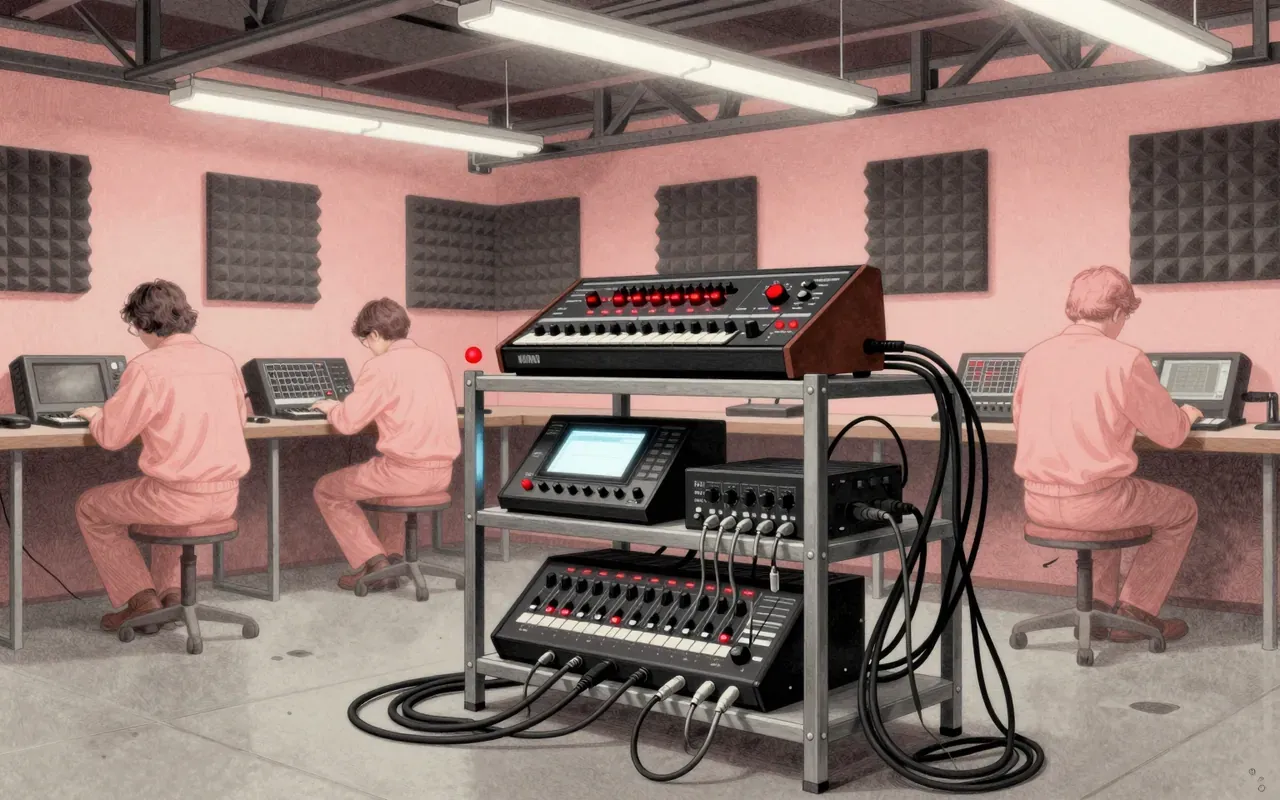
It uses shared drum-pattern and synth-pattern sections. Players program drum patterns, synth parts, and basslines in the same grid-based environment. It combines analogue modeling synthesis and sampling in one interface.

What it does better than anything else

It integrates drum programming, bassline sequencing, and synth layering in one tactile workflow better than any contemporaneous hardware before 1999. Its pattern-based approach forces rhythmic cohesion.

What it does badly

It withholds deep editing of individual samples or oscillators. It does not support expandable storage on early models. It offers no built-in audio recording or multitrack sequencing.

What people made with it

People made full tracks using only the Electribe’s internal synthesis and sampling. Its launch coincided with the rise of laptop-free electronic music production in clubs and home studios.

Who should use it, and who should not

Producers who value speed, portability, and pattern-based composition should use it. Those needing high-fidelity sampling, real-time parameter automation, or studio-grade I/O should not.

Is it worth your time

Yes—if you need a portable, all-in-one groovebox that prioritises immediacy over depth. No—if you require deep sound design, polyphony, or external integration beyond basic MIDI.
Same bench · Synths & drum machines4 of 243
Up next in Audio

Korg Electribe ER-1

Korg · 8:43

It’s not a drum machine — it’s a knob-twisting, delay-slapping, analogue impulse generator.

8:43