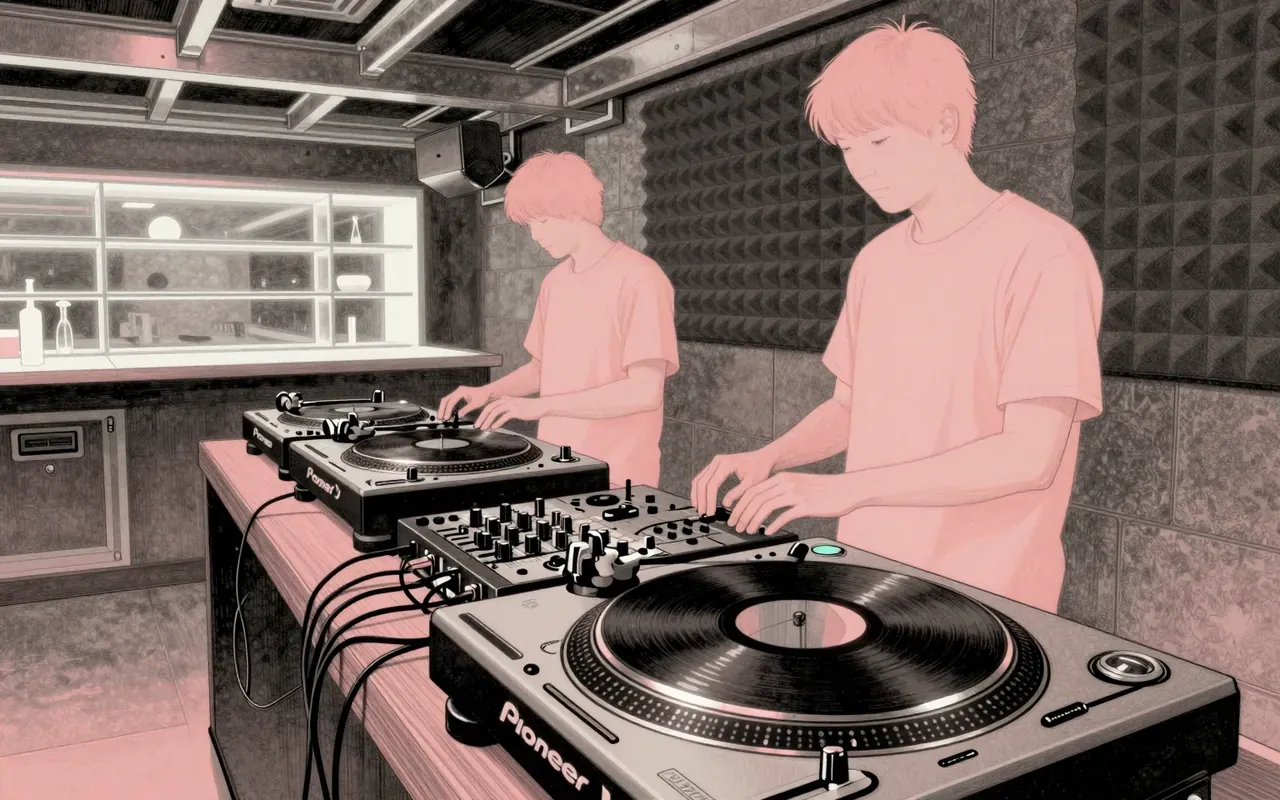
Pioneer CDJ-1000
Pioneer
The Pioneer CDJ-1000 is a tabletop DJ player. It plays CDs. It does not read MP3 files. It is no longer sold. It was replaced by the CDJ-2000 Nexus.
The dancefloor as a social institution.
The Pioneer CDJ-1000 is a tabletop DJ player. It plays CDs. It does not read MP3 files. It is no longer sold. It was replaced by the CDJ-2000 Nexus.

The Pioneer CDJ-1000 MK2 is a discontinued tabletop DJ player built to play CDs with exacting mechanical and operational control. It sets the reference for precision, robustness, and reliability among CD-based DJ players of its era. Loops fire instantly. Hot Cues never lag—even while seeking. Reverse isn’t just functional—it’s musical. It’s a discontinued CD-only player, replaced by the CDJ-2000 Nexus.

The Pioneer CDJ-100S is a discontinued tabletop DJ player. It loads CDs reliably. It has pitch control and effects users praise. Its cue point system is obsolete. It is outperformed by the CDJ200, CDJ800, and DNS1000. Users deployed it in live events but declined to repurchase it due to age. Its build quality remains high — but that does not compensate for functional limitations.
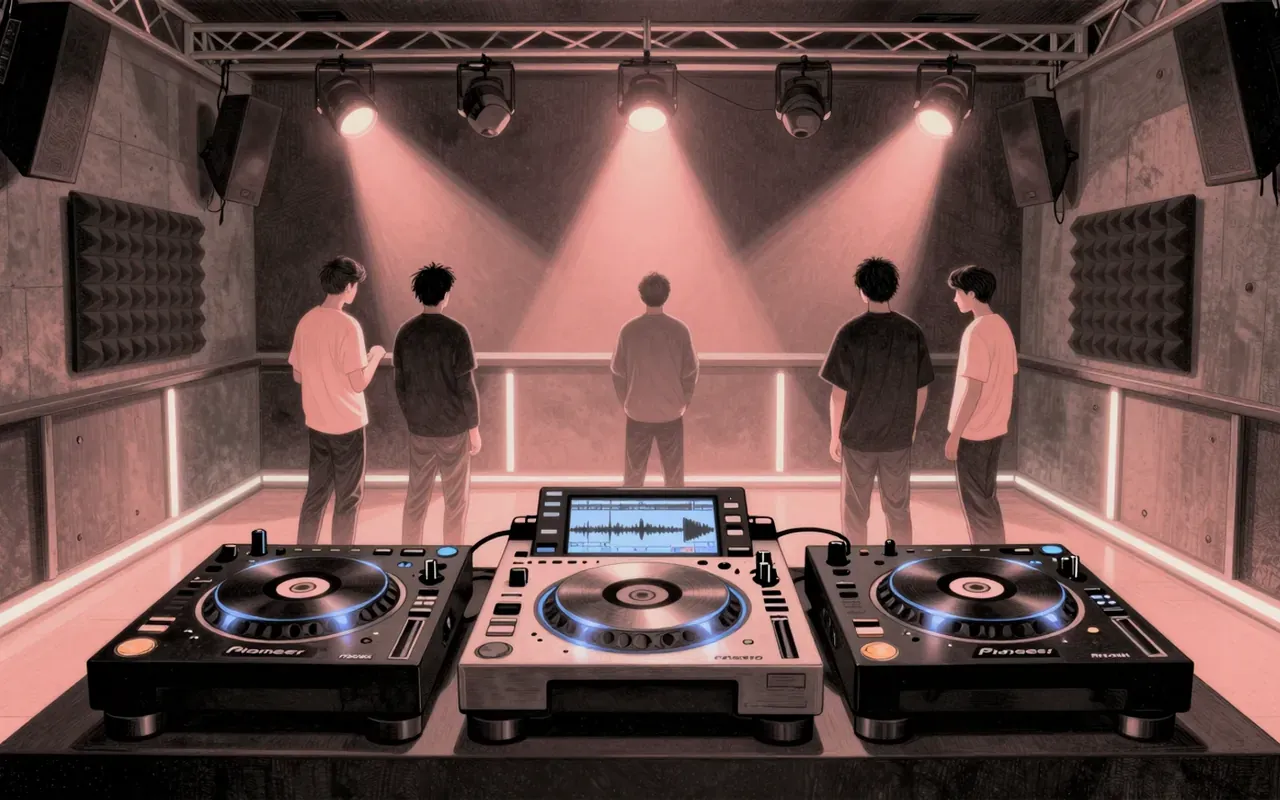
The Pioneer CDJ-2000 is a discontinued tabletop DJ player. It supports playback from CDs, DVDs, SD cards, USB devices, and wirelessly via WiFi from computers and phones. It has a ~6-inch colour LCD display. Its loop quantisation is automatic and highly accurate. User preferences are saved across power cycles. It was replaced by the CDJ-2000 Nexus.

The Pioneer CDJ-500 is a tabletop DJ player built to play CDs in live and private DJ sets.

The JB Systems Compact is a no-nonsense 3-channel DJ mixer from 2008. It delivers reliable talk-over, basic EQ, and straightforward monitoring — all at entry-level cost and fidelity. It does not pretend to be more.
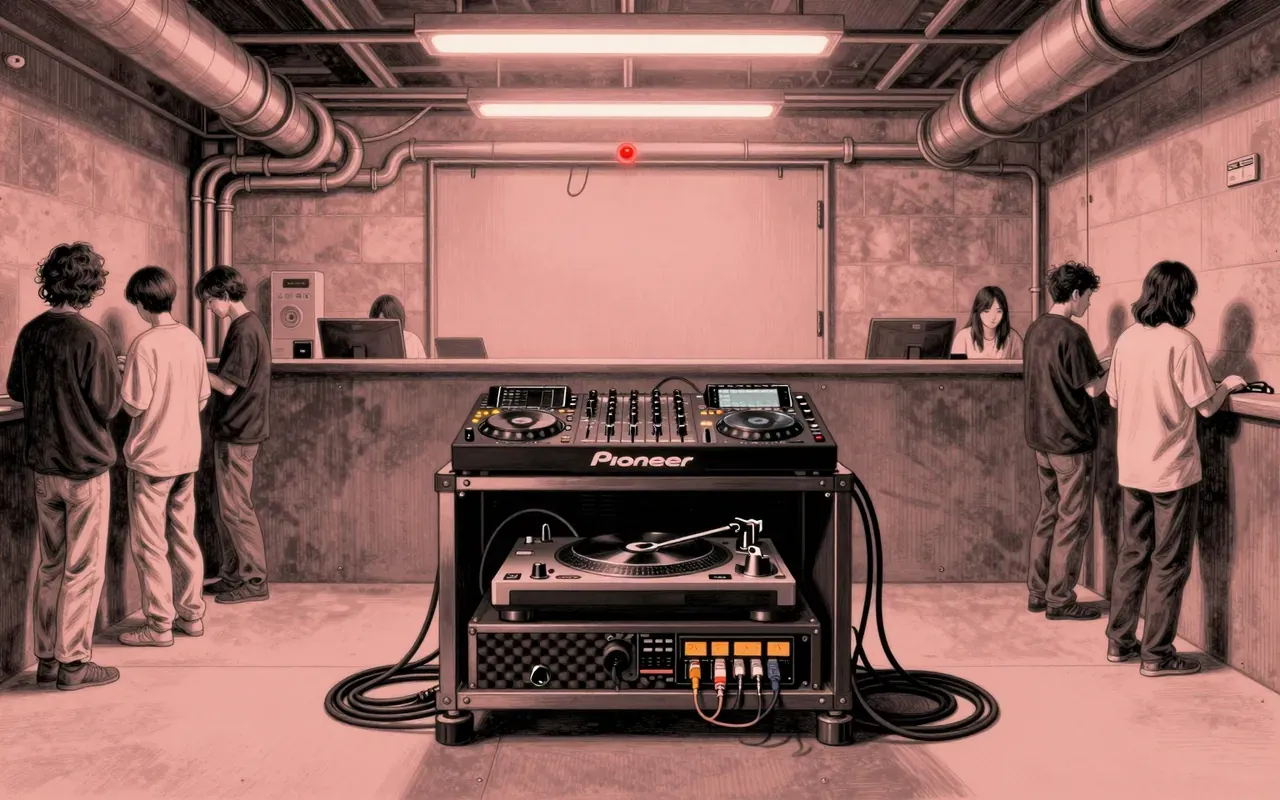
The Pioneer DJM-1000 is a rack-mountable 4+ channel DJ mixer with two master outputs and one booth output sharing a single volume control. It has no built-in effects. Its equalizer is low quality and offers parametric control only on mic channels. Its preamps and potentiometers are poor. Its output level of 2V + 6dB causes distortion across frequency ranges.
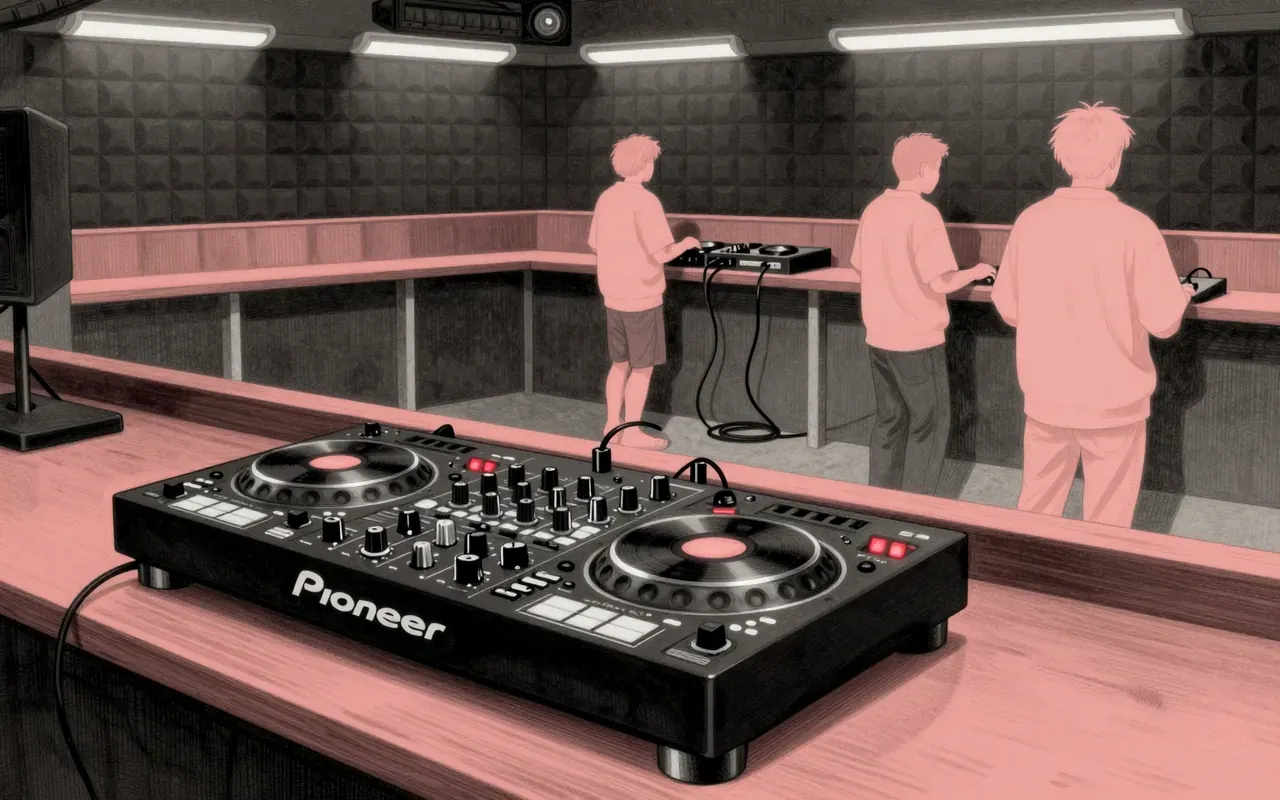
The Pioneer DJM-600 is a 4-channel analog DJ mixer with RCA and XLR I/O, non-parametric EQ, integrated non-automatable effects, no sync capability, and clean, distortion-free sound — though perceived as dated by 2010. It is widely used in clubs and praised for reliability, intuitive layout, and ease of installation.
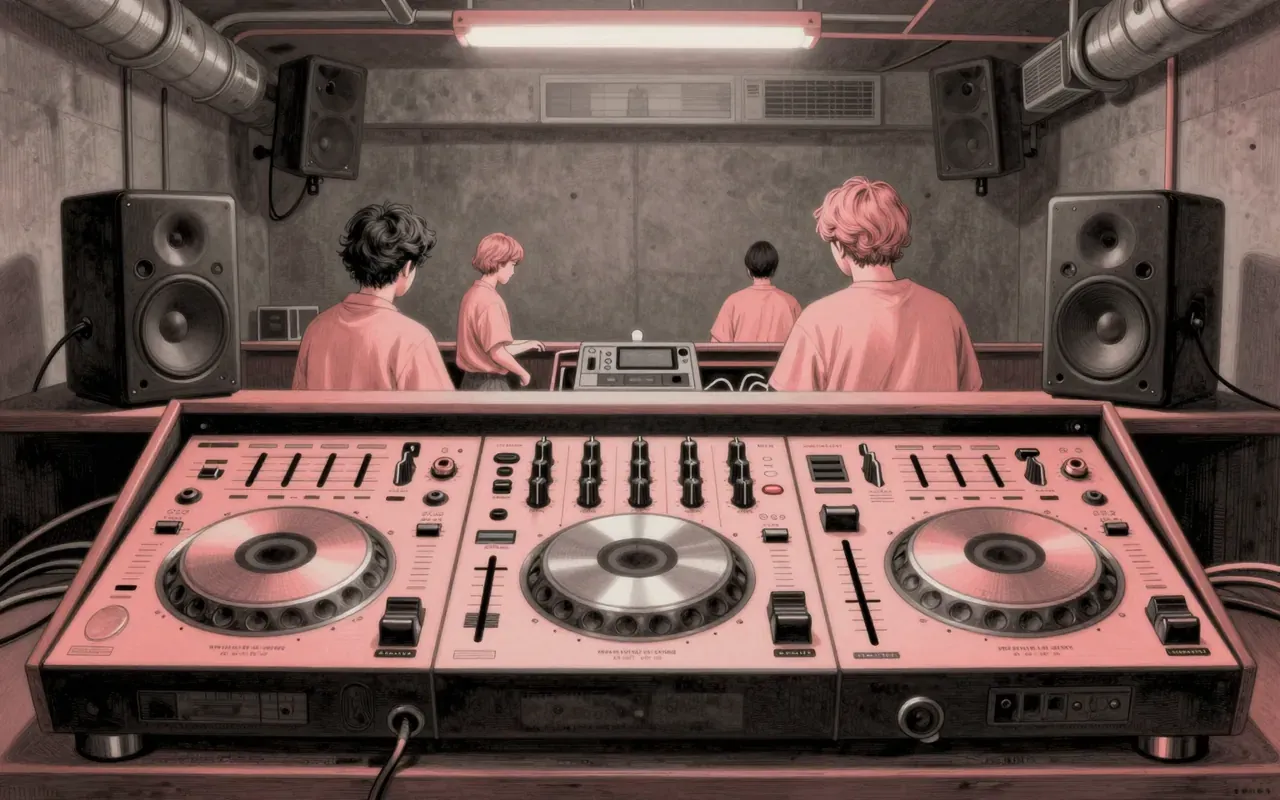
The Pioneer DJM-800 is a 4-channel, 96 kHz / 24-bit digital mixer designed for live DJ performance. It delivers tight, immediate control over EQ, beat effects (Roll, Reverse Delay, Filter), and harmonic effects (Sweep, Crush). Its 61 assignable MIDI/HID controls integrate hardware and software without abstraction. But it offers no resonance adjustment on its filter effect, and headphone monitoring routing is rigid.
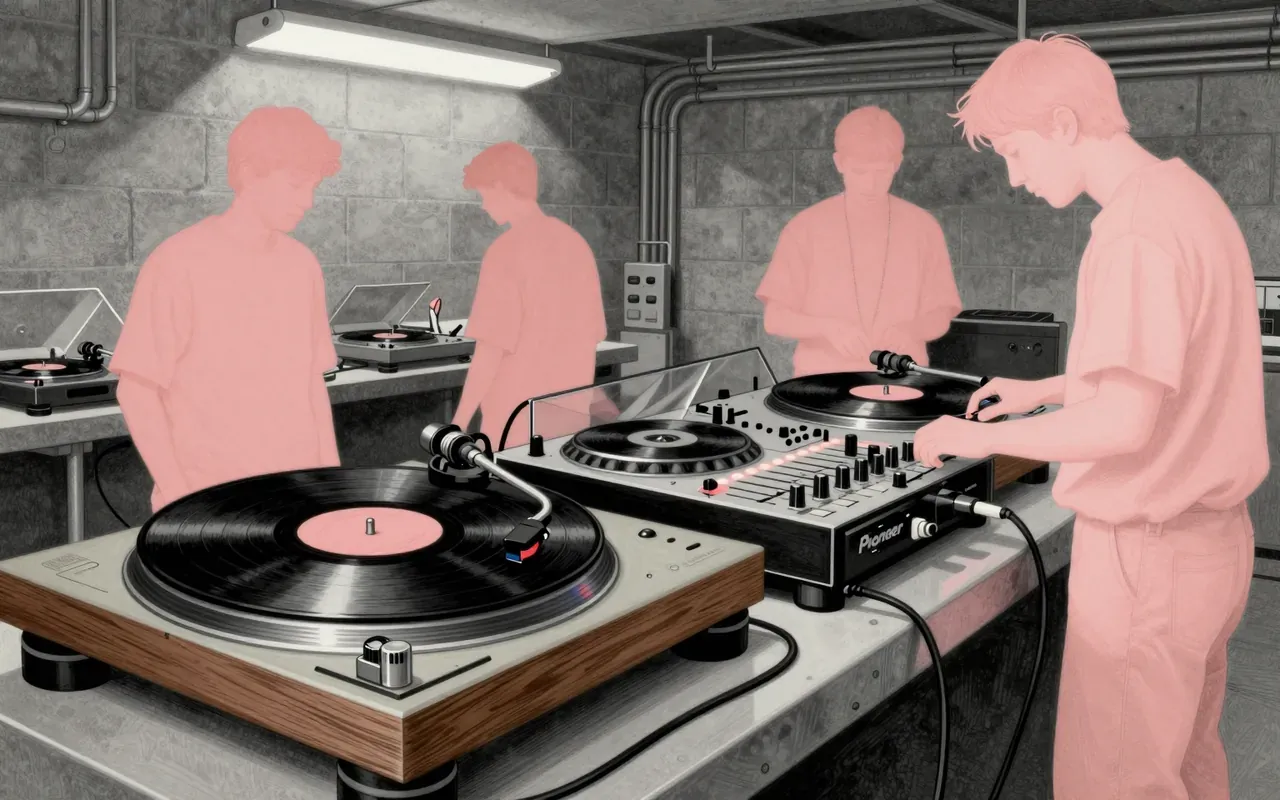
The Pioneer DJM-909 is a 2-channel DJ mixer built for live blending, EQ, and effects. It has no published technical specifications. Pioneer manufactured it. User reviews highlight transparency and effective equalization—but give no data on filter slope, latency, or headroom. It does not integrate with software or offer recallable settings. It belongs in a booth, not a studio rack.
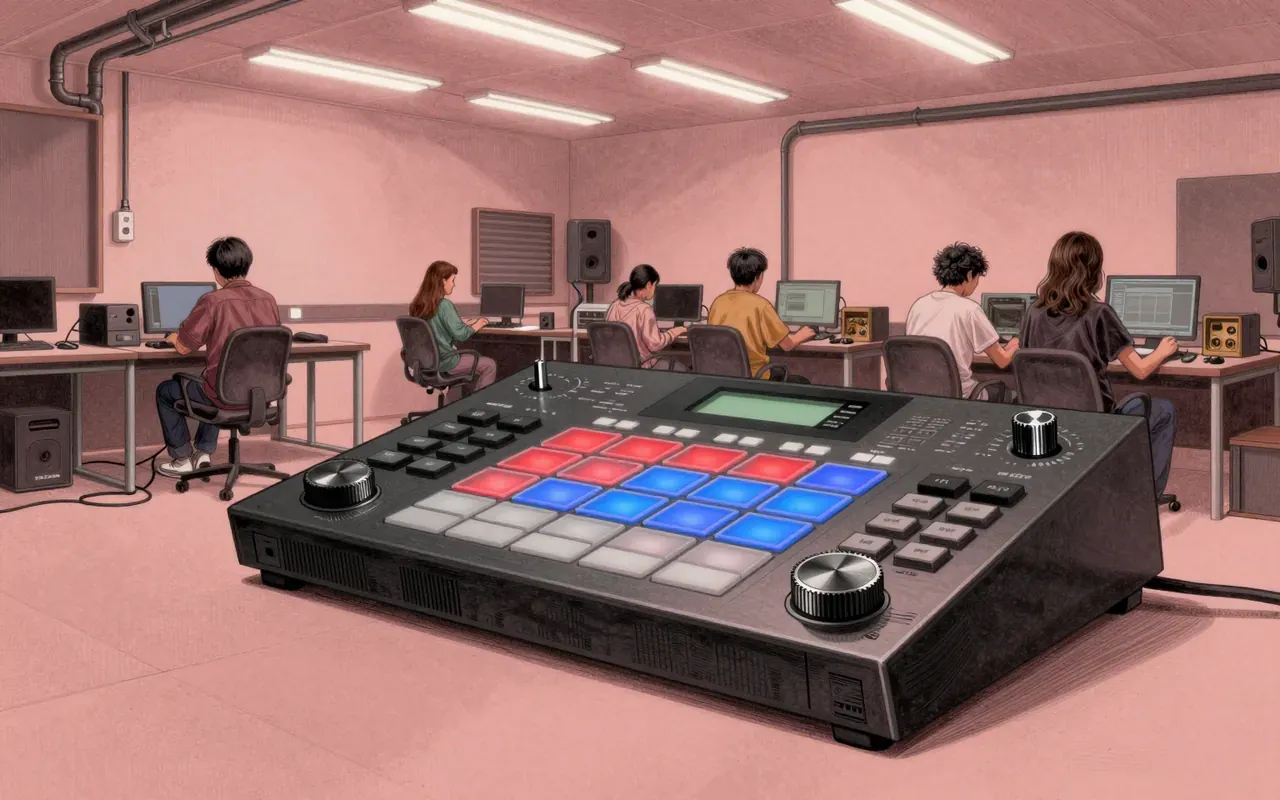
The Korg Electribe 2 is a groove machine in the ElecTribe series. It supports up to 250 patterns, each limited to four bars in length. It includes 32 master effects modeled after the Kaos Pad. Each track can have one individual effect selected from 38 available types. It offers 25 groove types that can be applied per track. It includes PCM-based sound sources: 56 kicks, 58 snares, 16 claps, 56 hi-hats/cymbals, 71 percussion/toms, 52 synth hits/FX/instrument hits, 16 voices, and 27 instruments. It uses synth modeling with 55 preset oscillators.
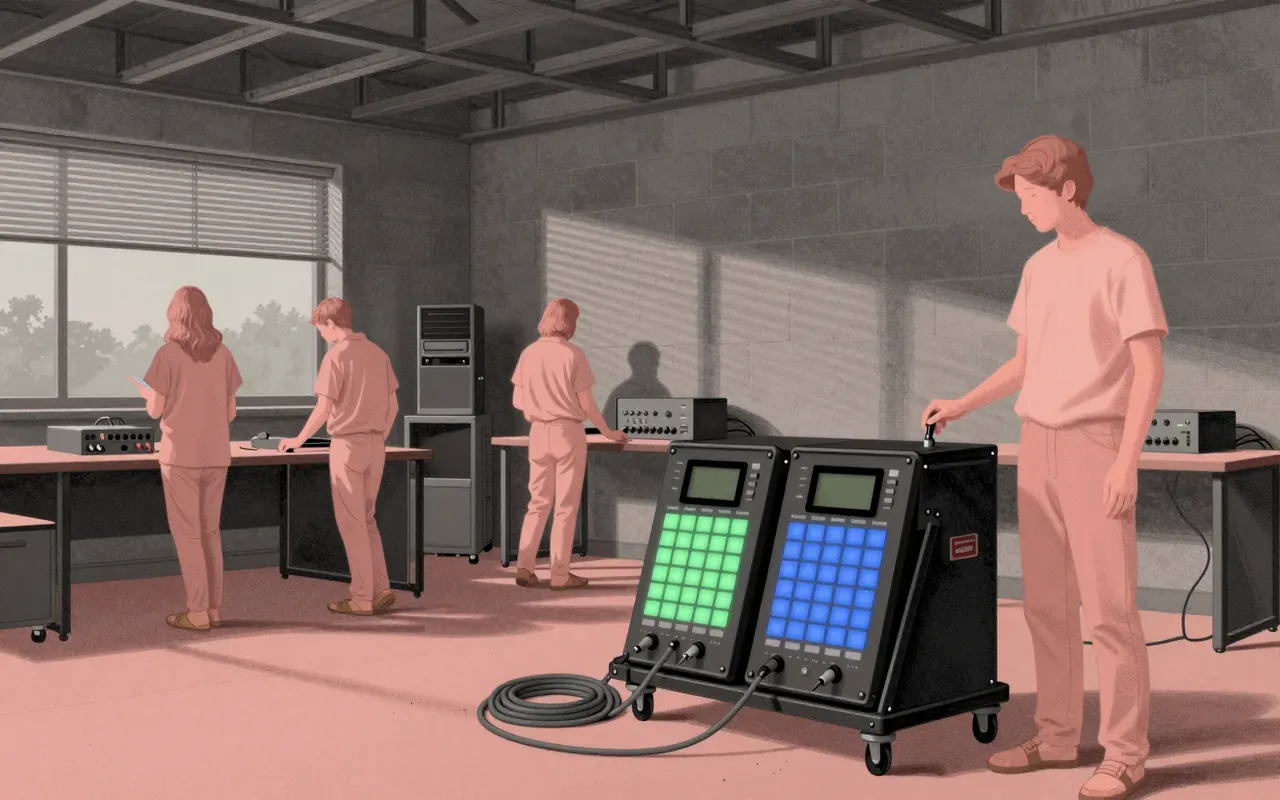
The Electribe is a groovebox. It forces drum, bass and synth into one pattern grid. It launched in 1999. It runs on analogue modelling and sampling. It shares sequencing logic across all sound sources. It has no audio recording. It has no expandable storage on early models. It was Korg’s post-Yamaha statement.

The Korg Electribe SX (ESX-1) is a 2003 sample-based groovebox built for dance music production and live performance. It uses sample-based sound creation to generate 16 assignable parts—including nine one-shot drum parts, two keyboard parts for melodic playback, two stretch parts for tempo-adjusted loops, one slice part for rhythmic phrase division, one audio-in part, and one drum accent part. It ships with 196 preloaded samples, 128 factory patterns, and 3 demo songs. A major upgrade over earlier ElecTribe models, it offers 285 seconds of sample memory at 44.1kHz for up to 384 user samples, slicing at rhythmic peaks, Motion Sequencing for real-time parameter automation, and three stereo effects processors with chaining.

The KP1 is a 1999 touch-driven effects box for DJs. It runs six effects at once. It has no sampling. It has no synthesis. It has no presets. It has no deep editing. It has a pad, four buttons, and a fader. It rewards gesture over precision. It belongs on a deck, not in a DAW.
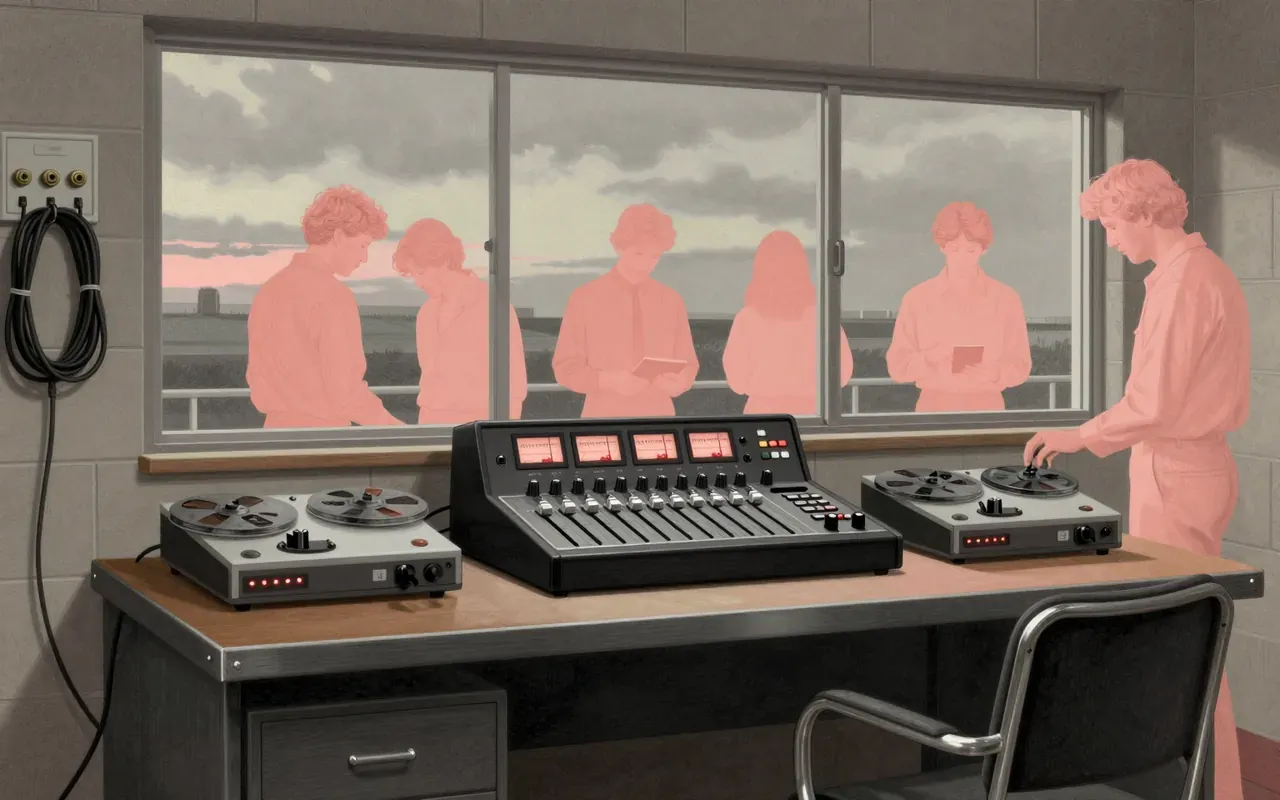
The Gemini DJ MM-1000 is a 3-channel analogue mixer. It offers no EQ, no effects, no headphone output, no crossfader, and no cueing. It exists only to sum three line-level signals and send them to one output. Its value lies entirely in its simplicity and reliability — not in versatility or sonic character.
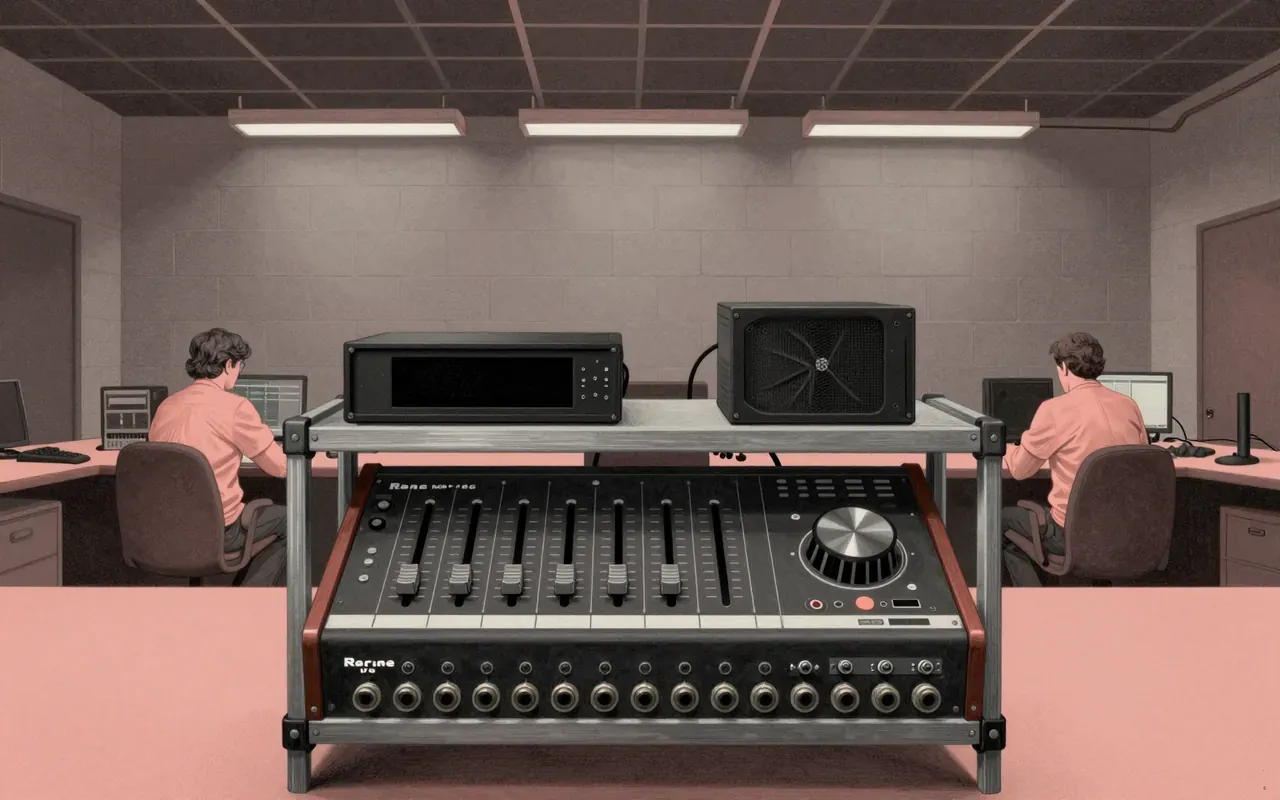
The Rane MP2016 is a 3U rack-mount DJ mixer with six inputs — four phono/line, two mic/line — each with bass/mid/treble and gain. Master/House and Booth outputs each have a 3-band EQ. It delivers crystal-clear sound with no noise or bleed. It has no built-in effects.
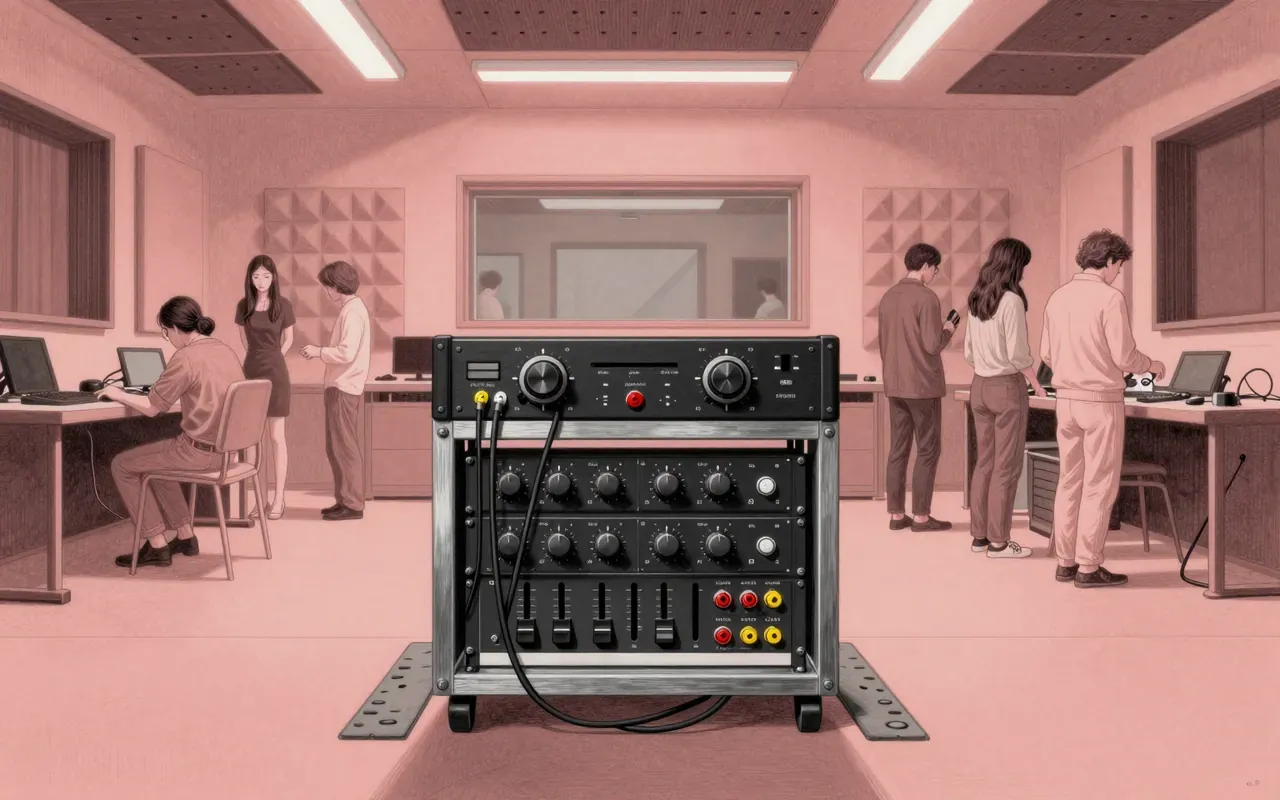
The Vestax PMC-05 Pro III VCA is a 2-channel DJ mixer with RCA inputs and outputs, a headphone output jack, post-fader effect send with level control, and a 2-band EQ. It delivers a warm and generous low-end sound. Users find it super easy to use and effective. Its EQ limitation makes it unsuitable for genres like DnB and Dubstep.
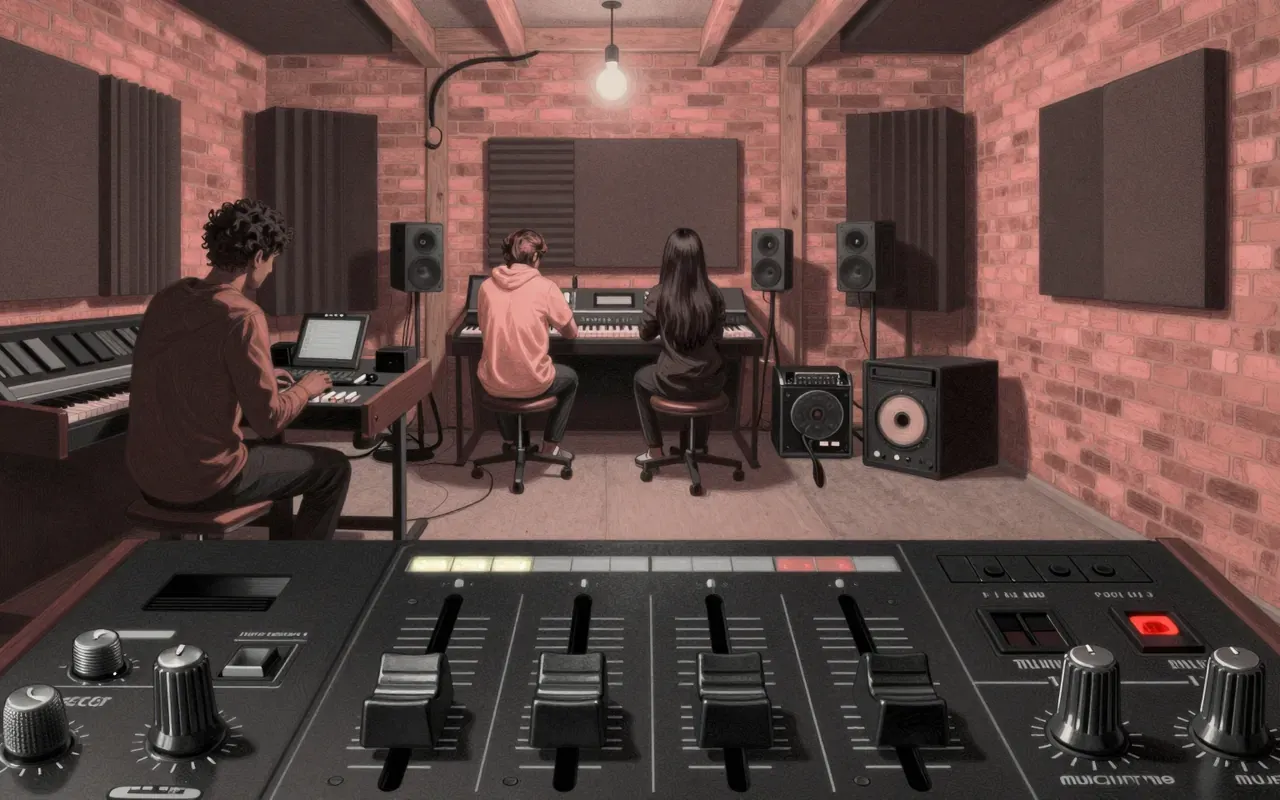
The Vestax PMC-25 is a 2-channel DJ mixer designed for house music. It is 3U tall and rack mountable. It features PGM vs. Master LED VU metering, split cue, a third cueable aux input, and EQ kill switches implemented as mini faders to avoid clicks and achieve -85 dB attenuation. The crossfader has a fixed curve. Faders and crossfader are replaceable. Sound quality is perceived as superior to a cheap Numark mixer.
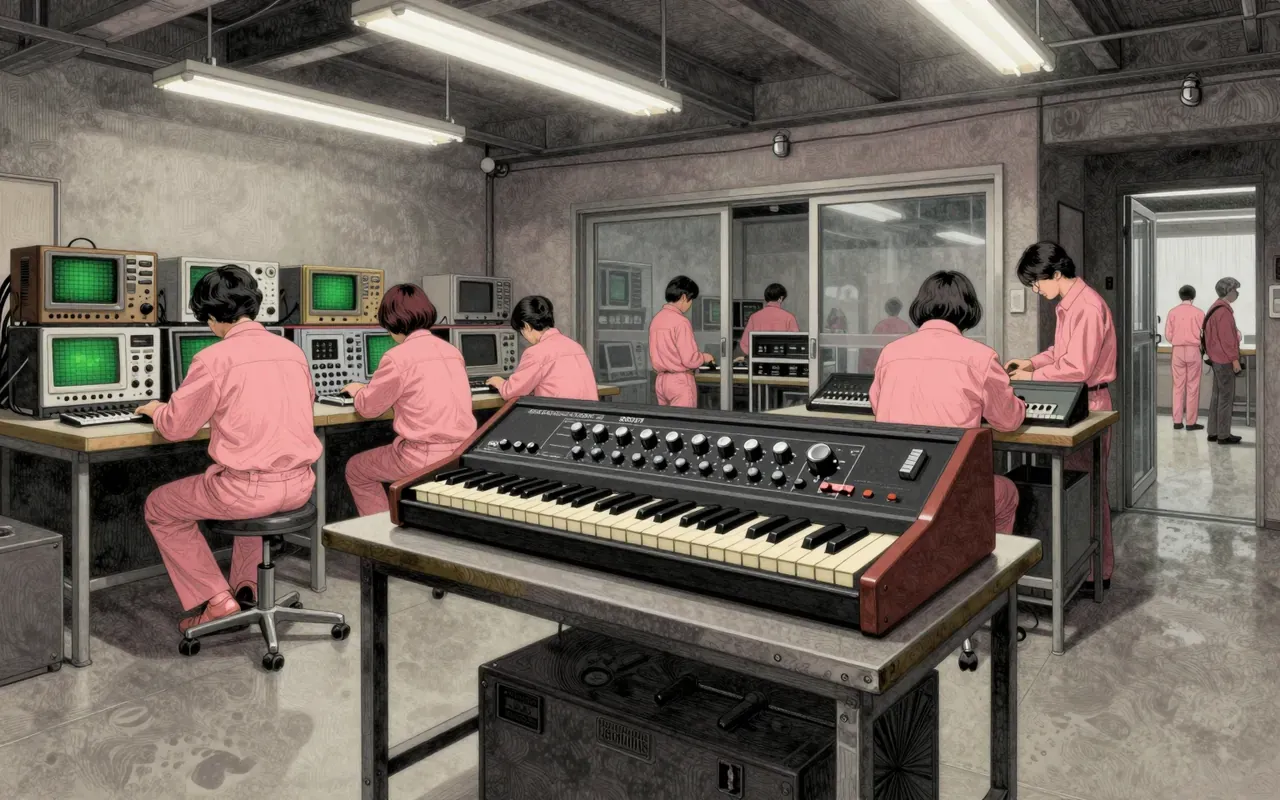
The Roland SH-7 is a 1978 duophonic analog synthesizer built to expand on the SH series with greater flexibility and sonic aggression.
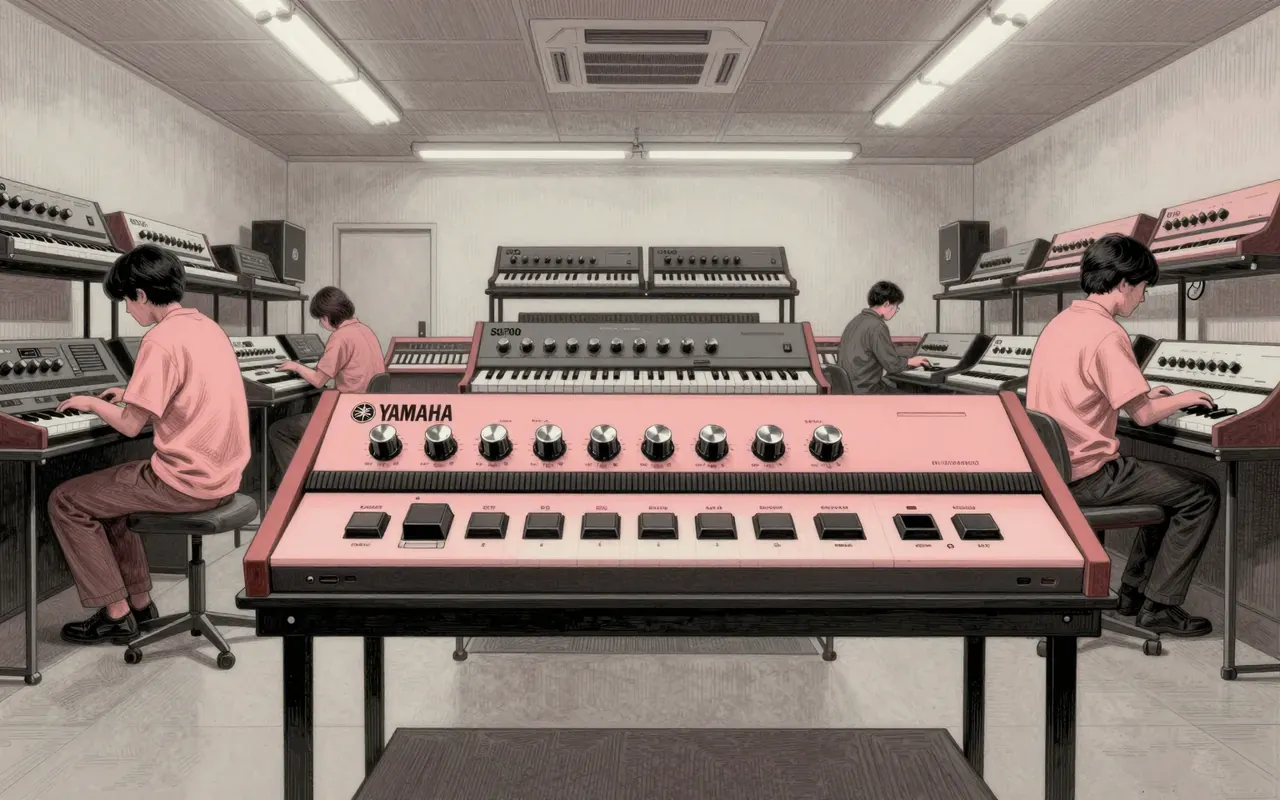
The Yamaha SU700 is a 1998 all-in-one sampler/sequencer music production studio designed for dance music creation.
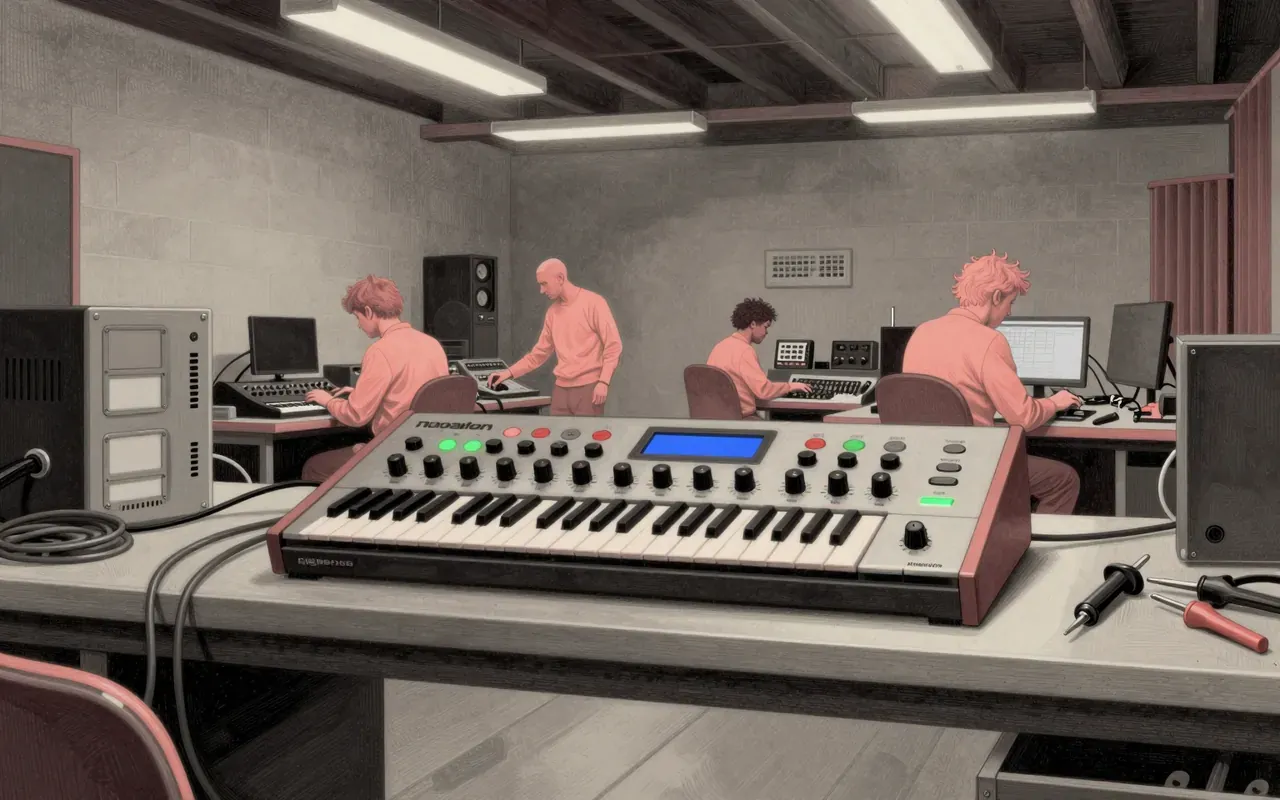
The Novation Super Bass Station is a 1997 monophonic desktop synthesizer built to emulate Roland and Moog bass synths. It adds separate ADSRs for filter and amplitude, key follow, an SH-type sub oscillator, noise generator, ring mod, true mixer, distortion, stereo chorus, panning, two LFOs, arpeggiator with clock out, slide function, and 200-patch memory. It delivers focused, hands-on bass synthesis—but only one note at a time.
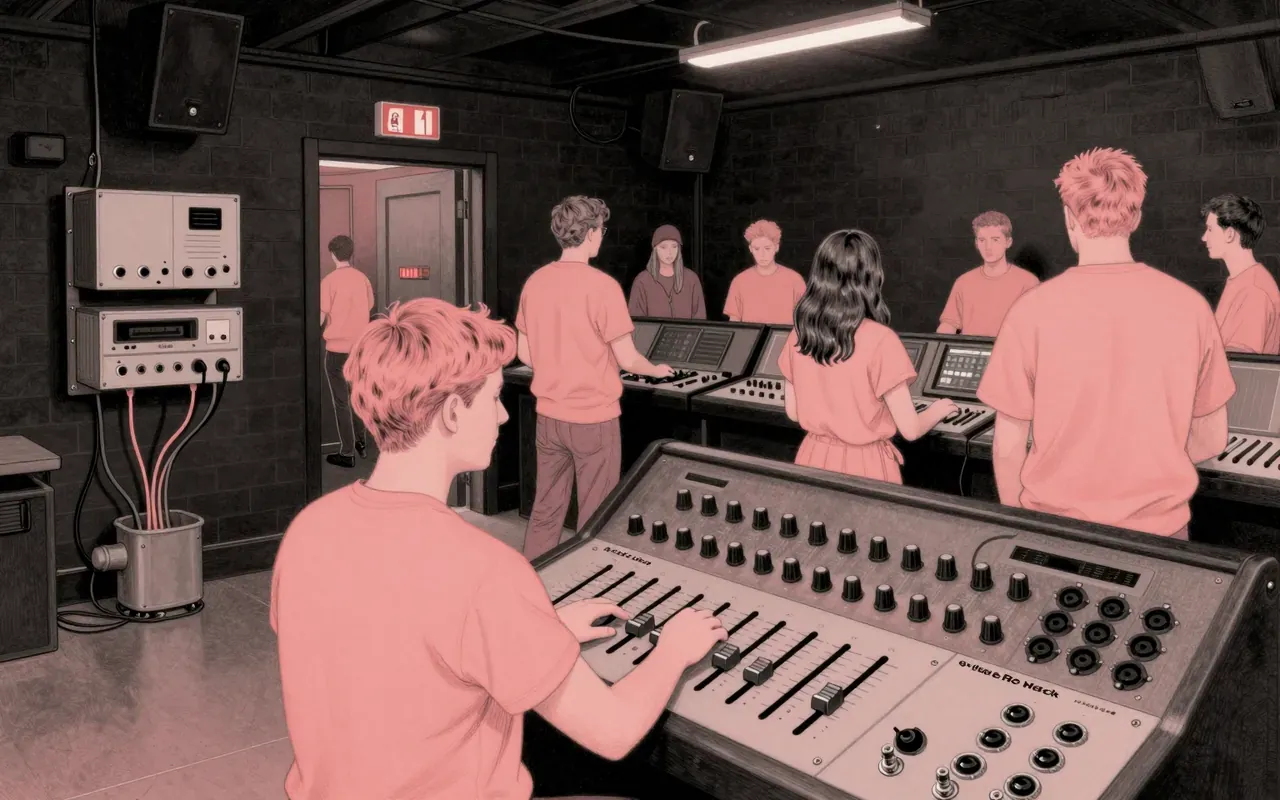
The Allen & Heath Xone:62 (Old Design) is a rack-mountable analog DJ mixer with twelve inputs, six channels, four balanced XLR outputs, per-channel analog high-pass/band-pass/low-pass filters, six channel sends, a four-band EQ whose knobs do not fully cut the signal, and a crossfader that does not fully cut the signal.
The Allen & Heath Xone:92 (Old Design) is a discontinued 4+ channel DJ mixer. It features dual voltage-controlled filters and low-frequency oscillators. You assign either filter to any channel using switches — including to the cross fader. A tap button sets LFO speed to match tempo or lock in a custom rate. It includes a semi-parametric equalizer. Rackmount is optional. It was replaced by the Xone:92 MK2. It is no longer sold.
The Xone:V6 is a 4+ channel analogue DJ mixer from Allen & Heath. It routes four main sources plus an effects return. It has no digital features, no software, no built-in effects. It delivers clean, hands-on control—nothing more, nothing less.
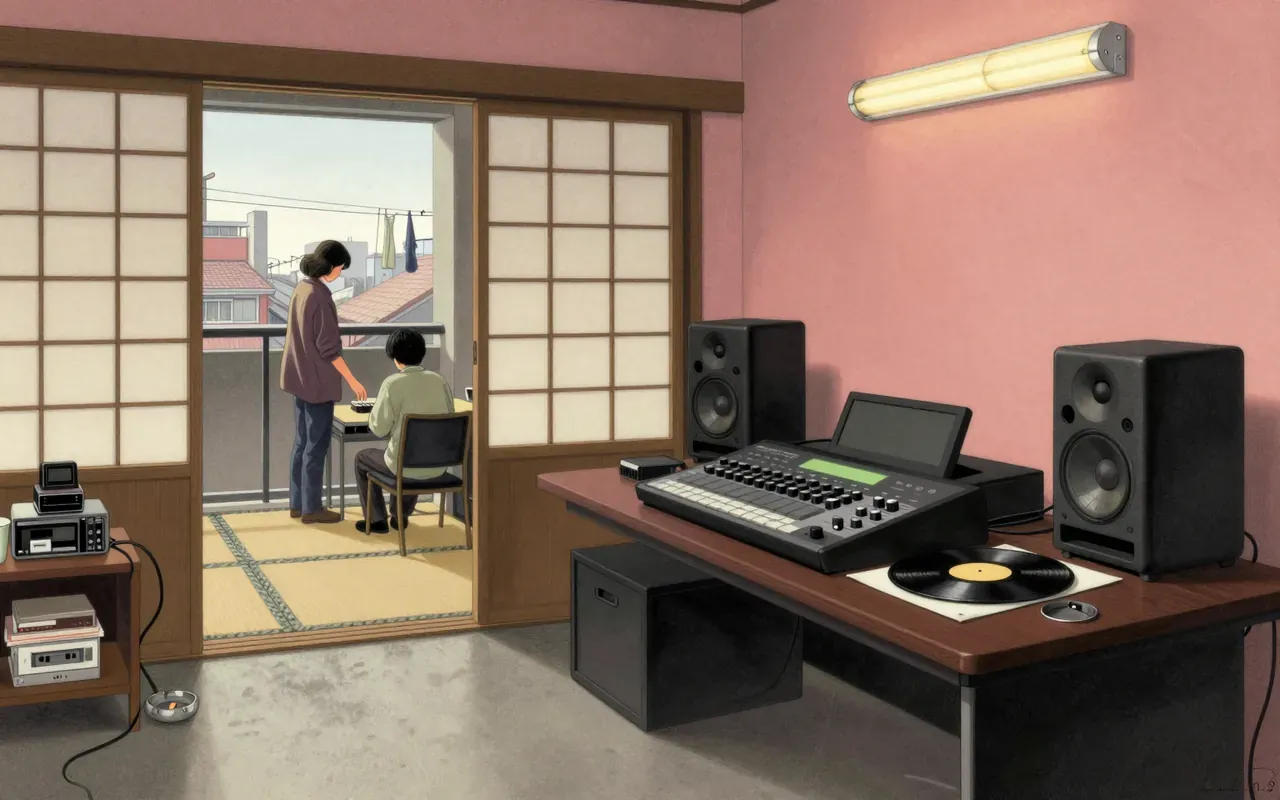
The Roland MC-303 is the first groovebox: a fixed-palette, preset-only instrument built for house DJs and amateur home musicians. It combines a JV-80-derived rompler (28-note polyphony) with an 8-track pattern sequencer and real-time phrase tools. It lacks sampling, MIDI-transmittable knob control, and sound editing — making it fast for sketching but inflexible for production.
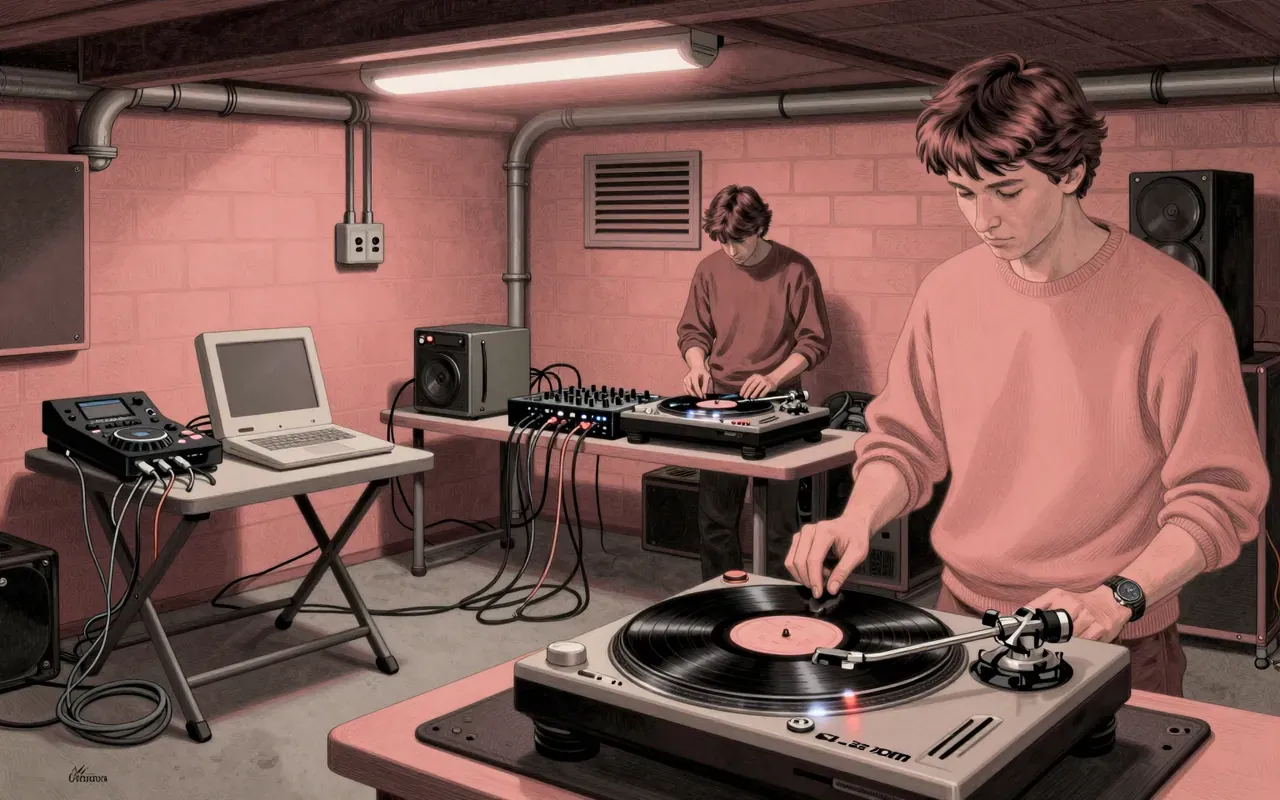
Final Scratch was the first widely adopted vinyl emulation system. It required timecoded records, a ScratchAmp interface, and dedicated software. It gave DJs precise, tactile control over digital audio — but introduced latency, calibration drift, and hardware dependency. It shaped DJ practice before Serato and Traktor matured.

The MicroKORG is a compact, DSP-based synthesizer/vocoder released in 2002. It uses analog modelling to deliver immediate, expressive sounds — especially through its built-in vocoder and key transpose function. Its four-voice polyphony limits chordal playing and layering, but its hands-on interface and portability made it a staple for live vocalists and electronic performers. Still in production as of 2022, it prioritises utility over expandability.

The Technics SL-1200 is a tool for physical intervention — not passive playback. Its engineering serves one demand: keep spinning, exactly, while being handled.
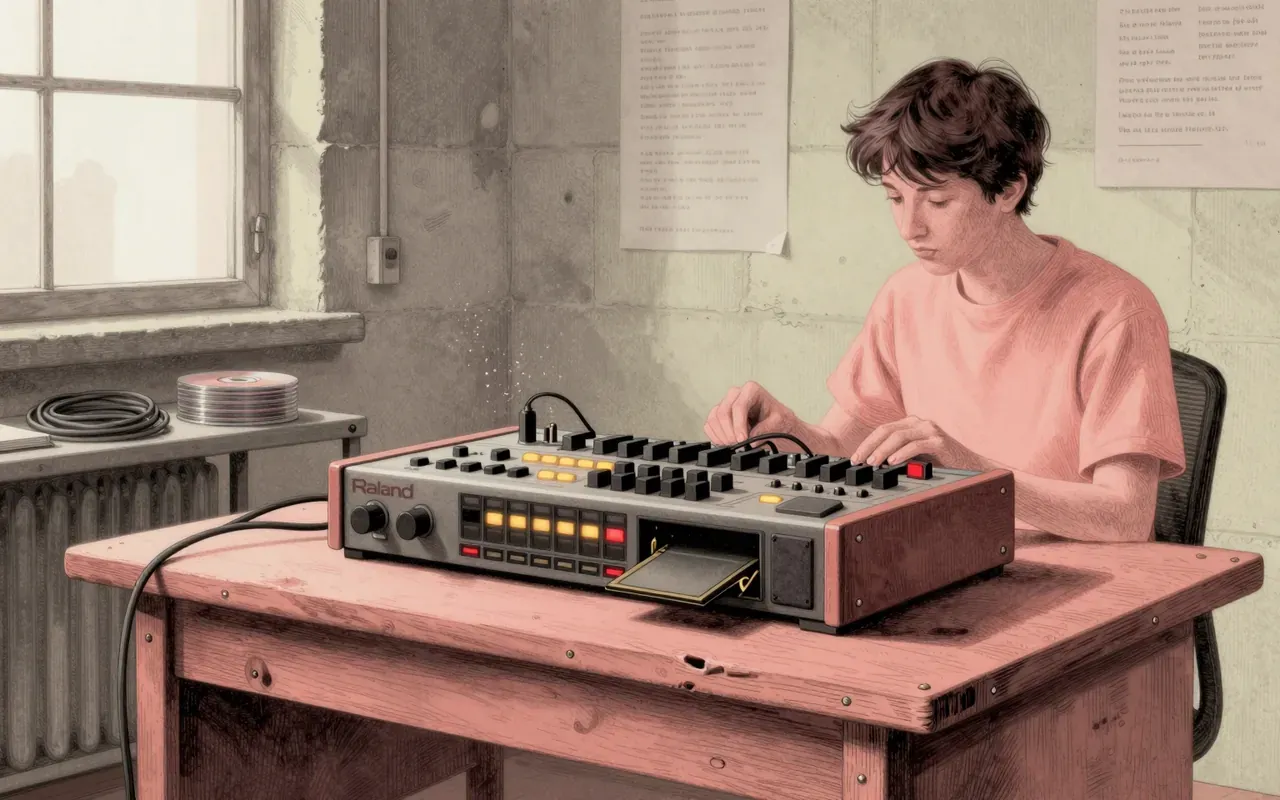
The SP-404 is a dedicated, tactile sampler built for speed and texture — not precision or polish.
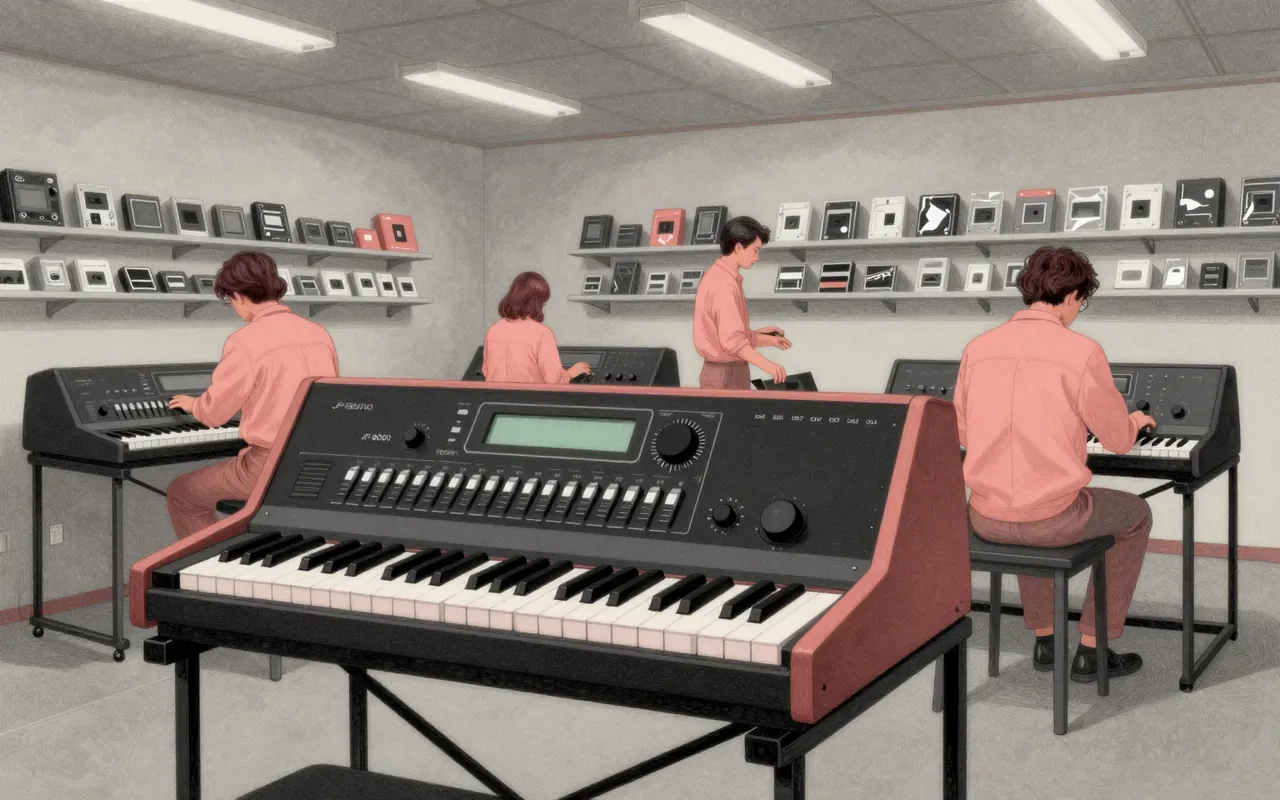
The Roland JP-8000 is an analog modeling synthesizer released in early 1997. It sought to digitally reproduce the analog tonalities and power of its analog predecessors. Although it lacked somewhat in analog warmth due to its early digital architecture, it added many new features, such as RPS (Realtime Phrase Sequencing), which allowed short sequenced phrases to be assigned to keys, and such as motion control. It also featured the unique Supersaw oscillators and analog-style controllers such as an arpeggiator and an assignable touch response ribbon control. The Supersaw in particular was the reason why the JP-8000 was particularly successful as a main keyboard (along with the Virus) in the dance music market, especially for trance music.

The Roland TB-303 is a 1981 subtractive bass synthesizer with a 24 dB/octave low-pass filter controlled by an envelope generator and an internal sequencer for note programming. Designed to simulate bass guitars, it was commercially unsuccessful and discontinued in 1984 due to its unrealistic sound.
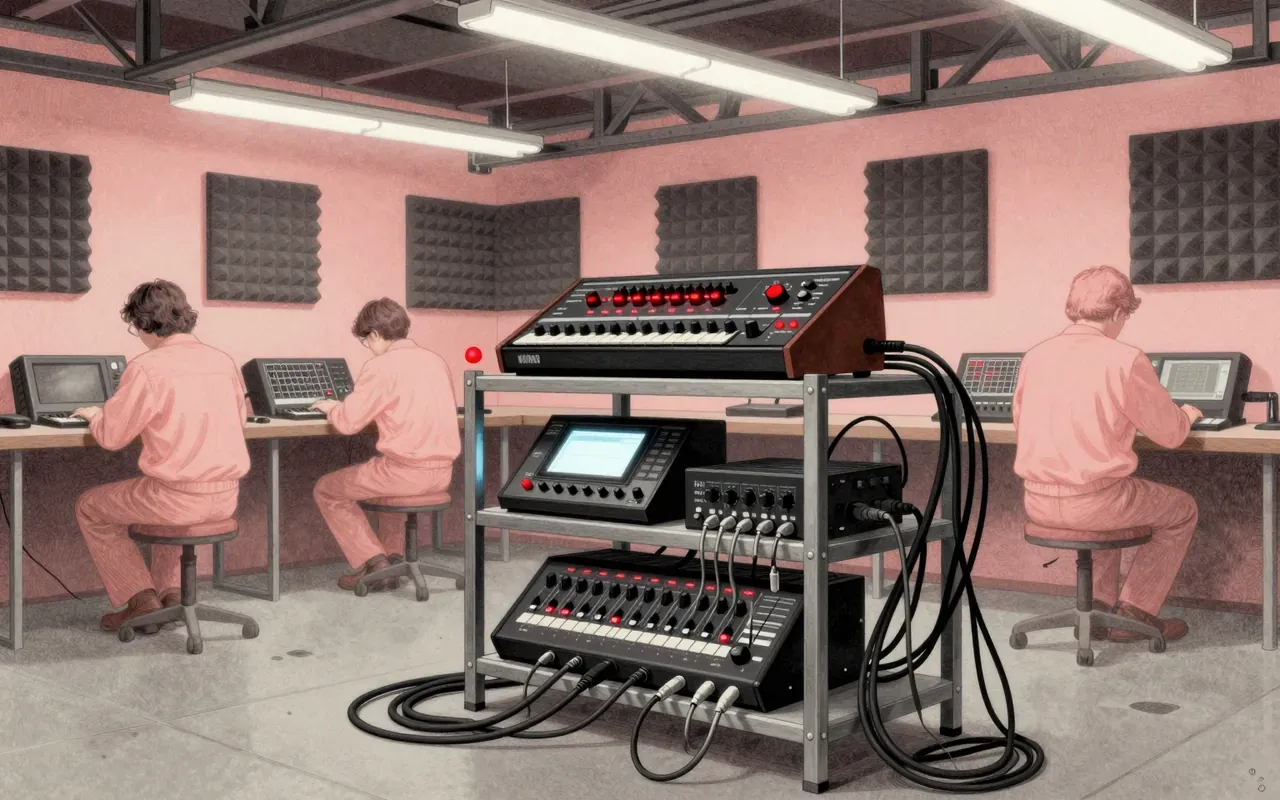
The TR-909 is a rigid, unyielding rhythmic engine. Its strength is timing, not texture. Its legacy is built on what it withheld—not what it offered.
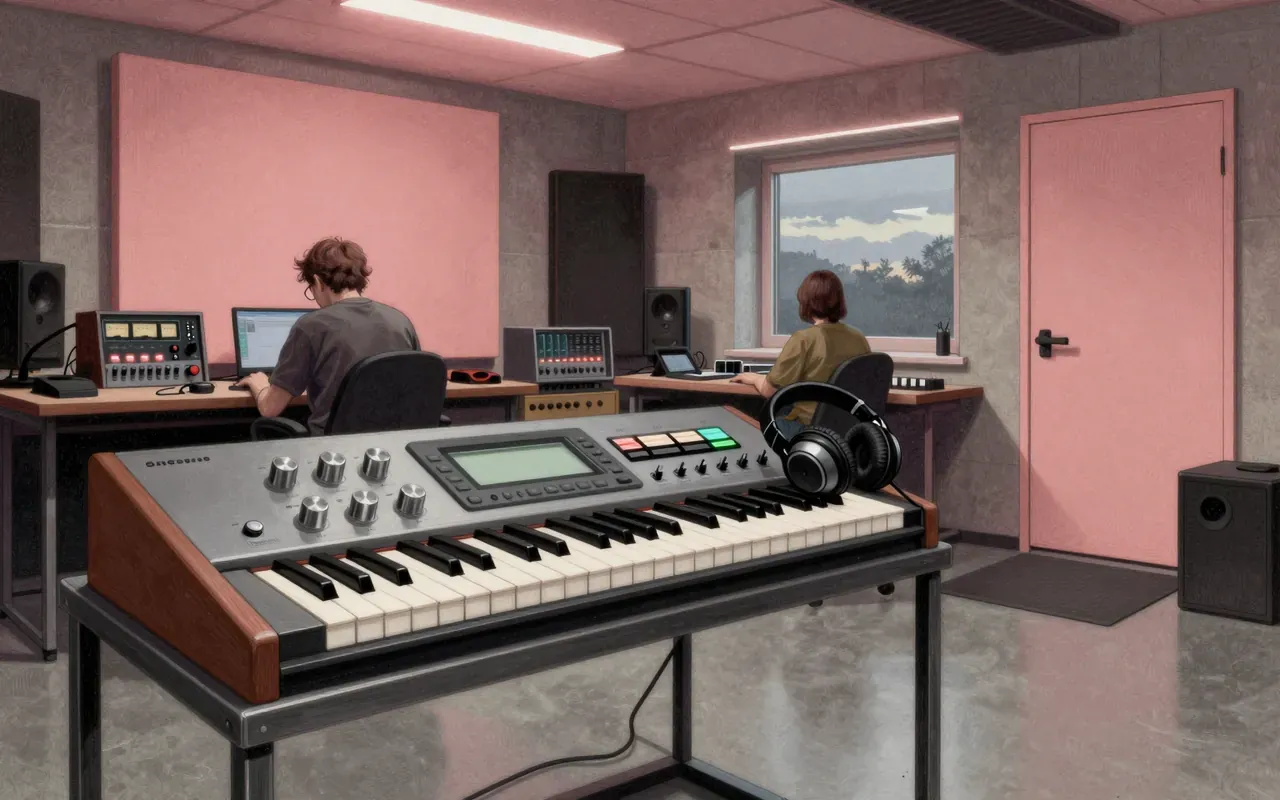
The Access Virus is a series of DSP-based virtual analog synthesizers introduced in 1997 and updated through the TI series. It offers subtractive, phase distortion, and FM synthesis—with wavetable added from the TI generation onward. Formats include rack modules (Virus B, C, TI Snow), keyboard versions (Virus KB, TI Keyboard, TI Polar), and fixed control layouts. It prioritises polyphonic stability, real-time editing, and aggressive tonal character over tactile expressivity or modern integration.