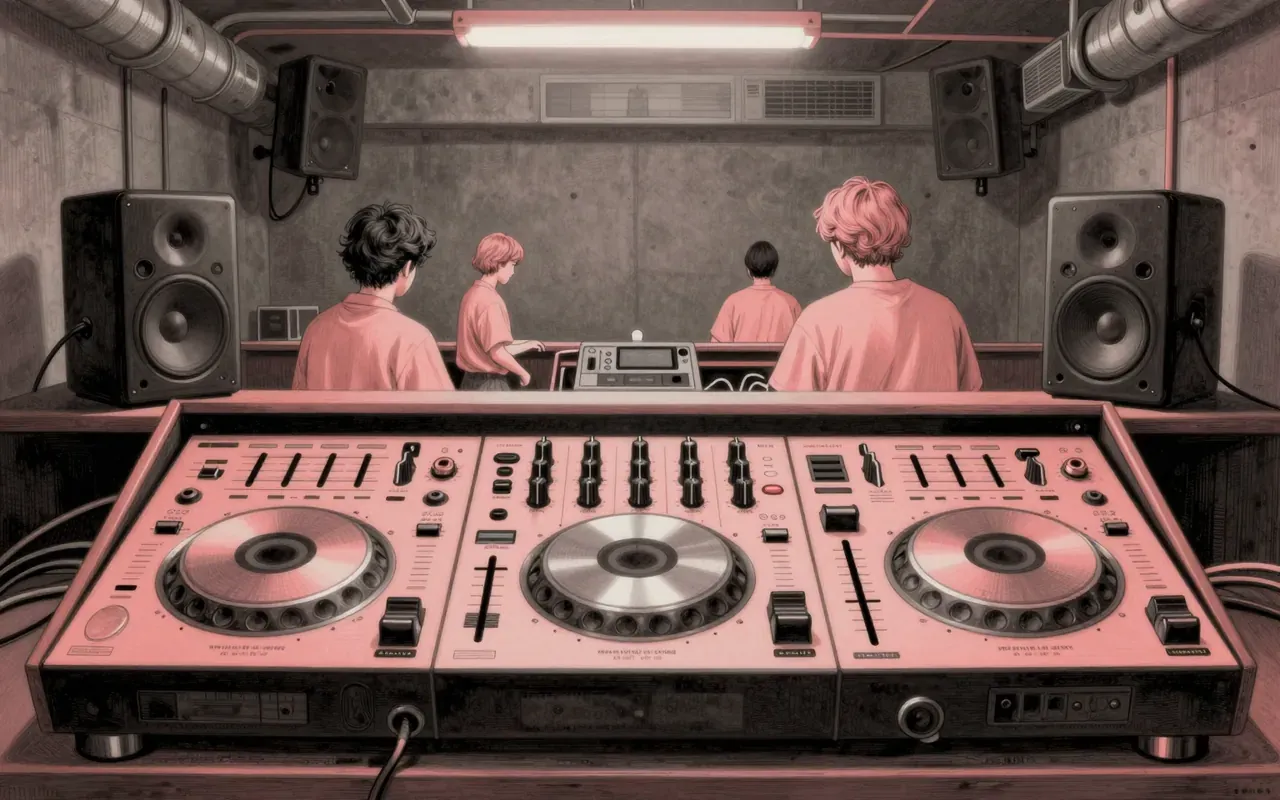
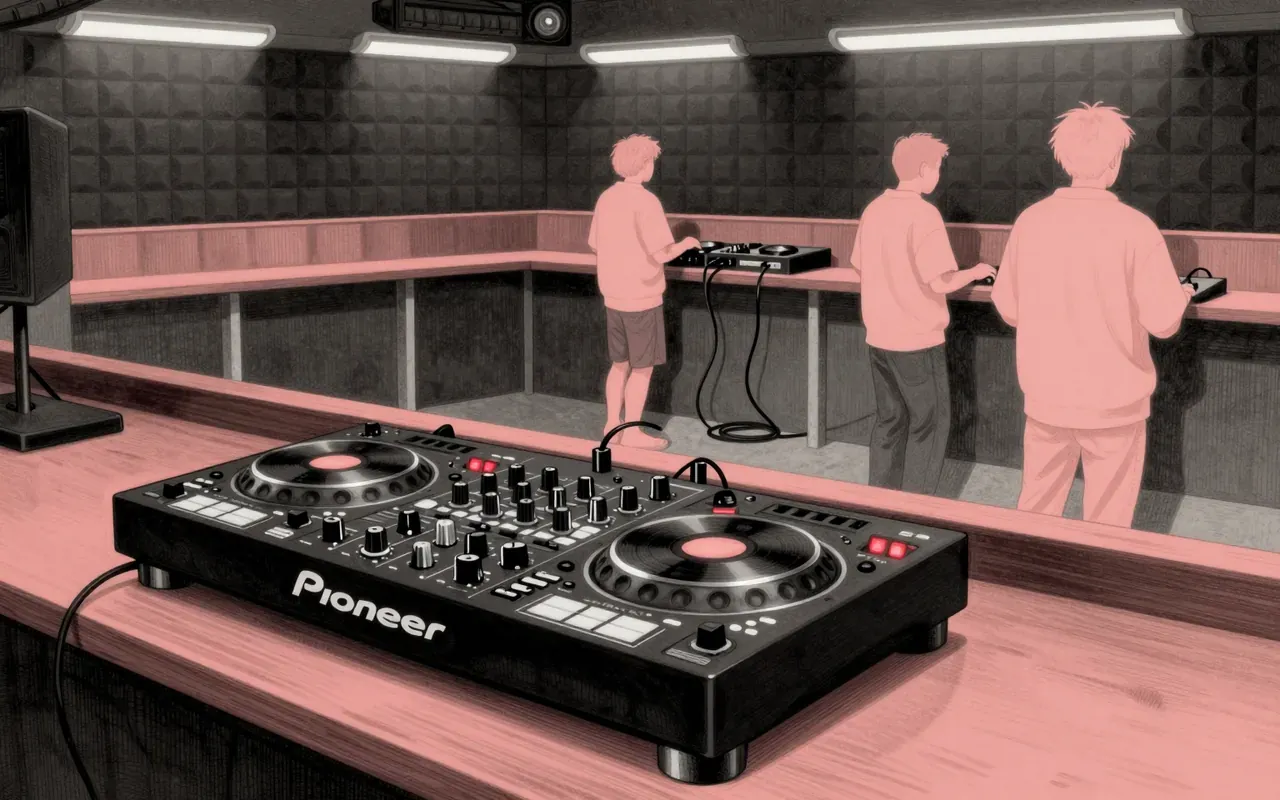
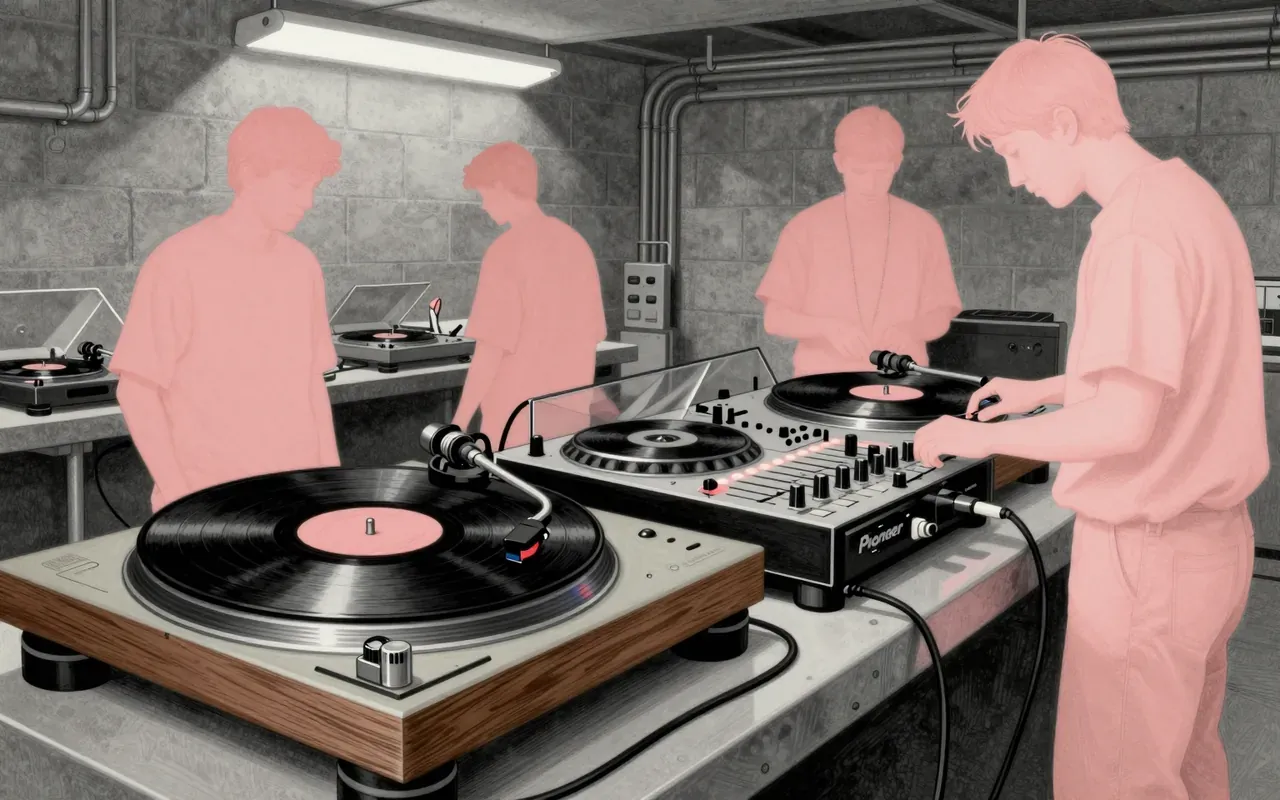
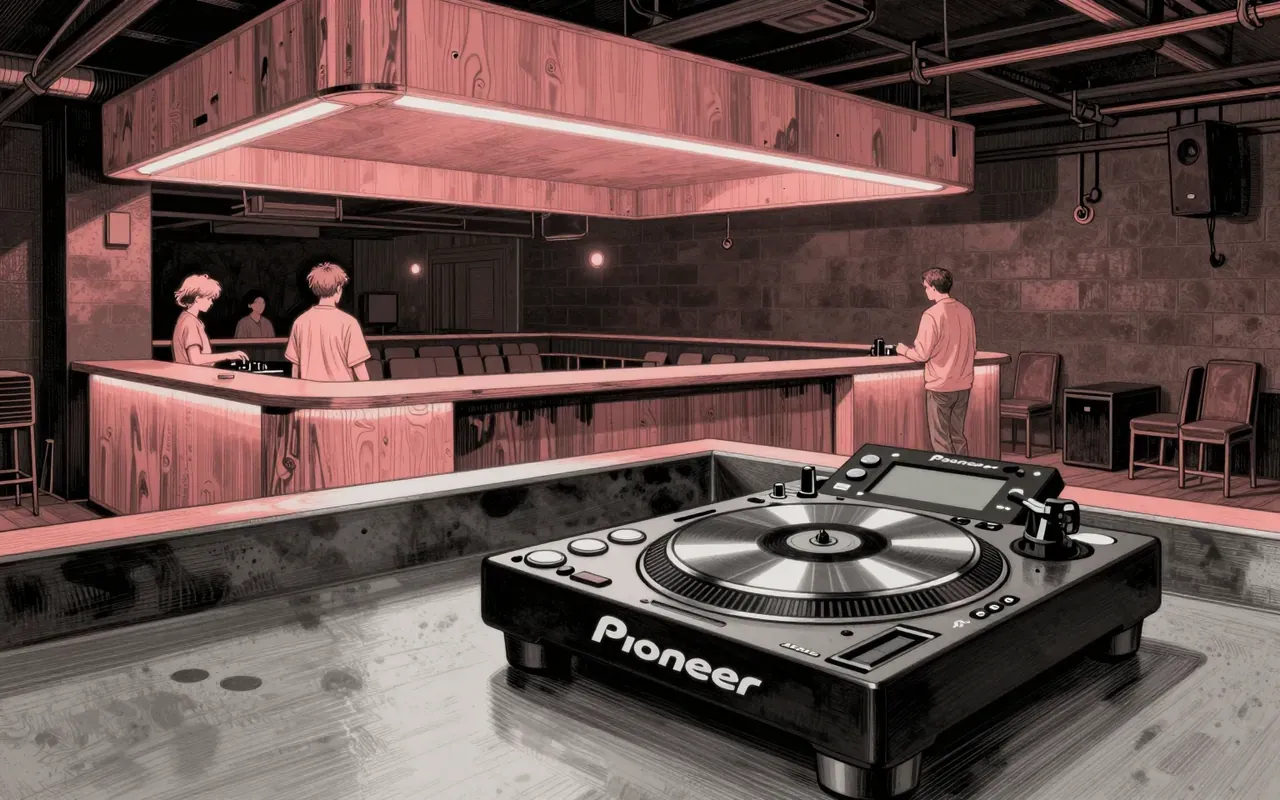
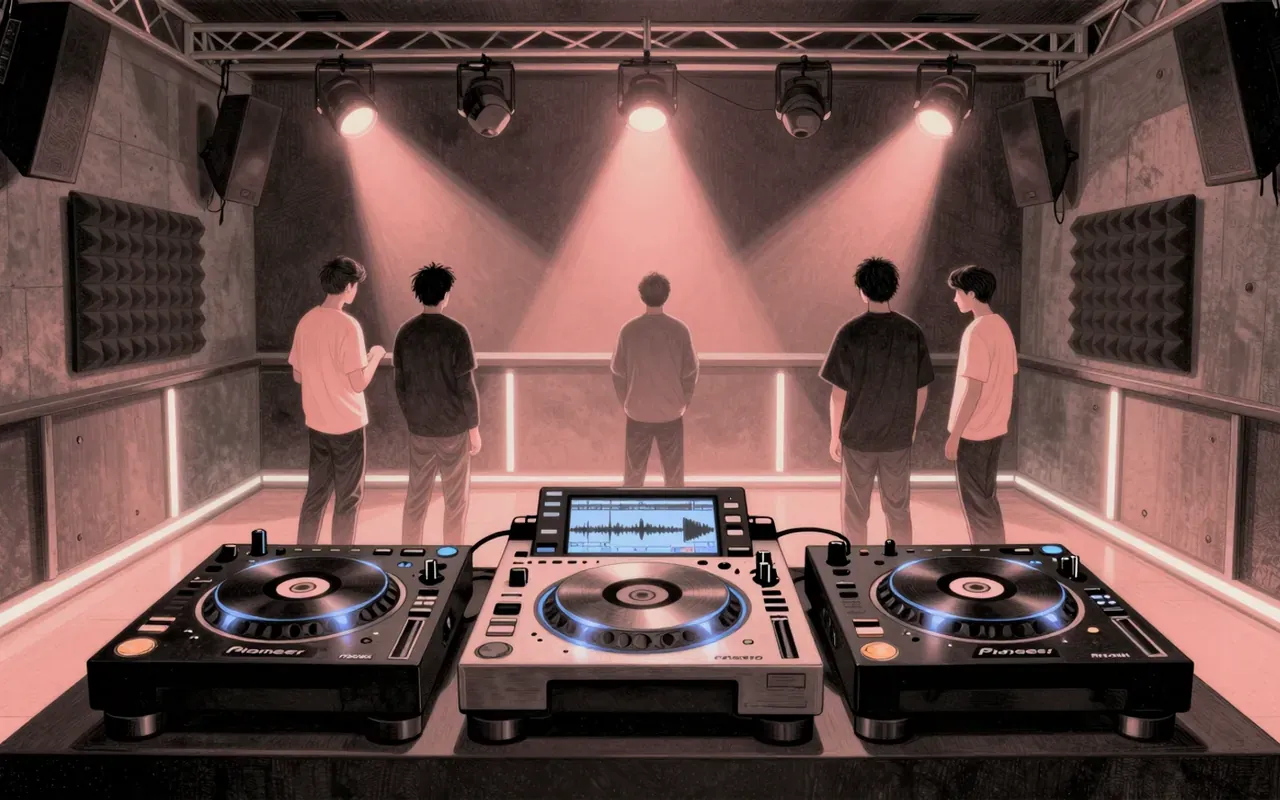
It doesn’t sculpt sound—it slams it into shape, live, with zero second-guessing.
The Pioneer DJM-800 is a 4-channel, 96 kHz / 24-bit digital mixer designed for live DJ performance. It delivers tight, immediate control over EQ, beat effects (Roll, Reverse Delay, Filter), and harmonic effects (Sweep, Crush). Its 61 assignable MIDI/HID controls integrate hardware and software without abstraction. But it offers no resonance adjustment on its filter effect, and headphone monitoring routing is rigid.
Four channels. 96 kHz / 24-bit digital audio path.
2:38
EQ that cuts or boosts hard
Each channel has a 3-band EQ with ±26 dB range.
4:00
Two effect families, one knob
Beat effects like Roll and Reverse Delay sit alongside harmonic effects like Sweep and Crush.
5:48
Hardware that talks back
61 fully assignable MIDI/HID controls let you map anything—no software required.
Worth your time?
Yes. Use the whole thing.
4/ 5
What works
integrating beat and harmonic effects per channel
routing dual mic inputs with analogue and digital sources
delivering consistent 96 kHz / 24-bit signal path
What does not
offer resonance control on its filter effect
allow flexible headphone monitoring routing
Use it if
working club DJs
turntablists integrating digital effects
Skip it if
producers requiring deep filter modulation
engineers needing complex cue routing
The written brief1 min read
What it is and what it was built for
The Pioneer DJM-800 is a 96 kHz / 24-bit digital DJ mixer built for live performance in clubs and studios.
How it works, in terms a player would use
It routes four channels of audio through 3-band EQs with ±26 dB range, applies beat effects like Roll or Reverse Delay, or harmonic effects like Sweep and Crush, and sends MIDI/HID signals from 61 assignable controls.
What it does better than anything else
It integrates beat and harmonic effects into a single channel strip more tightly than any contemporary 4-channel mixer.
What it does badly
It gives no resonance control on its filter effect. Headphone monitoring routing is inflexible.
What people made with it
DJs used it to layer real-time effects over vinyl and CDJ sets, especially Roll, Filter, and Sweep, during the mid-2000s rise of digital-assisted turntablism.
Who should use it, and who should not
A working club DJ who values tactile control, dual mic inputs, and integrated effects—but not a producer needing deep filter modulation or flexible cue routing.
Is it worth your time
Yes—if you need a durable, high-resolution digital mixer built for club DJs who route multiple decks and mics while triggering effects live.