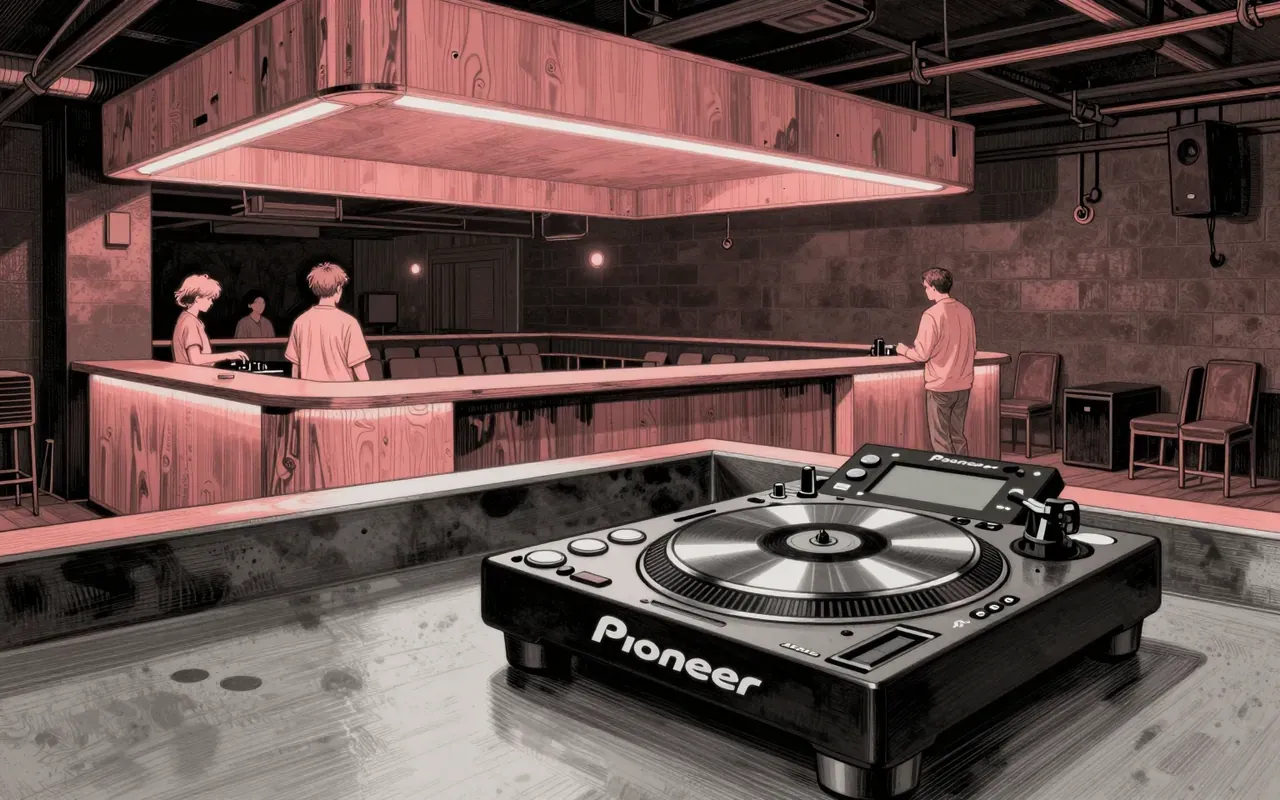
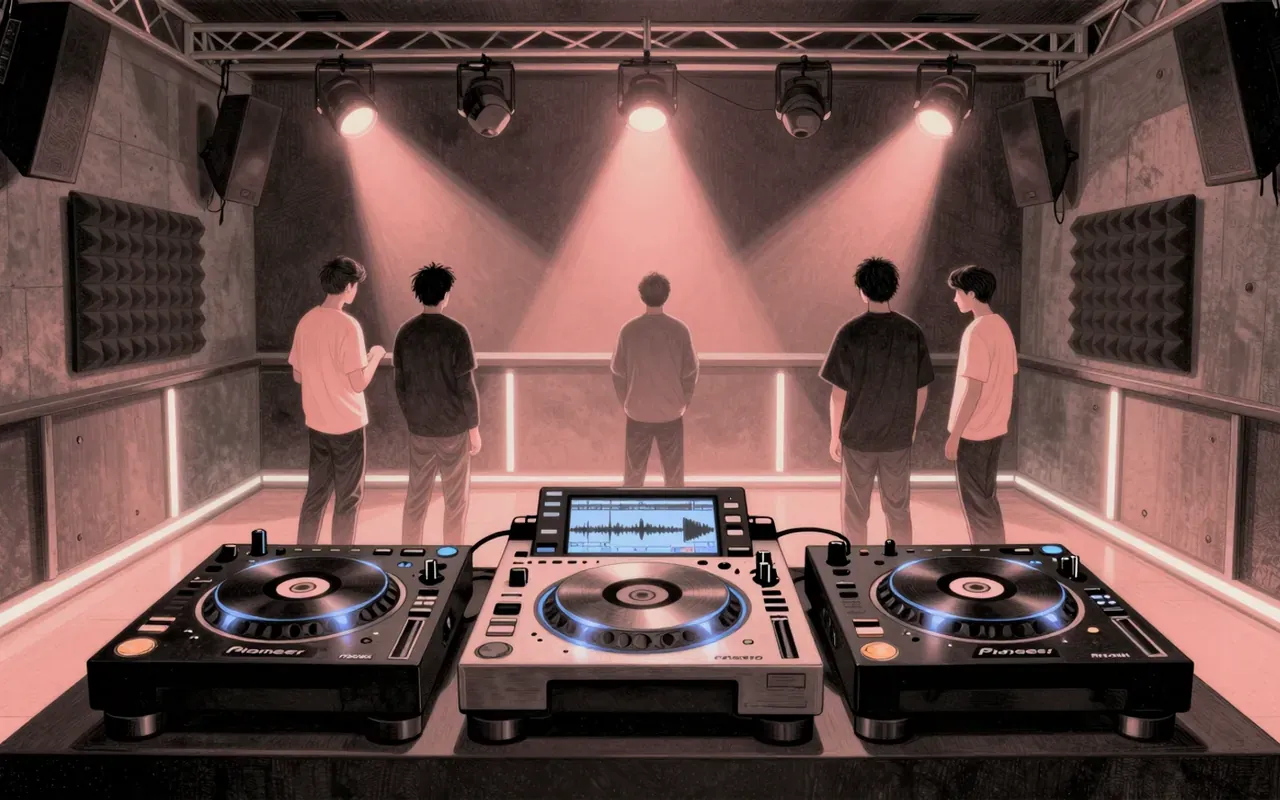
It loads CDs well and feels solid — but its cue points are obsolete, and it loses every comparison to what came next.
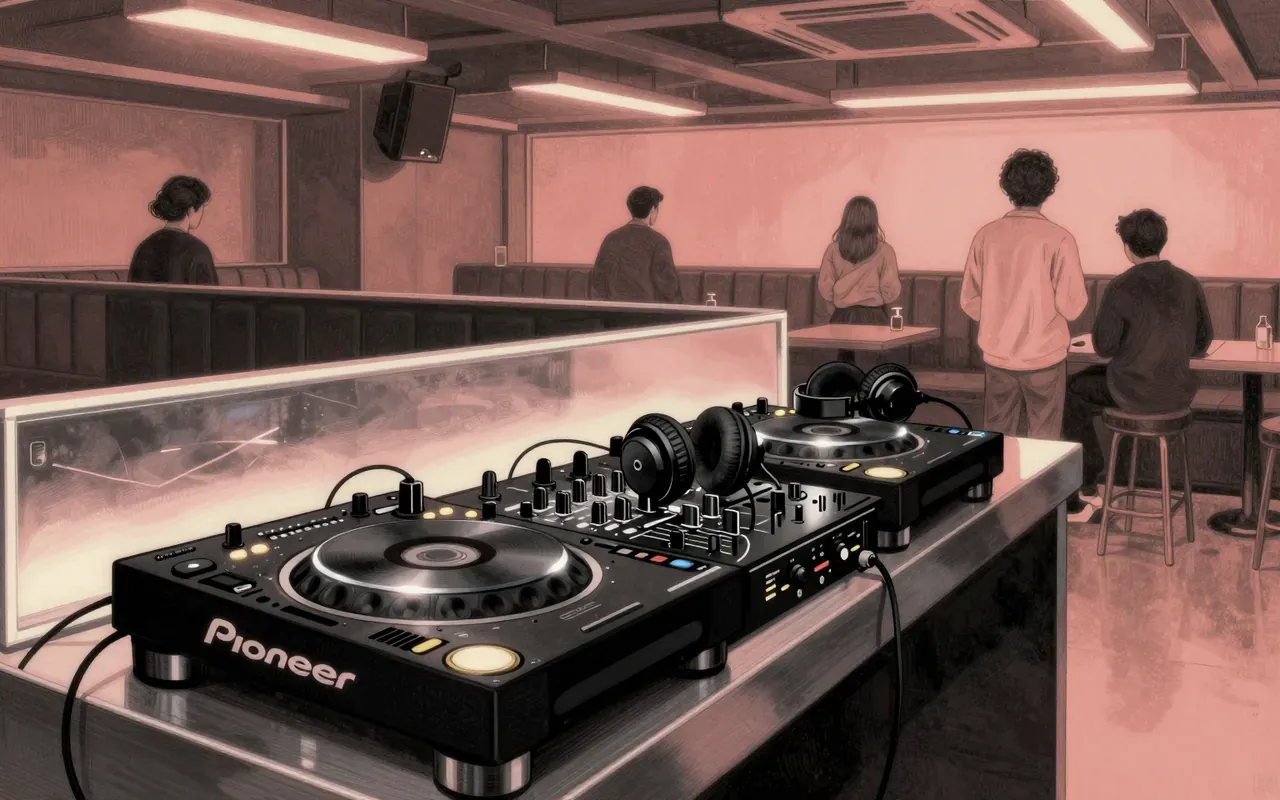
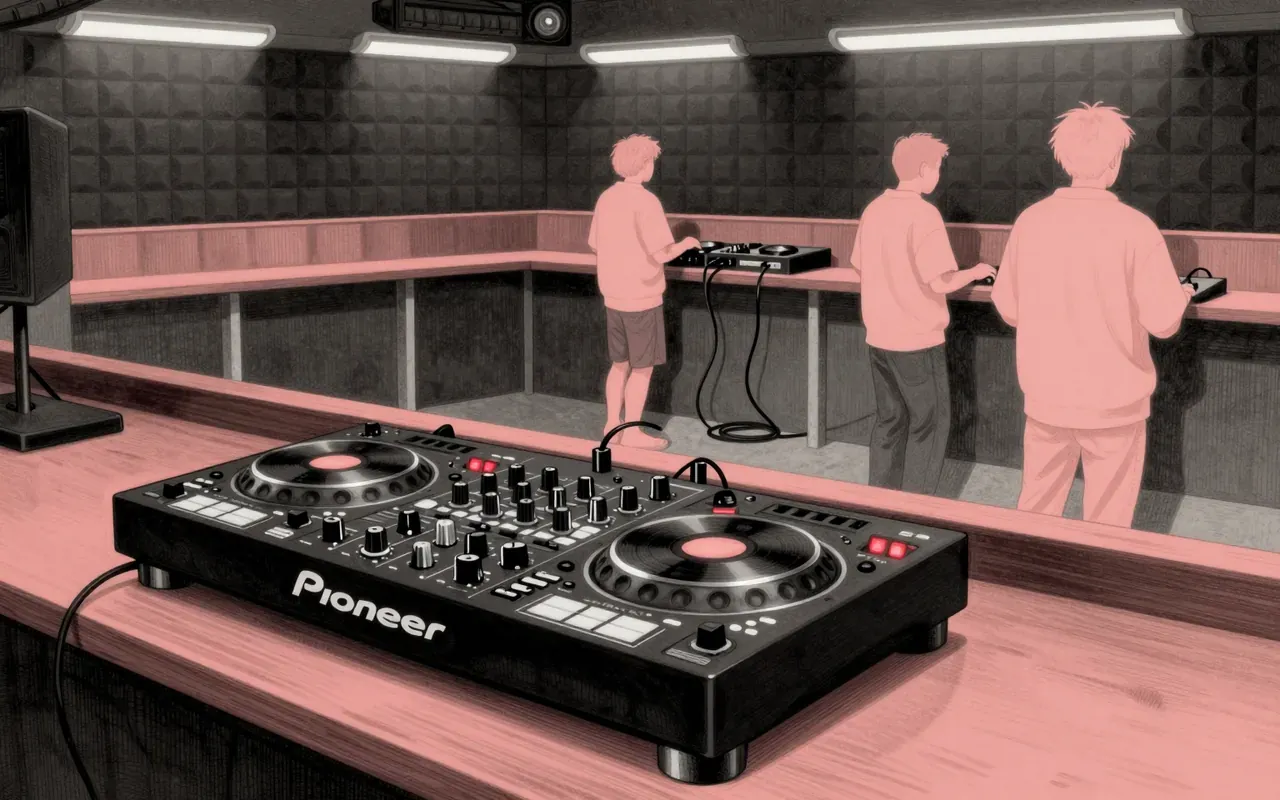
The Pioneer CDJ-100S is a discontinued tabletop DJ player. It loads CDs reliably. It has pitch control and effects users praise. Its cue point system is obsolete. It is outperformed by the CDJ200, CDJ800, and DNS1000. Users deployed it in live events but declined to repurchase it due to age. Its build quality remains high — but that does not compensate for functional limitations.
A discontinued tabletop CD player built for live DJ use.
2:02
What works
Its CD tray, pitch control, and effects work reliably.
3:00
Where it fails
Its cue point system is obsolete — and it’s outperformed by every major successor.
4:52
How people used it
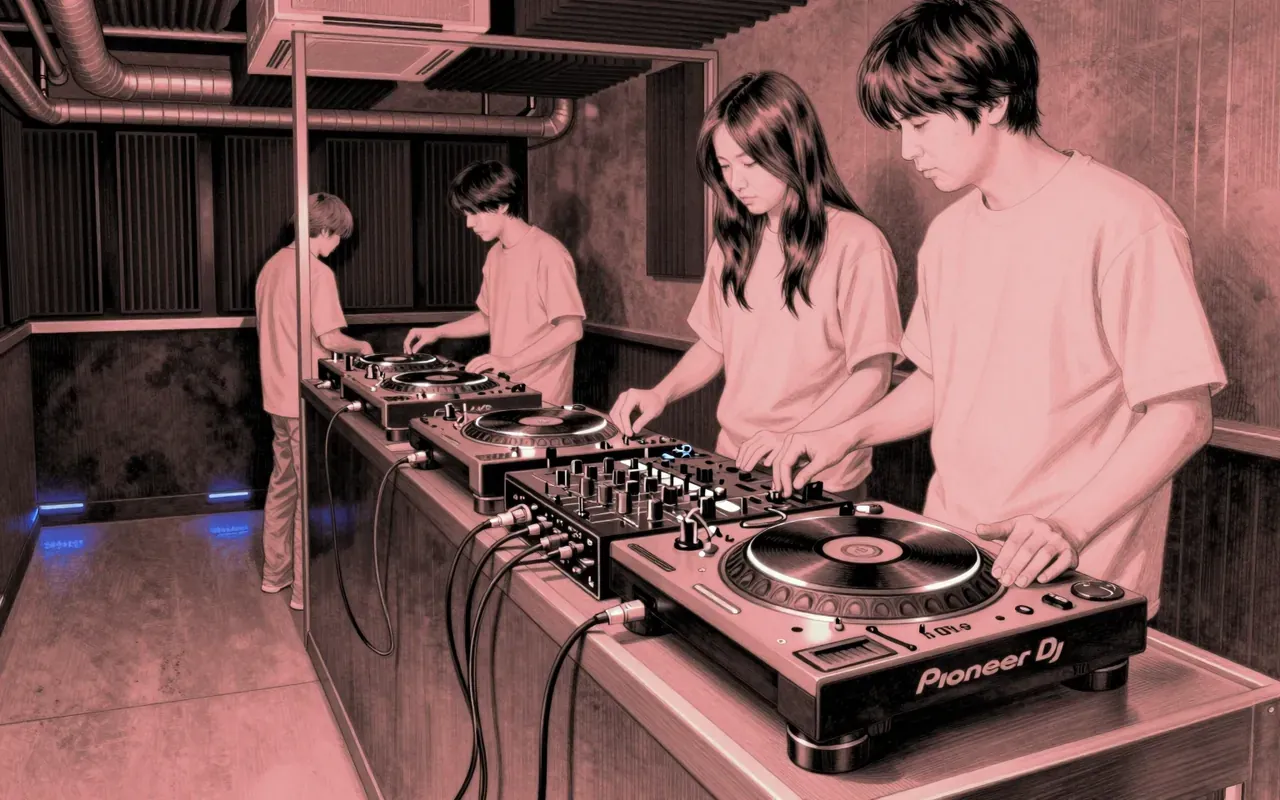
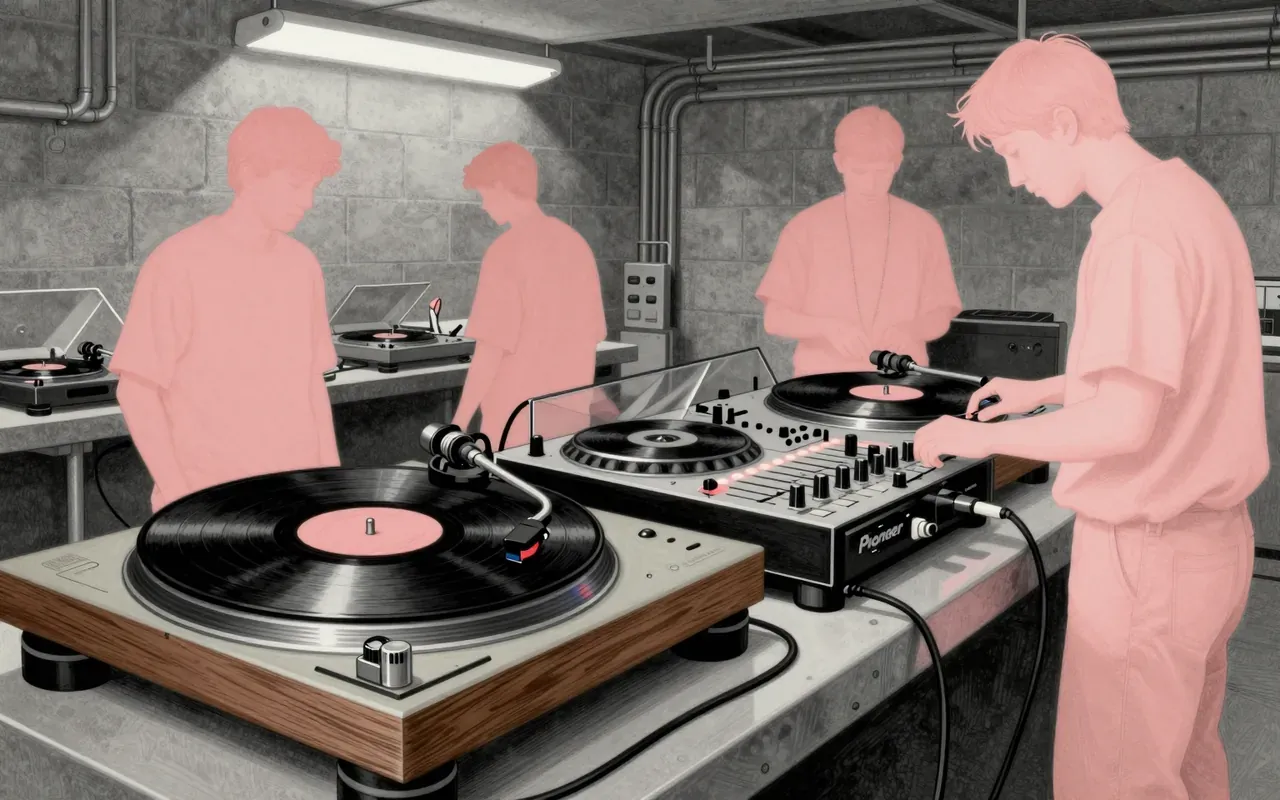
It was used live — but users call it obsolete and expensive even at its own price point.
6:25
The verdict from users
Even satisfied users refused to repurchase it, recommending the CDJ200 instead.
Worth your time?
No. The brief is enough.
2.5/ 5
What works
cd_loading
pitch_control
effects
What does not
compensate_for_obsolete_cue_system
match_successor_performance
Use it if
budget_constrained_collectors
no_need_for_precise_cueing
Skip it if
working_djs
reliable_live_performance
The written brief1 min read
What it is and what it was built for
The Pioneer CDJ-100S is a discontinued tabletop DJ player designed for CD-based live mixing.
How it works, in terms a player would use
It loads CDs into a tray. It has pitch control and built-in effects. It uses a cue point system that users describe as obsolete.
What it does better than anything else
It offers a responsive CD loading system, tactile pitch control, and usable effects — features users specifically praised.
What it does badly
Its cue point system is obsolete. It falls short of later models like the CDJ200, CDJ800, and DNS1000 in overall performance.
What people made with it
Users deployed it in multiple live events, confirming its functional viability in real sets despite its age.
Who should use it, and who should not
Only collectors or DJs with strict budget constraints and no need for precise cueing should consider it. Anyone needing dependable performance should avoid it.
Is it worth your time
It is not worth your time if you need reliable cueing or modern performance. Its high build quality does not offset its functional obsolescence.