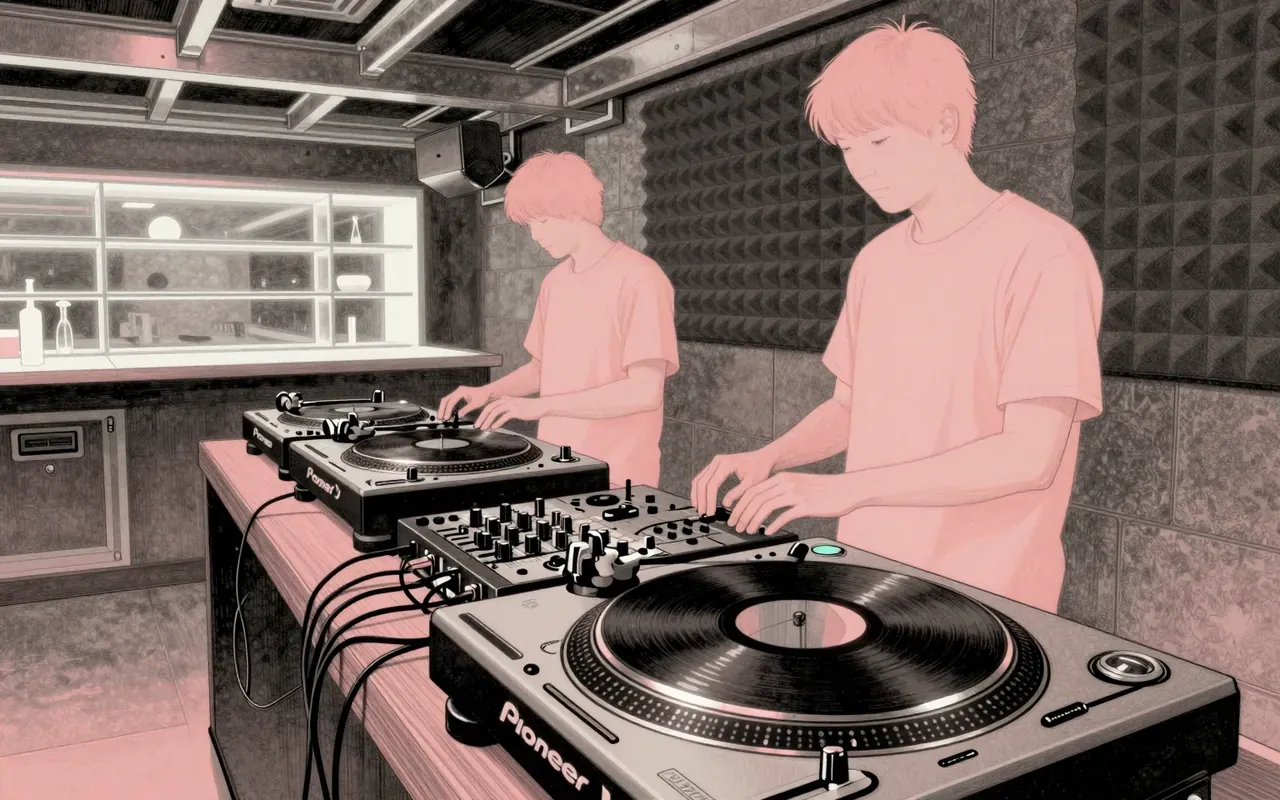
Pioneer CDJ-1000
Pioneer
The Pioneer CDJ-1000 is a tabletop DJ player. It plays CDs. It does not read MP3 files. It is no longer sold. It was replaced by the CDJ-2000 Nexus.
Looking for the record nobody else has found.
The Pioneer CDJ-1000 is a tabletop DJ player. It plays CDs. It does not read MP3 files. It is no longer sold. It was replaced by the CDJ-2000 Nexus.

The Pioneer CDJ-1000 MK2 is a discontinued tabletop DJ player built to play CDs with exacting mechanical and operational control. It sets the reference for precision, robustness, and reliability among CD-based DJ players of its era. Loops fire instantly. Hot Cues never lag—even while seeking. Reverse isn’t just functional—it’s musical. It’s a discontinued CD-only player, replaced by the CDJ-2000 Nexus.

The Pioneer CDJ-100S is a discontinued tabletop DJ player. It loads CDs reliably. It has pitch control and effects users praise. Its cue point system is obsolete. It is outperformed by the CDJ200, CDJ800, and DNS1000. Users deployed it in live events but declined to repurchase it due to age. Its build quality remains high — but that does not compensate for functional limitations.

The Pioneer CDJ-500 is a tabletop DJ player built to play CDs in live and private DJ sets.

The Pioneer DJM-500 is a 4-channel DJ mixer with RCA, 1/4" jack and XLR connectors. Its EQ is adequate. Its effects section is limited but sufficient. It can be rack-mounted—with a modification. Some users doubt its rack-mountability. Its signal path is transparent. Its build invites daily use—but demands maintenance as it ages.
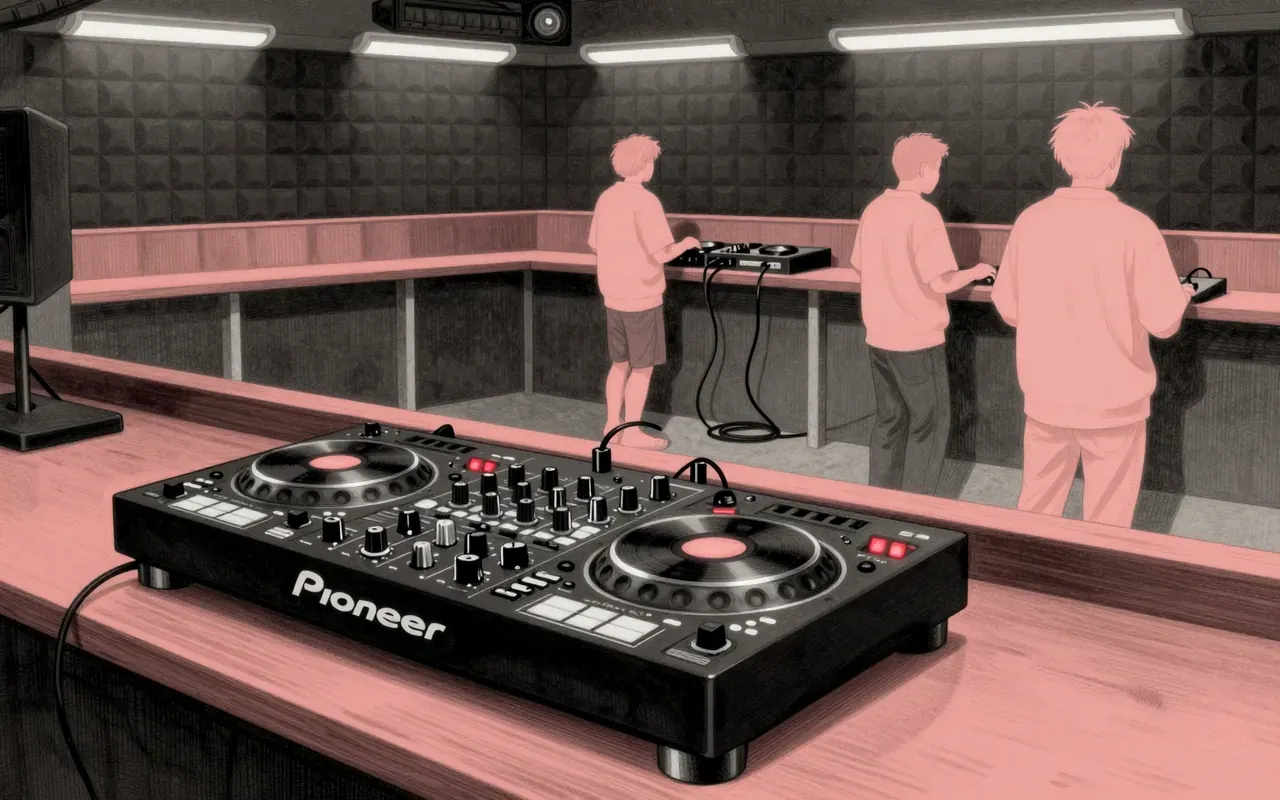
The Pioneer DJM-600 is a 4-channel analog DJ mixer with RCA and XLR I/O, non-parametric EQ, integrated non-automatable effects, no sync capability, and clean, distortion-free sound — though perceived as dated by 2010. It is widely used in clubs and praised for reliability, intuitive layout, and ease of installation.
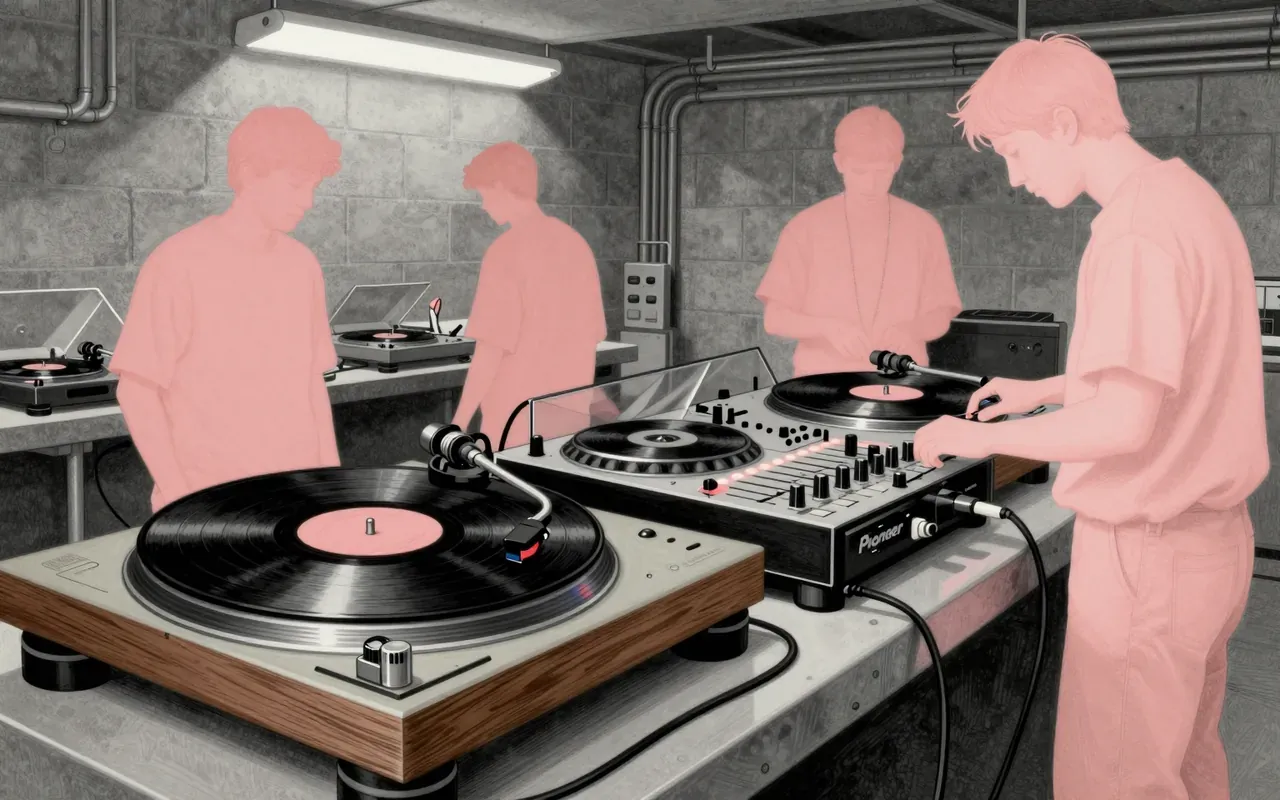
The Pioneer DJM-909 is a 2-channel DJ mixer built for live blending, EQ, and effects. It has no published technical specifications. Pioneer manufactured it. User reviews highlight transparency and effective equalization—but give no data on filter slope, latency, or headroom. It does not integrate with software or offer recallable settings. It belongs in a booth, not a studio rack.
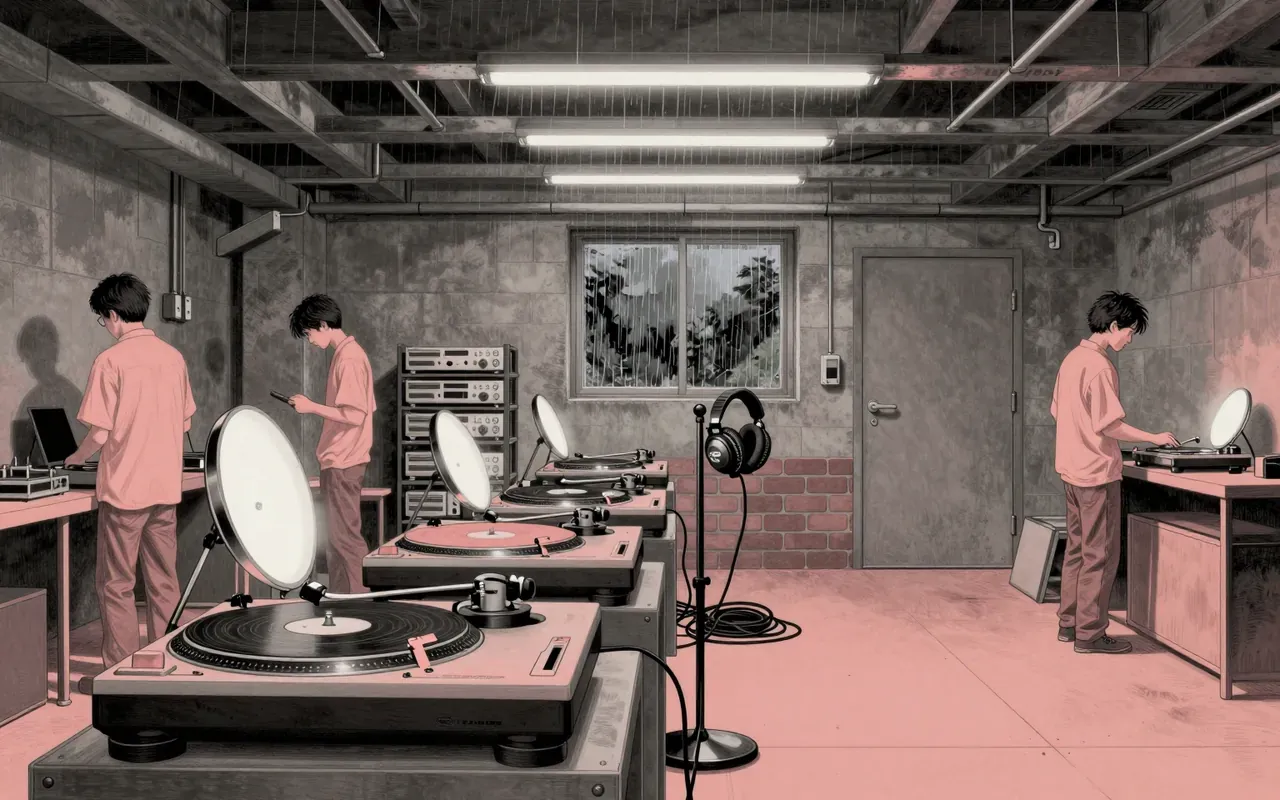
The Vestax PDX-2000 is a DJ turntable built for scratching and mixing. It delivers high torque and stable tracking. Its straight tone arm, pop-up light, and adjustable brake serve functional roles in performance. Pitch control is imprecise. The start button and pitch fader are fragile. Road cases are hard to find due to its length.

The Vestax PMC-07 Pro is a 2-channel scratch mixer. It prioritises precision, durability, and clarity over features. Its crossfader is adjustable and preferred for scratching over competitors including the PMC-05, Numark, Ecler, Rane, and PMC-07 PSI. It sounds clear and unsaturated. It has no digital functions, no headphone cueing beyond basic monitoring, and no more than two channels.
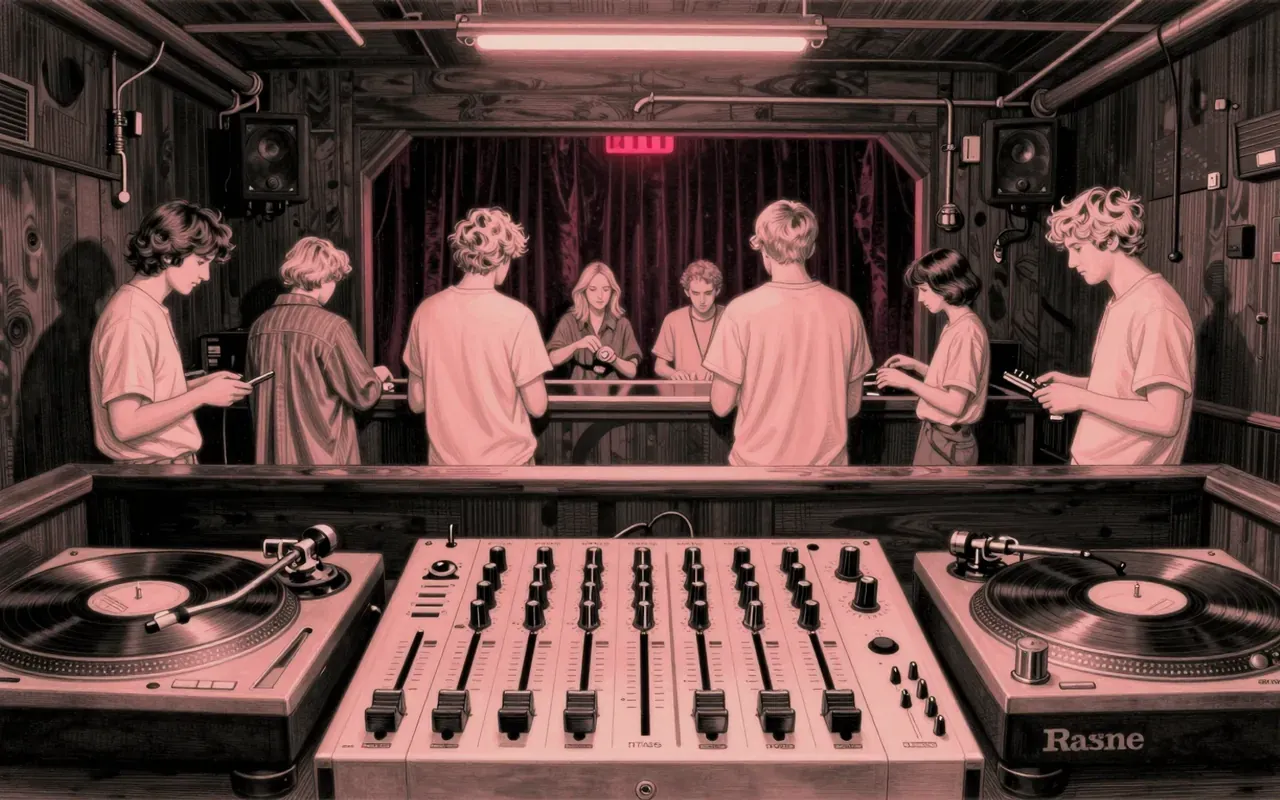
The Rane TTM 56 is a 2-channel DJ performance mixer. It uses magnetic faders impervious to smoke or moisture. Its EQ cuts frequencies completely. It produces no fader bleed or swipe sounds. Its signal-to-noise ratio is outstanding. It has adjustable fader contour and inversion. It has an integrated effects loop with dry/wet control.
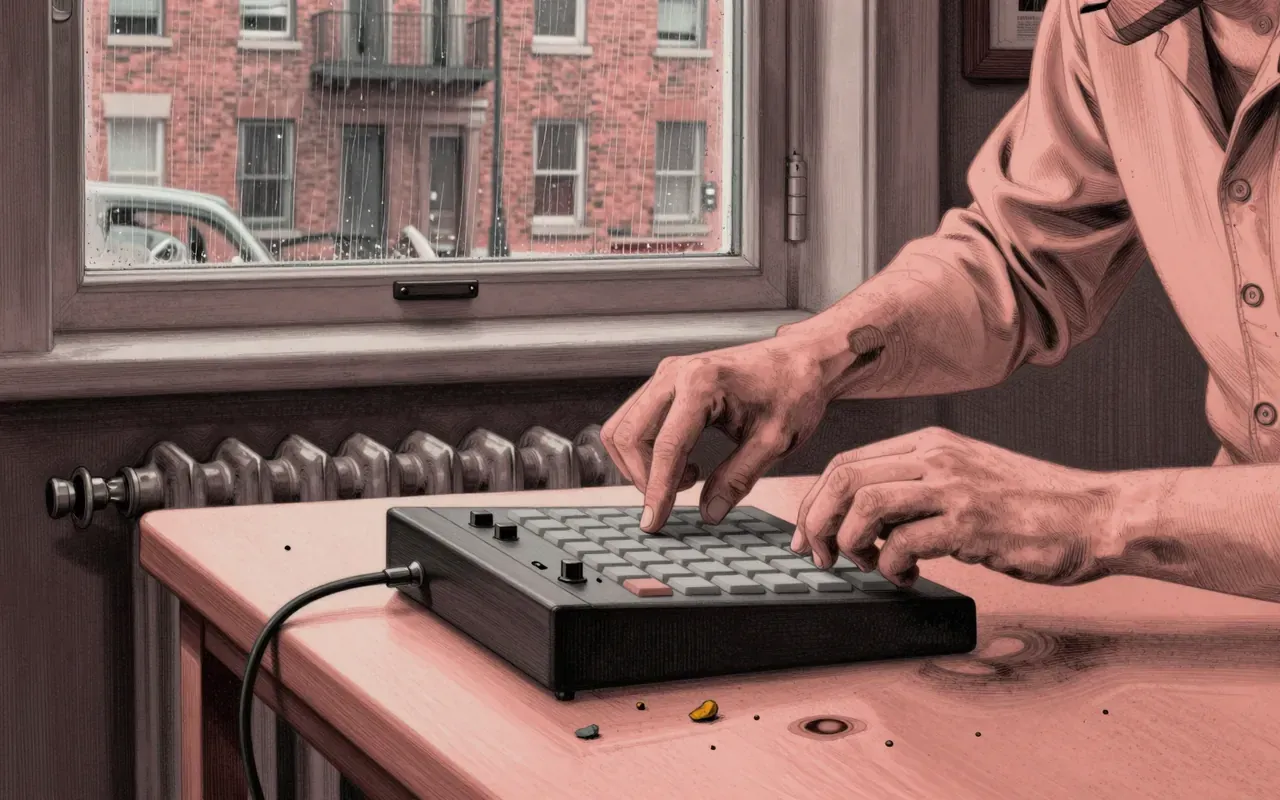
The Boss SP-202 is a portable sampling workstation released in 1998. It succeeded Roland's MS-1 Digital Sampler. It has eight pads, four banks, two control knobs, a built-in microphone, six built-in effects, BPM-based looping, user-selectable sampling grade per pad, and sampling capacity of 4 minutes 20 seconds internally or up to 37 minutes with a SmartMedia card. It was built for club DJs, hip-hop and dance music artists.
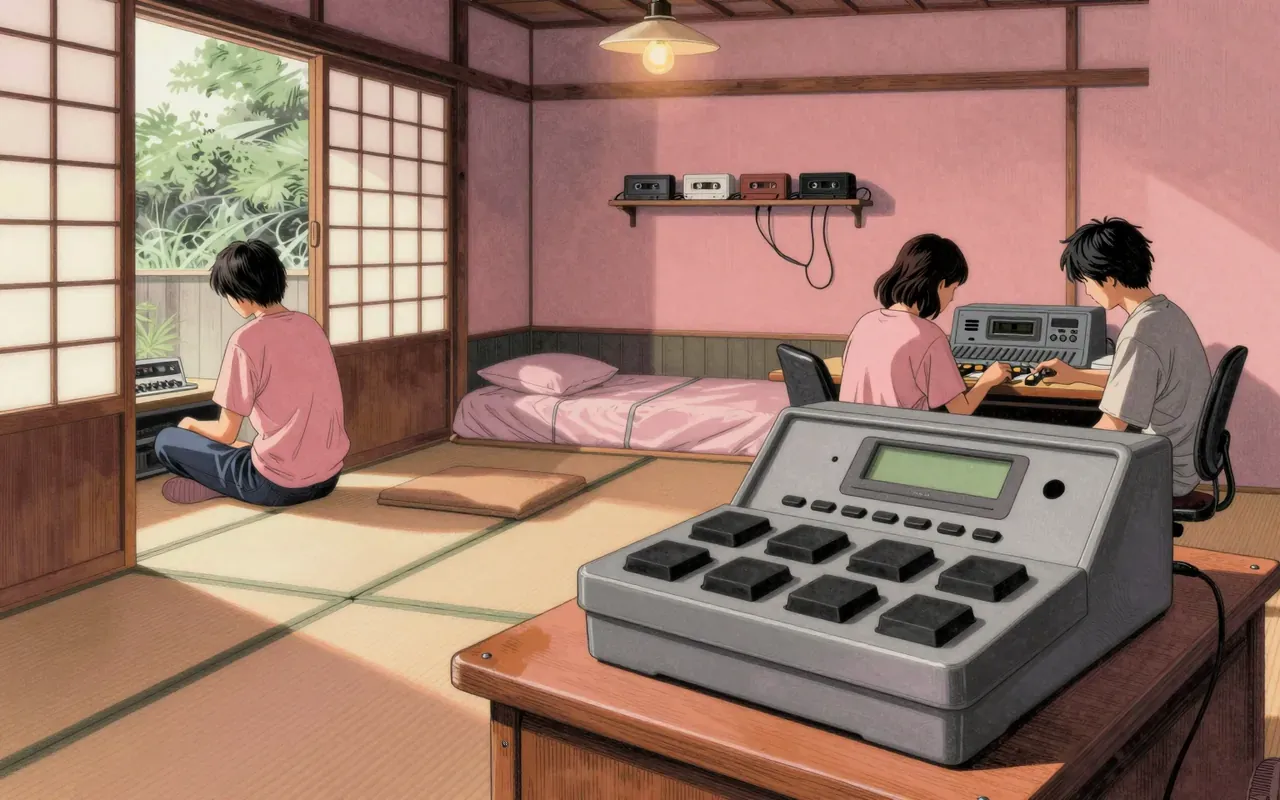
The Boss SP-303 is a 2001 digital sampler with eight pads, four soundbanks, three minutes and twelve seconds of sampling, twenty-six internal effects, and a built-in pattern sequencer. It was used by J Dilla, Madlib, Animal Collective, Panda Bear, Four Tet, and Moka Only. Dilla used it with a 45 record player to make 29 of the 31 tracks on Donuts while hospitalized. Madlib used it with a portable turntable and cassette deck to produce most of Madvillainy.

The Technics SL-1200 is a tool for physical intervention — not passive playback. Its engineering serves one demand: keep spinning, exactly, while being handled.