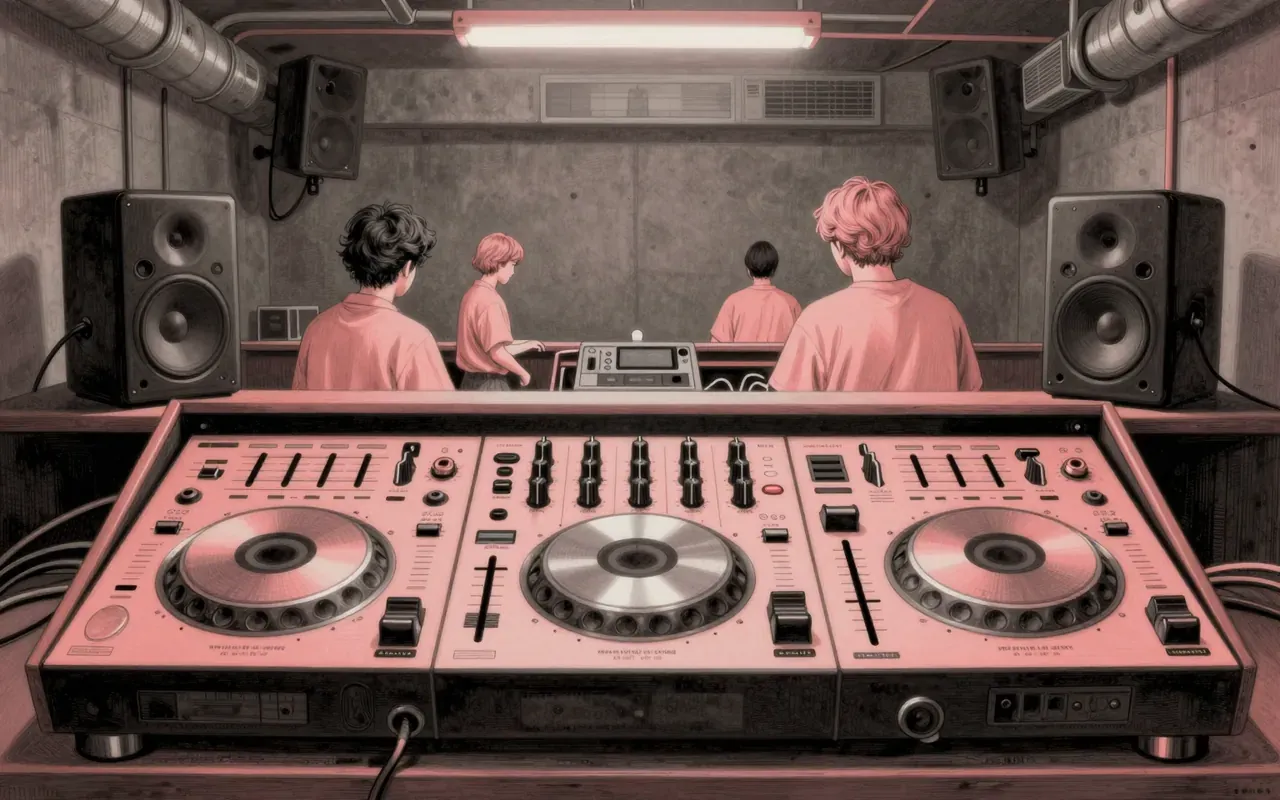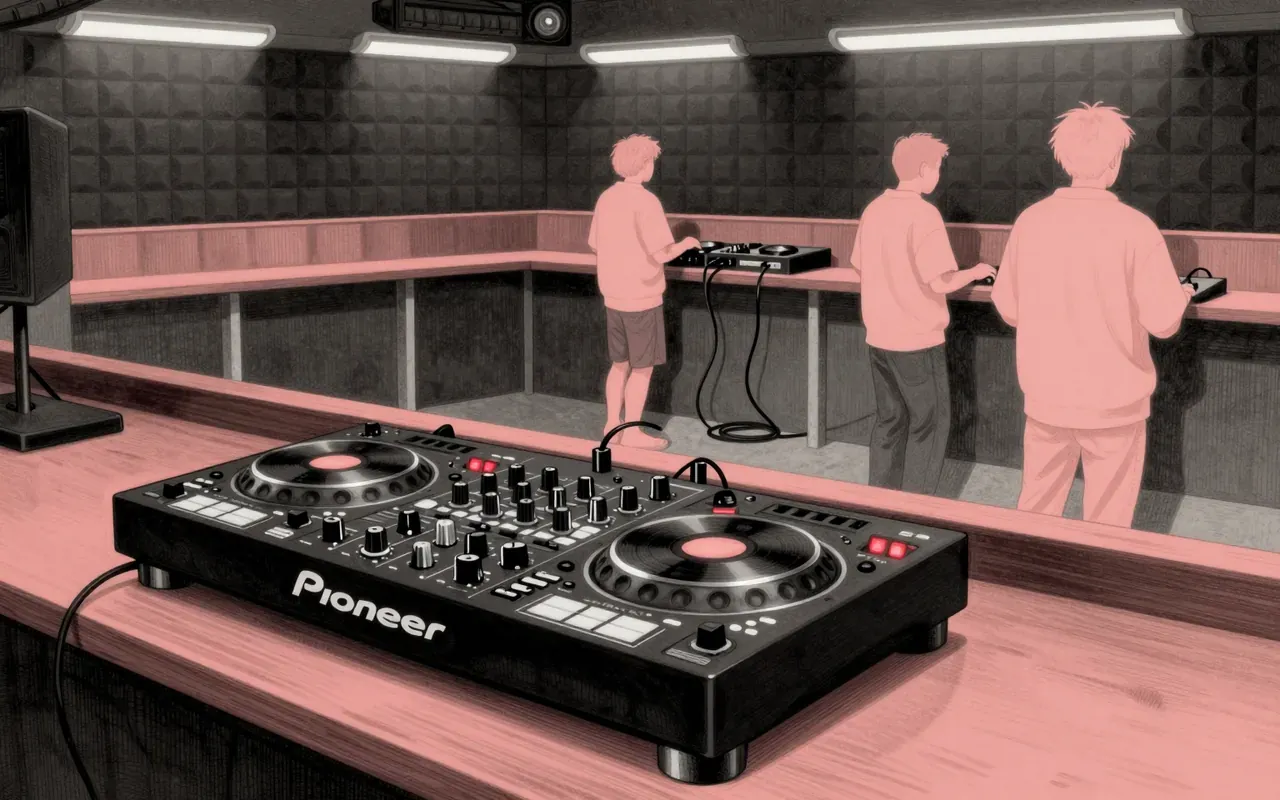
What it is and what it was built for
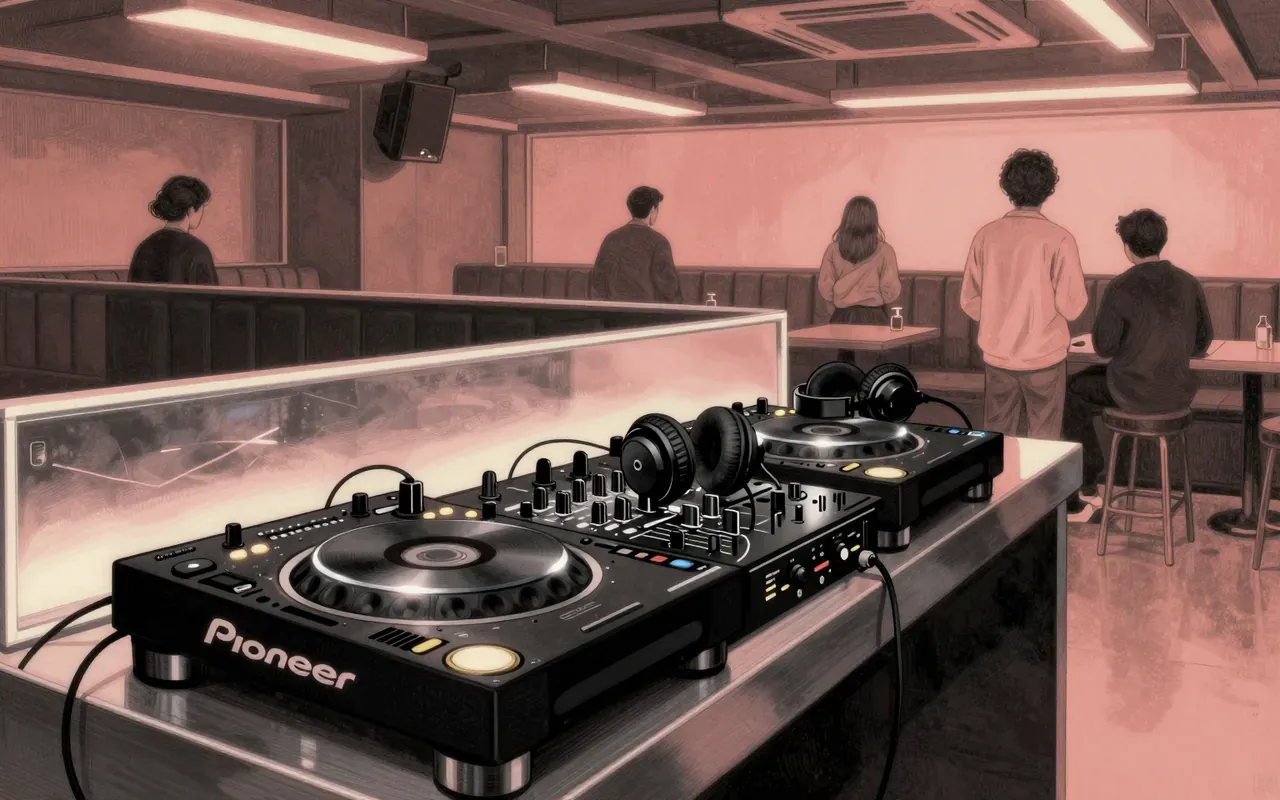
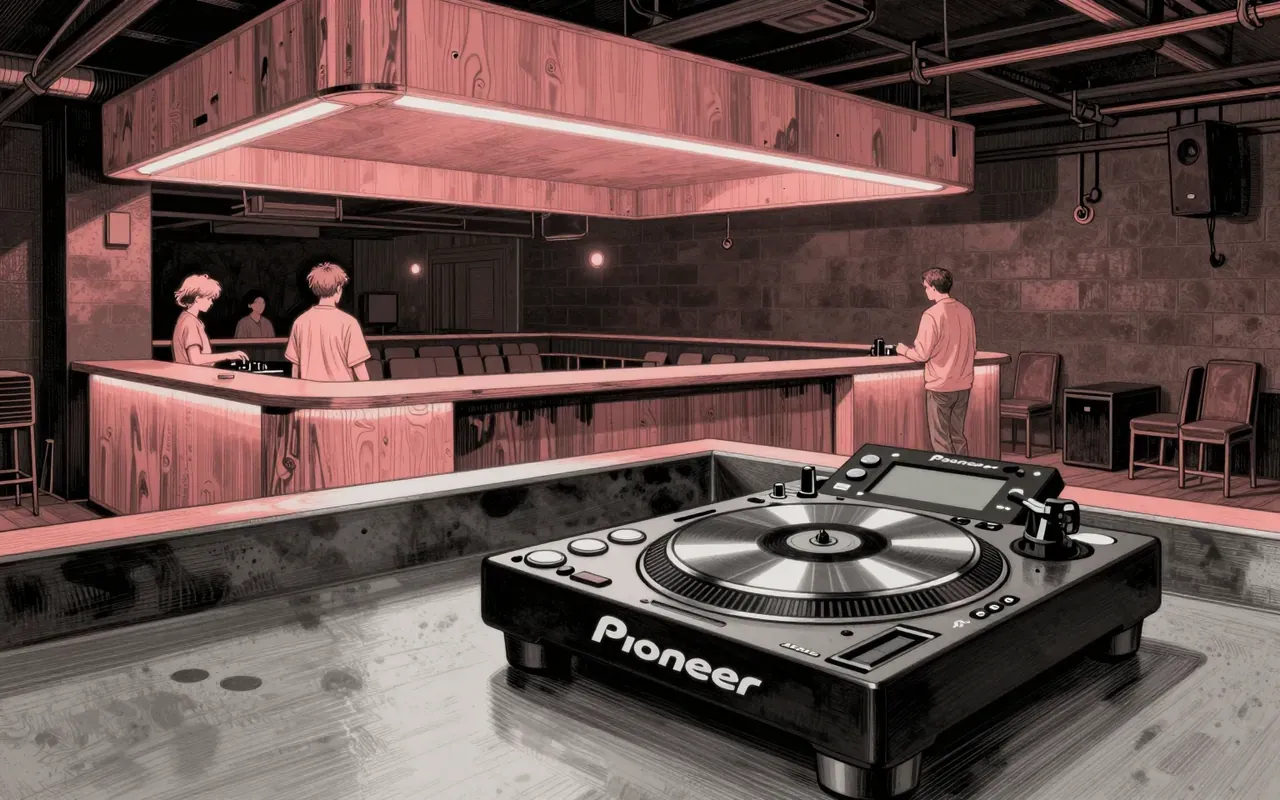
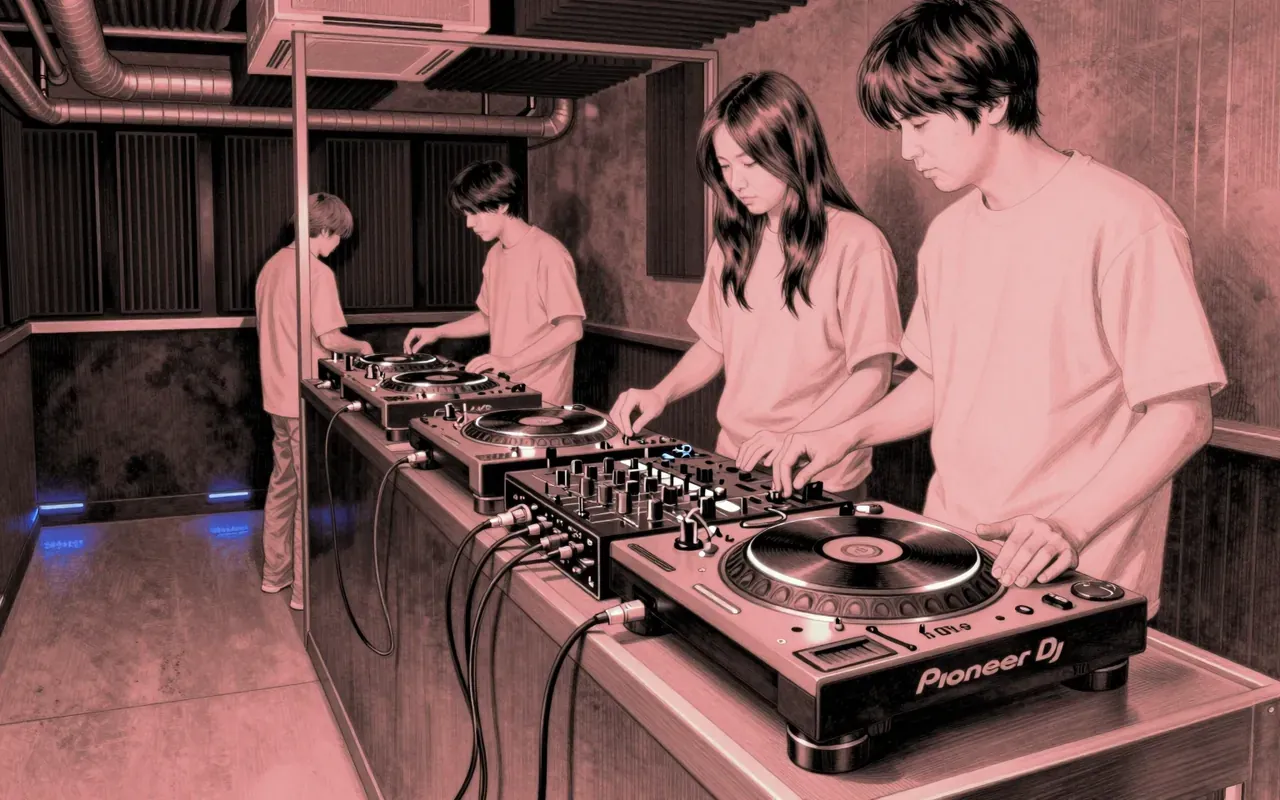
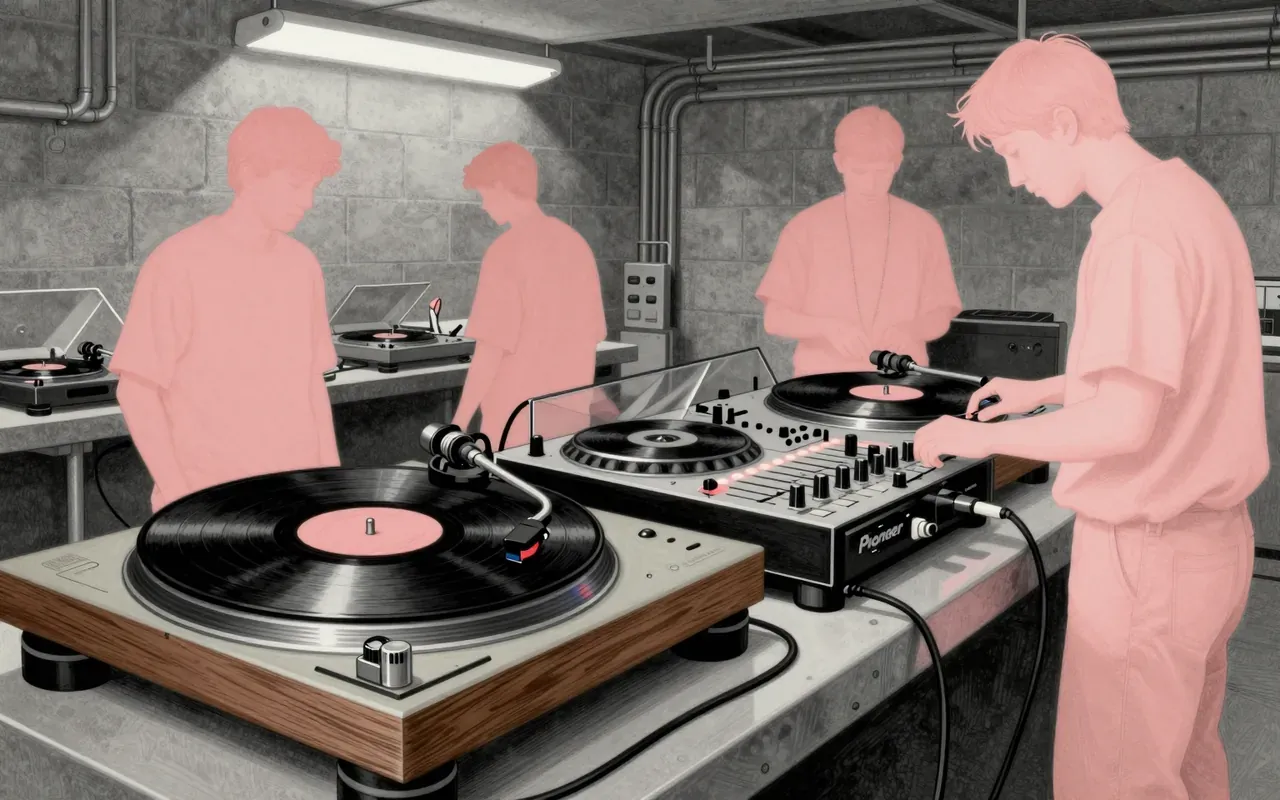
The Pioneer DJM-600 is a 4-channel analog DJ mixer built for club and mobile DJs using turntables and CD players. It was designed for tactile, real-time mixing with minimal latency and maximum reliability.
How it works, in terms a player would use
It routes four analog channels, each with separate phono and line RCA inputs. Bass, mid and treble EQs are fixed-frequency knobs — no sweep, no Q control. Effects are engaged manually, with no sync or automation. Outputs are RCA and XLR. It cannot lock to external tempo sources.
What it does better than anything else
It delivers distortion-free, hiss-free audio through an entirely analog signal path. Its layout is intuitive for live mixing: channel faders, crossfader, EQ knobs and effect controls are all within direct reach and clearly labelled.
What it does badly
It does not support tempo synchronization. Effects cannot be automated. It is not rack-mountable without physical modification. The EQ offers no parametric control — no frequency selection, no bandwidth adjustment.
What people made with it
DJs used it to mix vinyl and early CD-based sets in clubs and events throughout the late 1990s and 2000s. Its clean sound and responsive faders supported precise beatmatching and expressive transitions.
Who should use it, and who should not
Mobile DJs, vinyl purists and educators needing a durable, no-frills analog mixer should use it. Anyone requiring MIDI sync, DAW control, recallable settings or rack integration should not.
Is it worth your time
Yes — if you need a clean, reliable, hands-on analog mixer for turntables or CDJs and do not require sync, automation or digital integration. No — if you rely on tempo-matched effects, DAW integration or rack mounting without modification.