audiobriefs
7:55in productionCh. 1 · What it is/ 7:55 · ceiling 15 min
DJ gear

Pioneer CDJ-500

It doesn’t do more — it does less, and lasts longer.

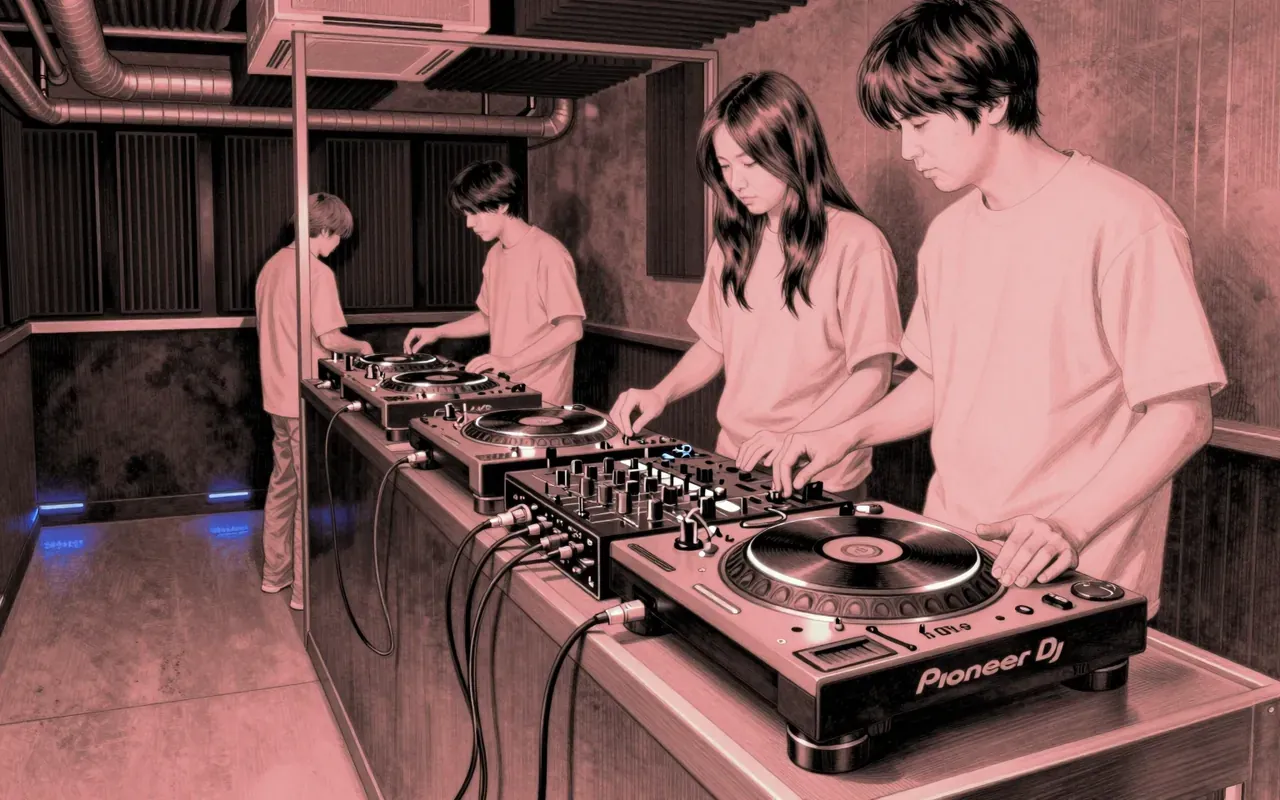
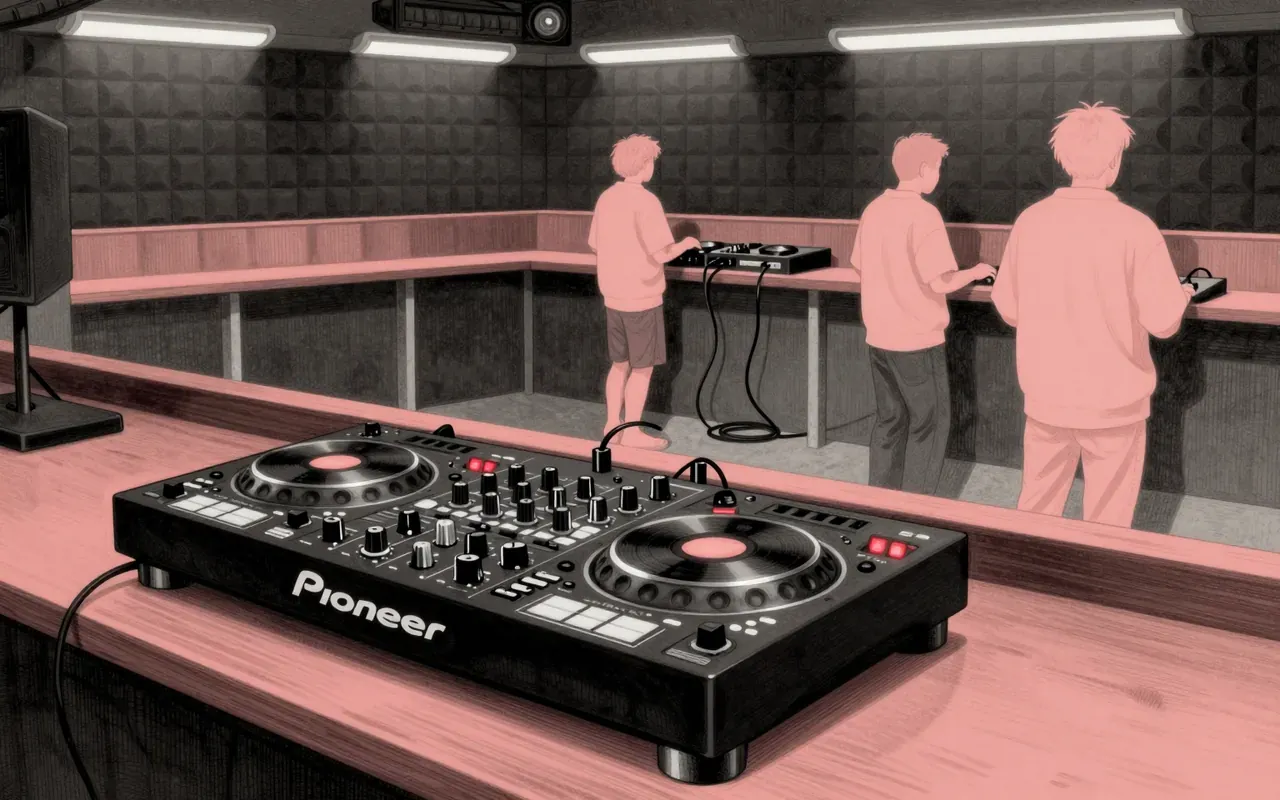
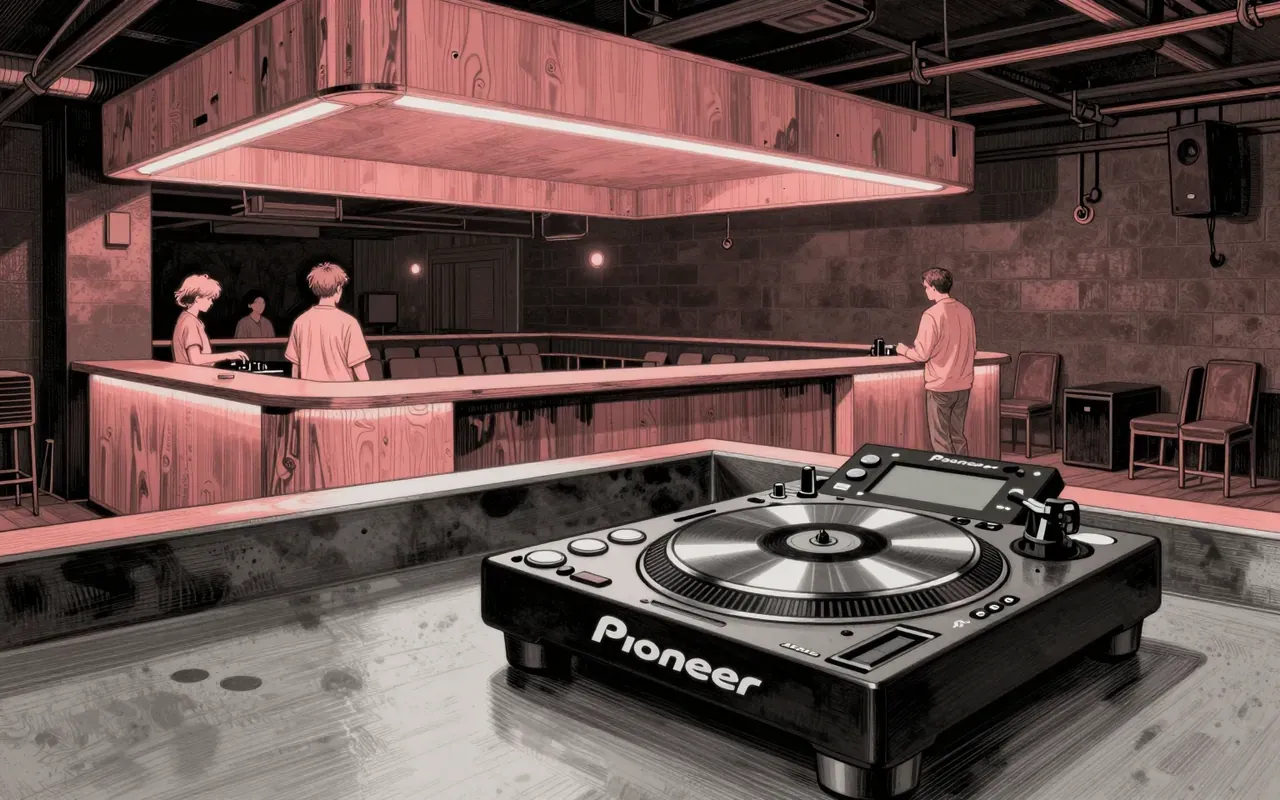
The Pioneer CDJ-500 is a tabletop DJ player built to play CDs in live and private DJ sets.

Chapters & takeaways4
  1. 0:51
    What it is

    It’s a tabletop CD player made for DJs, not collectors or archivists.

  2. 2:13
    How it works

    Auto cue works. CD calibration is precise. The wheel reads almost any CD-R.

  3. 3:40
    Why it lasts

    It survives ten years of parties — and still flies as backup.

  4. 4:50
    What it leaves out

    No effects. No CD-RW. No USB. Just looping — and it’s precise.

Worth your time?

Yes. Use the whole thing.

3.5/ 5
What works
  • auto cue
  • CD-R compatibility
  • precise looping
  • long-term durability
What does not
  • support CD-RW
  • support USB keys
  • include built-in effects
Use it if
  • DJs who need reliable CD playback and looping
  • Operators who value longevity over features
Skip it if
  • DJs reliant on digital files or rewritable media
  • Users needing real-time audio processing
The written brief1 min read

What it is and what it was built for

The Pioneer CDJ-500 is a tabletop DJ player built to play CDs in live and private DJ sets.

How it works, in terms a player would use

It plays CDs. The jog wheel cues tracks automatically. You set loops by pressing buttons while the track plays. It reads CD-Rs reliably. No screen menus — all controls are physical and direct.

What it does better than anything else

It calibrates CDs with high precision. It accepts virtually all CD-Rs. Its auto cue is reliable. Its build survives ten years of parties.

What it does badly

It has no built-in effects. It cannot read CD-RWs. It does not accept USB keys. It takes more bench space than newer players.

What people made with it

DJs used it to mix at public and private parties for over a decade. Some still keep units as backups.

Who should use it, and who should not

Use it if you want a robust, loop-capable CD player with zero software layer. Avoid it if you rely on digital file access, rewritable media, or real-time effects.

Is it worth your time

Yes, if you need a durable, no-frills CD player for live mixing. No, if you need effects, CD-RW, or USB playback.
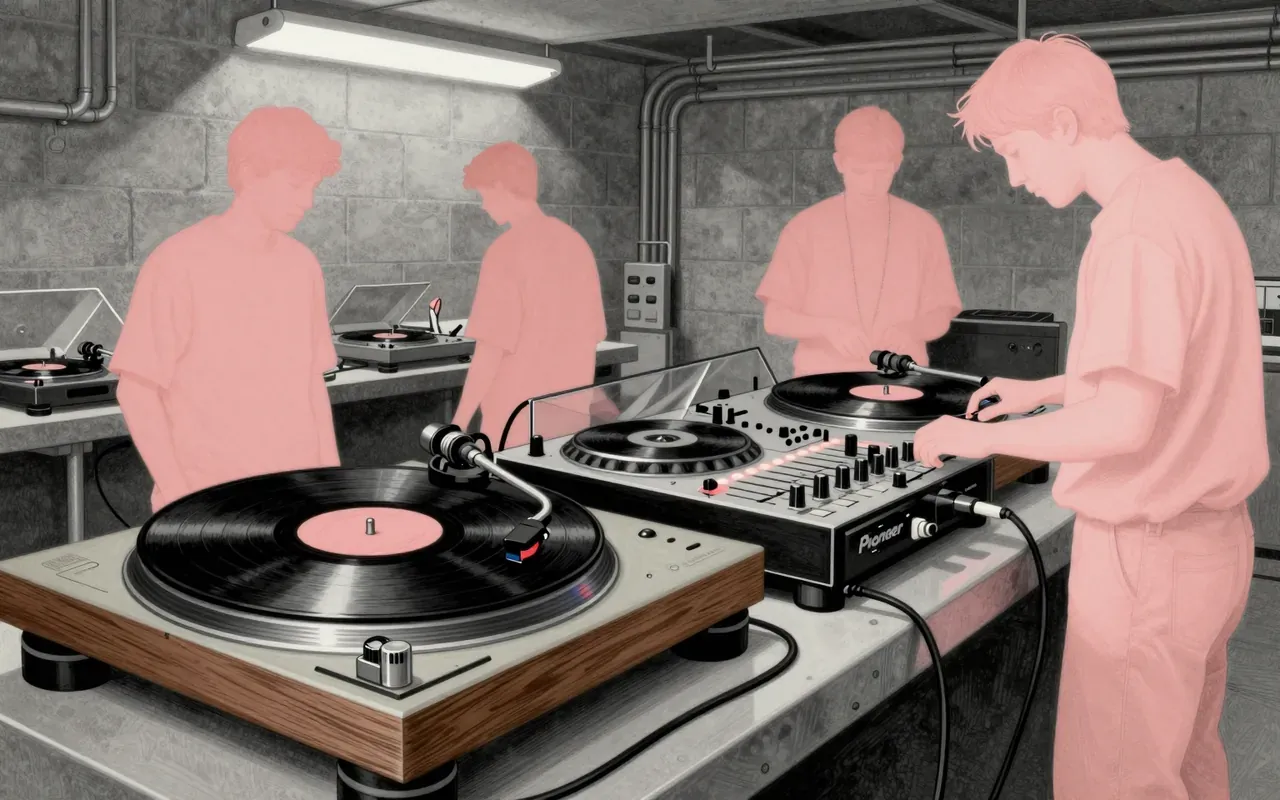
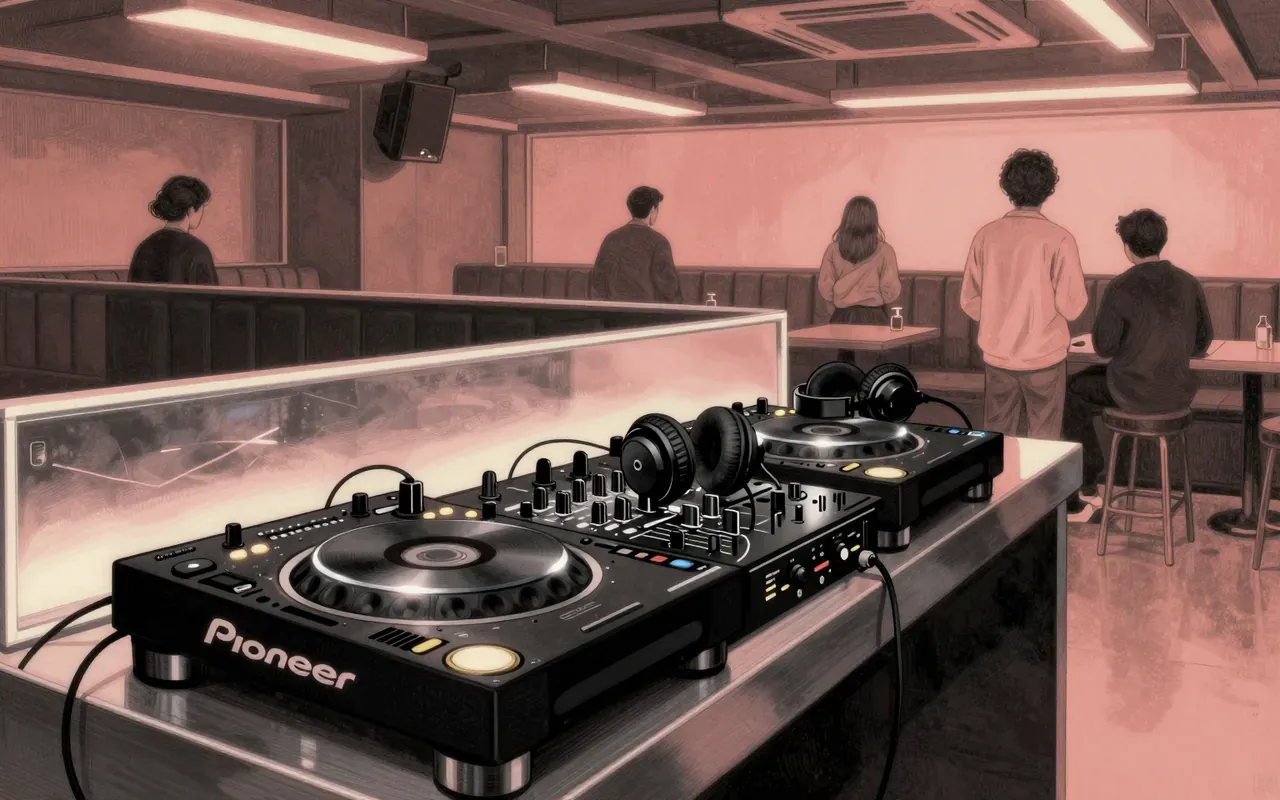
Same bench · DJ gear4 of 29
8:21
Pioneer DJM-909PioneerThe Pioneer DJM-909 is a 2-channel DJ mixer built for live blending, EQ, and effects. It has no published technical specifications. Pioneer manufactured it. User reviews highlight transparency and effective equalization—but give no data on filter slope, latency, or headroom. It does not integrate with software or offer recallable settings. It belongs in a booth, not a studio rack.
9:40
Pioneer CDJ-100SPioneerThe Pioneer CDJ-100S is a discontinued tabletop DJ player. It loads CDs reliably. It has pitch control and effects users praise. Its cue point system is obsolete. It is outperformed by the CDJ200, CDJ800, and DNS1000. Users deployed it in live events but declined to repurchase it due to age. Its build quality remains high — but that does not compensate for functional limitations.
8:36
Pioneer CDJ-1000MK2PioneerThe Pioneer CDJ-1000 MK2 is a discontinued tabletop DJ player built to play CDs with exacting mechanical and operational control. It sets the reference for precision, robustness, and reliability among CD-based DJ players of its era. Loops fire instantly. Hot Cues never lag—even while seeking. Reverse isn’t just functional—it’s musical. It’s a discontinued CD-only player, replaced by the CDJ-2000 Nexus.
7:20
Pioneer DJM-600PioneerThe Pioneer DJM-600 is a 4-channel analog DJ mixer with RCA and XLR I/O, non-parametric EQ, integrated non-automatable effects, no sync capability, and clean, distortion-free sound — though perceived as dated by 2010. It is widely used in clubs and praised for reliability, intuitive layout, and ease of installation.
Up next in Audio

Fender Champ 5F1

Fender · 8:09

The Champ 5F1 doesn’t shape your tone — it grabs your signal and snarls back.

8:09