audiobriefs
8:09in productionCh. 1 · What it is/ 8:09 · ceiling 15 min
Guitars & amps

Fender Champ 5F1

The Champ 5F1 doesn’t shape your tone — it grabs your signal and snarls back.

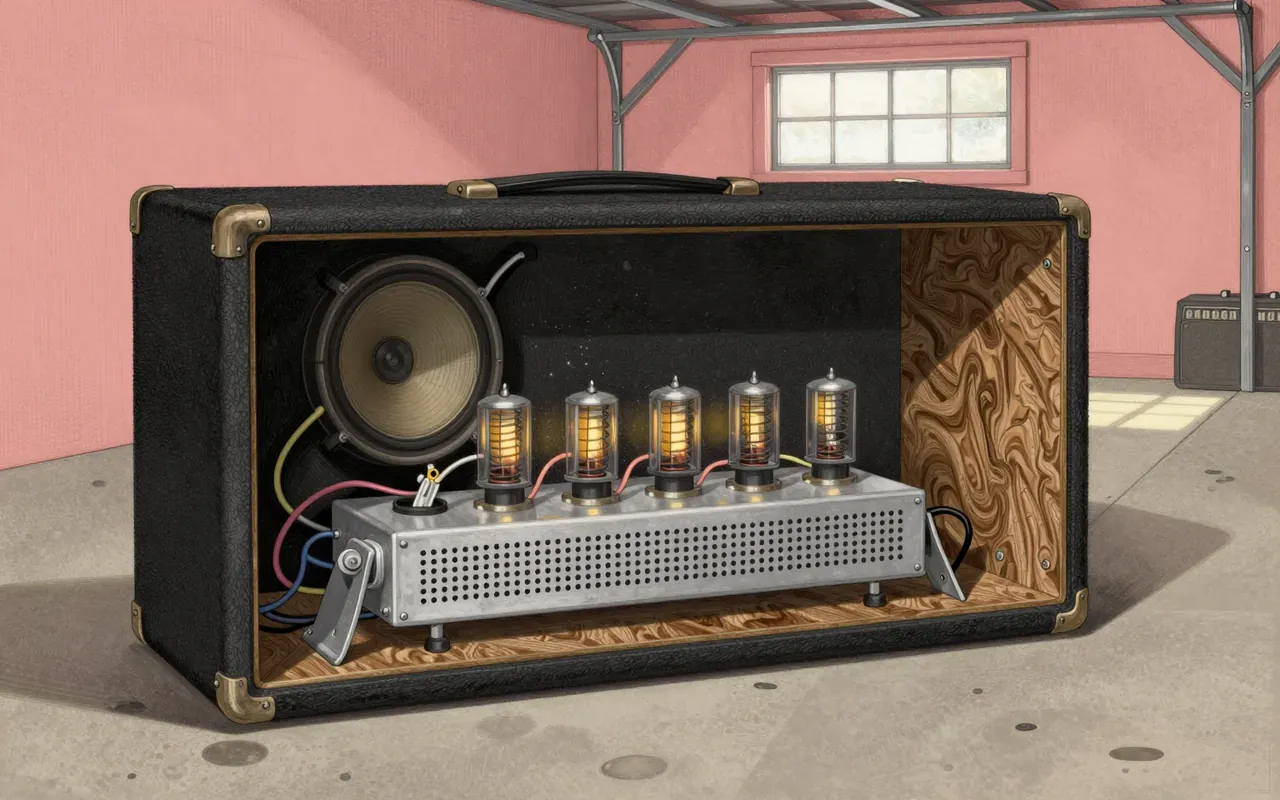
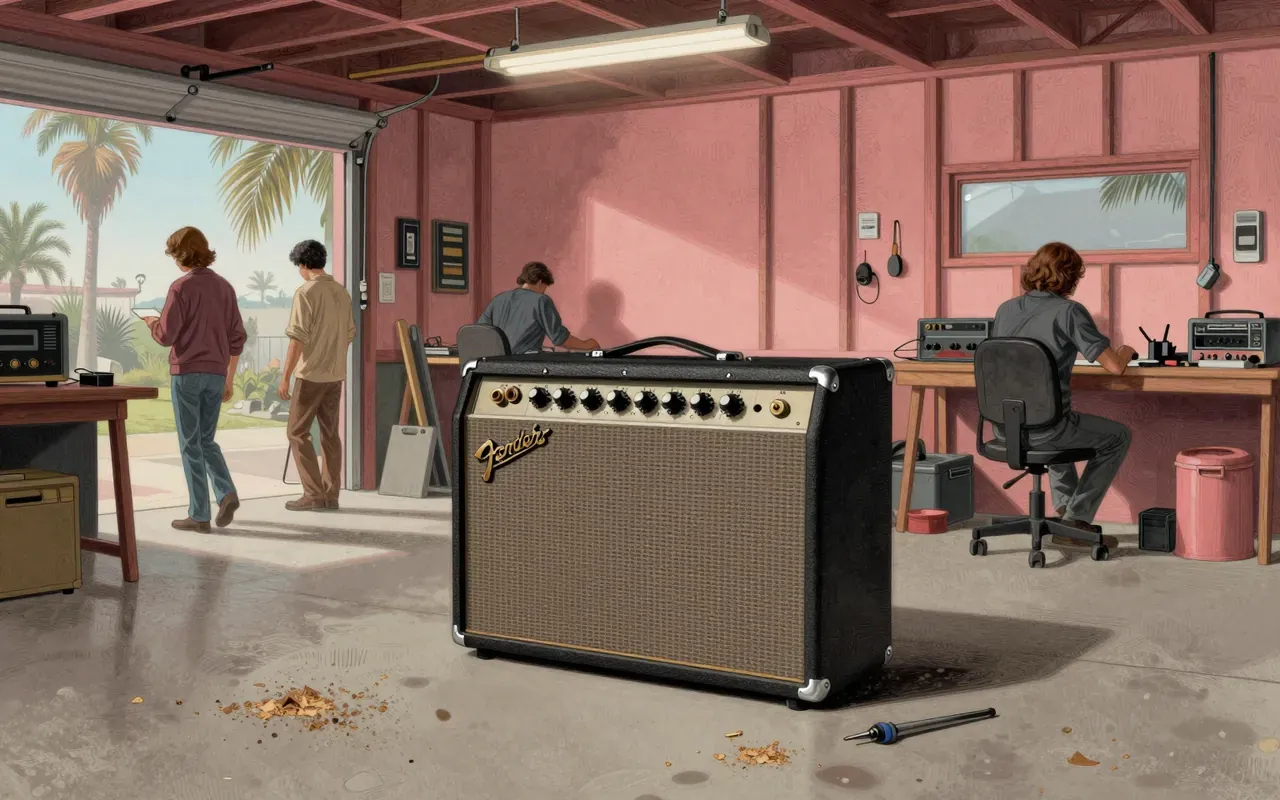
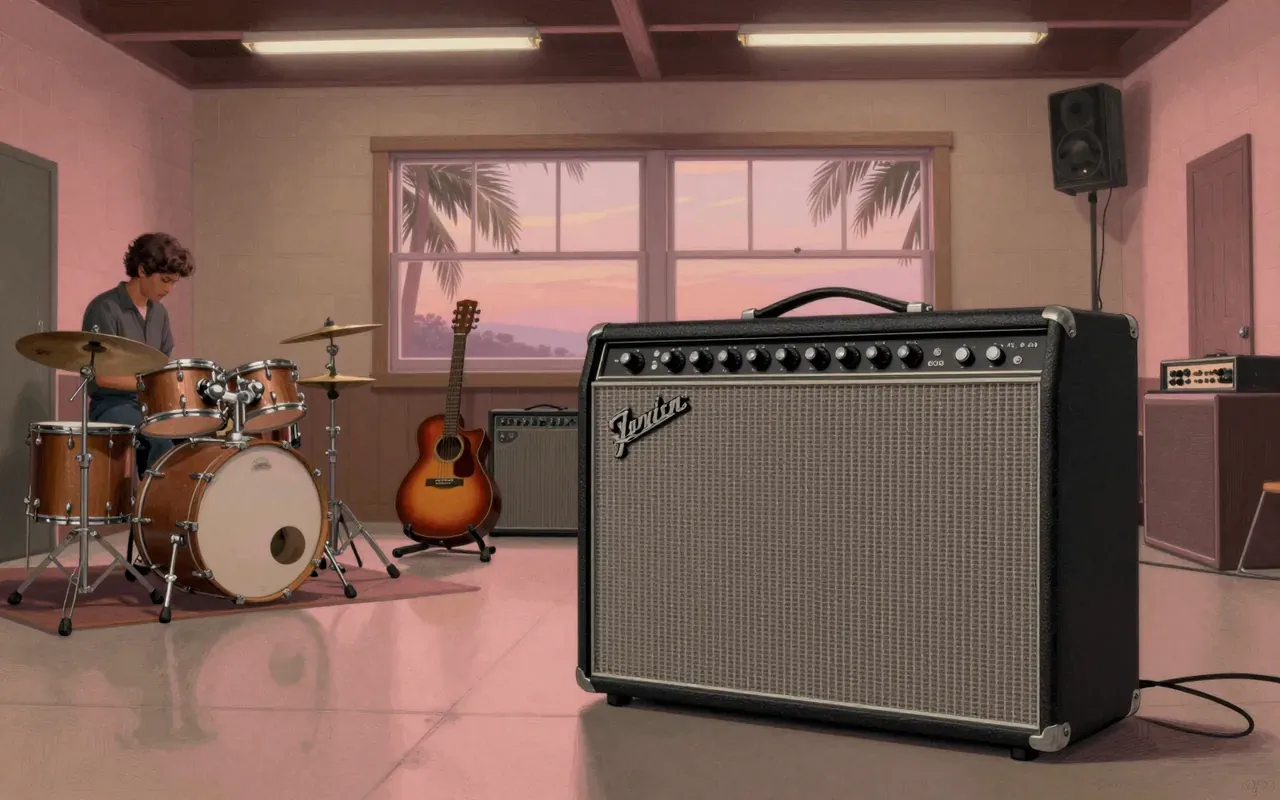
The Fender Champ 5F1 is a tube combo guitar amplifier made from 1958 to 1964. It has volume and tone controls only. It uses a single 6V6 power tube driving an 8-inch speaker. It breaks up early and stays simple. It does not offer clean headroom, effects, or expandability.

Chapters & takeaways4
  1. 0:56
    What it is

    It is a tube combo guitar amp — nothing more, nothing less.

  2. 1:45
    When it existed

    It was built only between 1958 and 1964.

  3. 3:49
    Where it fits

    It belongs to the category of tube combo guitar amps — a functional, not stylistic, classification.

  4. 4:45
    How it works

    No reverb. No tremolo. No master volume. Just volume, tone, and one 6V6 tube pushing an 8-inch speaker.

Worth your time?

Yes. Use the whole thing.

4/ 5
What works
  • delivers immediate, responsive overdrive at low volume
  • fits under a desk or in a flat
  • responds directly to picking dynamics
What does not
  • offer clean headroom
  • support external effects
  • scale to loud stages
  • include reverb or tremolo
Use it if
  • bedroom players
  • blues and rockabilly guitarists
  • those who prioritise feel over features
Skip it if
  • studio engineers needing line-level outs
  • players requiring pristine cleans
  • anyone needing more than two knobs
The written brief1 min read

What it is and what it was built for

The Fender Champ 5F1 is a tube combo guitar amplifier built for simplicity and immediacy. It was made for players who needed a portable, affordable, all-in-one amp for practice and small gigs.

How it works, in terms a player would use

It is a tube combo guitar amp. It has no controls beyond volume and tone. It runs a single 6V6 power tube into an 8-inch speaker. Players plug in and turn up.

What it does better than anything else

It delivers tight, punchy, harmonically rich overdrive at low volumes better than any larger Fender amp of its era.

What it does badly

It distorts early and cannot stay clean past low volume. It offers no reverb, no tremolo, no EQ beyond a single tone knob. It lacks output for external cabinets or recording sends.

What people made with it

Players used it for blues, rockabilly, and early rock ’n’ roll — where grit, responsiveness, and portability mattered more than fidelity or headroom.

Who should use it, and who should not

Use it if you play guitar at home, value touch-sensitive breakup, and want zero signal path between your hands and the speaker. Do not use it if you need clean tones above whisper volume, stereo effects, or stage-level output.

Is it worth your time

Yes, if you want raw, immediate, unfiltered tube response at bedroom volume. No, if you need headroom, clean headroom, or tonal flexibility.
Same bench · Guitars & amps4 of 148
Up next in Audio

Sequentix Cirklon

Sequentix · 8:24

The Cirklon doesn’t make sound—it makes time behave.

8:24