audiobriefs
Saved
Maker

Fender

27
briefs
10:15
average
277 min
in total
On audio.briefs27
9:18

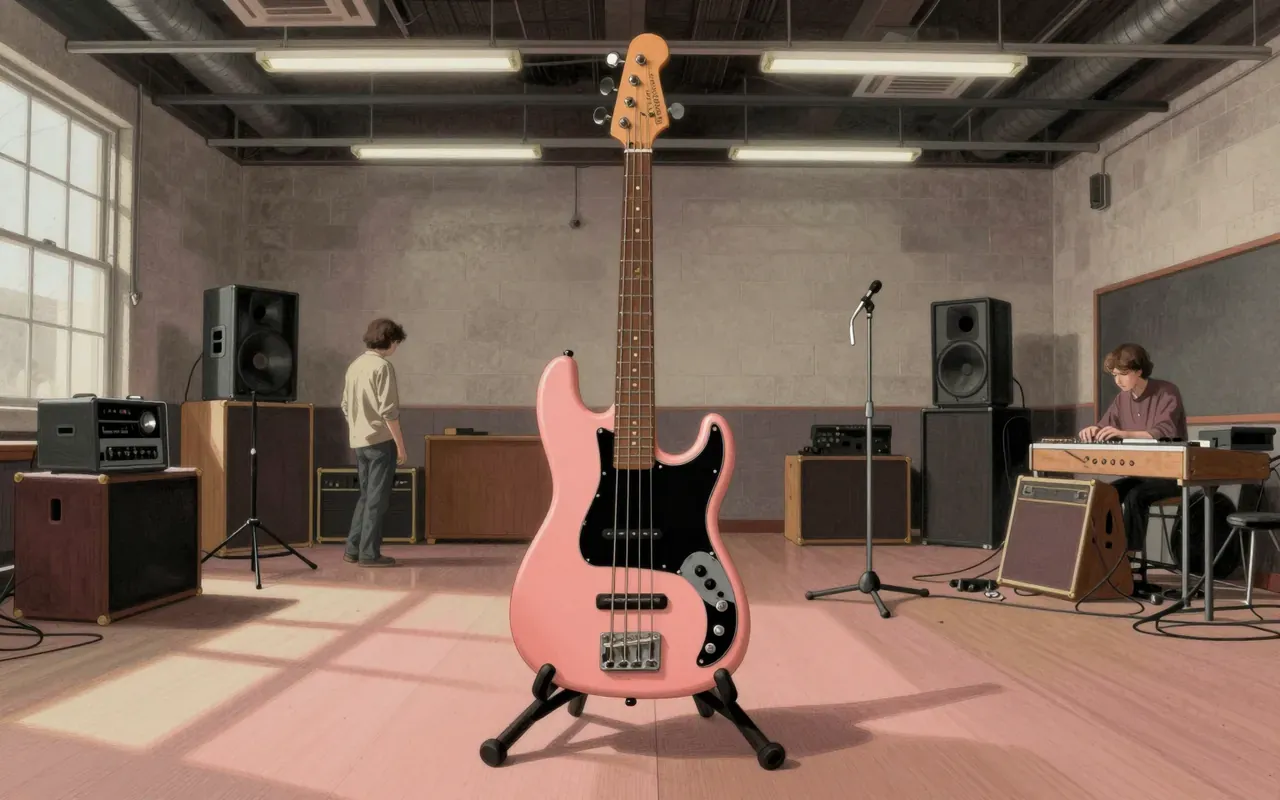
Musicmaster Bass

Fender · 1971

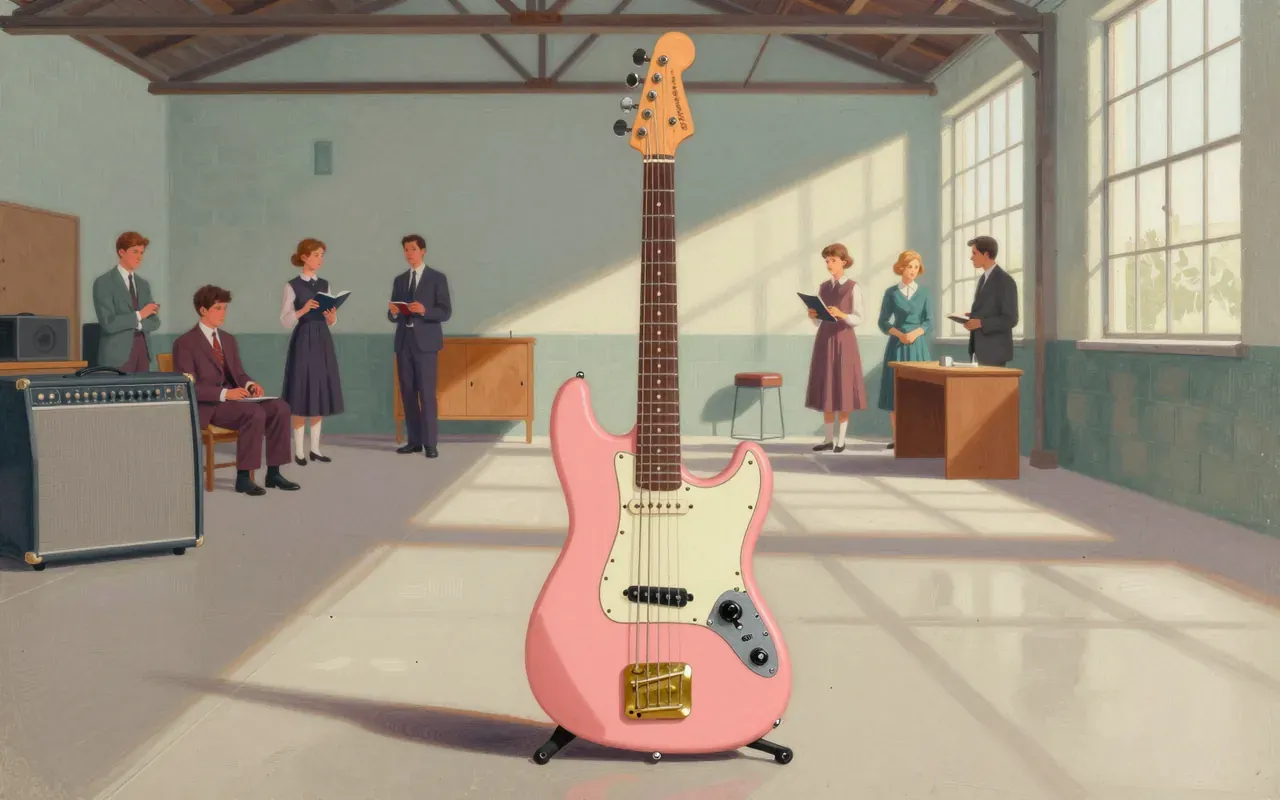
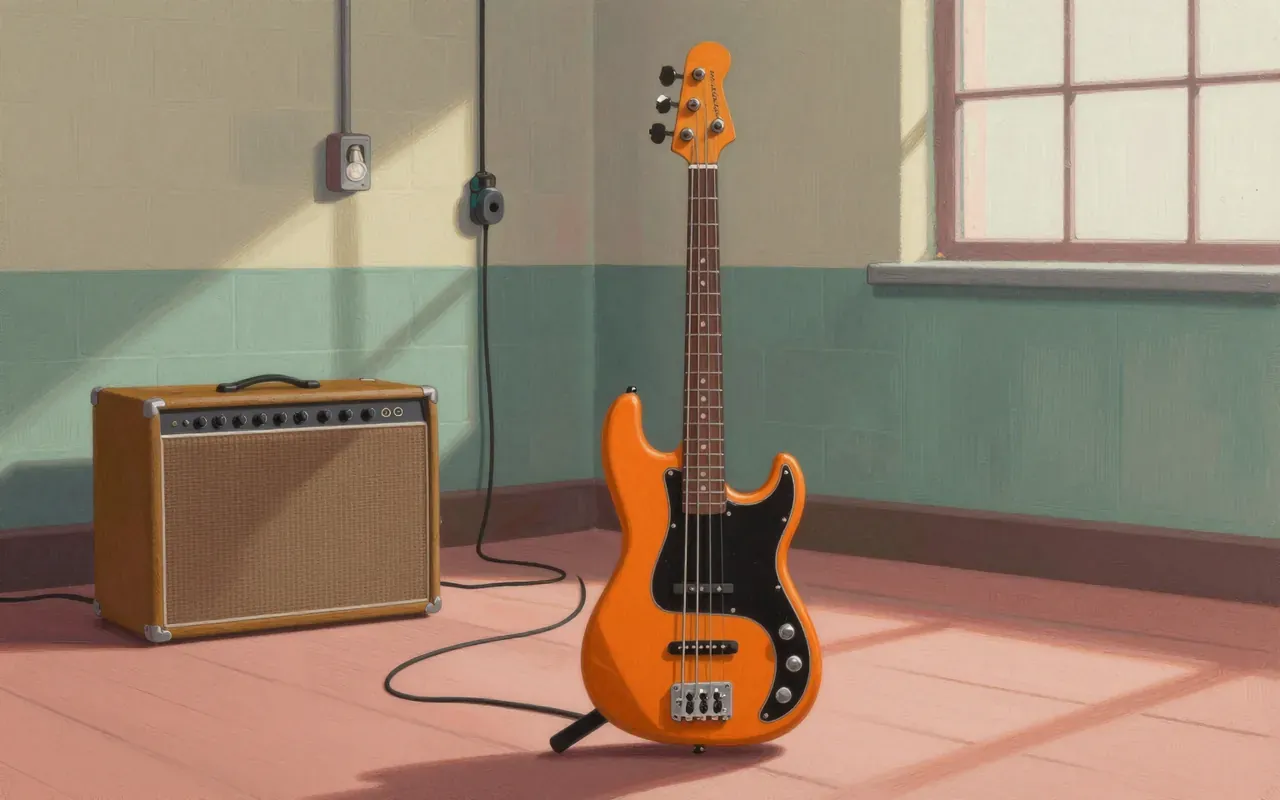
The Musicmaster Bass is a Fender student-model bass introduced in 1971 as a variant of the Mustang Bass, on the same body and neck shape. Where the Mustang Bass has a split-coil pickup, the Musicmaster has a single-coil pickup that is a six-pole Stratocaster guitar pickup under a solid plastic cover. Production ended around 1981, and Squier reissued it for one year in 1997.

8:09

Fender Champ 5F1

Fender

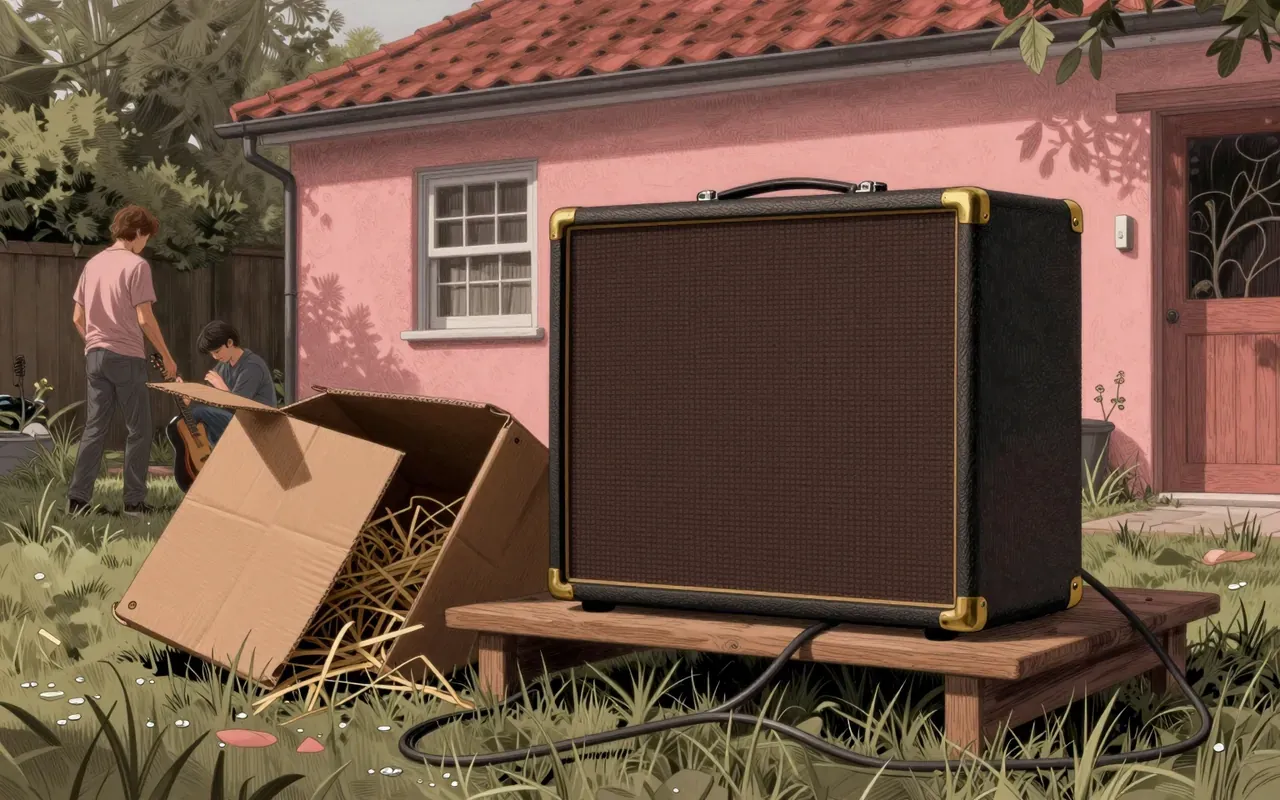
The Fender Champ 5F1 is a tube combo guitar amplifier made from 1958 to 1964. It has volume and tone controls only. It uses a single 6V6 power tube driving an 8-inch speaker. It breaks up early and stays simple. It does not offer clean headroom, effects, or expandability.

10:06

Fender Dual Showman

Fender

The Fender Dual Showman Reverb is a 100-watt all-tube head built for volume, clarity, and built-in modulation. Two channels—clean and reverb/vibrato—each have full EQ and a Bright switch. No master volume. No channel switching on the fly. Heavy. Loud. Uncompromising.

8:54

Fender Lead III

Fender

The Fender Lead III is a discontinued STC-shaped electric guitar with a smaller body and small-size neck designed for lead playing. Its pickup configuration delivers a wide tonal range: crunchy distortion from the bridge pickup and smooth clean tones from the neck pickup.

9:25

Fender Harvard

Fender

The Fender Harvard is a vacuum tube guitar amplifier made by Fender from 1955 to 1963. It appeared only in a tweed-covered narrow-panel cabinet. It had no predecessor or direct descendant. It served as a mid-tier option between the Champ/Princeton and Deluxe models.

10:21

Fender Mustang Bass

Fender · 1964

A compact, student-oriented bass built for immediacy — not depth, not versatility, not power.

9:00

Fender Vibrolux Reverb

Fender

The Fender Vibrolux Reverb is a 35-watt blackface/silverface tube amp built around smaller transformers and 10″ speakers. It breaks up earlier and more sweetly than larger 6L6 Fenders. Its tone is scooped, punchy and sparkling—but it sacrifices clean headroom and low-end weight. CBS-era revisions increased clean headroom, but the core character remains defined by responsiveness over restraint.

9:19

Fender Bass VI

Fender

A six-string bass that trades punch for possibility — and never found enough players who needed both.

9:21

Fender Telecaster

Fender

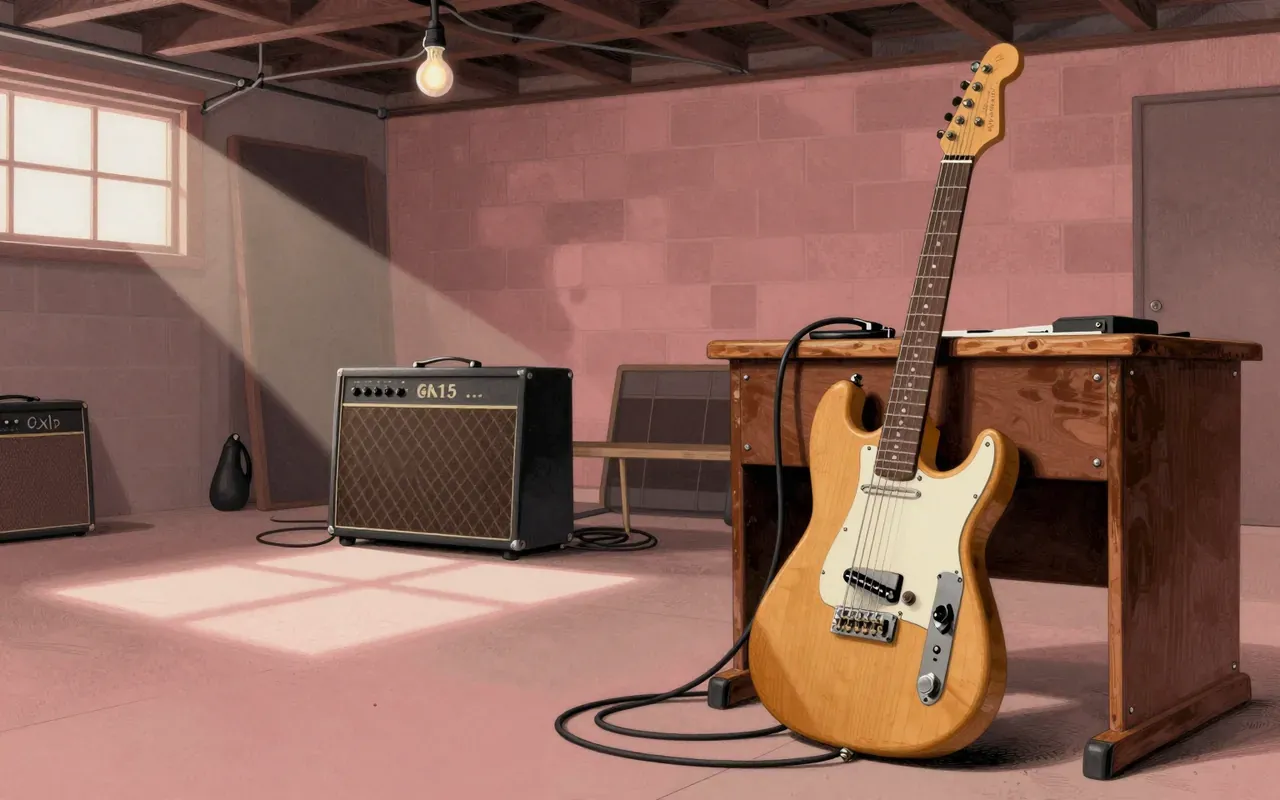
The Telecaster is the original mass-produced solid-body electric guitar. It established the bolt-on neck, single-cutaway solid-body template. It remains in continuous production since autumn 1950. Its simplicity enables durability and directness—but offers no noise cancellation, ergonomic contouring, or tonal versatility beyond its two-pickup circuit.

10:20

Fender Deluxe Reverb

Fender

The Fender Deluxe Reverb is a 22-watt tube combo amplifier introduced in 1963, featuring spring reverb, tremolo, and a fixed 12-inch speaker configuration. It uses 6V6GT power tubes operated beyond specification, four 12AX7s, two 12AT7s, and a 5AR4 rectifier. Most commonly fitted with a Jensen C-12Q speaker, it has appeared with Oxford, Marlboro, Utah, and Eminence alternatives. Its circuit remained largely unchanged across black-panel (1963), silver-panel (1968), and black-panel reintroduction (1980) eras.

8:57

Fender Jaguar

Fender · 1962

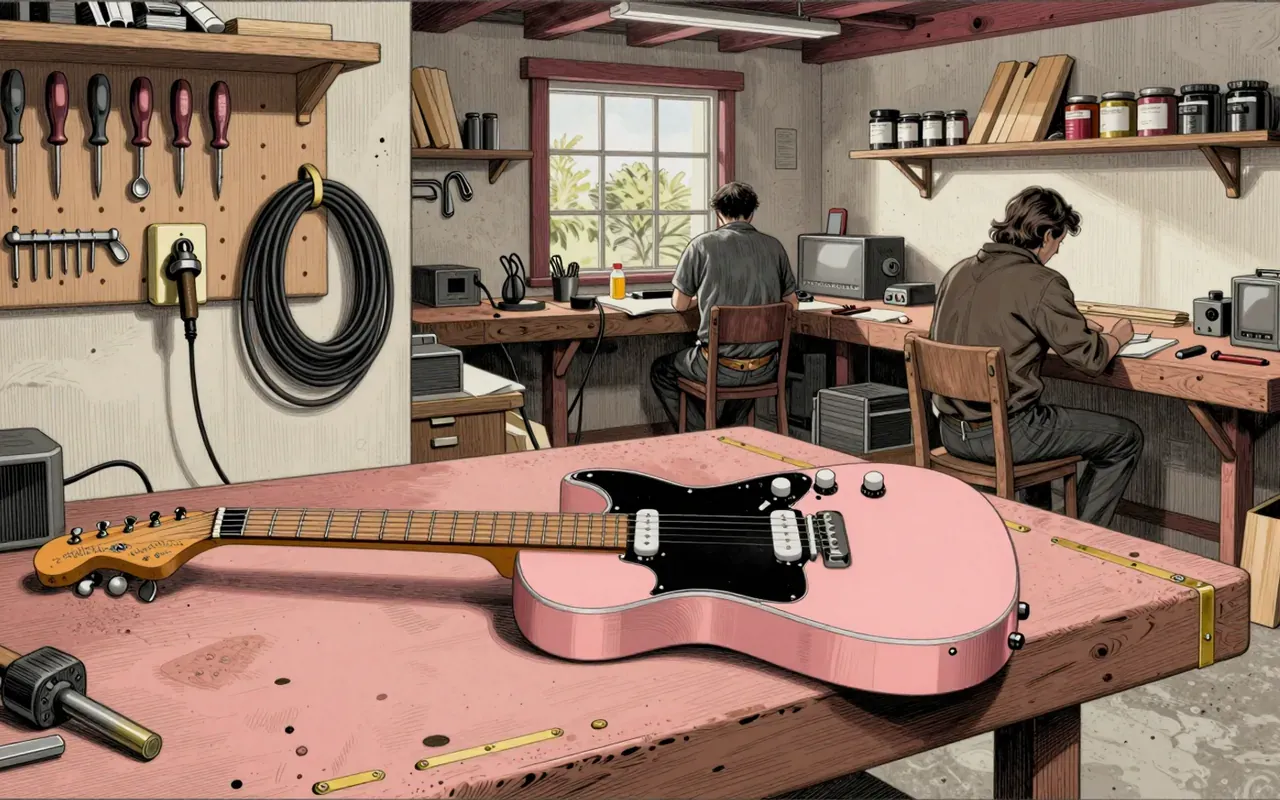
The Fender Jaguar is a 1962 electric guitar with an offset-waist body, 24-inch scale, 22-fret neck, dual-circuit switching (lead/rhythm), smaller single-coil pickups with notched side plates for improved RF shielding, a spring-loaded string mute, and design lineage from the Jazzmaster.

9:34

Fender Jazz Bass

Fender

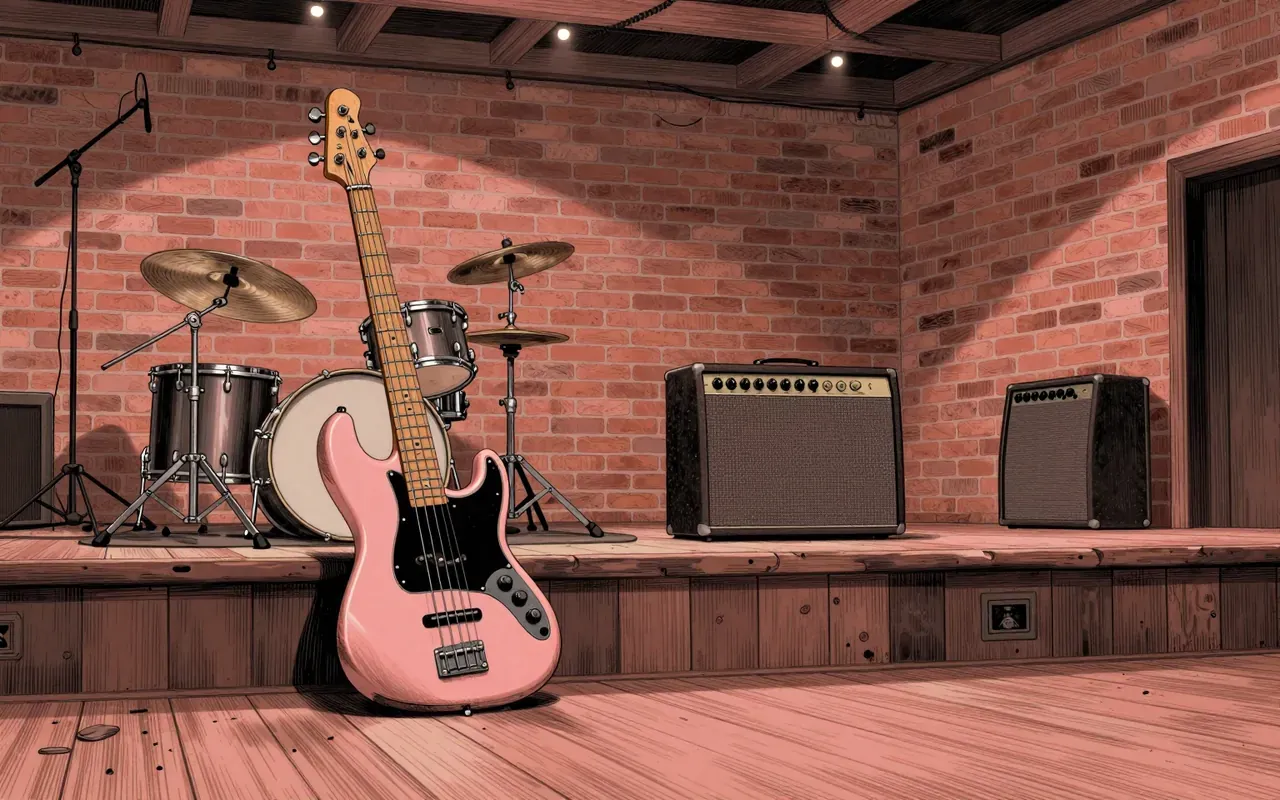
The Jazz Bass is a purpose-built alternative to the Precision Bass—brighter, faster, less fundamental, less quiet. It does not replace the P-Bass. It displaces it.

8:50

Fender Precision Bass

Fender · 1951

The Fender Precision Bass is a solid-body, four-string electric bass introduced in 1951. It has a 34-inch scale length, a 20-fret maple neck bolted on with four screws, and a single pickup. It produces a deep and full-bodied sound. Leo Fender designed the prototype in 1950 for big band bass players. The 34-inch scale was chosen after trial and error to balance resonance and fret spacing. Pre-1957 models used a Telecaster-style headstock; later models adopted the Stratocaster's styling.

8:02

Fender amplifier

Fender

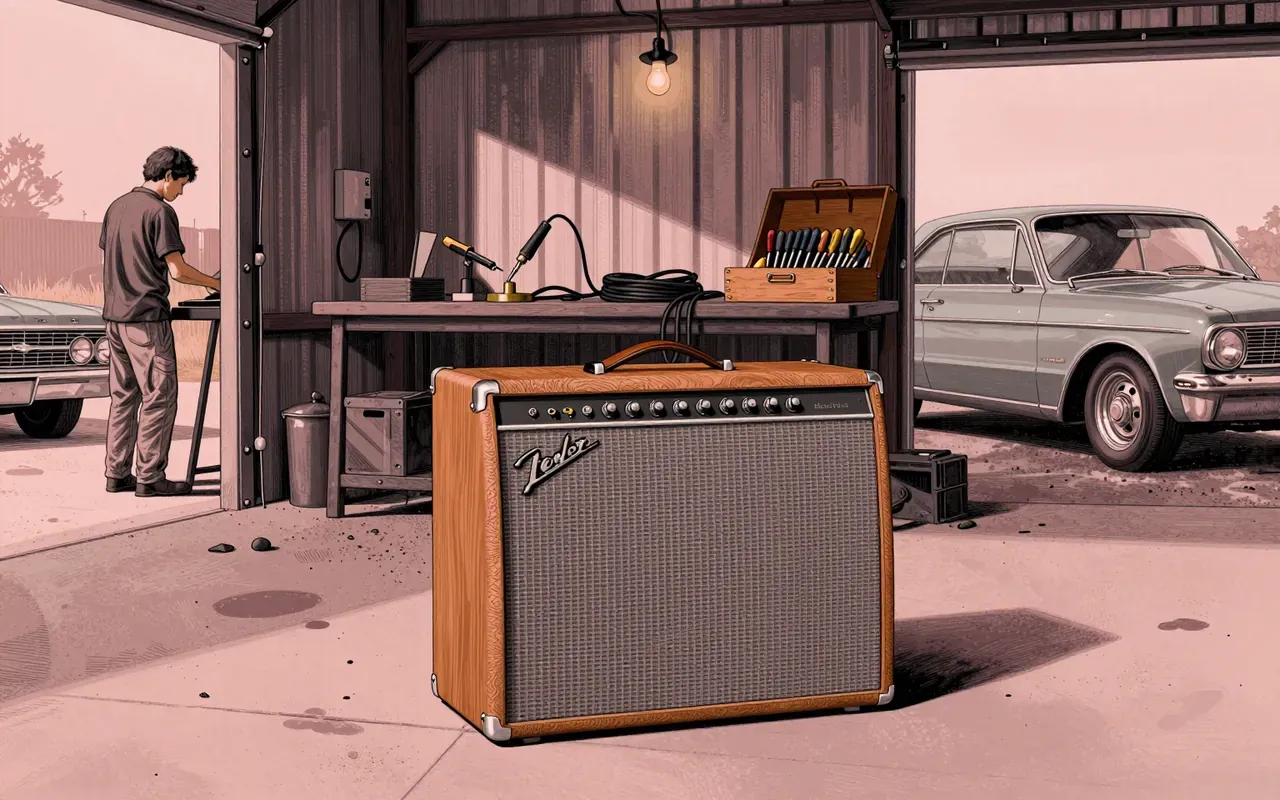
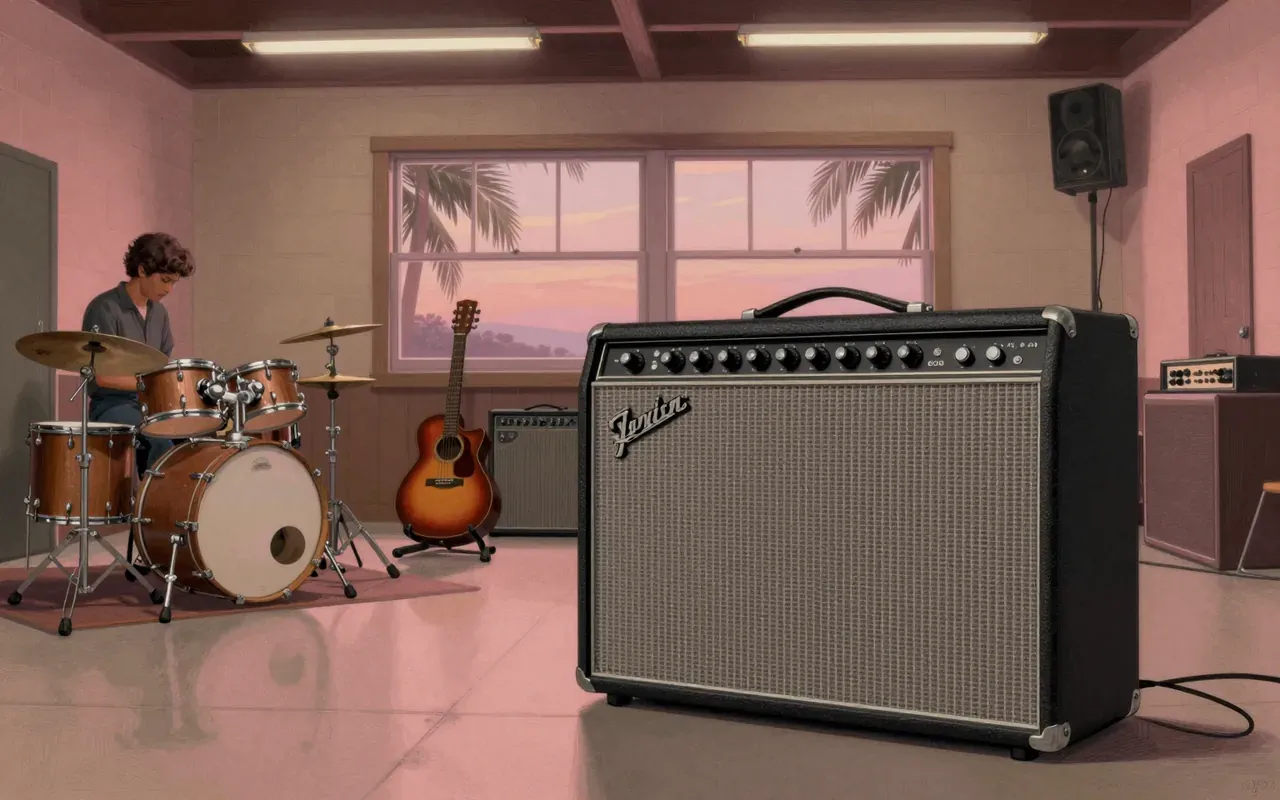
Fender amplifiers are electric instrument amplifiers produced by the Fender Musical Instruments Corporation. The first guitar amplifiers attributed to Leo Fender were manufactured by the K&F Manufacturing Corporation (K&F) in 1945. Later, Fender began building its own line of electric guitars. Fender amplifiers would become favorites of guitarists like Jimi Hendrix, Eric Clapton, and Stevie Ray Vaughan, also known in these cases for playing Fender guitars. Fender amps have come in many configurations and styles. The early K&F and Fender amplifiers relied upon vacuum tube circuitry, with solid-state models appearing in the late 1960s. Fender frequently updated the internal circuitry of its amps, and changed their appearance throughout its history.

9:57

Fender Stratocaster

Fender · 1954

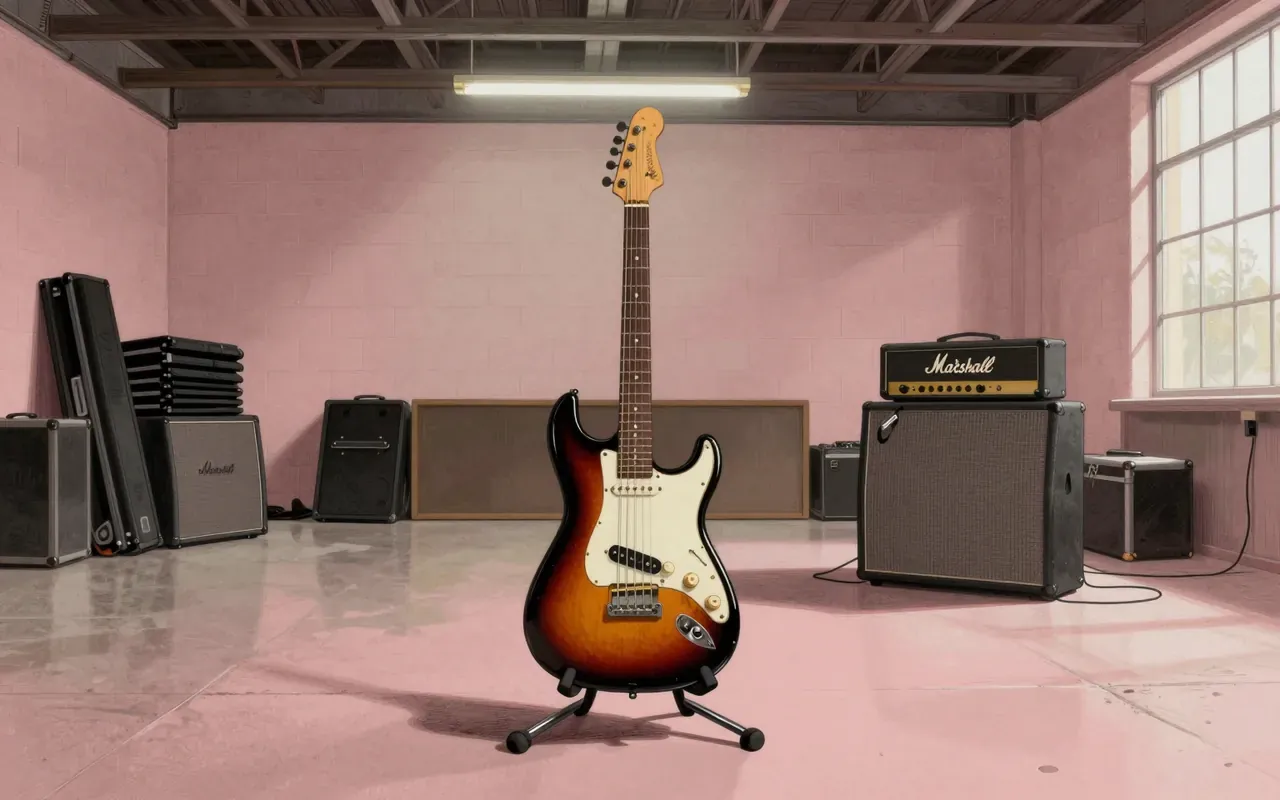
The Stratocaster is a solid-body electric guitar introduced in 1954. Designed between 1952 and 1954 by Leo Fender, Bill Carson, George Fullerton, and Freddie Tavares. Continuously manufactured since 1954. Its distinctive body shape was revolutionary when introduced in the mid-1950s. The heavily contoured back was designed for better comfort while playing. The elongated top horn changes the balance when played standing up with a strap compared to the Fender Telecaster. While the original release of the Stratocaster included a vibrato system, Stratocasters without it ("hardtails") were added to the portfolio in March 1955. The modular nature of the guitar, with its easily removable components, enabled players and luthiers to perform numerous modifications to their own guitars, changing out pickups or necks to fit the needs of the player. All of these design elements were popularized and later became industry standards due to the success of the Stratocaster.

9:16

Fender Telecaster Bass

Fender

A no-compromise bass that sacrifices versatility for presence. It does one thing well — deliver tight, articulate low end with zero detours — and refuses to do anything else.

34:32

Fender Twin

Fender

The Fender Twin is a clean-headroom amplifier built for volume and clarity — not saturation or convenience.

9:22

Fender Coronado

Fender

The Fender Coronado is a true hollow-body electric guitar with no central block, designed in 1965 by Roger Rossmeisl to capitalise on the rising popularity of semi-acoustic guitars. It delivers natural resonance and a bright-and-deep tone, but feeds back at high volumes and failed to win over jazz guitarists due to its bolt-on neck. It found belated favour for what it does sonically—not what it was meant to be.

8:18

Fender Duo-Sonic

Fender

The Duo-Sonic is a compact, fixed-bridge student guitar built for physical accessibility — not sonic flexibility.

10:30

Fender Electric XII

Fender

The Fender Electric XII is a 12-string electric guitar designed by Leo Fender and introduced in late 1965. It features a Jaguar/Jazzmaster-style body, a 'hockey-stick' headstock to accommodate twelve tuners, a string-through-body design for increased sustain, a unique split pickup configuration, and a 4-way rotary selector offering neck, neck-and-bridge (parallel), in/out-of-phase, and bridge-only options. Its bridge has individual saddles for each string, enabling precise intonation. Unlike competitors’ models—which were adapted 6-string guitars—the Electric XII was purpose-built for folk rockers.

9:23

Fender Esquire

Fender

The Fender Esquire is the first commercially marketed solid-body electric guitar. It was designed as an electronic instrument with no acoustic tone manipulation. It introduced the square-edged dreadnought shape with cutaway. It featured a combined bridge-pickup assembly derived from the Champion lap steel. The first 1950 production run had a one-piece maple neck without fretboard or truss rod. The single-pickup version debuted in the RTEC Spring 1950 catalogue.

9:26

Fender Musicmaster

Fender

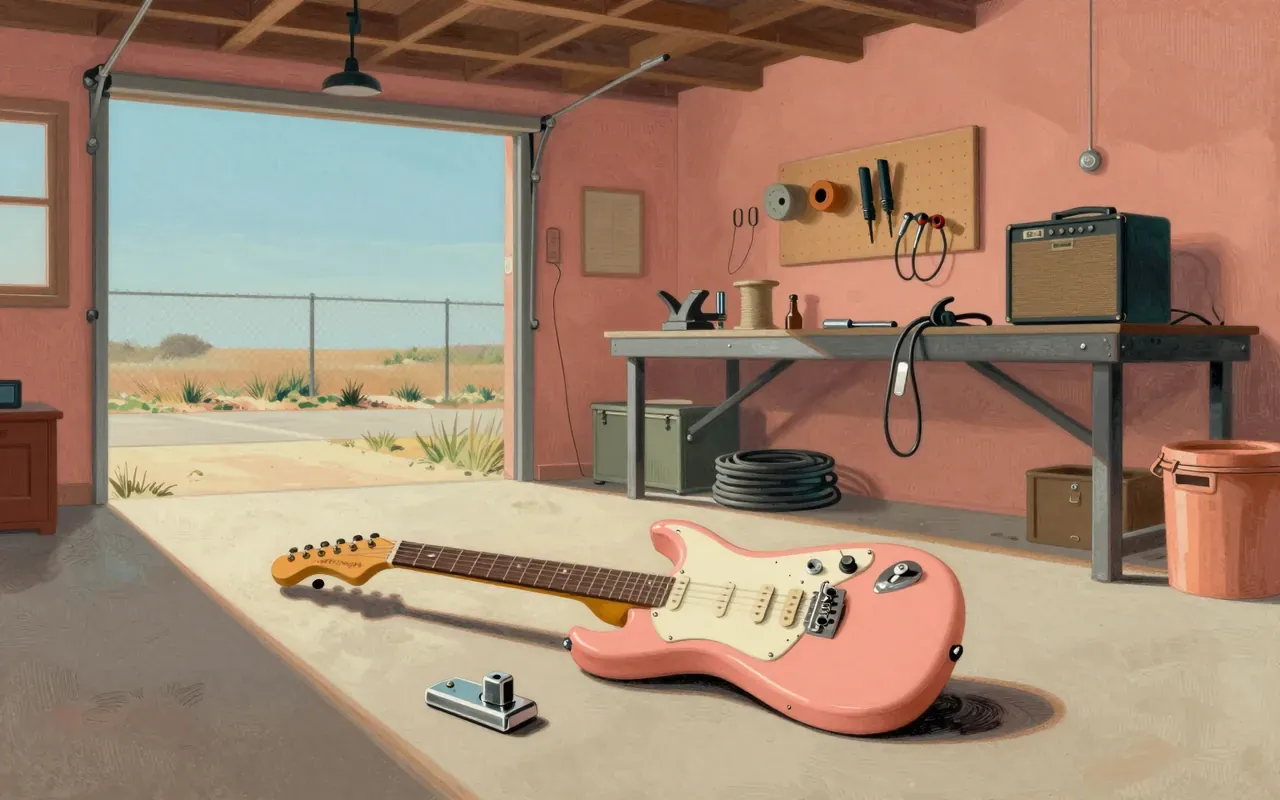
The Musicmaster is a no-frills, scaled-down electric guitar built for access—not expression. Its design sacrifices tonal depth and dynamic response for ease of use and production efficiency. It belongs in a practice room, not a stage rig.

9:16

Fender Mustang

Fender

The Fender Mustang is a solid body electric guitar introduced in 1964 as the basis of a major redesign of Fender's student models. It was produced until 1982 and reissued in 1990. It features two single-coil pickups, an unusual pickup switching configuration, and a unique vibrato system. It was originally available in two short scale lengths: 24 inches and 22.5 inches. It has two angled single-coil pickups, each with an adjacent on-off-on switch, and a master tone and volume control. It introduced the Fender Dynamic Vibrato tailpiece, which together with a floating bridge forms the Mustang vibrato system.

9:44

Fender Princeton Reverb

Fender

The Fender Princeton Reverb is a 12-watt tube combo that integrates reverb and vibrato into a single, responsive, non-master-volume design. Introduced in 1964, revised through 1977, discontinued in 1981, and reissued in 2008, it delivers a specific kind of saturated, modulated tone at low-to-moderate volumes—and nothing else.

8:23

Fender Starcaster

Fender

The Fender Starcaster is a semi-hollowbody electric guitar introduced in 1975. It features a bolt-on neck with a three-bolt joint, an offset body, maple fretboard, and a master volume control — distinguishing it from typical semi-hollow designs.

9:56

Fender Super Reverb

Fender

The Fender Super Reverb is a loud, physical, all-tube guitar amplifier with built-in spring reverb and tremolo — made from 1963 to 1982. Its blackface and silverface variants differ in circuit design, not just looks. It demands space and volume. It rewards touch. It does not apologise.