What it is and what it was built for
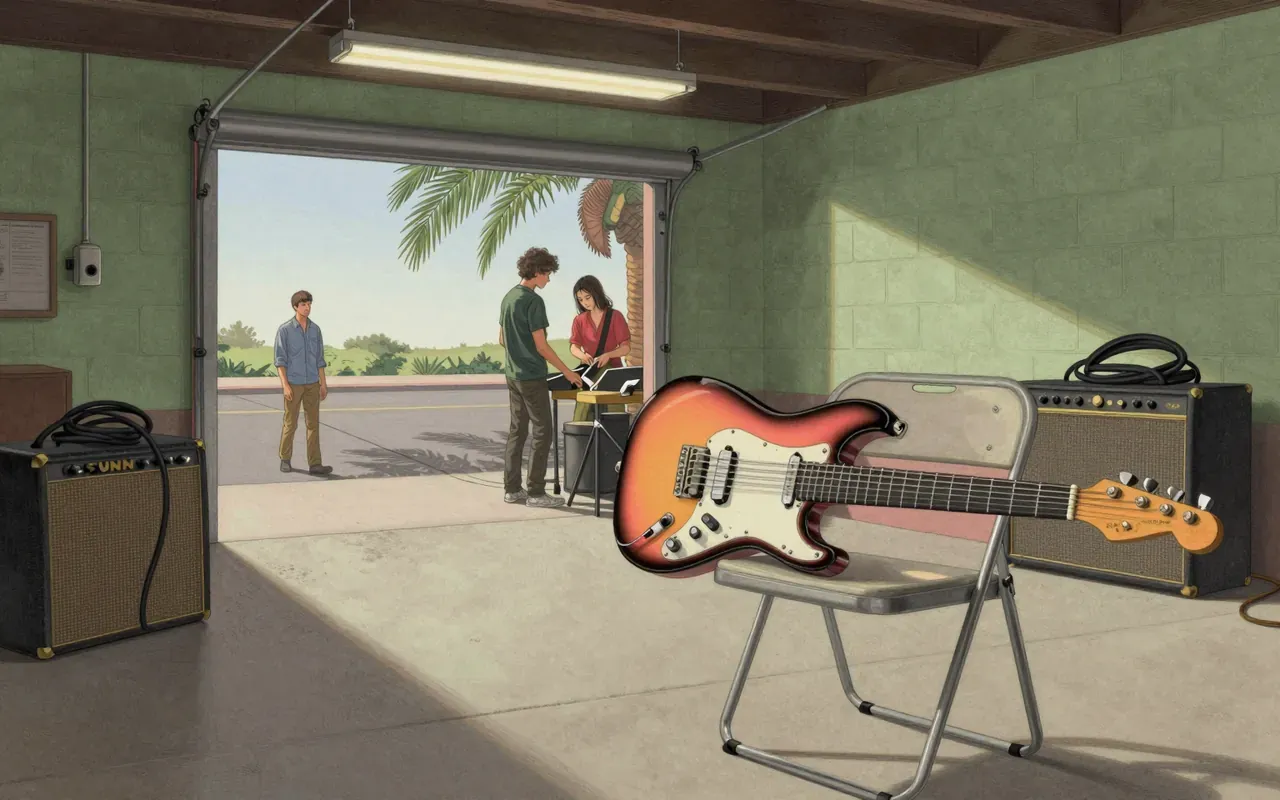
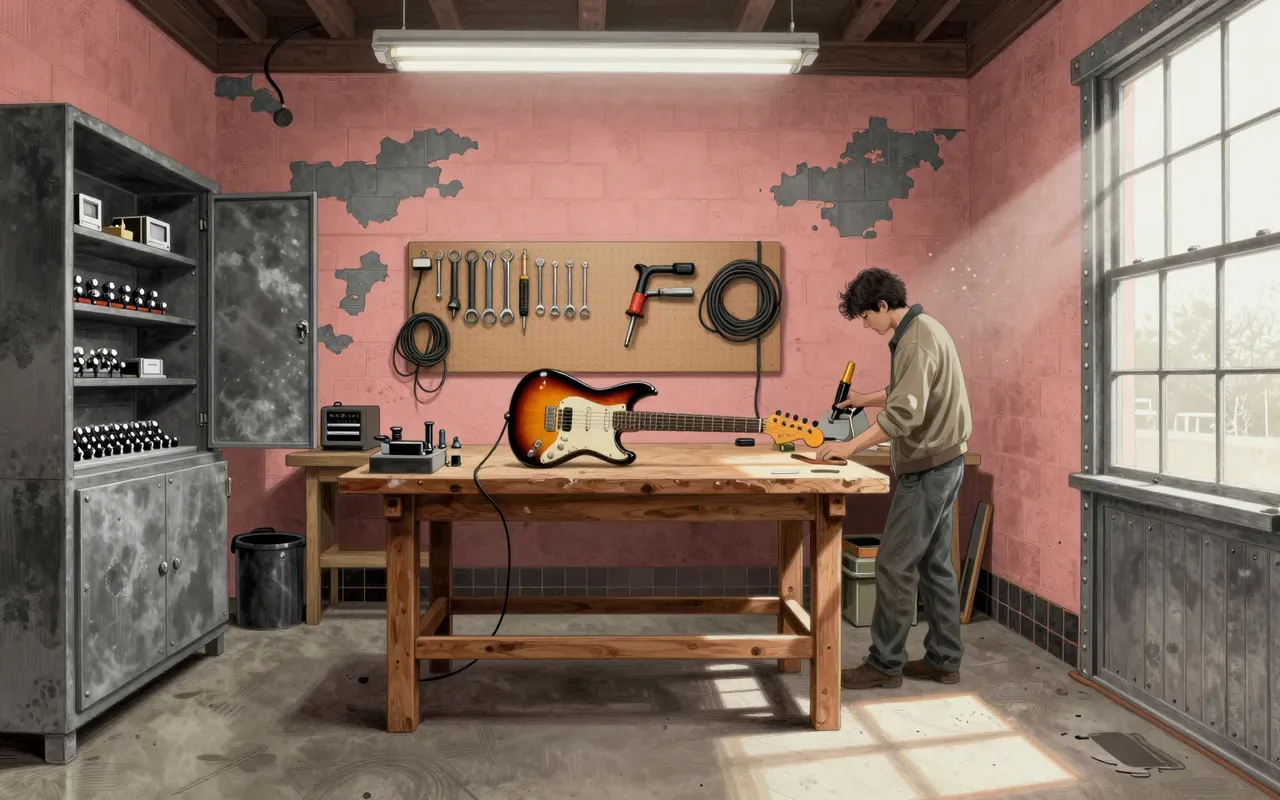
A solid body electric guitar built by Fender from 1956 to 1982 as its first 3/4 scale student model.
How it works, in terms a player would use
It has a solid body, a single- or two-piece maple neck, and a 22.5-inch or 24-inch scale length. It uses two pickups routed into the same body as the Duo-Sonic. Controls are minimal: one volume, one tone, and a three-way pickup selector.
What it does better than anything else
It delivers fast, easy fretting and relaxed string tension better than full-scale Fenders. Its compact size makes it ideal for smaller hands or seated playing without fatigue.
What it does badly
It lacks headroom and harmonic complexity. The short scale and simple circuit compress dynamics. It cannot deliver tight low-end definition or articulate high-gain distortion.
What people made with it
Students learned on it. Garage bands used it for its affordability and simplicity. Some players exploited its thin, bright tone for lo-fi surf and punk recordings.
Who should use it, and who should not
Beginners, younger players, or anyone prioritising comfort and portability over tonal versatility. It is not for players needing extended range, heavy distortion, or studio-grade articulation.
Is it worth your time
Yes—if you need a compact, lightweight guitar with immediate playability and low string tension, and you accept its narrow tonal range and limited sustain.