What it is and what it was built for
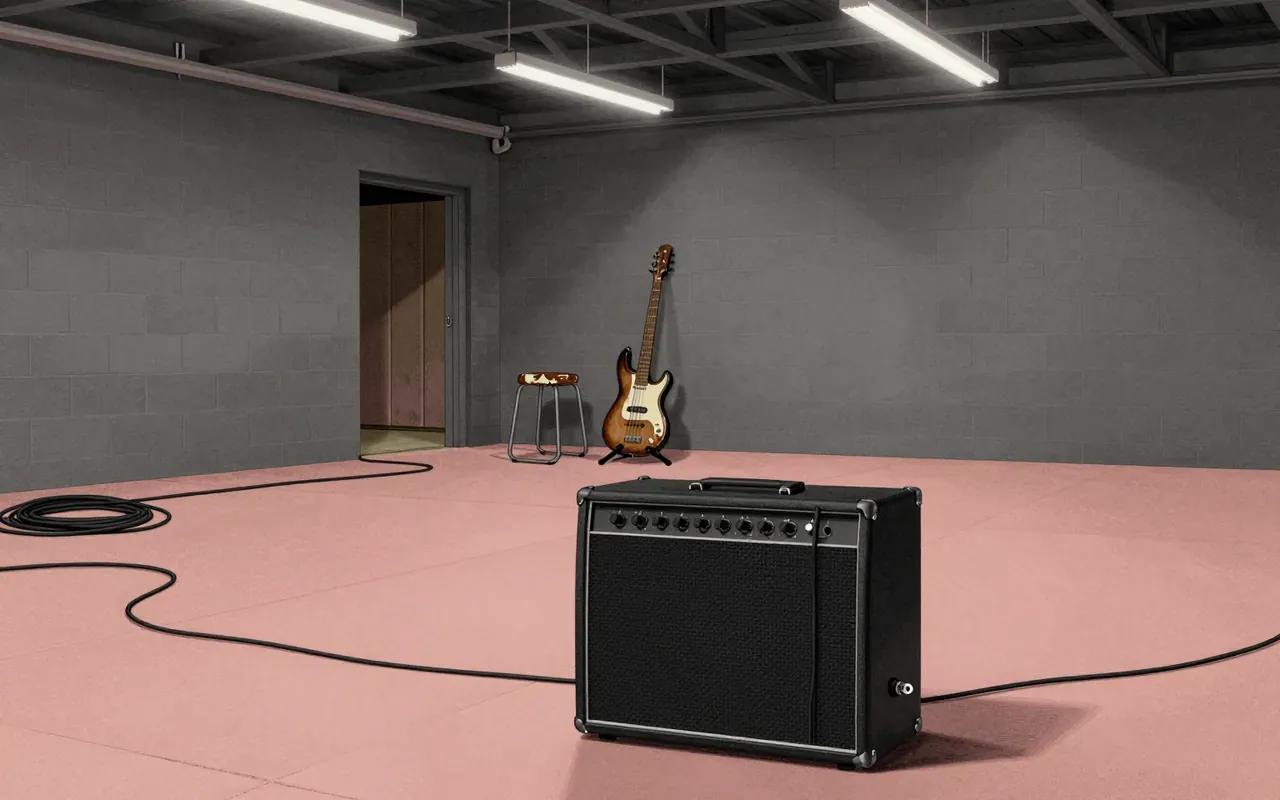
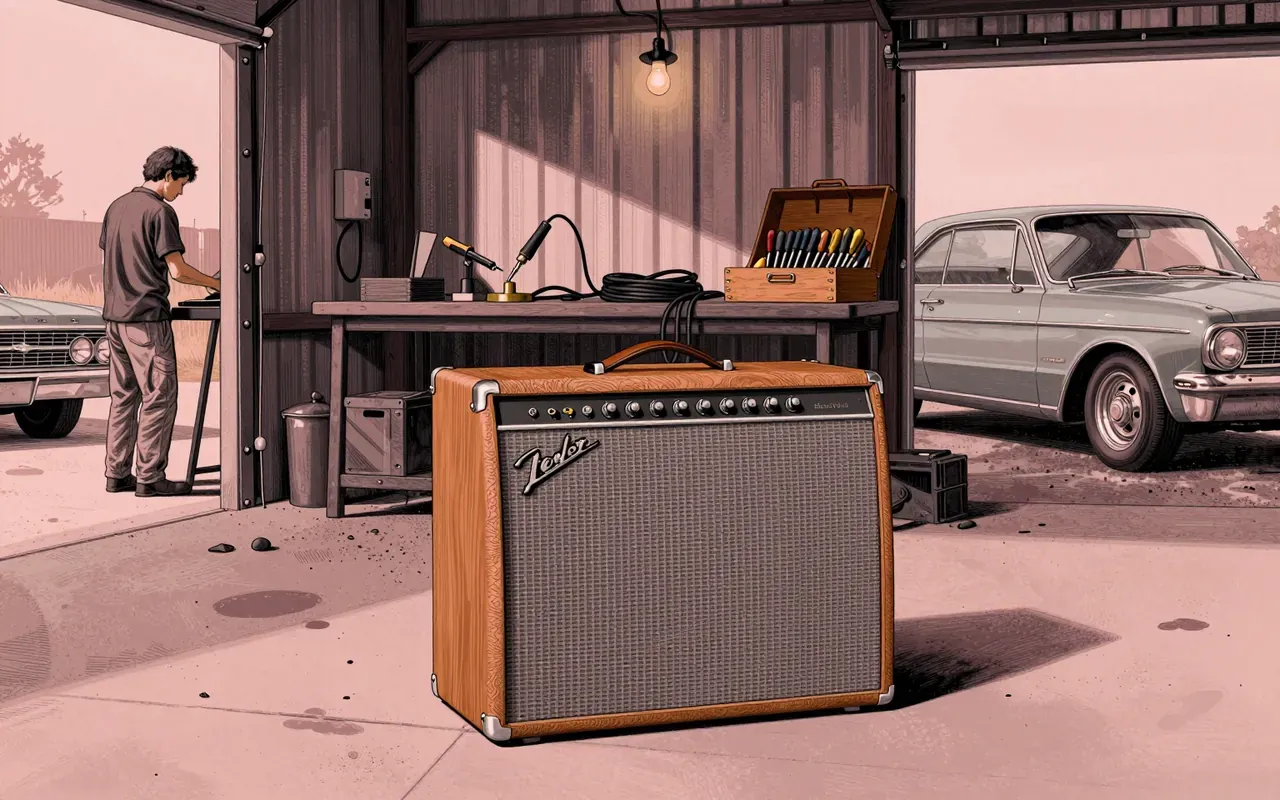
A 100-watt RMS all-tube guitar amplifier head introduced in the 1970s. Built for stage volume, clean headroom, and built-in reverb and vibrato.
How it works, in terms a player would use
It runs two all-tube channels: one clean, one with reverb and vibrato. Each has its own volume, bass, middle, treble, and a front-panel ‘Bright’ switch. The vibrato channel adds speed and intensity knobs. Reverb and vibrato are footswitchable via rear-panel inputs. Voltage is selected with a three-position rear switch.
What it does better than anything else
It delivers 100 watts of all-tube headroom with exceptional clarity and saturation at volume—more than most contemporaries. Its dual-channel layout separates clean headroom from wet, modulated drive without tone stacking or shared EQ.
What it does badly
It is heavy and bulky. It offers no master volume, so full power only hits at high volumes. There is no mid-scoop or presence control to shape cut in dense mixes. The vibrato circuit cannot be disengaged from the reverb channel’s signal path.
What people made with it
Players used it for guitar and bass. Its clean channel powered large venues; its reverb/vibrato channel delivered shimmering, pulsing textures at high volume.
Who should use it, and who should not
Guitarists who play loud, value tube saturation over convenience, and want reverb and vibrato baked into the amp—not pedals. Bass players seeking extended low-end headroom may use it, but its design prioritises guitar response. It is not for bedroom players, fly-in gigging, or anyone needing lightweight or silent operation.
Is it worth your time
Yes—if you need loud, clear, saturated tube headroom and built-in reverb/vibrato without a separate pedalboard. No—if you need portability, channel switching on the fly, or tight low-end control for modern high-gain styles.