What it is and what it was built for
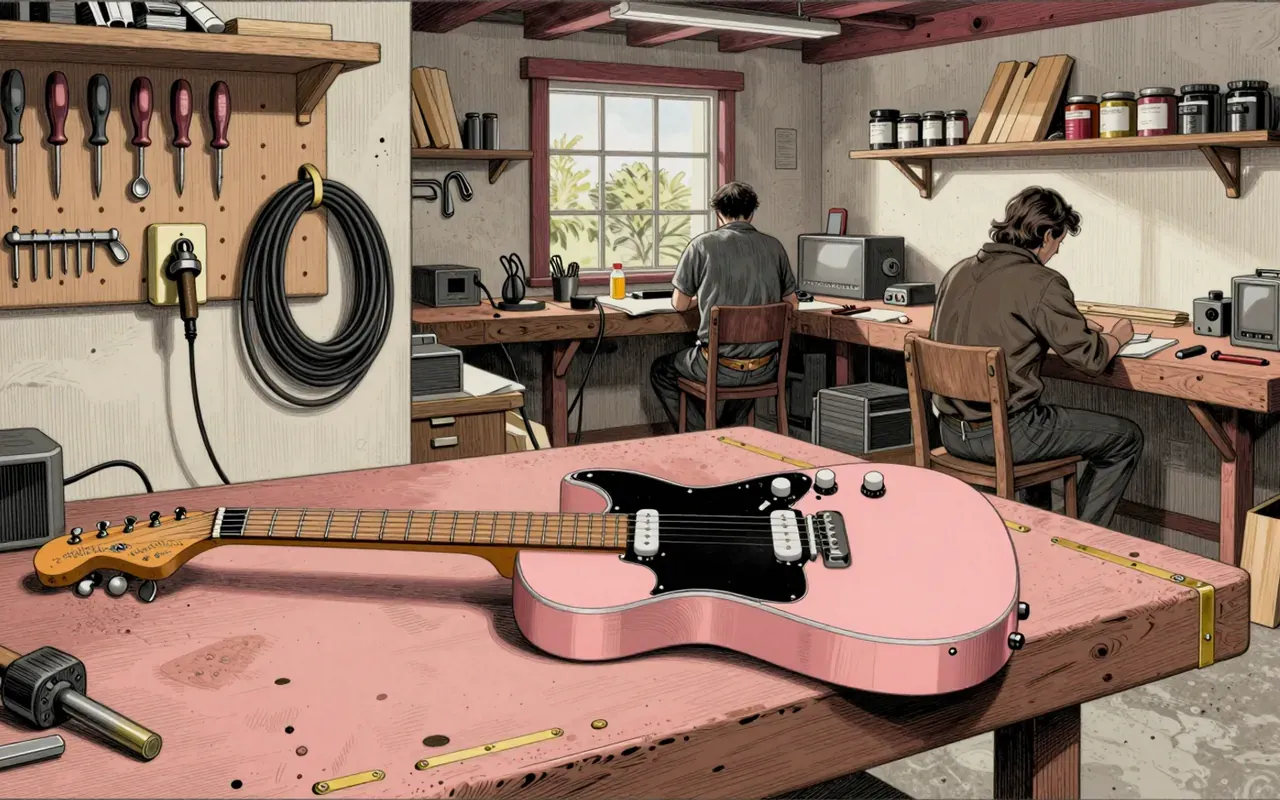
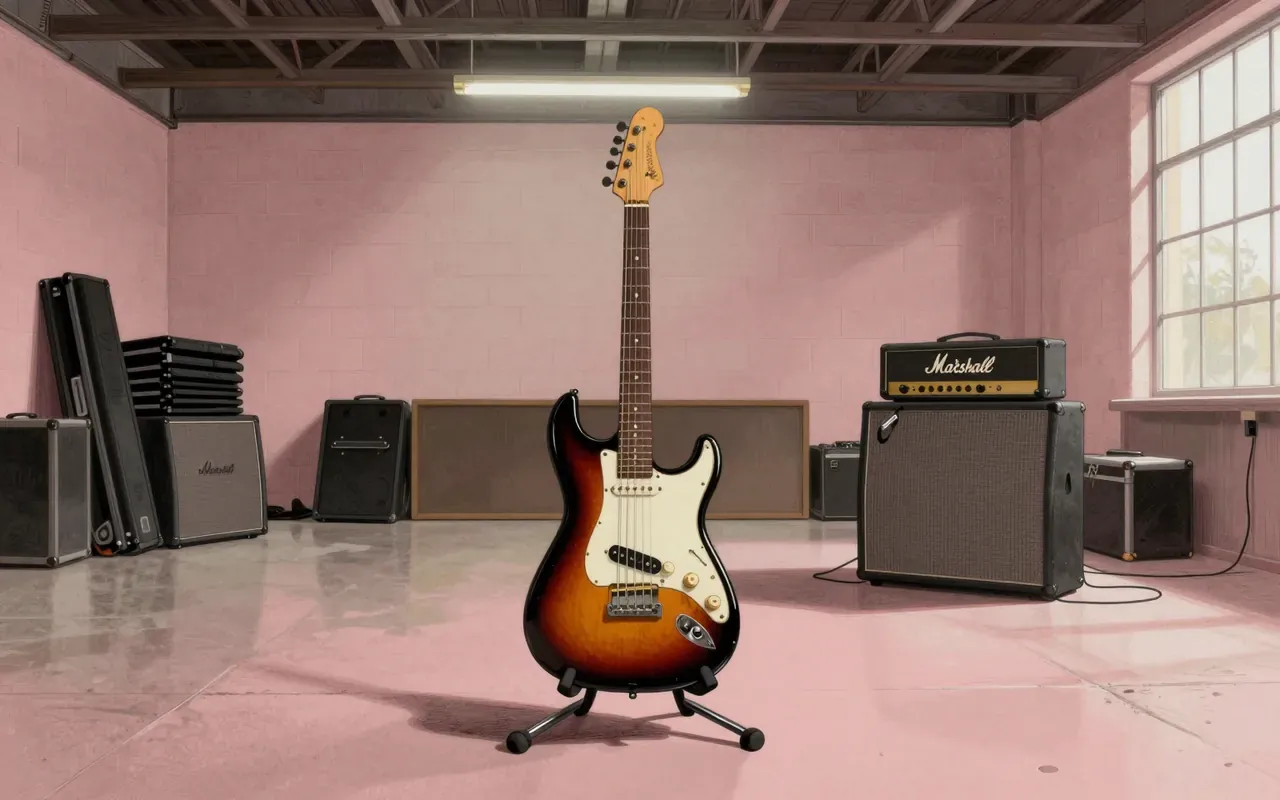
It is a purpose-built 12-string electric guitar designed by Leo Fender and introduced in late 1965. It was built for folk rockers—not as a modified 6-string, but as a dedicated instrument.
How it works, in terms a player would use
It uses a Jaguar/Jazzmaster-style body. A ‘hockey-stick’ headstock holds twelve tuners. A string-through-body design increases sustain. A 4-way rotary selector chooses neck, neck-and-bridge in parallel, in or out of phase, or bridge only. The bridge has an individual saddle for each string.
What it does better than anything else
It does better than any competitor at delivering stable intonation across all twelve strings, thanks to individual saddles. It delivers phase-cancelling options unavailable on adapted 6-string 12-strings.
What it does badly
It does badly at accommodating players who dislike long headstocks or rotary selectors. It offers no tremolo system. Its niche circuitry limits versatility outside jangly, chiming, doubled tones.
What people made with it
People made folk-rock recordings with it—its design targeted that market directly. No specific artists or recordings are named in the source material.
Who should use it, and who should not
Folk-rock players who value intonation control and phase texture should use it. Players who prioritise ergonomic headstock access, toggle-switch familiarity, or broad tonal range should not.
Is it worth your time
Yes—if you need precise intonation and phase-switching on a purpose-built 12-string for folk-rock textures. No—if you want simplicity, vintage Strat feel, or modern reliability.