What it is and what it was built for
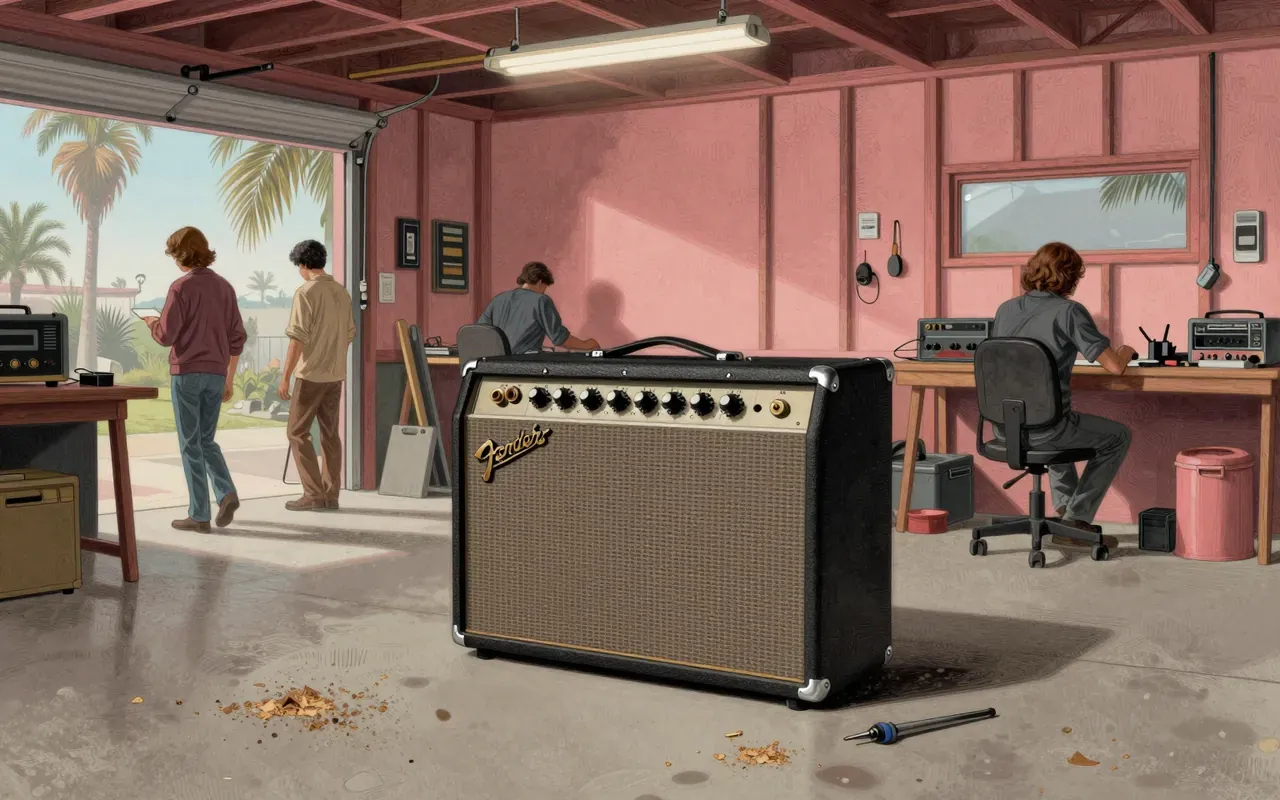
A 35-watt tube amplifier introduced in 1964. Built for players who wanted blackface Fender tone in a lighter, more responsive package—ideal for studios, small venues and home use.
How it works, in terms a player would use
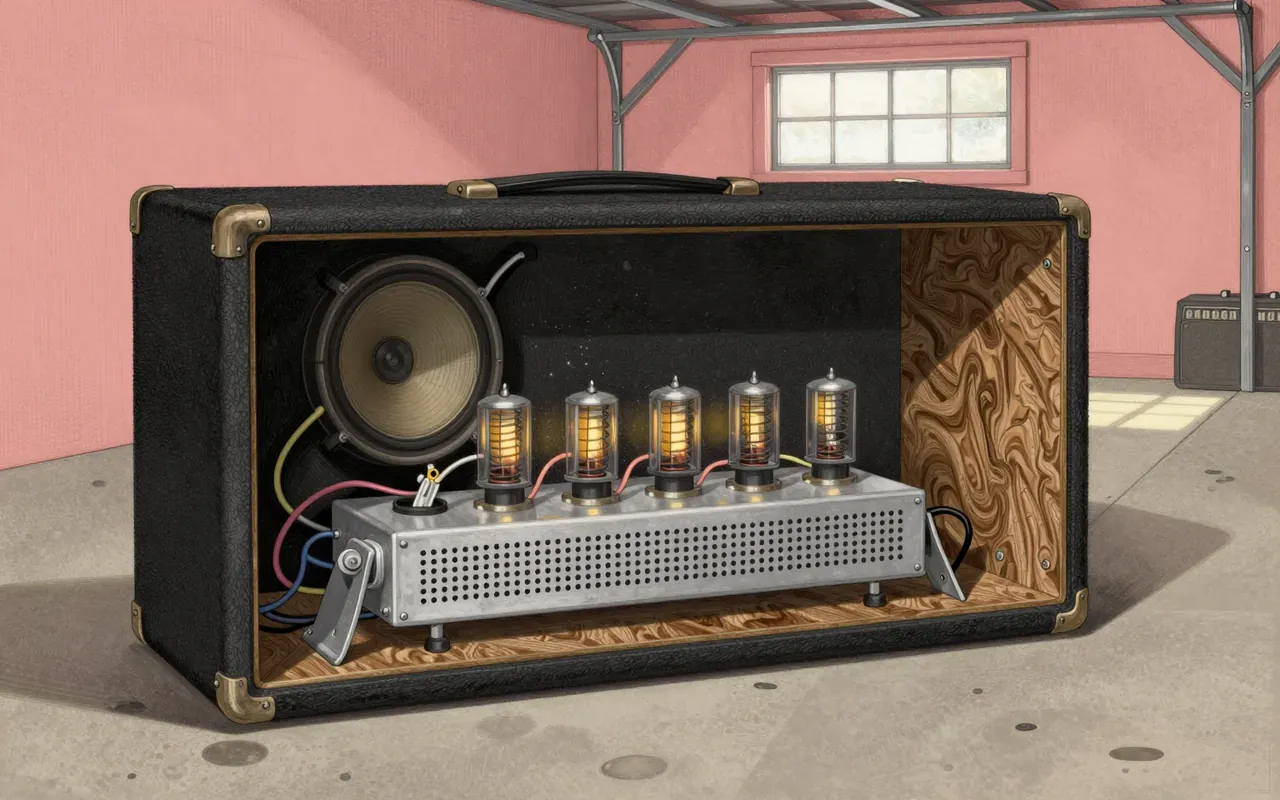
It uses two 6L6 power tubes, a pair of 10″ speakers, and smaller output and power transformers than the Pro Reverb or Super Reverb. The signal path is blackface/silverface Fender: normal and vibrato channels, spring reverb, tremolo. The 10″ speakers respond faster and break up earlier than 12″s.
What it does better than anything else
It breaks up earlier and more sweetly than any larger blackface/silverface 6L6 amp. Its 10″ configuration gives a scooped, punchy, sparkling tone with fast transient response.
What it does badly
It delivers less clean headroom than the Pro Reverb. Its 10″ speakers lack low-end weight and fullness compared to 12″ designs. It cannot stay clean when pushed hard.
What people made with it
Players used it for clean jangle, twangy country, surf rhythm, and bluesy lead tones that bloom quickly without needing high volume.
Who should use it, and who should not
Guitarists who prioritise touch-sensitive breakup, shimmering highs and mid-forward punch over clean headroom or bass depth. Not for players who rely on pristine cleans at stage volume or need extended low-end for heavy riffing.
Is it worth your time
Yes—if you want early breakup, sparkle and punch at bedroom-to-club volumes. No—if you need clean headroom at gig volume or full low-end extension.