What it is and what it was built for
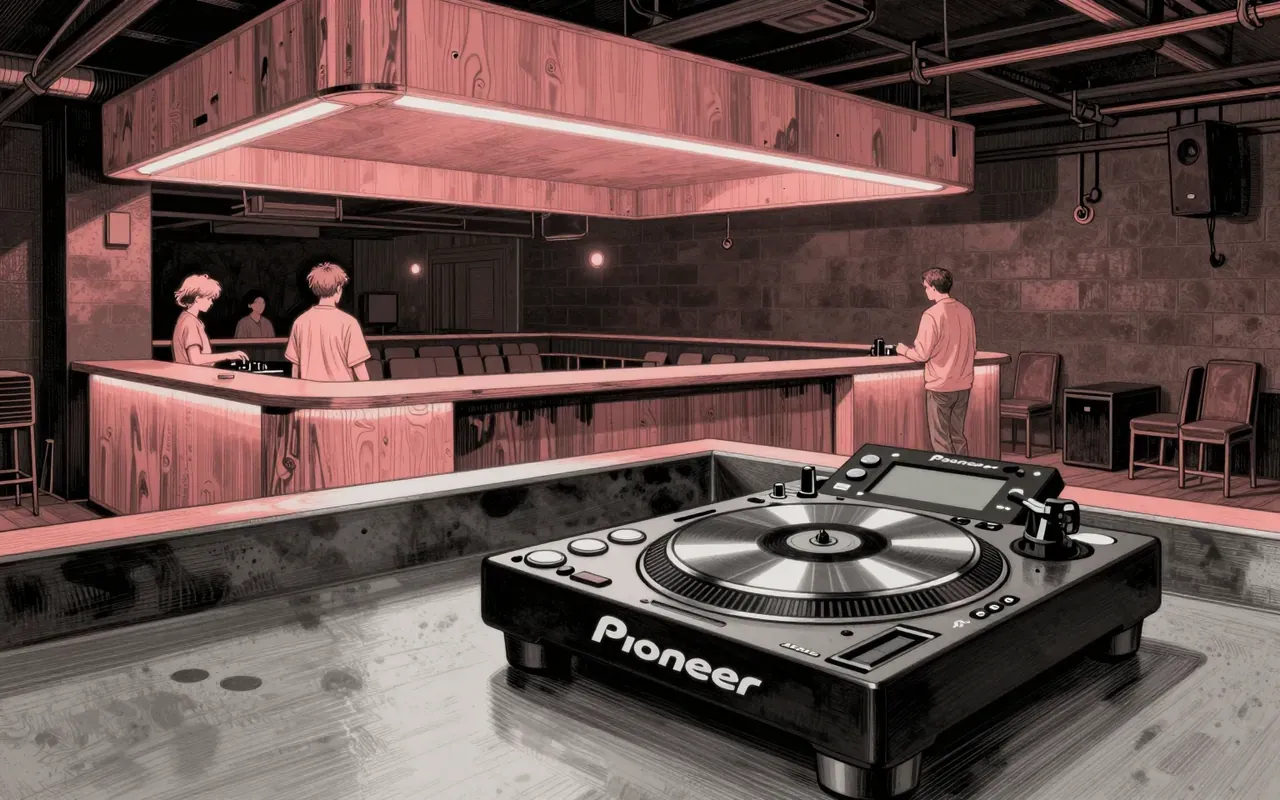
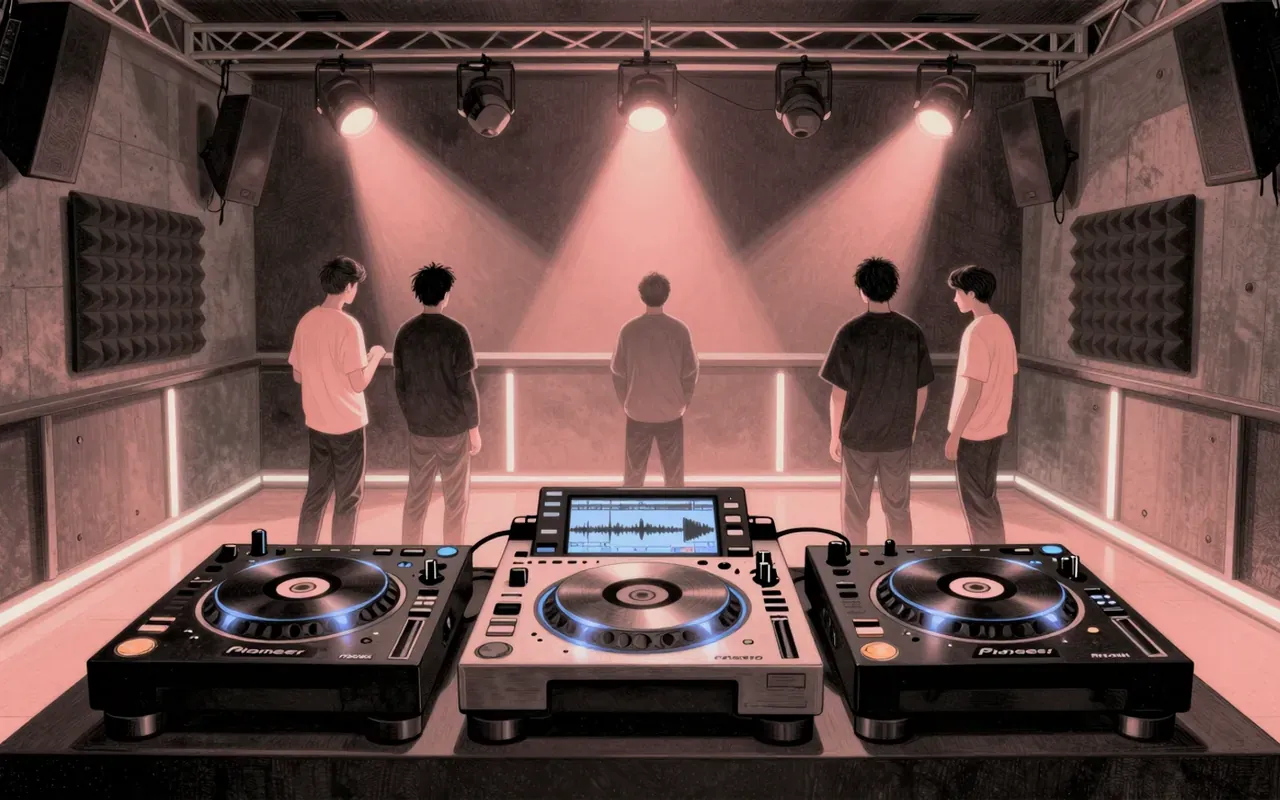
The Pioneer CDJ-2000 is a discontinued tabletop DJ player built for club and mobile DJs who needed reliable, multi-source playback with precise loop control and persistent settings.
How it works, in terms a player would use
It plays audio from CDs, DVDs, SD cards, USB drives, and wirelessly over WiFi from computers or phones. It displays track info on a ~6-inch colour LCD. Loop quantization triggers automatically and locks to the beat. Settings persist after power-off.
What it does better than anything else
Its automatic loop quantization is described as exceptionally accurate and responsive — more so than earlier CDJs in user experience reports.
What it does badly
It offers no documented synthesis, sampling, recording, or effects processing. It does not run software, host plugins, or interface with DAWs. Its WiFi implementation is unverified for latency or stability.
What people made with it
DJs used it to perform live sets by manipulating pre-recorded tracks — cueing, looping, scratching, and transitioning — using its jog wheel, buttons, and display.
Who should use it, and who should not
Experienced DJs seeking a durable, standalone hardware deck with wireless convenience and tactile feedback. Not for producers, sound designers, or anyone needing modern integration, updates, or file formats beyond those supported.
Is it worth your time
Only if you need a robust, self-contained, wireless-capable CDJ that predates the Nexus but lacks its refinements. It is discontinued, unsupported, and lacks later firmware features.