audiobriefs
9:33in productionCh. 1 · Process First, Sample Later/ 9:33 · ceiling 15 min
Sound design & sampling · Synths & drum machines

Yamaha SU700

It processes live audio through filters and effects before you even press record—no other sampler from 1998 does that without routing through external gear.

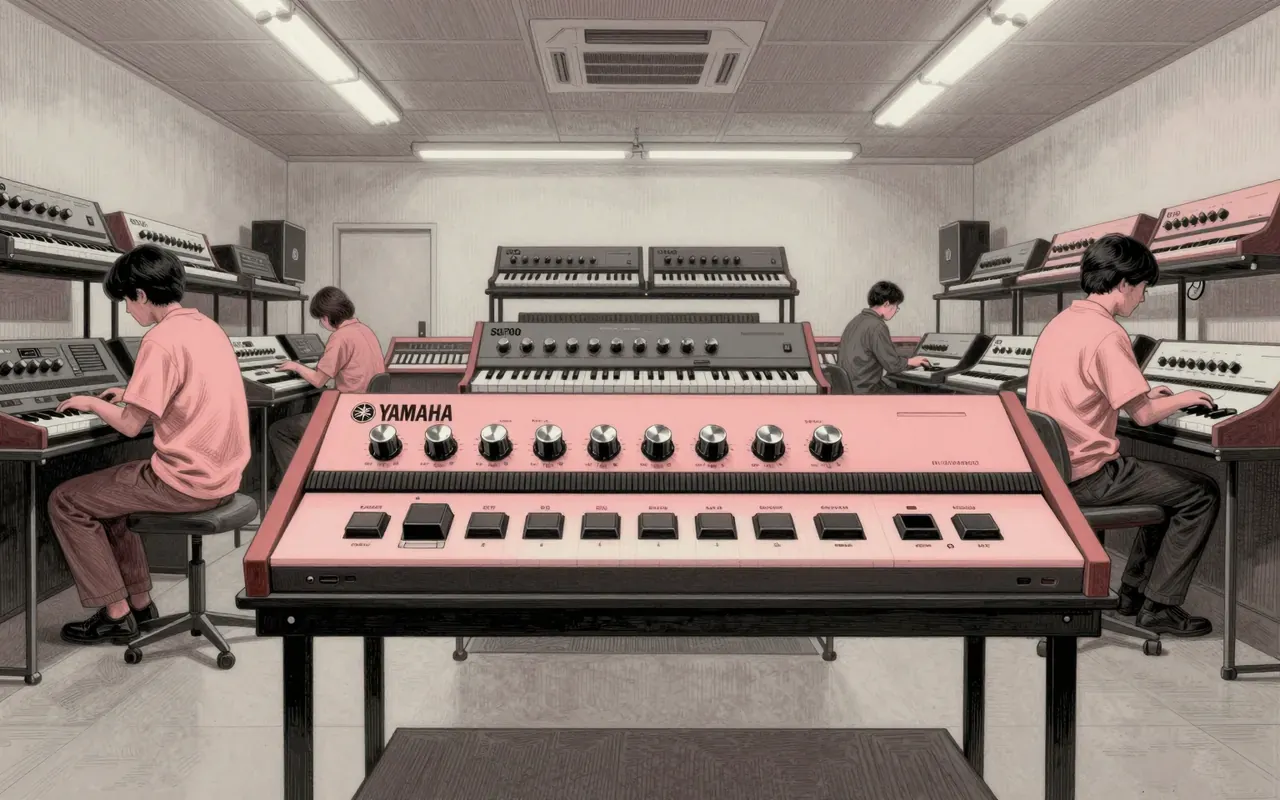
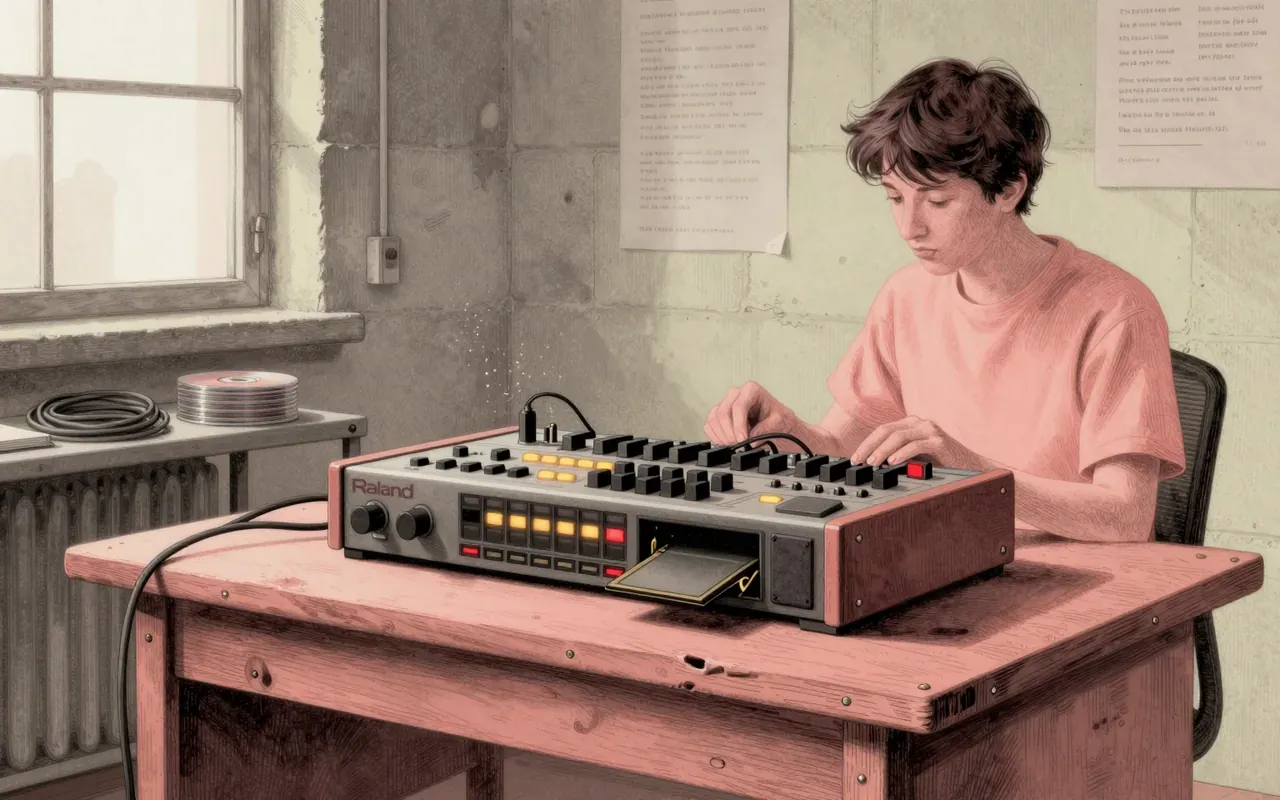
The Yamaha SU700 is a 1998 all-in-one sampler/sequencer music production studio designed for dance music creation.

Chapters & takeaways4
  1. 0:55
    Process First, Sample Later

    You can route live input through filters and effects without sampling—no capture step required.

  2. 2:24
    Four Auto-Functions, One Button

    Auto-truncate, auto-loop, auto-beat-match and auto-time-slice—all in one pass.

  3. 4:01
    Live Sequencing With Hands-On Control

    Build and drop out tracks in real time while tweaking filters and parameters.

  4. 5:48
    Studio-Grade Sampling, Stage-Ready Sequencing

    Sophisticated enough for professional studio work—and built for both programming and live performance.

Worth your time?

Yes. Use the whole thing.

4/ 5
What works
  • live audio processing before sampling
  • automated sample editing
  • real-time track manipulation
  • hands-on control during sequencing
What does not
  • support synthesis
  • integrate with modern DAWs
  • handle large sample libraries via USB
  • offer multi-layered modulation
Use it if
  • producers who want tactile, integrated sampling and sequencing in a single unit
  • those working primarily with loops, beats and processed audio
Skip it if
  • sound designers needing oscillators or modulators
  • those reliant on modern file formats, USB storage or DAW sync
The written brief1 min read

What it is and what it was built for

The Yamaha SU700 is a 1998 all-in-one sampler/sequencer music production studio built for dance music creation.

How it works, in terms a player would use

It routes incoming audio through filters and effects before sampling. It auto-truncates, auto-loops, auto-beat-matches and auto-time-slices samples. Twelve knobs and a ribbon controller let you tweak parameters while building or dropping out tracks in real time. The sequencer accepts both programmed input and live performance.

What it does better than anything else

It processes live input through filters and effects without sampling—faster than any sampler that requires capture-first workflows. Its automated editing suite (truncation, looping, beat matching, time slicing) is bundled and immediate, requiring no external software or manual waveform navigation.

What it does badly

It does not support deep sound design beyond sample manipulation. It offers no built-in synthesis engines, no MIDI sequencing beyond its internal track system, and no integration with contemporary DAWs or cloud workflows.

What people made with it

People made full dance music productions with it—using its sampler, sequencer and real-time track manipulation to build and perform arrangements live.

Who should use it, and who should not

Producers who want tactile, integrated sampling and sequencing in a single unit—and who work primarily with loops, beats and processed audio. Not for sound designers needing oscillators or modulators, or for those reliant on modern file formats, USB storage or DAW sync.

Is it worth your time

Yes—if you need a self-contained, hands-on sampling studio for dance music production and value immediate signal processing over deep synthesis or modern file management.
Same bench · Sound design & sampling4 of 107
Up next in Audio

Gibson Super 400 CES

Gibson · 8:03

Discontinued before it had a chance — a hollow-body guitar with no body of evidence behind it.

8:03