It gives you filters that cut deep — but won’t let you cut silence.
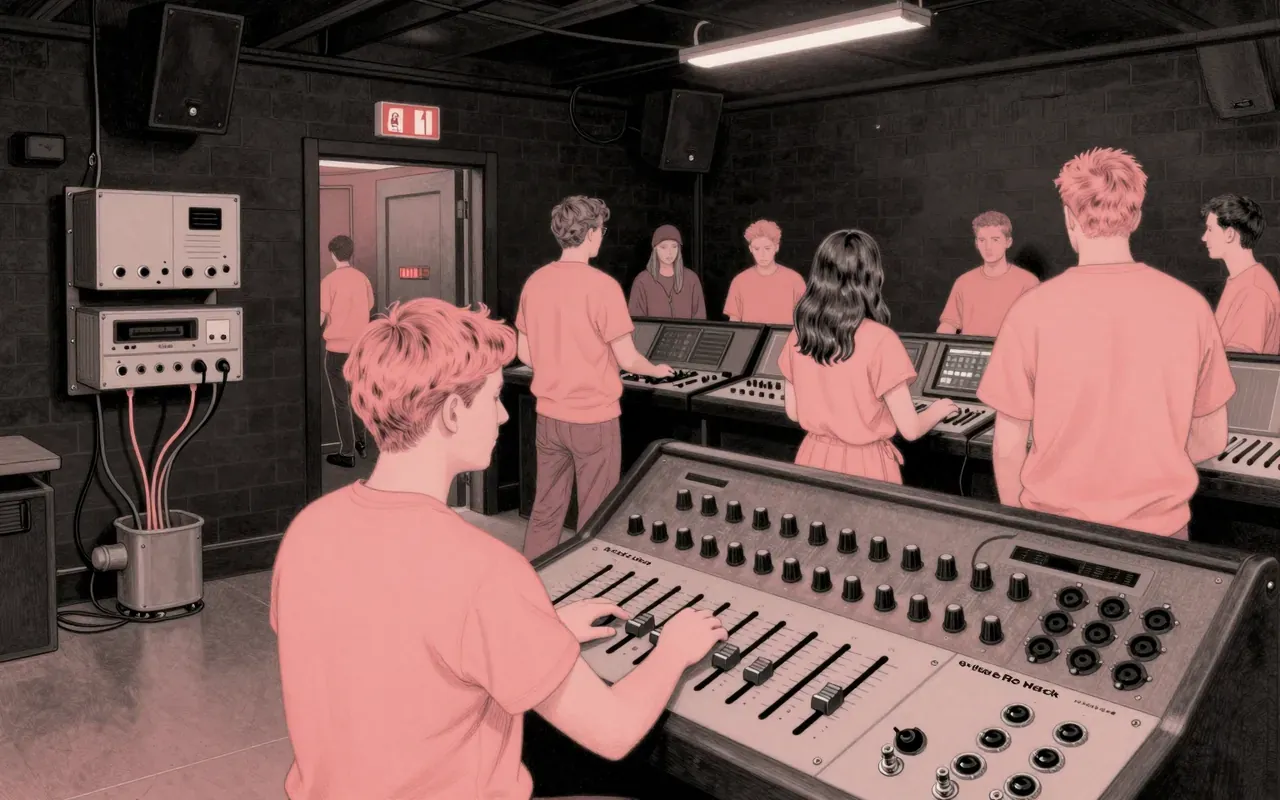
The Allen & Heath Xone:62 (Old Design) is a rack-mountable analog DJ mixer with twelve inputs, six channels, four balanced XLR outputs, per-channel analog high-pass/band-pass/low-pass filters, six channel sends, a four-band EQ whose knobs do not fully cut the signal, and a crossfader that does not fully cut the signal.
Twelve inputs feed six channels, with four balanced XLR outputs.
2:03
Filters first
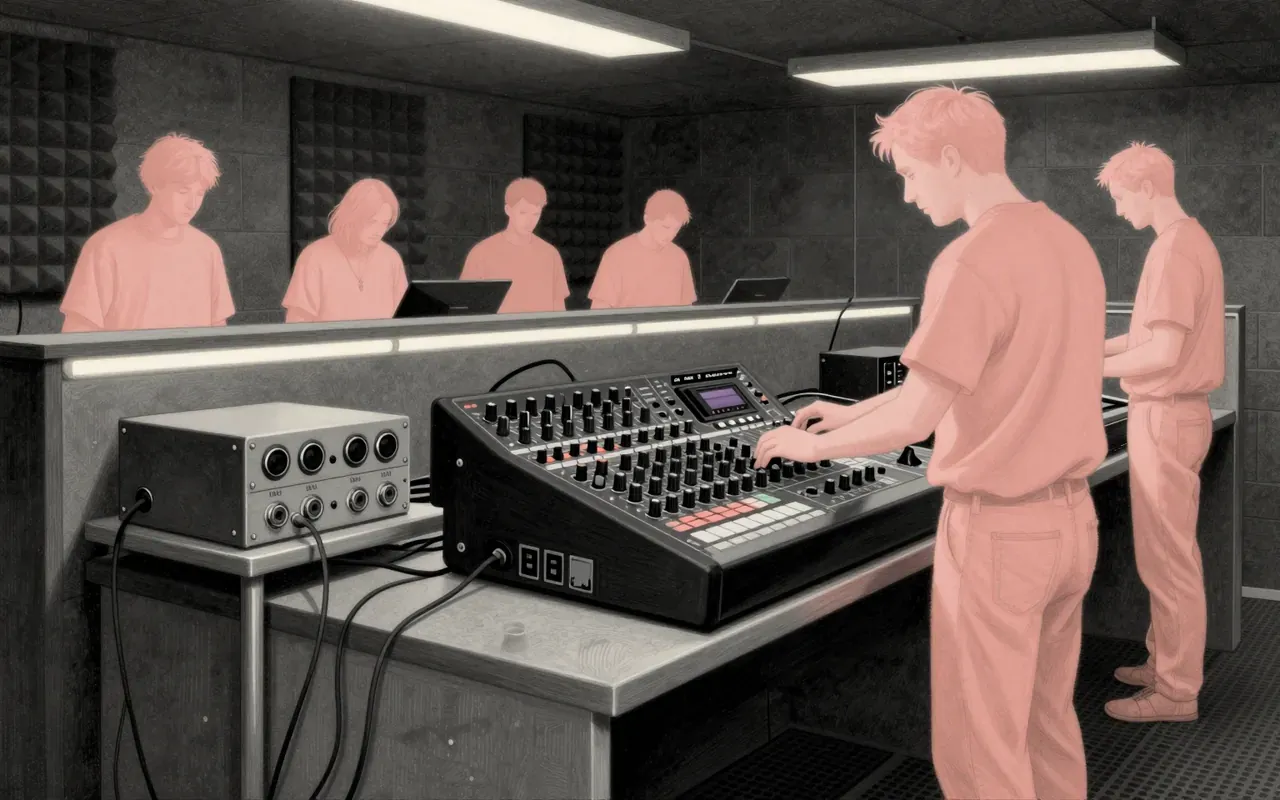
Per-channel analog high-pass, band-pass and low-pass filters shape tone before the EQ.
3:24
EQ that never goes quiet
EQ knobs do not fully cut the signal — no true bypass or null point.
4:36
Crossfader with no off switch
The crossfader does not fully cut the signal — transitions always retain some bleed.
5:22
Six sends, one mixer
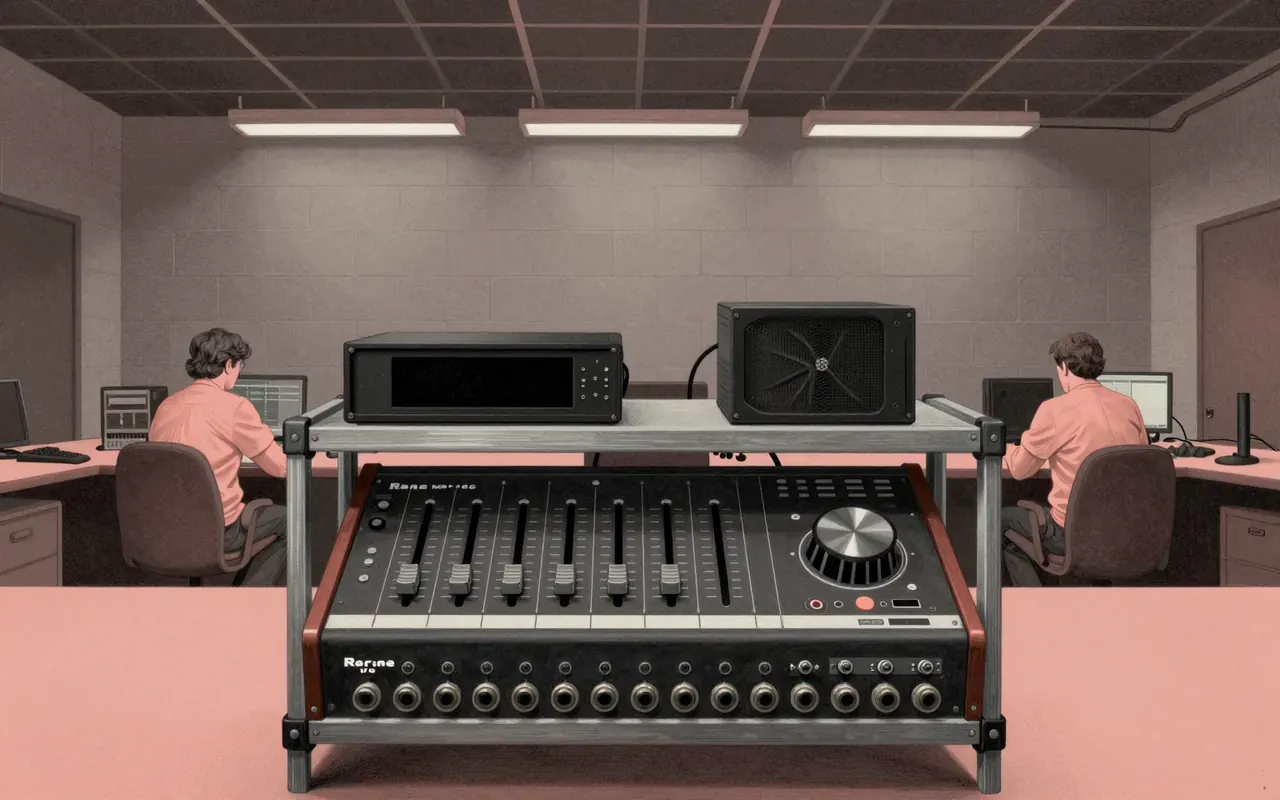
Six channel sends allow parallel processing or external effects routing.
Worth your time?
Yes. Use the whole thing.
3.5/ 5
What works
per-channel analog high-pass, band-pass and low-pass filters
six channel sends
twelve inputs across six channels
What does not
fully cut the signal at EQ
fully cut the signal at crossfader
Use it if
DJs who need per-channel analog filtering
producers routing signals externally via sends
Skip it if
anyone requiring surgical EQ cut
anyone relying on absolute crossfader isolation
The written brief1 min read
What it is and what it was built for
The Allen & Heath Xone:62 (Old Design) is a rack-mountable, analog 6-channel DJ mixer built for club and studio use, with twelve inputs and four balanced XLR outputs.
How it works, in terms a player would use
It routes twelve inputs — two track, four mic/line/phono — across six channels. Each channel has a four-band EQ whose knobs do not fully cut the signal. Analog high-pass, band-pass and low-pass filters sit per channel. The crossfader does not fully cut the signal. Six channel sends are available.
What it does better than anything else
It offers per-channel analog high-pass, band-pass and low-pass filters — rare in DJ mixers of its era — giving immediate, tactile tonal shaping beyond standard EQ.
What it does badly
It fails to fully cut the signal at the EQ and crossfader. This limits precise tonal sculpting and clean transitions.
What people made with it
People used it to blend vinyl, microphones and line sources live, routing signals through its filters and sends for layered, evolving mixes.
Who should use it, and who should not
A working DJ or producer who values hands-on analog filtering and needs six sends should use it. Anyone needing full signal cut at EQ or fader should not.
Is it worth your time
It is worth your time only if you need a rack-mountable analog DJ mixer with filter flexibility and send routing, and can accept its non-cutting EQ and crossfader.