What it is and what it was built for
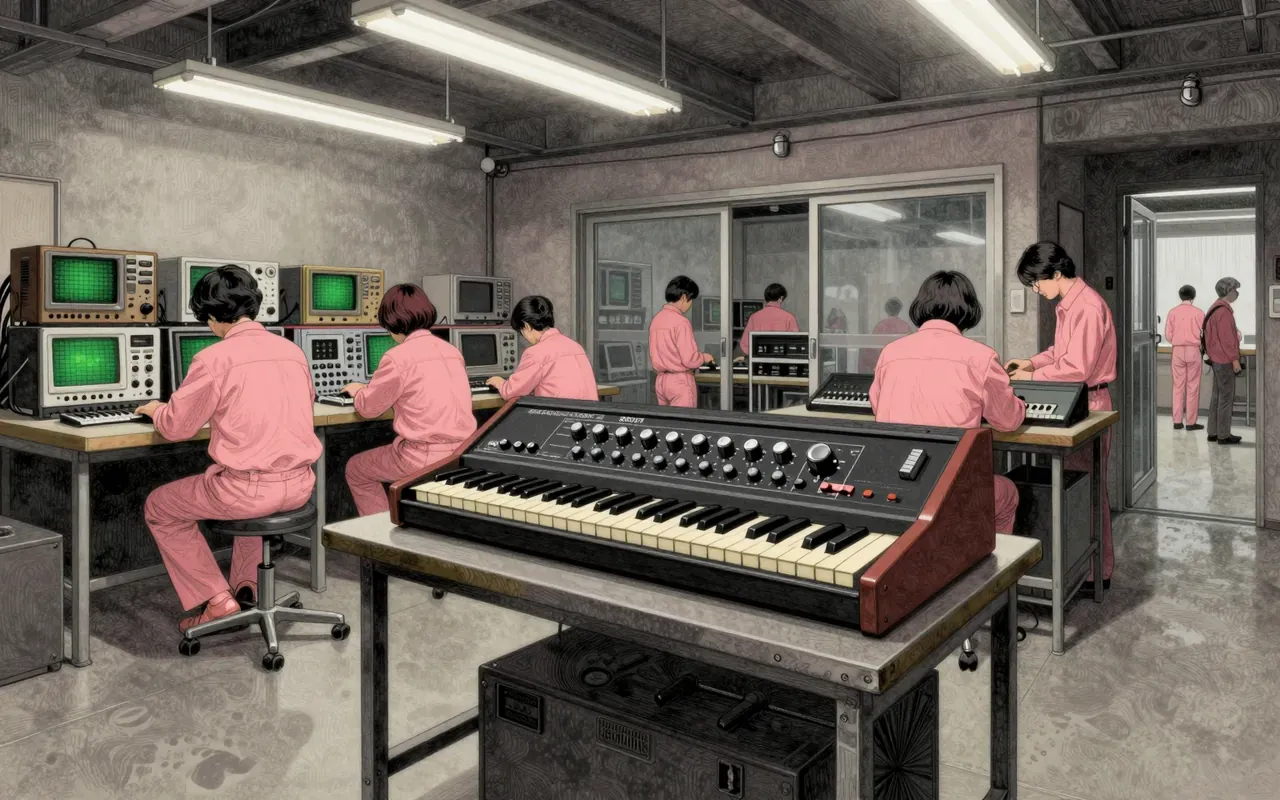
The Roland SH-7 is a 1978 duophonic analog synthesizer built to expand on the SH series with greater flexibility and sonic aggression.
How it works, in terms a player would use
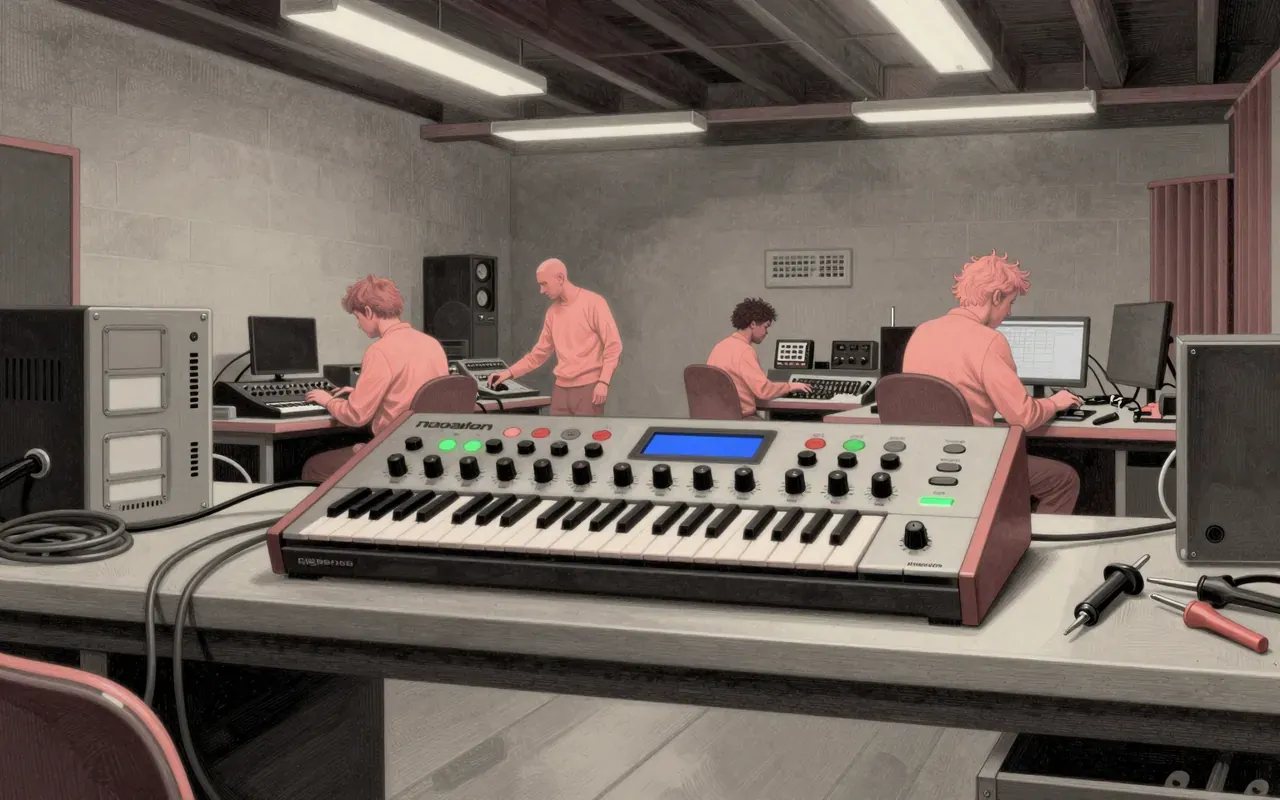
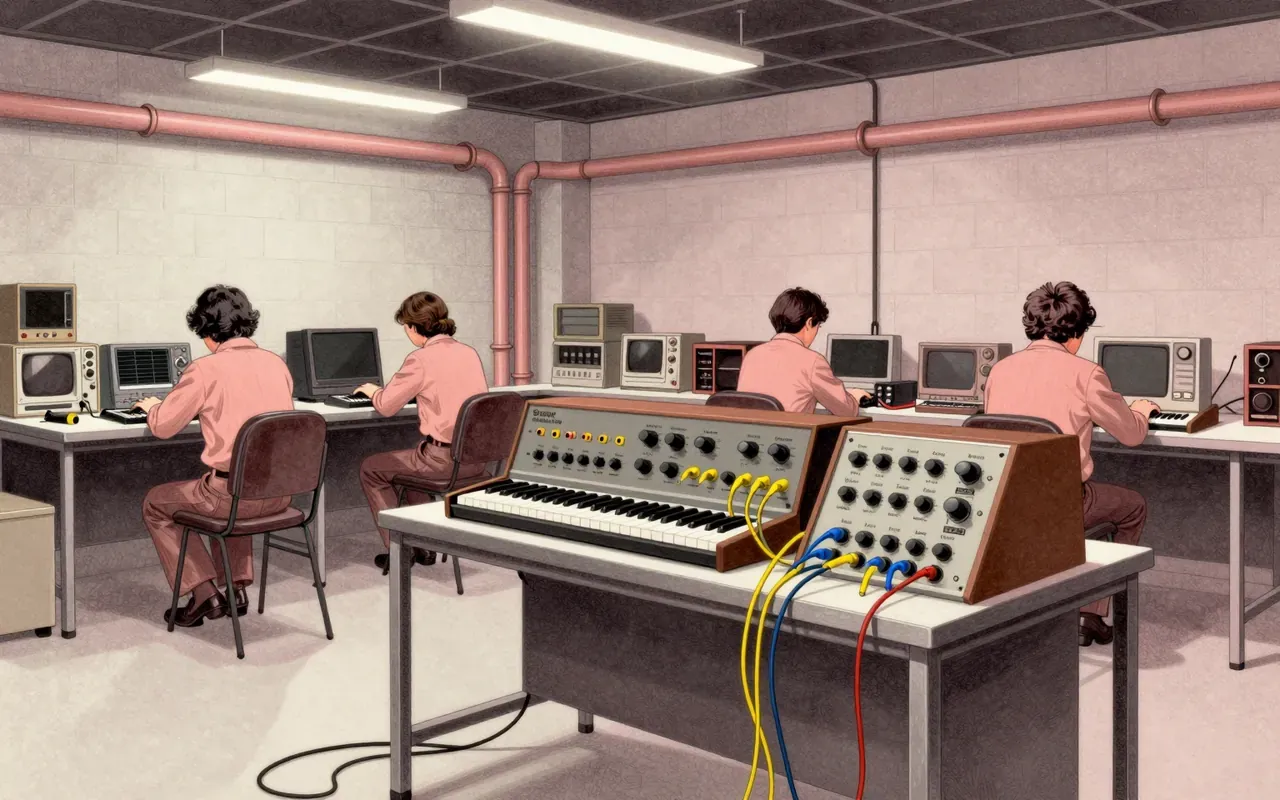
It has two syncable VCOs, an audio mixer that distorts, external audio input, ring modulation, white and pink noise, sample+hold, and a 44-key keyboard. Controls are laid out for direct patching and real-time manipulation.
What it does better than anything else
It gives more creative control and tweak-ability than earlier SH synths—especially via syncable VCOs, distortion from the audio mixer, and multiple modulation sources like ring mod and sample+hold.
What it does badly
It is duophonic only. It offers no built-in sequencer, no MIDI, no patch memory, and no velocity or aftertouch. The keyboard is fixed-note, not expressive.
What people made with it
INXS used it.
Who should use it, and who should not
Players who value immediate, tactile control over duophonic lines and gritty, modulated textures should use it. Anyone needing polyphony, recallable patches, or integration with modern gear should not.
Is it worth your time
Yes—if you want hands-on duophonic synthesis with brash distortion and modulation tools that push beyond earlier SH synths. No—if you need polyphony, preset memory, or modern workflow conveniences.