audiobriefs
9:01in productionCh. 1 · Single Oscillator/ 9:01 · ceiling 15 min
Synths & drum machines · Instruments

Yamaha CS-5

One oscillator. One filter. No compromises — and no way to save what you just made.

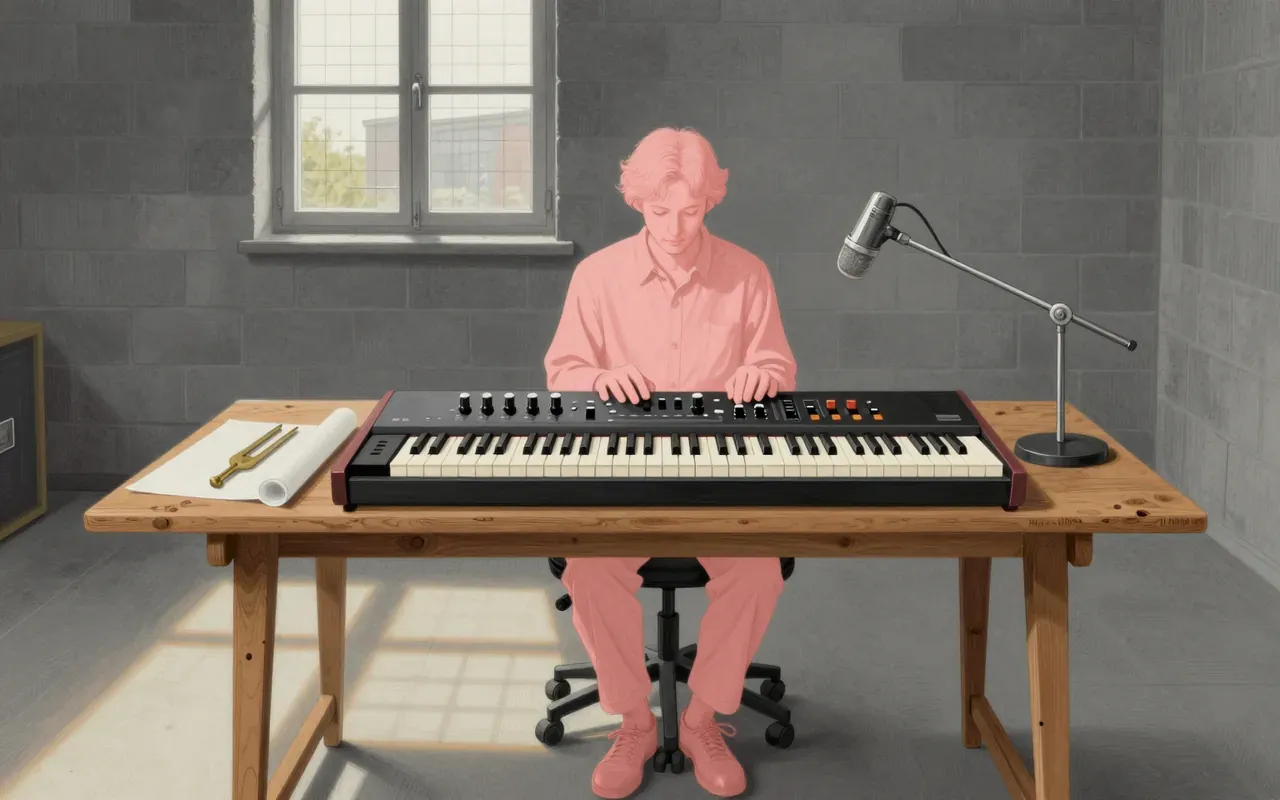
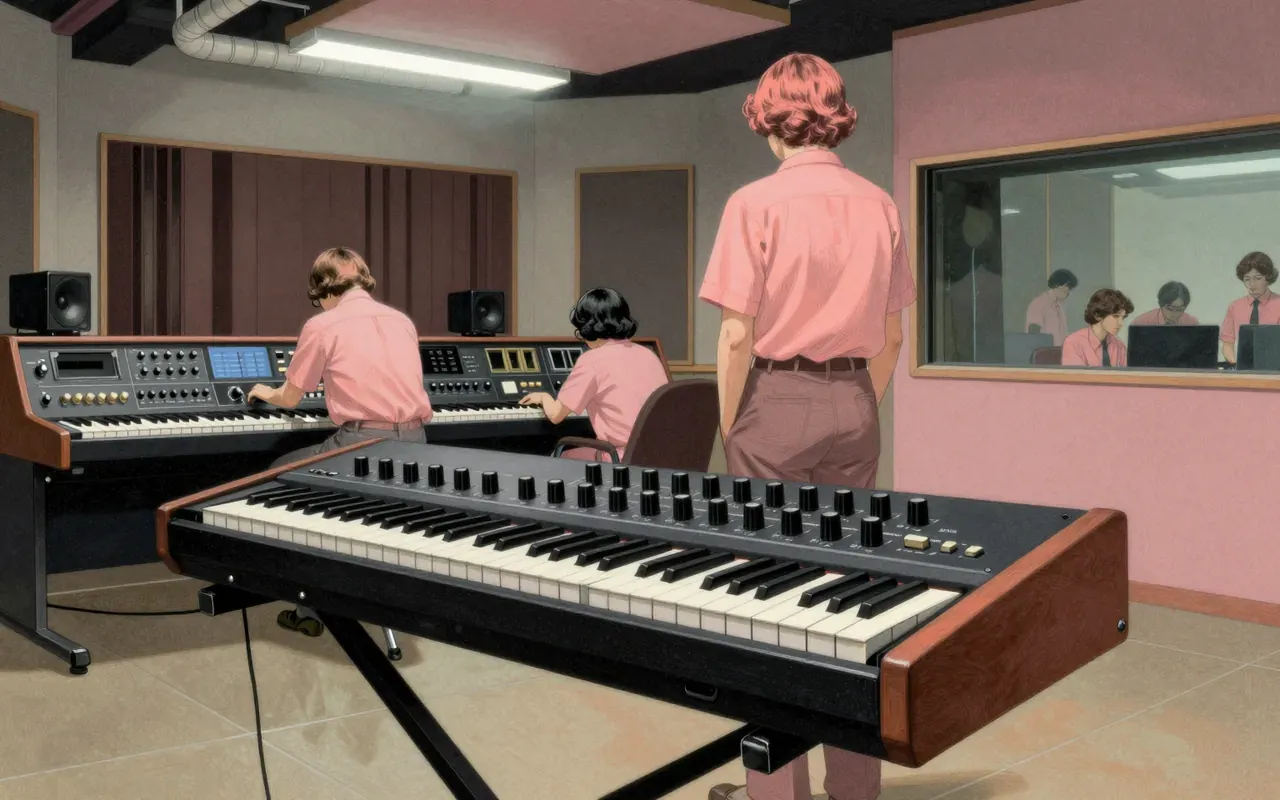
The Yamaha CS-5 is a 1978 monophonic analog synth with one oscillator, a multi-mode 12 dB/Oct filter, and an LFO with sample-and-hold. It has no patch storage, no MIDI, no velocity sensitivity. It is built for immediacy — not recall.

Chapters & takeaways4
  1. 0:33
    Single Oscillator

    One oscillator defines its voice — no blending, no detuning, no redundancy.

  2. 2:28
    Filter and Modulation

    A multi-mode 12 dB/Oct filter shapes tone with immediacy — and sample-and-hold adds grit without menus.

  3. 4:12
    External Input Path

    External audio feeds straight into the filter or amp — no routing options, no buffers, no delay.

  4. 6:02
    No Recall, No Velocity

    No patch storage. No MIDI. No velocity. It assumes you’ll play it now — and remember it yourself.

Worth your time?

Yes. Use the whole thing.

3.5/ 5
What works
  • as a focused monosynth voice
  • as a filter processor for external sources
  • as a source of gritty, unpredictable modulation
What does not
  • support velocity expression
  • store patches
  • connect via MIDI
Use it if
  • players who value tactile control over convenience
  • sound designers who work with external sequencing
  • performers who build parts live and commit to them
Skip it if
  • studio producers relying on preset libraries
  • keyboardists needing dynamic response
  • anyone integrating into modern DAW-based workflows without conversion hardware
The written brief1 min read

What it is and what it was built for

The Yamaha CS-5 is a monophonic analog synthesizer released in 1978. It was built for live performance and studio sound design where simplicity and sonic character outweighed convenience or recall.

How it works, in terms a player would use

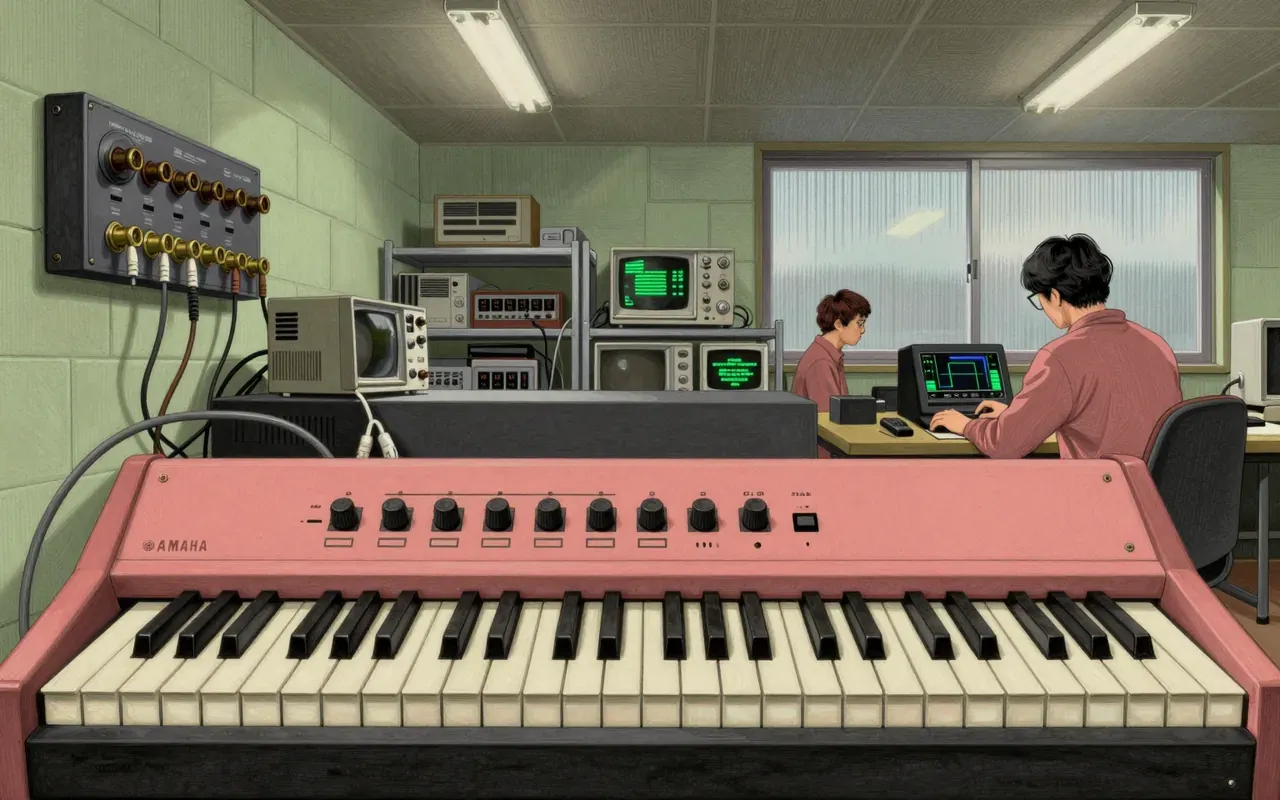
It has one oscillator, one 12 dB/Oct multi-mode filter, and an LFO with sample and hold. You route external audio through the VCF or VCA. The 37-key keyboard is unweighted and not velocity-sensitive. There are no patch memories.

What it does better than anything else

It delivers a direct, tactile signal path from oscillator to filter to output — with no digital layer, no menu diving, no latency. Its multi-mode filter cuts or boosts with immediacy and bite.

What it does badly

It does badly at holding sounds across sessions. It cannot store patches. It gives no dynamic response to key pressure. It cannot sync to modern gear via MIDI.

What people made with it

People made basslines, leads, and atmospheric textures with it — using its sample-and-hold for unpredictable modulation and its filter for sharp, resonant sweeps.

Who should use it, and who should not

A player who values hands-on control over memory, who works with external sequencers or tape, and who wants a compact, single-oscillator voice with character. Not for anyone needing velocity, polyphony, or preset recall.

Is it worth your time

It is worth your time if you want a hands-on, immediate monosynth with raw filter character and sample-and-hold texture — but only if you accept its total lack of recall, velocity response, or polyphony.
Same bench · Synths & drum machines4 of 243
Up next in Audio

Yamaha CS-50

Yamaha · 8:33

It’s the CS-80’s leaner, cheaper sibling — and it shows in every thin chord and drifting note.

8:33