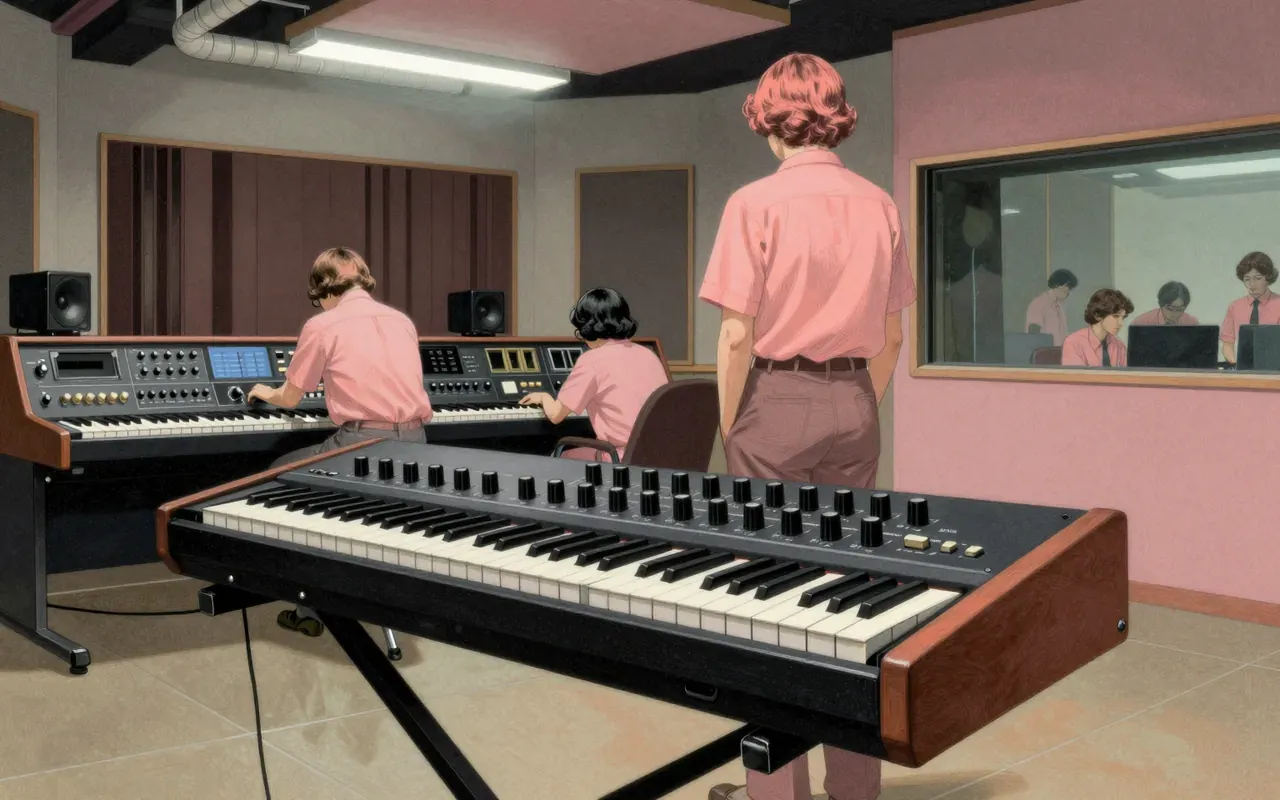
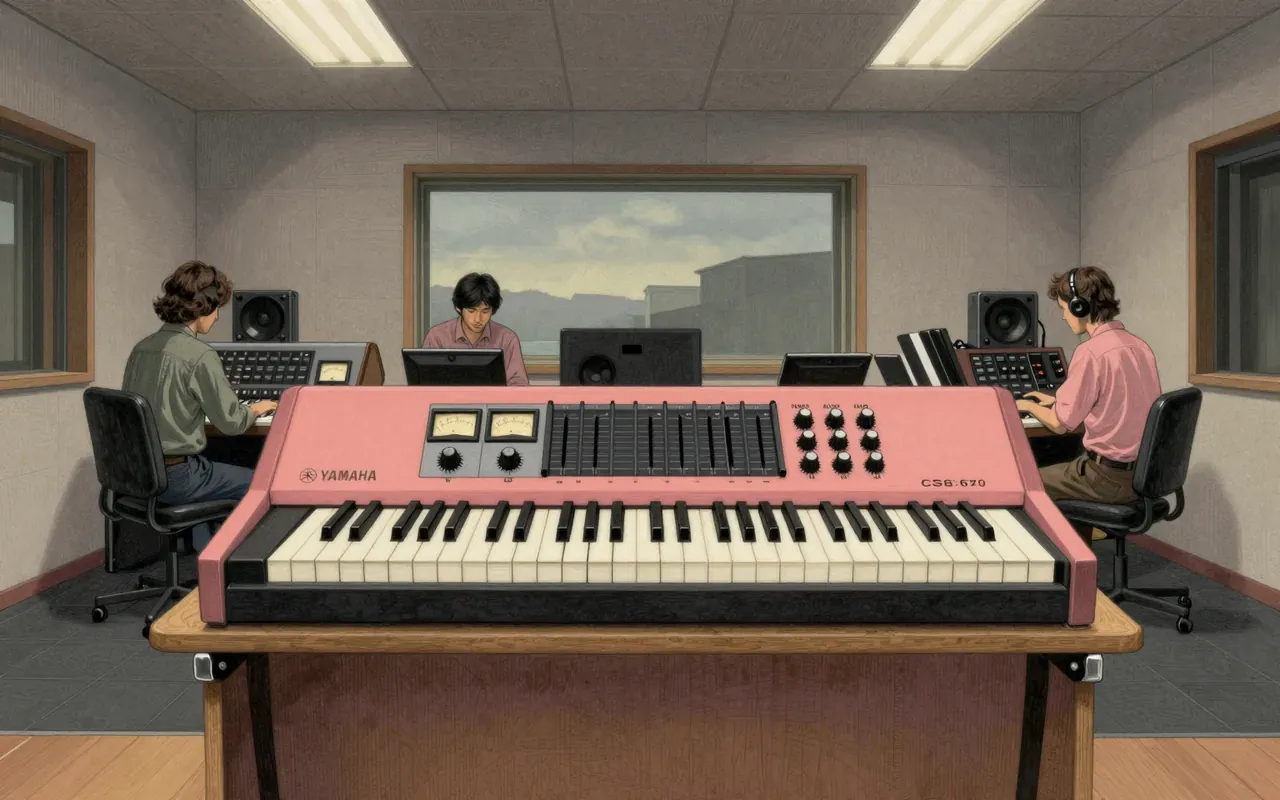
It’s the CS-80’s leaner, cheaper sibling — and it shows in every thin chord and drifting note.
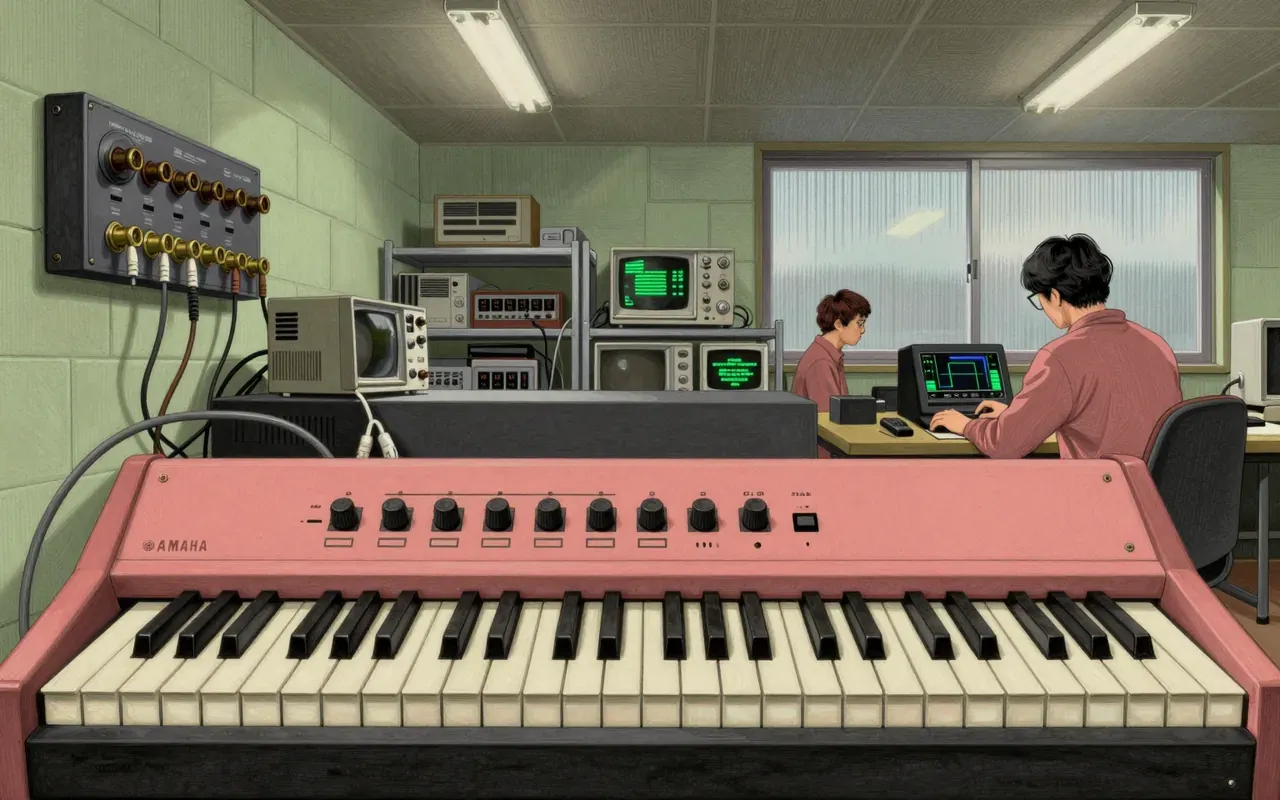
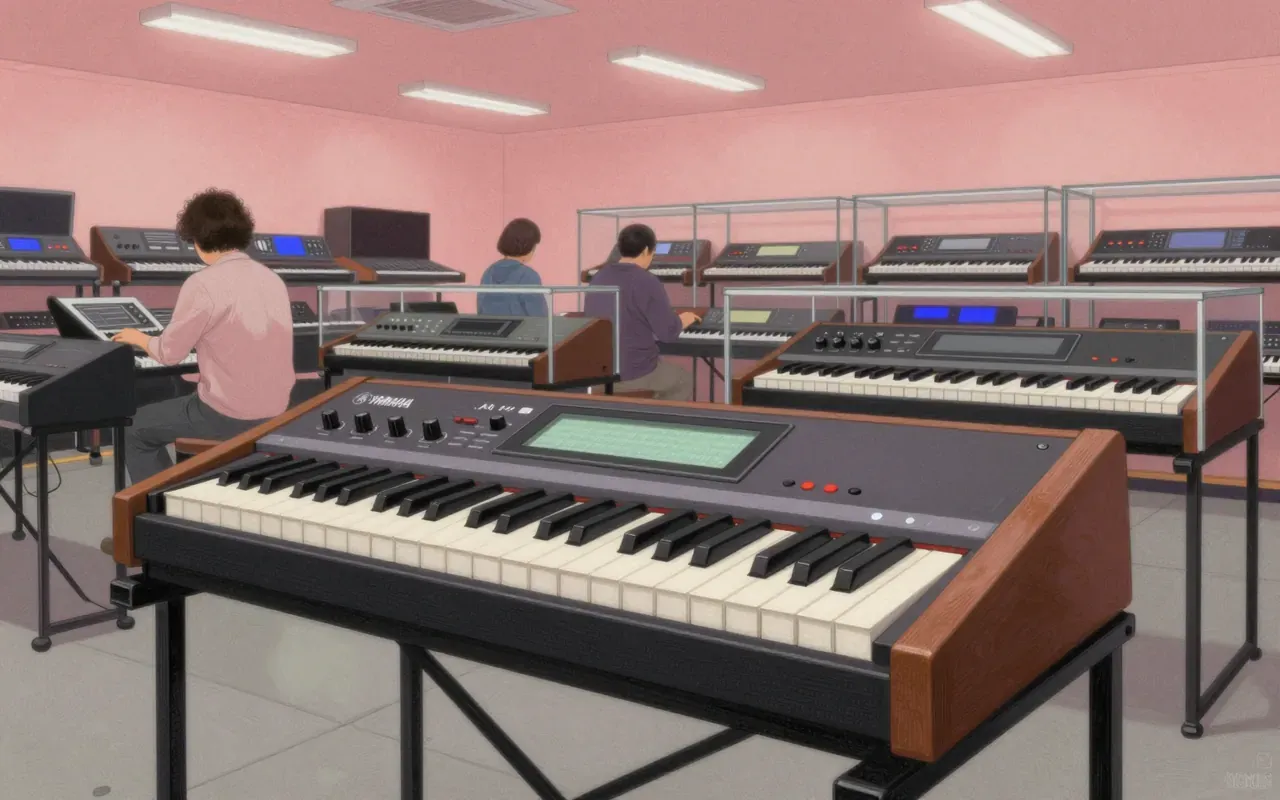
The Yamaha CS-50 is a 4-voice, 49-key, pressure-sensitive synthesizer released in 1977. It visually resembles a scaled-down CS-80, weighs about 100 pounds, and shares the CS-series sound — but with thin chords (one oscillator per voice, 12 dB/oct filters), no user memory, and unstable tuning.
Released just before the CS-60 and CS-80, it’s a scaled-down version of the CS-80.
2:14
Keys and control
A 49-key, 4-voice keyboard with pressure sensitivity — but no weighted action or user memory.
3:30
Thin voice, true lineage
One oscillator per voice and 12 dB/oct filters make chords thin — but the sound is unmistakably CS-series.
5:04
Weighted down, not weighed down
At 100 pounds, it’s heavy — but far lighter than the CS-80.
Worth your time?
Yes. Use the whole thing.
3.5/ 5
What works
as a portable CS-series voice
with pressure-sensitive expression
as a visual and sonic bridge to the CS-80
What does not
have user memory
offer stable tuning
produce thick chords
Use it if
players who want CS-series character in a lighter package
those who value aftertouch routing over polyphonic richness
Skip it if
players needing reliable intonation
composers requiring custom patches
The written brief1 min read
What it is and what it was built for
The Yamaha CS-50 is a 4-voice subtractive synthesizer released in 1977, built as a scaled-down, more affordable alternative to the CS-80.
How it works, in terms a player would use
It has a 49-key pressure-sensitive keyboard. Each of its four voices uses one oscillator and a 12 dB/oct filter. It offers 13 preset sounds but no user memory. Aftertouch is routable to several destinations.
What it does better than anything else
It delivers the unmistakably CS-series sound in a lighter, more portable form than the CS-80 — at 100 pounds, it is significantly less unwieldy while retaining pressure sensitivity and visual kinship with the flagship.
What it does badly
It sounds thin in polyphonic use due to single-oscillator voices and shallow 12 dB/oct filters. It lacks user memory and suffers from unstable tuning typical of the CS-series.
What people made with it
The sources do not state what people made with it.
Who should use it, and who should not
A player who values CS-series character, needs aftertouch routing, and accepts fixed presets and tuning drift should use it. Anyone needing stable intonation, thick chords, or user-programmable patches should not.
Is it worth your time
It is worth your time only if you need a compact, tactile CS-series voice with aftertouch and can tolerate tuning instability and thinness in chords.