What it is and what it was built for
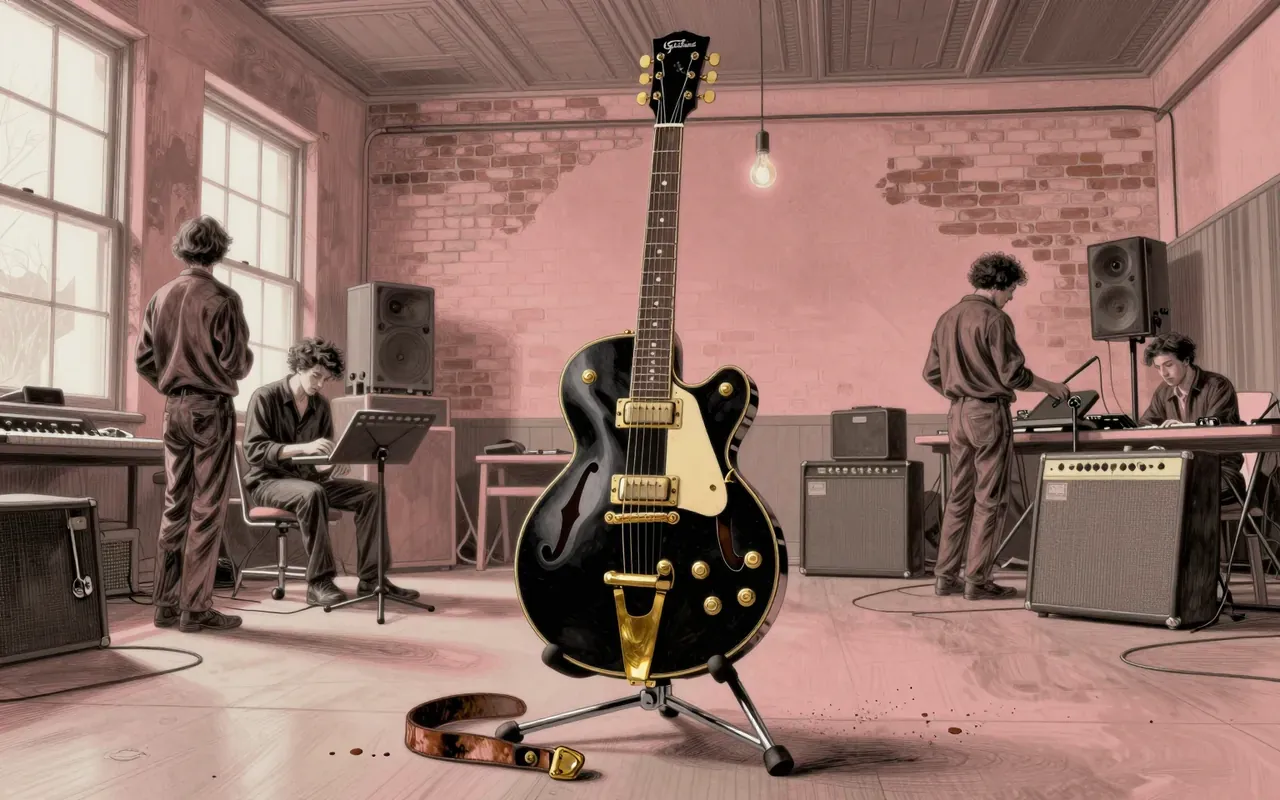
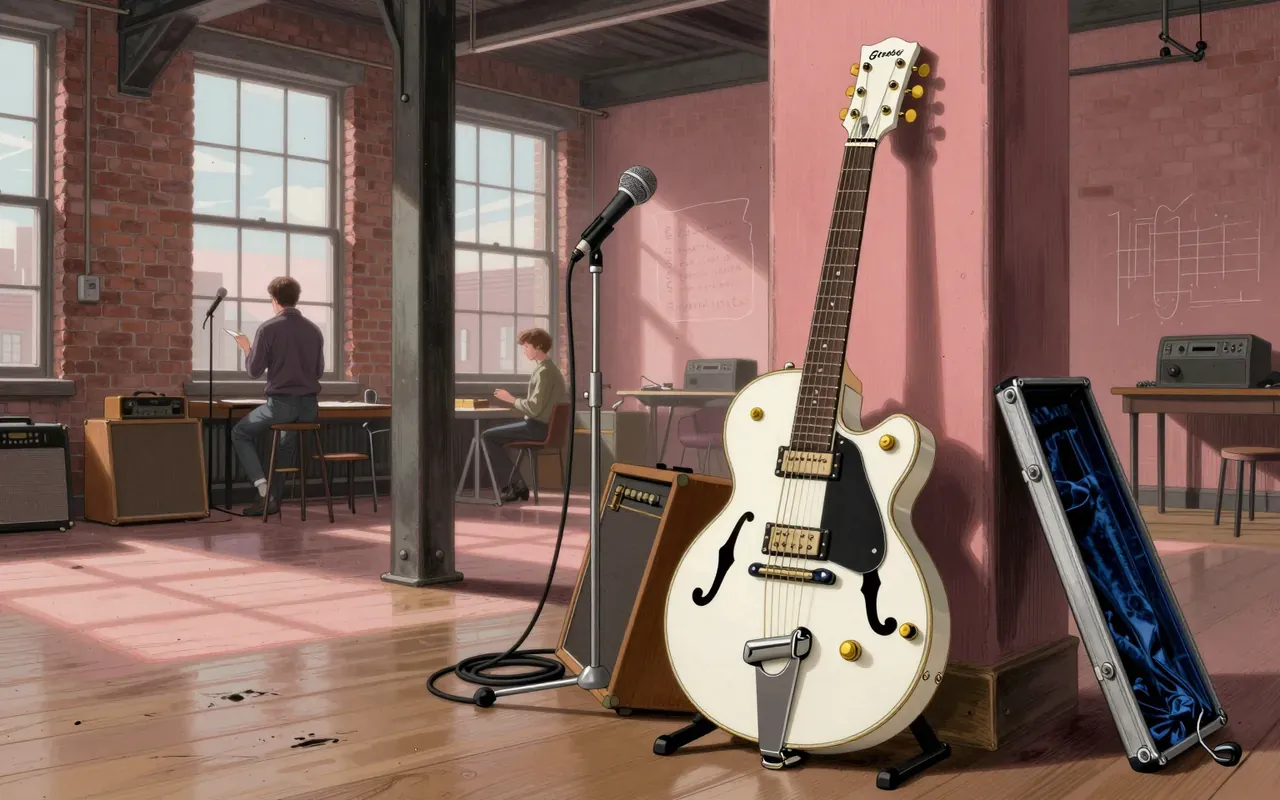
It is an electric hollow-body guitar introduced in 1954 as a non-commercial showpiece for the NAMM Convention. It was conceived by Jimmie Webster to improve on the Gibson Super 400. It had no initial production plan.
How it works, in terms a player would use
It is an electric hollow-body guitar. It has no specified controls, pickups, or electronics detailed in the sources. Its signal path is implied by its category but not described. Players encounter it as a finished instrument — visually bold, physically substantial, and marketed as high-end.
What it does better than anything else
It establishes visual authority more decisively than any other Gretsch of its era. Its finish draws directly from Gretsch drum aesthetics and American car design — a deliberate, unified statement of mid-century American craft and aspiration.
What it does badly
It falls short as a functional improvement on the Gibson Super 400 — the source states Jimmie Webster intended it as such, but gives no evidence it succeeded. No performance metrics, tonal traits, or playability details are provided. Its rushed 1955 production implies unresolved design iteration.
What people made with it
The sources do not state what music, recordings, or performances were made with it. No players, songs, genres, or sessions are named.
Who should use it, and who should not
A collector or historian focused on mid-1950s American guitar marketing, finish design, or NAMM showpiece culture should use it. A player seeking documented tonal distinction, ergonomic refinement, or technical innovation should not.
Is it worth your time
It is worth your time only if you need a mid-1950s Gretsch hollow-body with showpiece origins, automotive and drum-inspired finish, and historical position as a $600 response to the Gibson Super 400. It does not offer documented sonic or ergonomic advantages over alternatives.